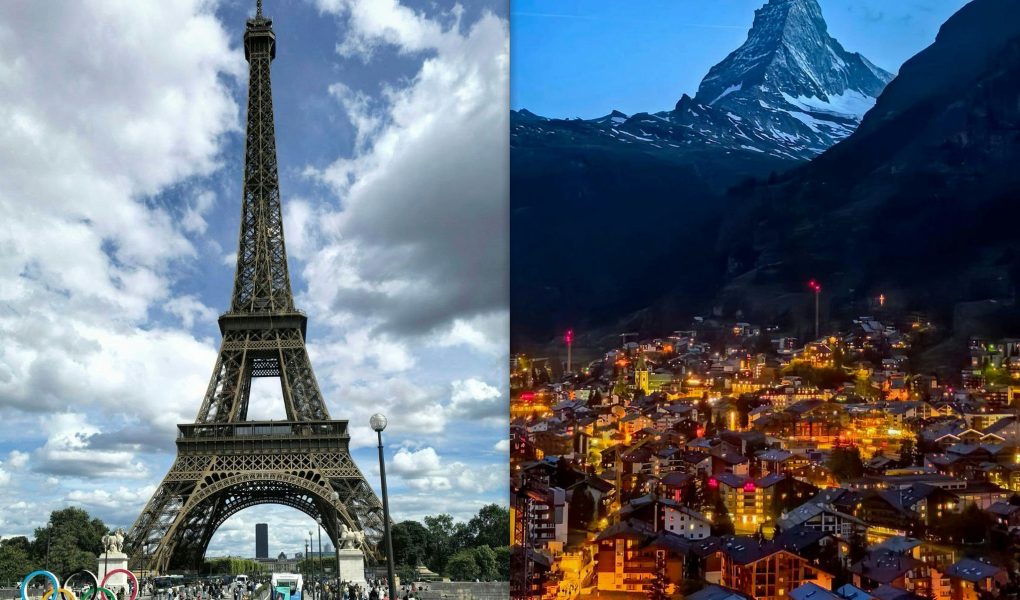
从城市密度到山的尺度 / Opening: from city density to mountain scale
这趟法国瑞士旅行,最强烈的感觉是尺度一直在变化。前半段在巴黎,几百年的艺术、建筑、政治和日常生活挤在同一座城市里:卢浮宫的名作,奥赛的钟,圣母院的石头和彩窗,加尼叶歌剧院的金色楼梯,还有车窗外不断经过的桥、街角和纪念碑。巴黎不是安静摆好的博物馆,而是一座仍在拥堵、营业、下雨、吵闹的大都市。
后半段到瑞士,尺度从人类历史切到自然本身。火车进山以后,木屋、牧场、湖水、雪线、冰川和岩壁不断靠近,到了 Grindelwald 和 Zermatt,山不再是远处背景,而是直接站到窗外、街尾和餐桌旁。中间当然也有很现实的旅行细节:吃到一般的法餐,连续几顿让胃回血的中餐,大风大雨,还有丢了的一顶超级碗冠军纪念帽(没有被偷,是被风吹进塞纳河)。最后留下来的,不是某个完美行程,而是一组很具体的画面和体感。
The strongest feeling from this France and Switzerland trip was a constant shift in scale. In Paris, centuries of art, architecture, politics, and daily life were packed into one city: Louvre masterpieces, Orsay clocks, Notre-Dame stone and stained glass, the gilded stairs of Palais Garnier, and bridges, corners, and monuments passing outside the window. Paris is not a museum arranged in silence. It is a large city still congested, open for business, rainy, loud, and alive.
Then Switzerland changed the scale from human history to nature itself. Once the trains entered the mountains, chalets, meadows, lakes, snowlines, glaciers, and rock walls kept moving closer. In Grindelwald and Zermatt, mountains stopped being a distant background and stood outside windows, at the end of streets, and beside dinner tables. There were also the ordinary details that make a trip real: an average French meal, several Chinese dinners that revived the stomach, heavy wind and rain, and a lost Seahawks Super Bowl championship hat (not stolen, but blown into the Seine). What remains is not a perfect itinerary, but a set of very specific images and bodily memories.
语言:没想象中那么困难 / Language: less disorienting than expected
出发前其实有点担心语言不通。法国和瑞士听起来都不像是“英语可以一路横着走”的地方,尤其一想到点餐、坐车、问路、看告示这些小事,就会提前紧张。真的到了以后,发现这件事比想象中温和很多:大部分实际打交道的人,或多或少都能说一点英文;就算不能完整交流,菜单、路牌、站名和提示牌也常常能靠关键词、图标和上下文半懂半猜。
这也让我第一次很具体地感受到欧洲语言之间的距离和亲缘关系。英语、法语、德语都属于印欧语系,但不是同一支:英语和德语更近,法语是罗曼语族。不过在旅行场景里,这些学术分类反而会变成一种很实用的“模糊识别”:有些词长得眼熟,有些表达能靠英文、拉丁词根或日常语境猜出来。语言没有真的消失成透明背景,但它也没有变成一堵墙。
Before leaving, I was genuinely a bit worried about language. France and Switzerland did not sound like places where English could simply carry everything, and small practical moments — ordering food, taking trains, asking for directions, reading signs — felt easy to worry about in advance. Once we arrived, it turned out to be gentler than expected. Most people we actually interacted with could speak at least some English; and even when conversation was limited, menus, road signs, station names, and notices were often understandable through keywords, icons, and context.
It also made the relationships among European languages feel more concrete. English, French, and German all belong to the Indo-European family, though not the same branch: English and German are closer to each other, while French is a Romance language. But in travel situations, those academic categories become a useful kind of fuzzy recognition. Some words look familiar; some phrases can be guessed through English, Latin roots, or everyday context. Language never became a transparent background, but it did not become a wall either.
巴黎:像是曼哈顿,但历史更重 / Paris: feels like Manhattan, with history
巴黎给我的第一层城市印象,很容易想到曼哈顿。它们都是老牌大都市的核心区:人口密集,游客和本地生活混在一起,街道不算宽,噪音、拥堵和脏乱都很真实。不同的是,曼哈顿的混乱至少发生在一张规则网格里;巴黎的混乱更像是几百年历史、窄街、广场、纪念碑、环岛和现代车流一起挤出来的结果。曼哈顿开车走错了,还能用第几街、第几大道重新定位;巴黎很多路口则像是历史、地理和交通管理一起出的谜题。
两个城市的气质也不一样。曼哈顿更像金融中心:资本、摩天楼、效率、公司总部、移民和商业密度,把城市不断往上推。巴黎则更像一个国家历史的压缩包:王权、革命、帝国、共和国、博物馆、教堂、学院、歌剧院和政府机构都还在城市里占着位置。它不一定更舒服,甚至很多时候更累、更乱;但它的历史和文化重量确实更厚。巴黎不是“优雅”两个字就能概括的。它有时候很美,有时候很烦,有时候很脏,有时候又突然在一个街角、一座桥、一扇窗里,把几百年的东西摆到你面前。
My first urban comparison for Paris was Manhattan. Both are old global metropolis: dense, crowded, full of tourists and local life at the same time, with narrow-feeling streets, noise, congestion, and real urban mess. The difference is that Manhattan’s chaos at least happens on a grid. Paris feels like chaos produced by centuries of streets, squares, monuments, roundabouts, and modern traffic squeezed into the same map. In Manhattan, if you go the wrong way, numbered streets and avenues help you recover. In Paris, some intersections feel like puzzles written jointly by history, geography, and traffic control.
The two cities also draw power from different sources. Manhattan feels like a financial center: capital, skyscrapers, speed, headquarters, immigration, and commercial density pushing upward. Paris feels more like a compressed national history: monarchy, revolution, empire, republic, museums, churches, academies, opera houses, and government institutions still occupying the city. It is not necessarily more comfortable; often it is more tiring and more chaotic. But its historical and cultural weight is heavier. Paris cannot be reduced to “elegant.” Sometimes it is beautiful, sometimes annoying, sometimes dirty, and sometimes, at a corner, bridge, or window, it suddenly puts several centuries in front of you.
巴黎第一顿能量:酒店早餐 / Paris starts with hotel breakfast
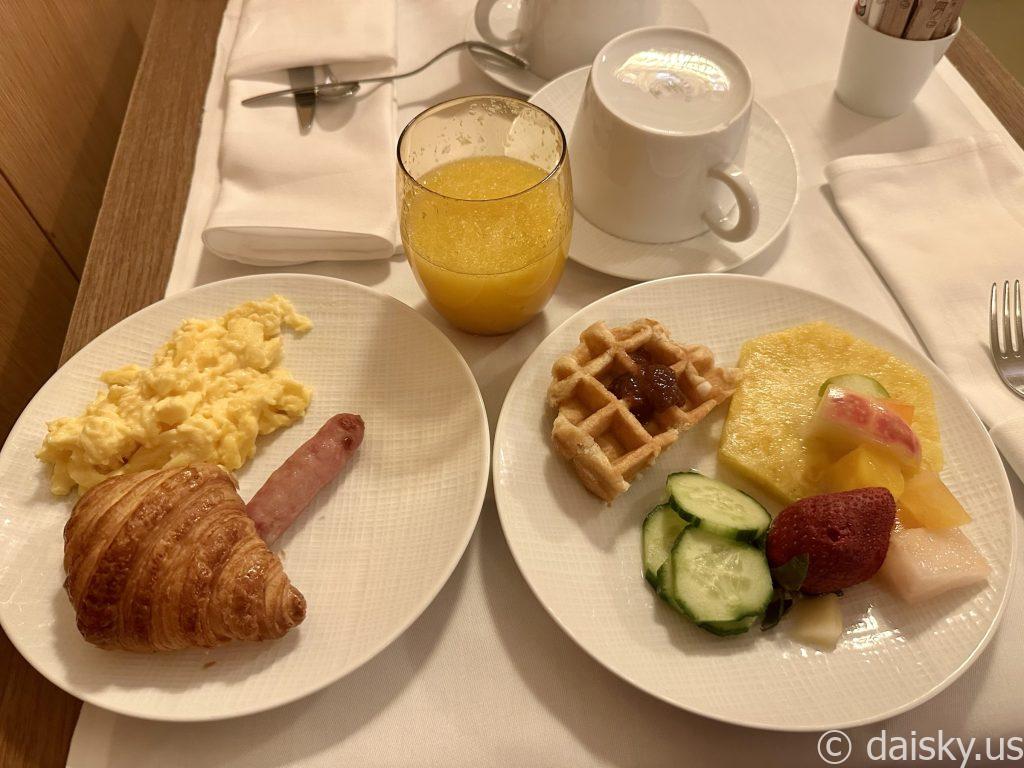
Croissant, eggs, sausage, fruit, coffee, and juice. Compared with the Louvre overload that followed, the breakfast at hotel looked simple, but travel days run on exactly this kind of fuel. In hindsight, it even worked better than the “classic French” dinner that evening.
进入卢浮宫:宫殿、博物馆和金字塔 / Entering the Louvre: palace, museum, pyramid
在看展品之前,卢浮宫本身就已经是一段很长的巴黎历史。它最早不是博物馆,而是 12 世纪末巴黎城墙边的一座防御要塞;后来随着王权扩张,逐渐变成法国王室宫殿。路易十四把宫廷重心移到凡尔赛之后,卢浮宫不再只是国王居住的地方,开始更多容纳学院、艺术家工作室和王室收藏。法国大革命以后,它在 1793 年作为公共博物馆开放,才真正变成今天意义上的“国家把收藏拿出来给公众看”的空间。
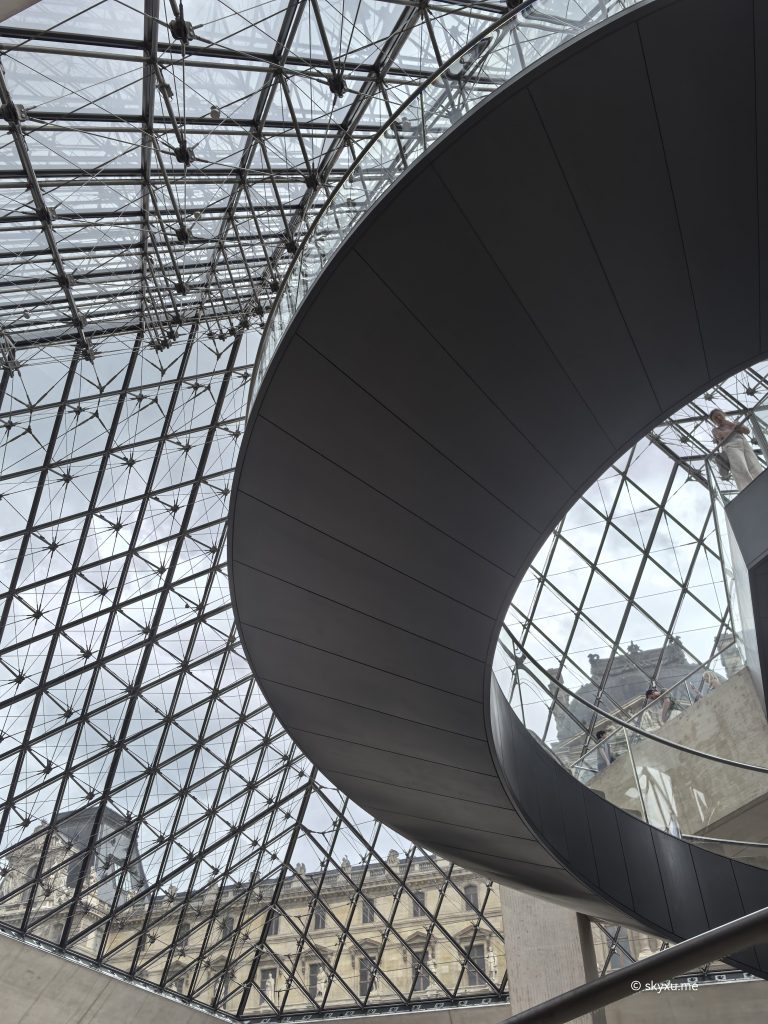
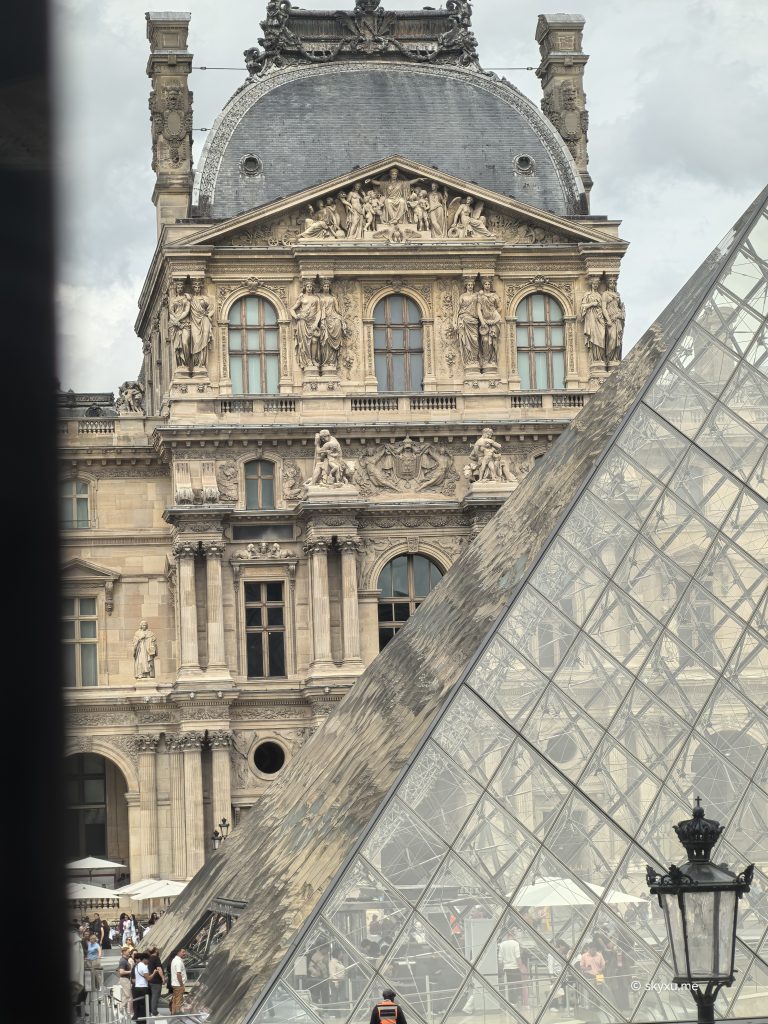
所以卢浮宫有意思的地方,不只是里面挂了多少名作,而是它本身经历过要塞、宫殿、皇家收藏、革命后的公共博物馆这些身份转换。贝聿铭设计的玻璃金字塔也是这个历史层叠的一部分:它不是为了“现代感”硬插在古建筑中间,而是在 1980 年代 Grand Louvre 改造中,把分散的人流引入地下入口,让这座过于庞大的宫殿博物馆重新运转起来。从窗内看出去,玻璃金字塔和老宫殿立面重叠在一起,正好说明卢浮宫的核心气质:巴黎不是把历史按年份摆开,而是让不同年代直接站在同一个画面里。
Before the artworks, the Louvre itself is already a long piece of Paris history. It did not begin as a museum, but as a late-12th-century fortress near the city wall. As royal power grew, it gradually became a royal palace. After Louis XIV shifted the court’s center of gravity to Versailles, the Louvre was no longer simply a royal residence; it increasingly housed academies, artists’ studios, and royal collections. After the French Revolution, it opened as a public museum in 1793, becoming a space where the state presented collections to the public.
That is what makes the Louvre interesting before any individual masterpiece appears: the building has been fortress, palace, royal collection, and revolutionary public museum. I. M. Pei’s glass pyramid belongs to that layered history too. It was not just a modern object placed in an old courtyard; as part of the 1980s Grand Louvre project, it reorganized the museum’s entrance underground and helped an enormous palace-museum function again. Seen from inside, the glass pyramid and old palace façade overlap perfectly. That is the Louvre in one image: Paris does not arrange history by year; it lets different centuries stand in the same frame.
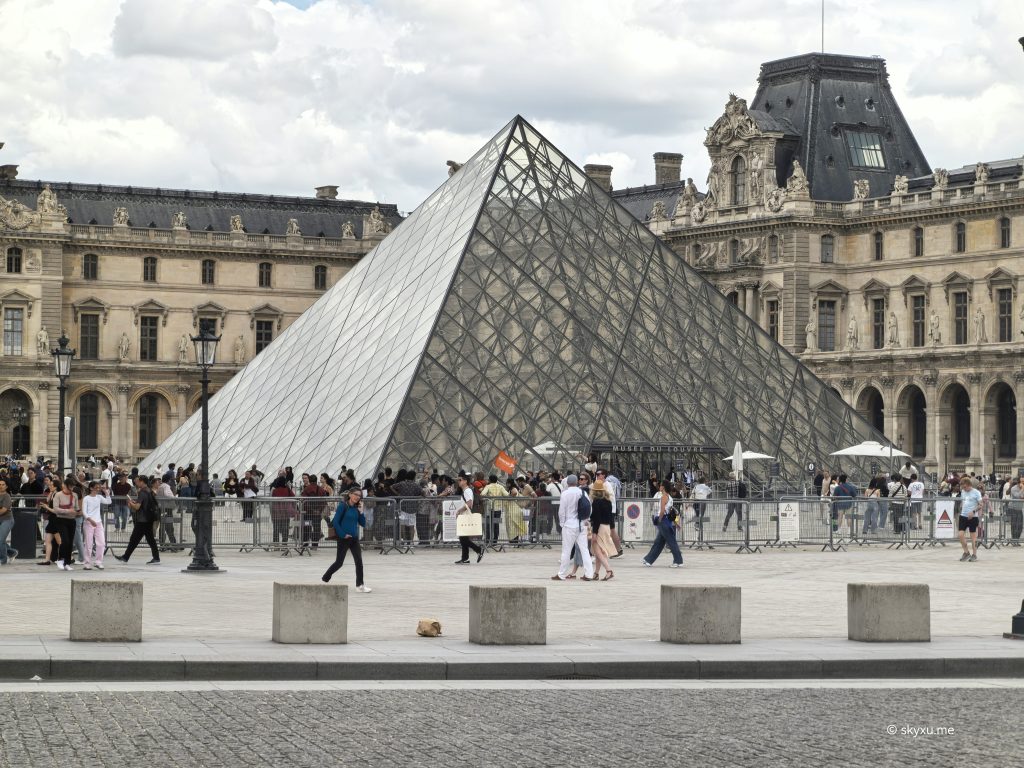
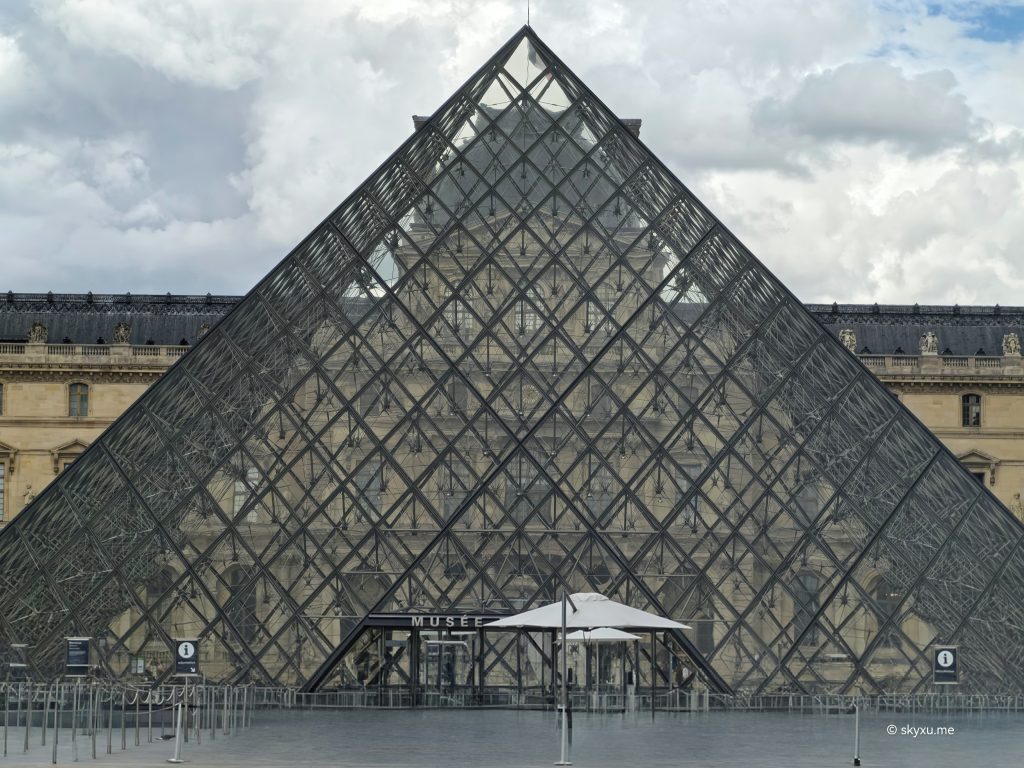
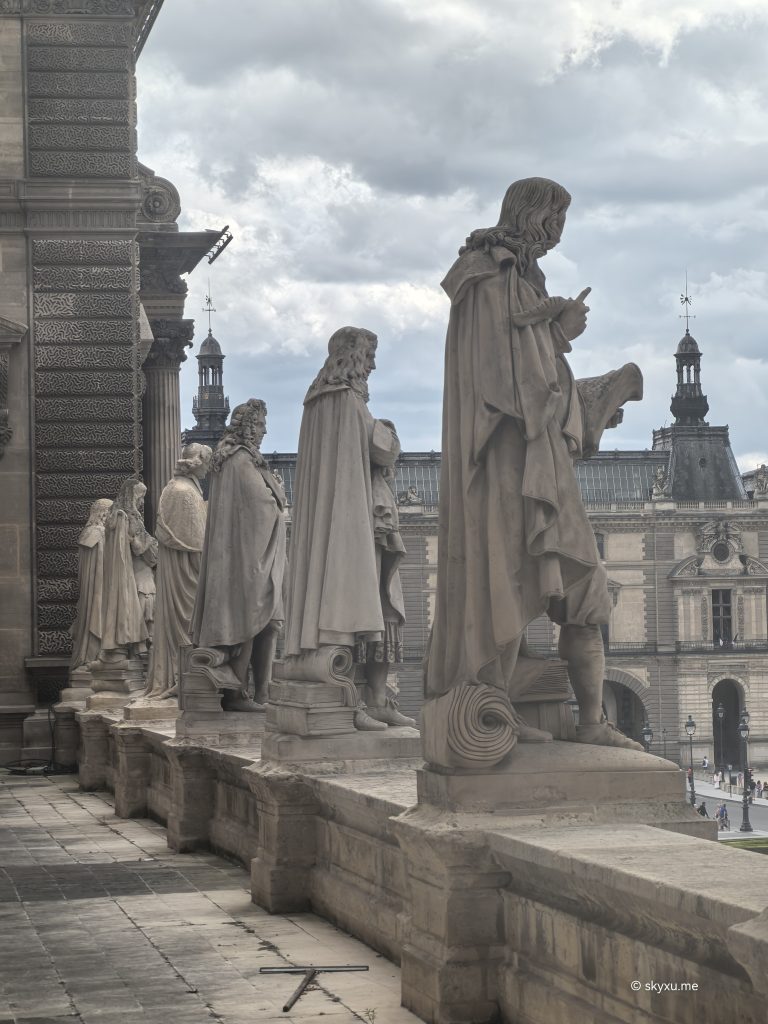
卢浮宫外立面上的人物雕像,让它看起来不像一座单纯的博物馆,更像一座把法国历史、文化和国家记忆都刻在外墙上的宫殿 |
The exterior statues make the Louvre feel less like a standalone museum and more like a palace whose walls carry French history, culture, and state memory.
卢浮宫名作:从课本到眼前 / Louvre icons: textbook images at real distance
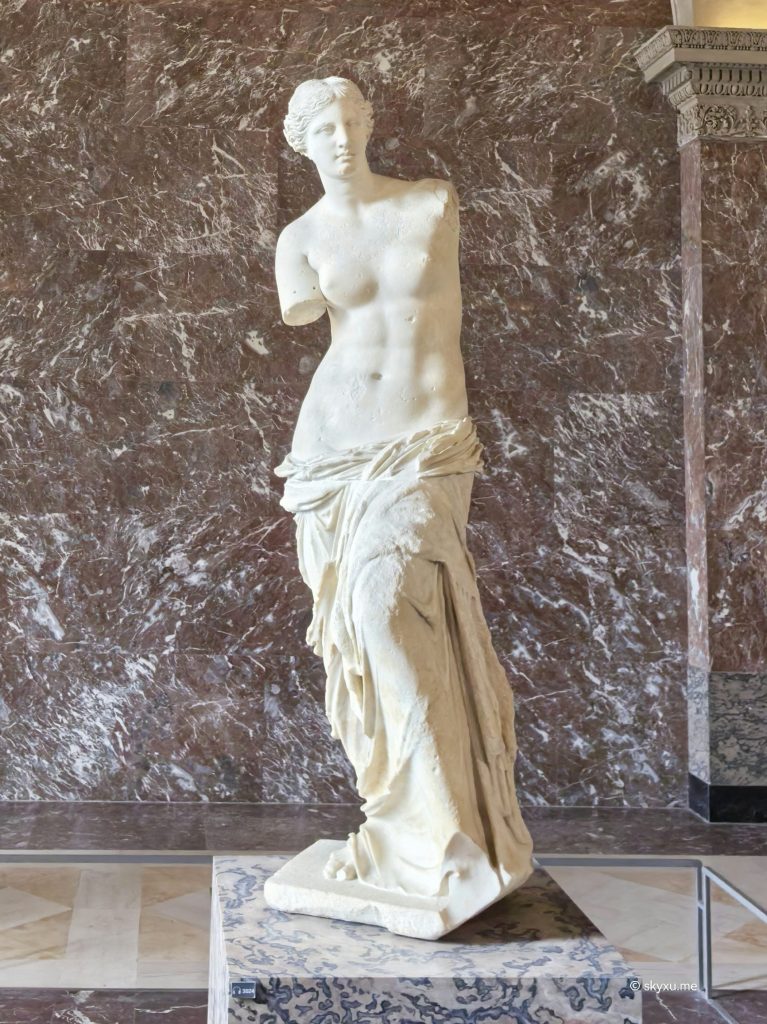
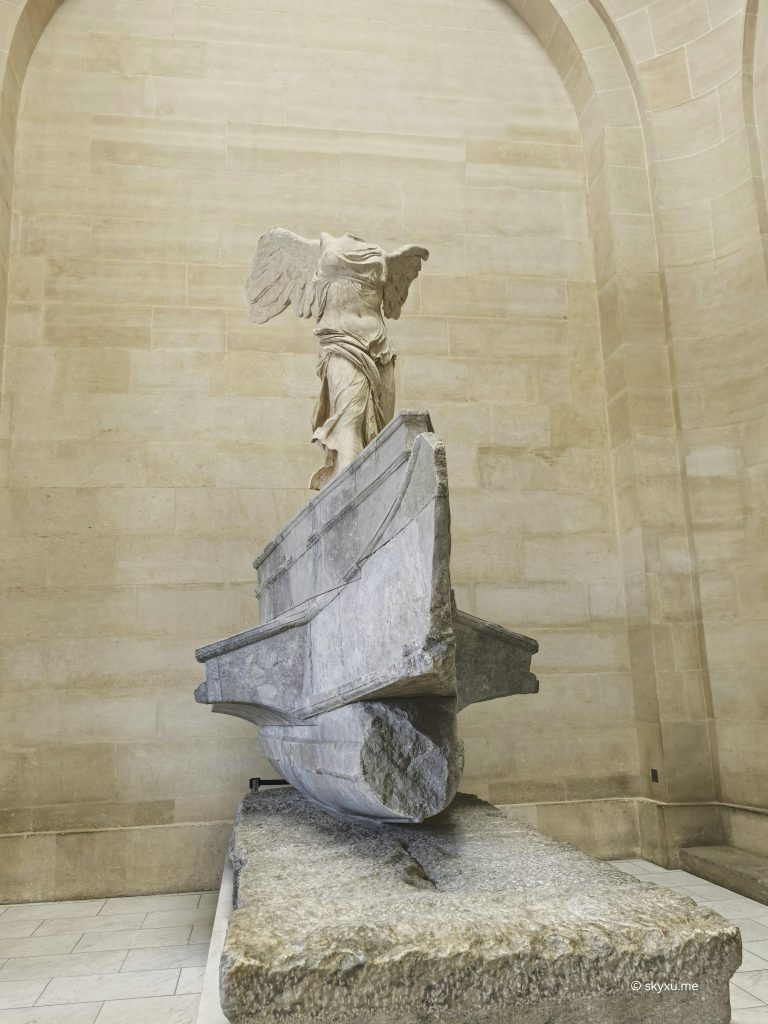
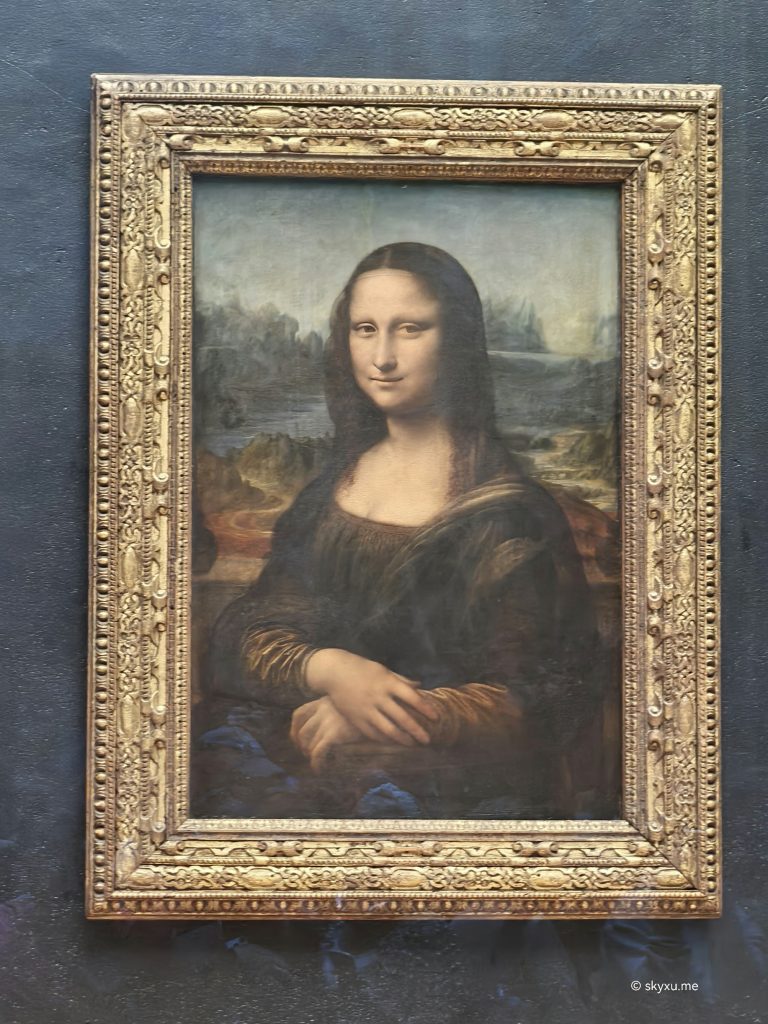
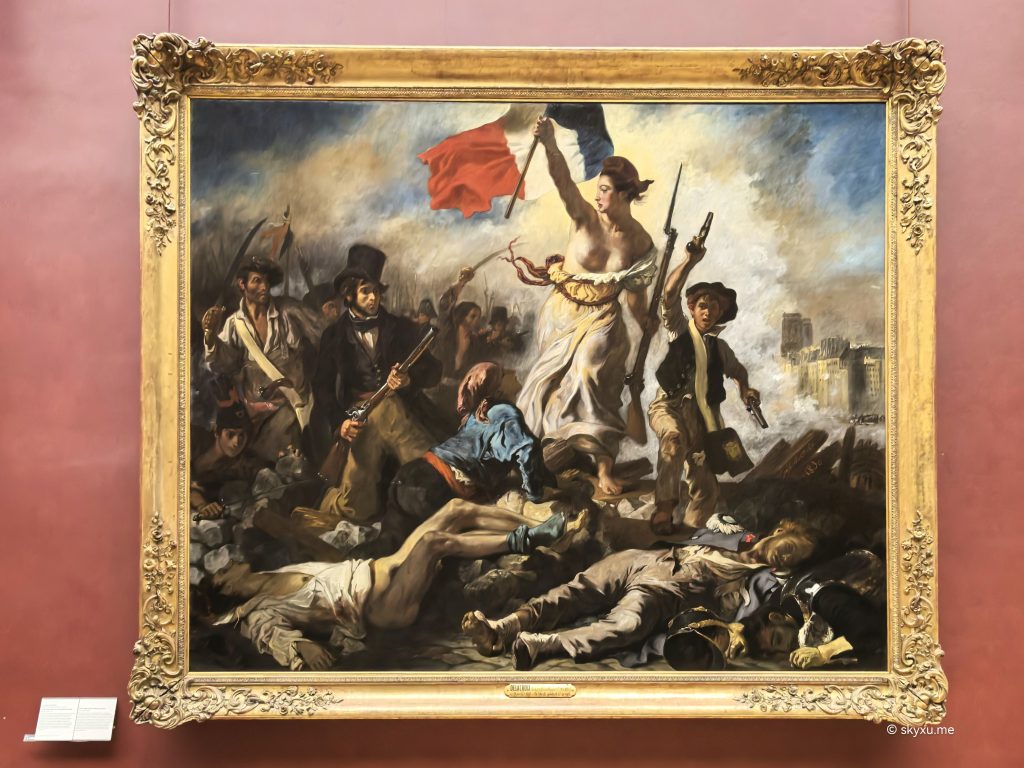
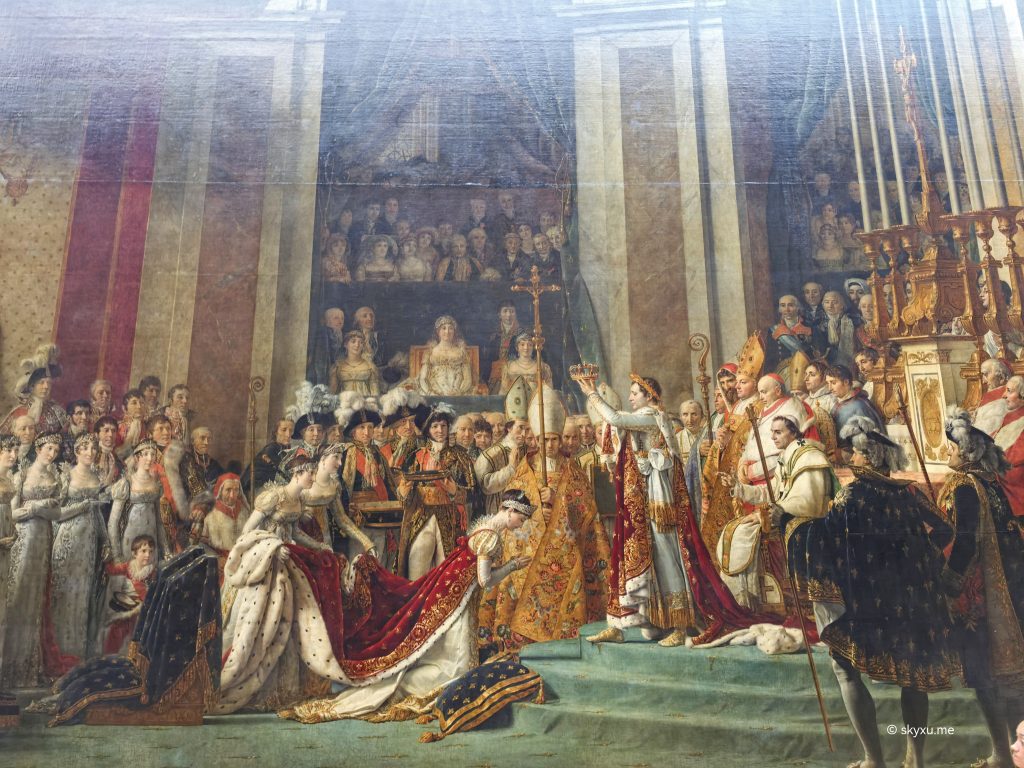
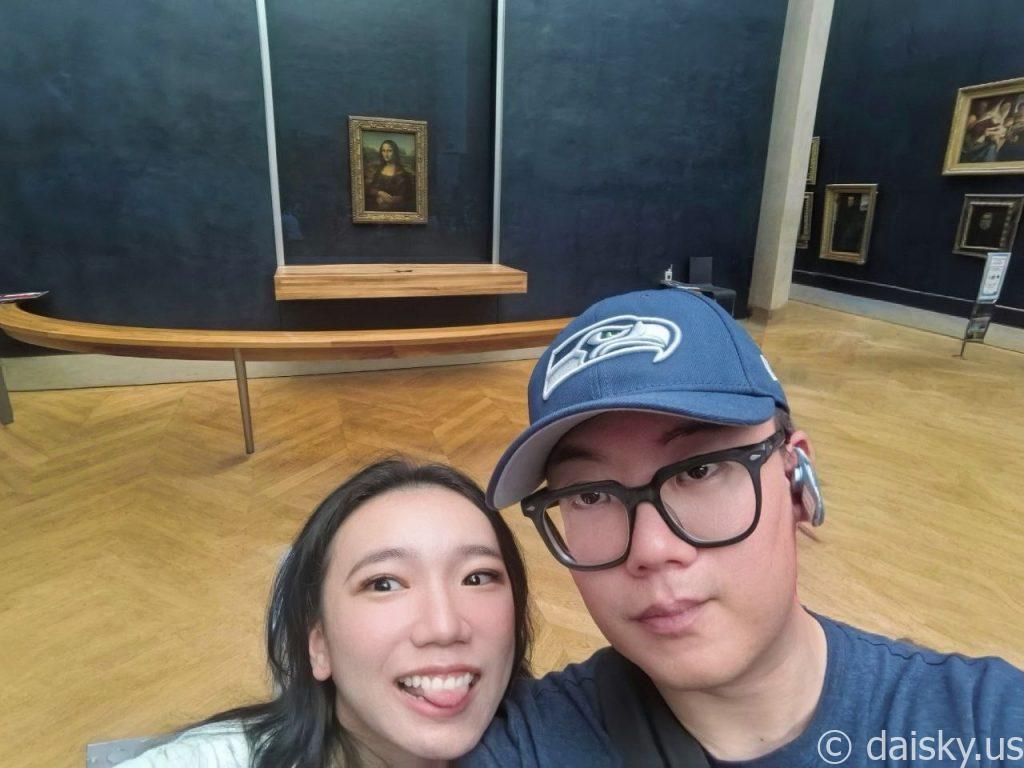
卢浮宫第一组照片,最像是把课本和屏幕里的名作,一件件还原成眼前的真实物体。断臂维纳斯、蒙娜丽莎、《自由引导人民》、《拿破仑加冕》、胜利女神,其实早就看过无数次;但真正站到它们面前,才会重新意识到尺寸、距离和现场人群都不是图片能交代清楚的东西。
这几件作品放在同一天里看,也有一种很奇妙的反差。维纳斯和胜利女神明明都有缺失,却反而因为这些空白更让人记住;蒙娜丽莎本身安静得出奇,外面一圈举着手机的人群倒像成了展品的一部分;《自由引导人民》和《拿破仑加冕》则完全是另一种能量,画面一铺开,整个房间都变成了政治和历史的剧场。
The first Louvre group felt like watching textbook and screen images turn back into real objects. Venus de Milo, Mona Lisa, Liberty Leading the People, Napoleon’s Coronation, and Winged Victory were all familiar long before the trip; but standing in front of them makes you realize that scale, distance, and the crowd around a work are things no reproduction can fully explain.
Seen on the same day, they also make a surprisingly interesting contrast. Venus and Winged Victory are both incomplete, yet those missing parts make them even more memorable. Mona Lisa herself is almost startlingly quiet, while the ring of people holding up phones becomes part of the spectacle. Liberty Leading the People and Napoleon’s Coronation carry a different kind of force: once those canvases fill the room, the gallery turns into a theatre of politics and history.
倒金字塔:走进《达芬奇密码》 / Inverted pyramid: stepping into The Da Vinci Code
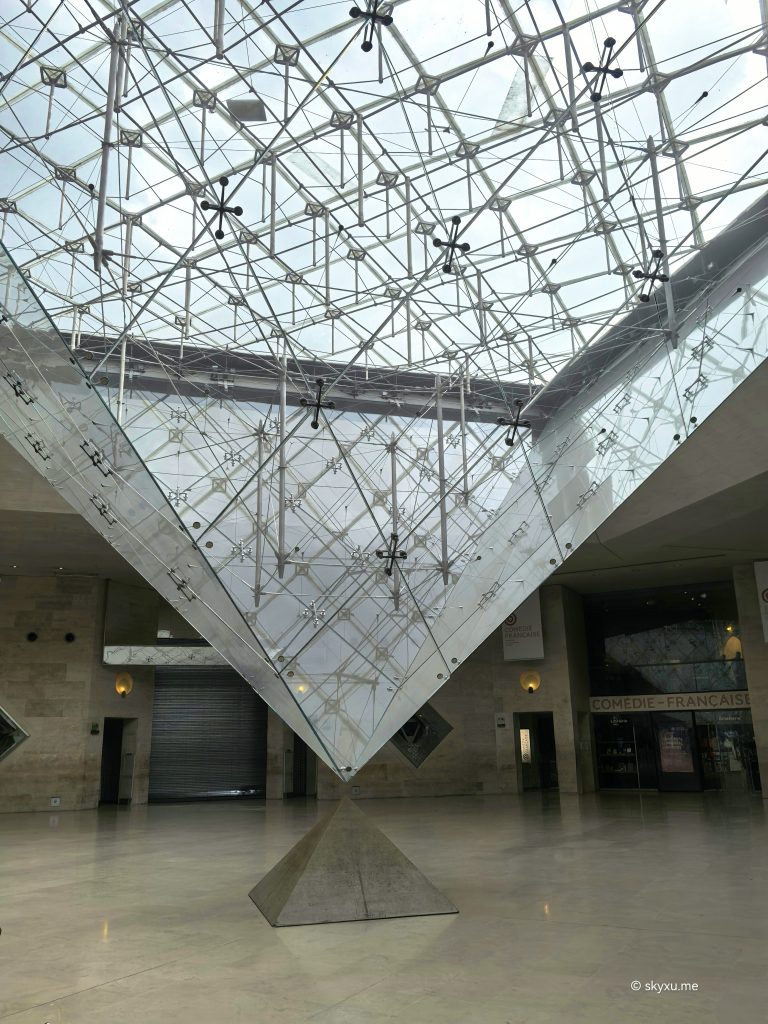
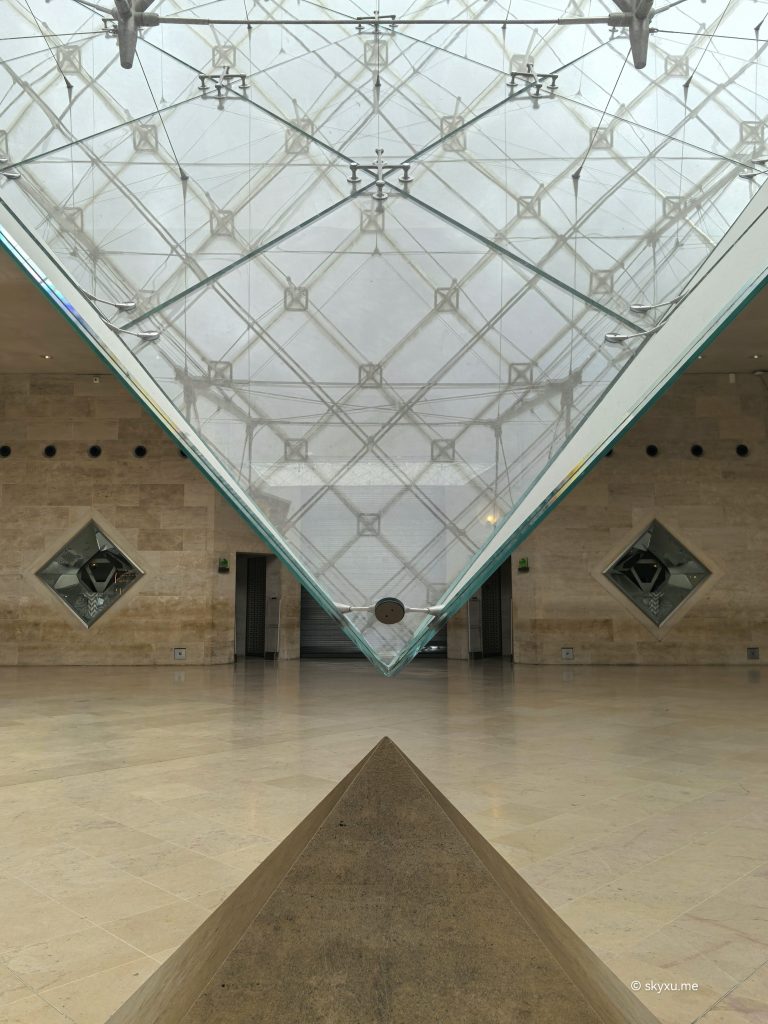
倒金字塔最有意思的地方,不是它本身多像古埃及,而是它会把人一下带回《达芬奇密码》的结尾。在小说里,兰登最后回到卢浮宫,意识到倒置的玻璃金字塔和下方的小石金字塔形成一组象征:一个像向下的“圣杯”,一个像向上的“刀锋”。丹·布朗把这个空间写成最终谜底附近的地点,让“圣杯 / 抹大拉的玛利亚”的虚构线索重新落回卢浮宫地下。
当然,这不是历史考证,而是小说和电影制造出的流行文化记忆。可旅行里有些瞬间正是这样发生的:一个真实空间,本来只是博物馆入口和建筑改造的一部分,却因为读过的故事突然多了一层私人联想。站在倒金字塔前,脑子里很难不自动响起“哦,原来就是这里”。
The most interesting thing about the inverted pyramid is not that it resembles ancient Egypt, but that it immediately brings back the ending of The Da Vinci Code. In the novel, Langdon returns to the Louvre and realizes that the downward glass pyramid and the small stone pyramid below form a symbolic pair: one like the chalice, one like the blade. Dan Brown turns this space into the place near the final mystery, bringing the fictional trail of the Holy Grail and Mary Magdalene back beneath the Louvre.
This is not historical evidence, of course. It is a pop-cultural memory created by novel and film. But travel often works exactly this way: a real space, originally part of a museum entrance and architectural renovation, suddenly gains a private layer because of a story we once read or watched. Standing before the inverted pyramid, it is hard not to think, “Oh, so this is the place.”
狮身人面像:卢浮宫的时间突然拉长 / Sphinx: the Louvre’s timeline suddenly stretches
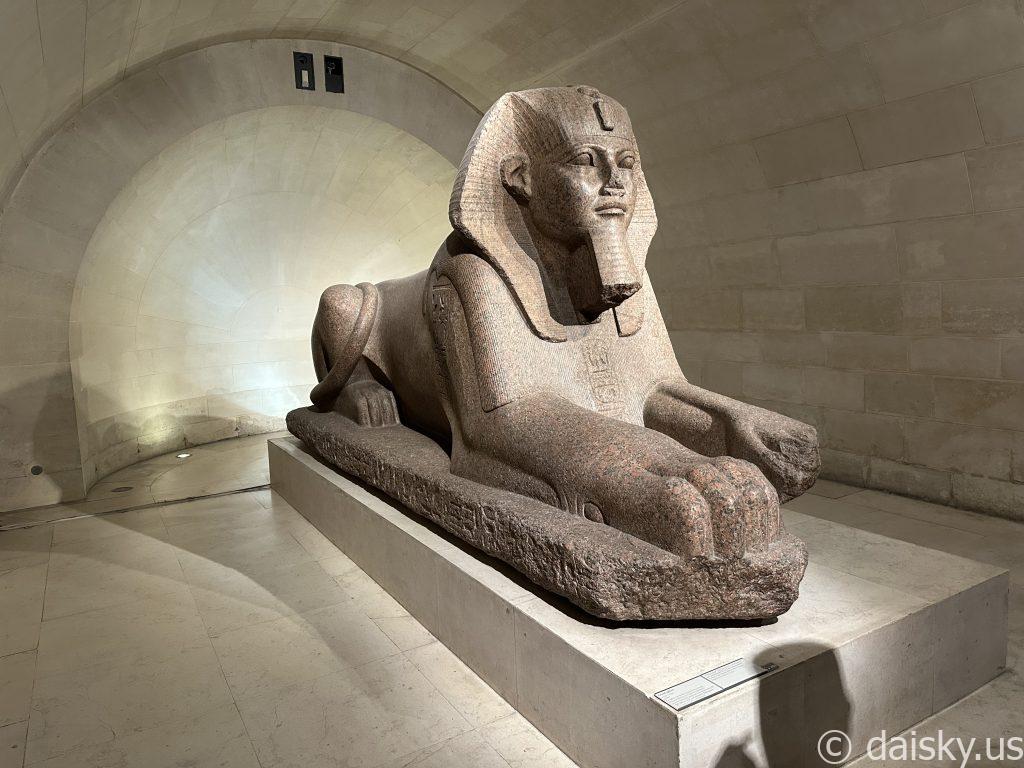
离开倒金字塔,卢浮宫很快又把人带到另一个完全不同的时间层。刚刚还是现代玻璃建筑和小说谜题,转角就进入古埃及。狮身人面像把卢浮宫的跨度一下拉开:这里不只是欧洲绘画和法国历史,也是一座把不同文明碎片集中到巴黎的巨大容器。
这只来自 Tanis 的狮身人面像站在那里,很像埃及馆入口的守门者。它提醒人,卢浮宫里的“历史”不是从法国开始的,也不会停在法国。一天之内,从玻璃金字塔的流行文化记忆走到古埃及石像,这种跳跃本身就是卢浮宫很夸张的地方。
After the inverted pyramid, the Louvre quickly moves into a completely different layer of time. One moment it is modern glass architecture and a fictional mystery; around the corner it is ancient Egypt. The Sphinx stretches the museum’s timeline at once: the Louvre is not only European painting and French history, but a vast container of civilizations gathered into Paris.
The Sphinx of Tanis feels almost like a gatekeeper to the Egyptian collection. It reminds visitors that “history” inside the Louvre does not begin with France, and does not end there either. Moving in one day from the pop-cultural memory of the glass pyramid to an ancient Egyptian stone figure is exactly the kind of leap that makes the Louvre feel almost excessive
杜乐丽和卢浮宫外侧:从博物馆回到城市 / Tuileries: from museum back to city
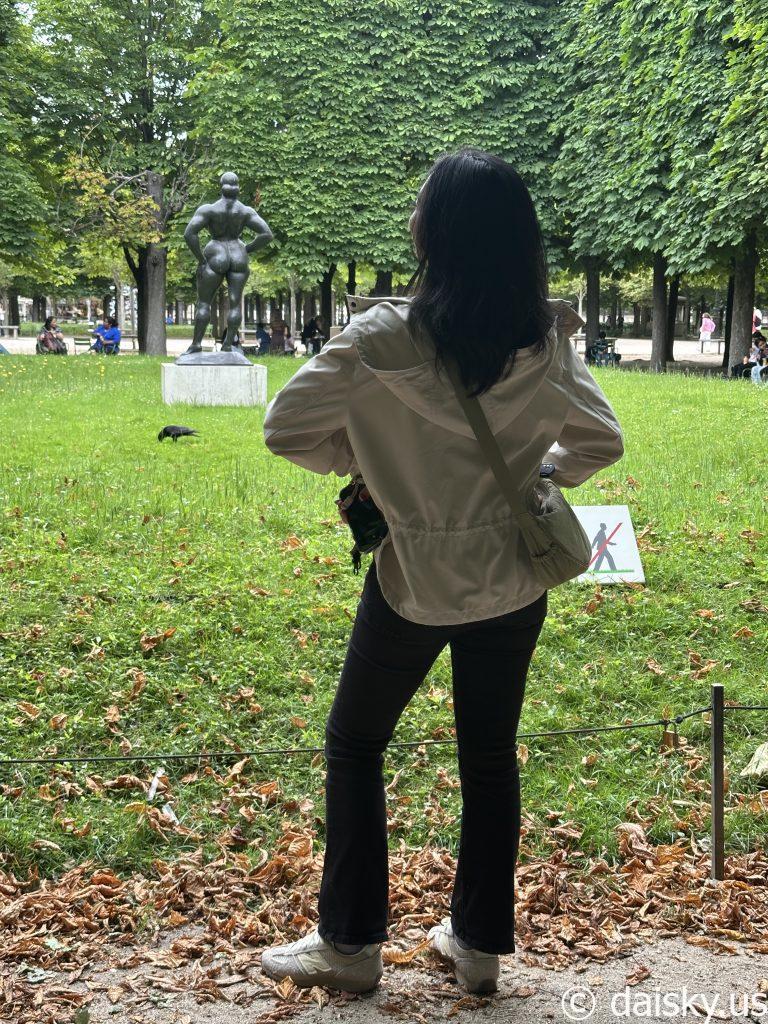
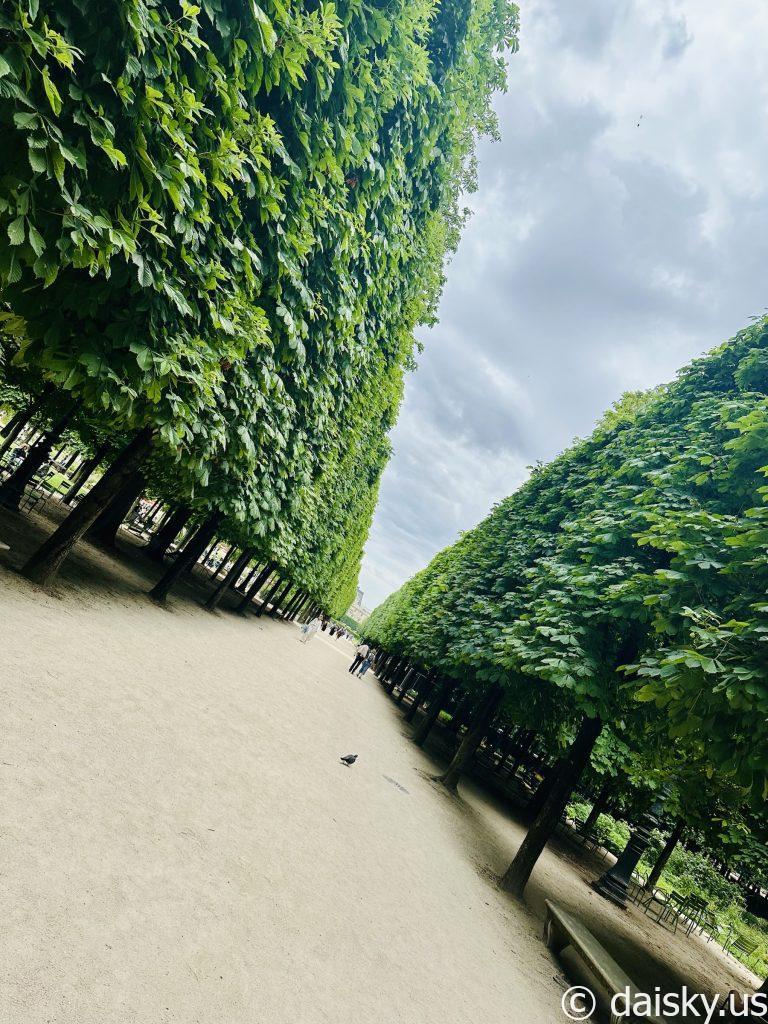
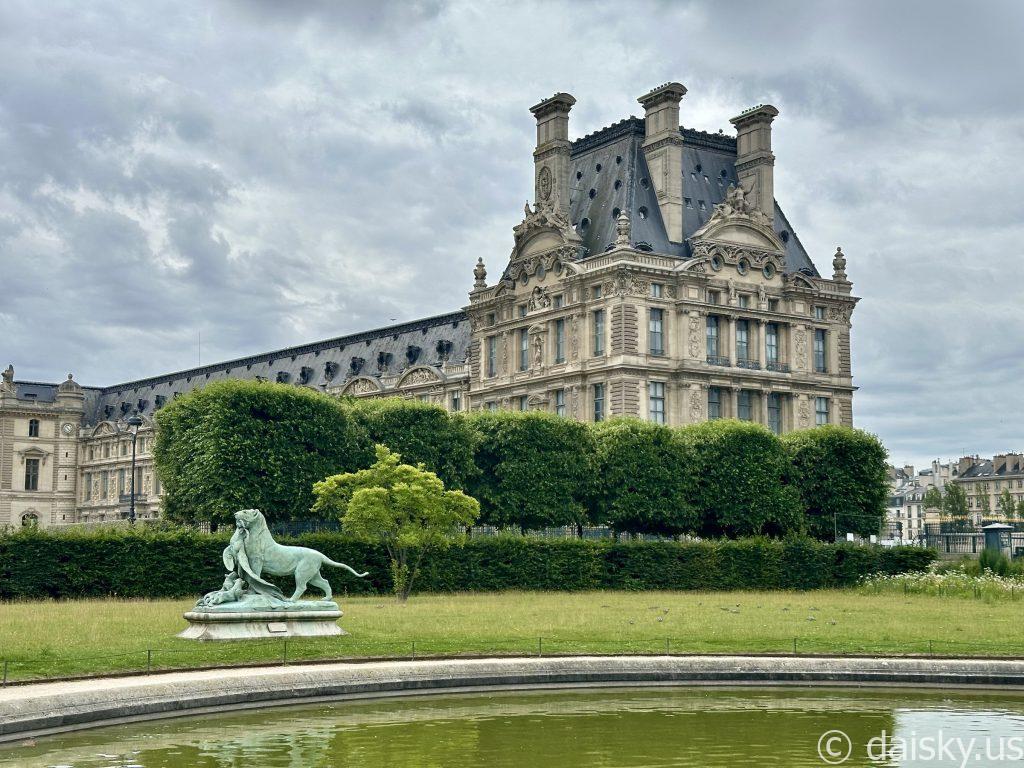
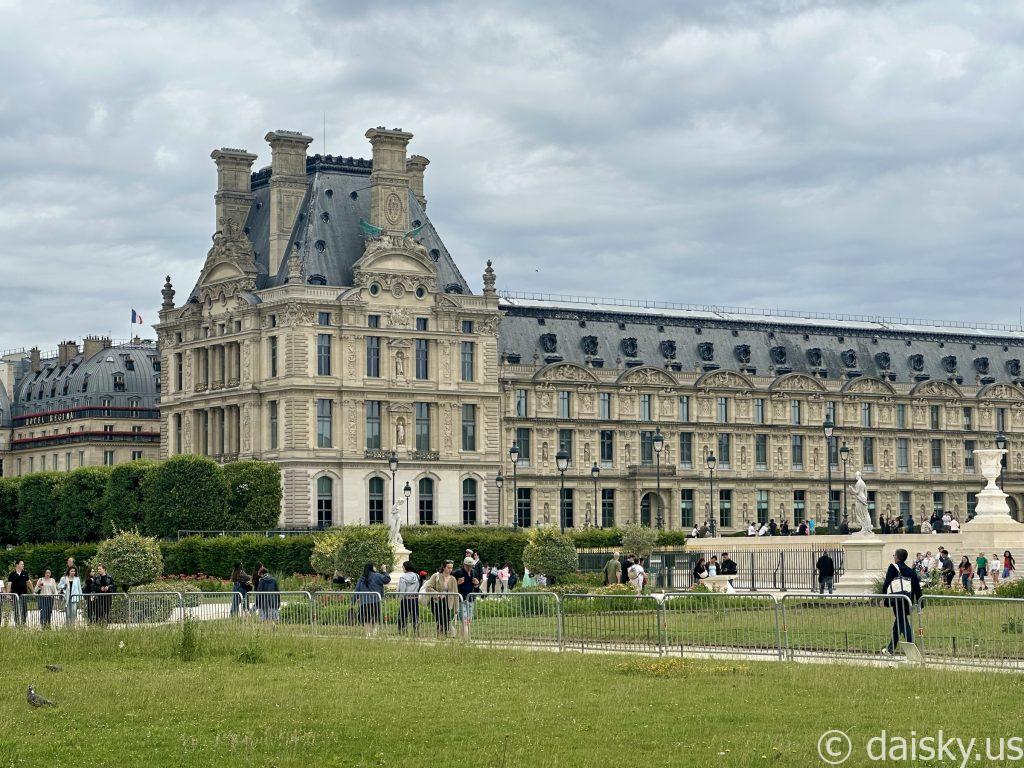
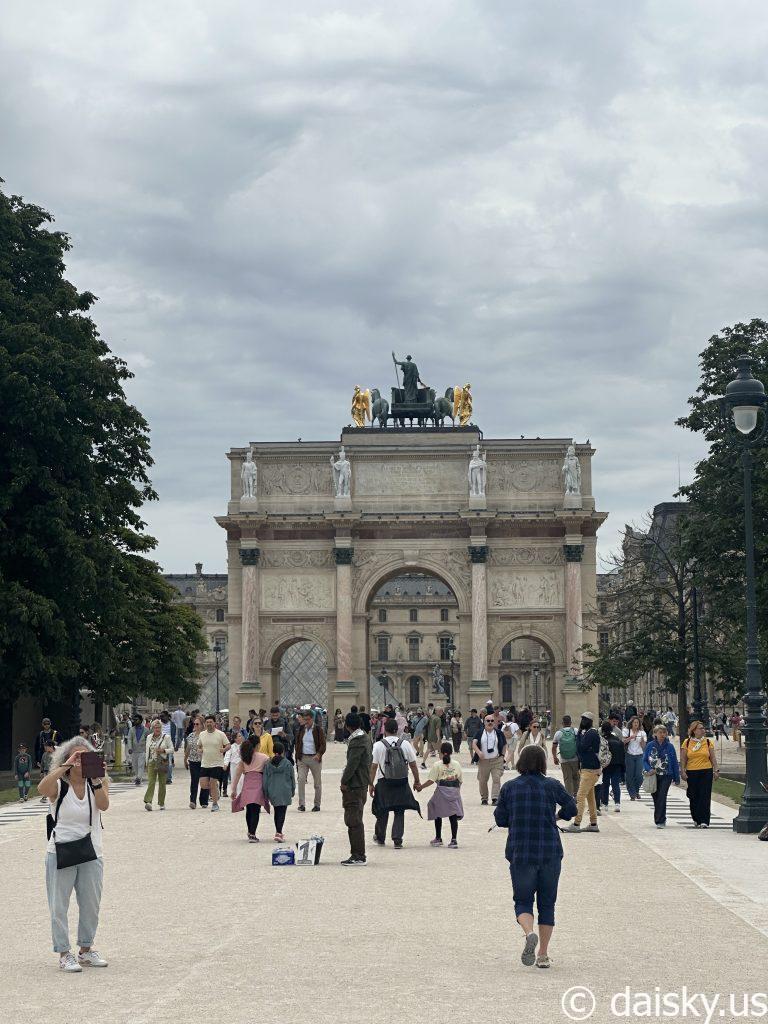
从卢浮宫出来,杜乐丽花园让大脑缓一口气。树篱、碎石路、鸽子、小凯旋门、宫殿外立面和一点游客式构图,把巴黎从“名作密度过高”切回“可以散步的城市”。从花园回看卢浮宫北侧/西北侧外墙,会发现它不像一栋孤立的博物馆,更像一整片宫殿边界。
After the Louvre, Tuileries Garden lets the mind breathe. Hedges, gravel paths, pigeons, the Arc de Triomphe du Carrousel, palace façades, and a playful tourist pose shift Paris from “too many masterpieces” back into a walkable city. Looking back from the garden toward the Louvre’s north/north-west exterior, the building feels less like a standalone museum and more like a long palace edge.
Cocorico 和塞纳河帽子事件 / Cocorico, then the Seine takes a hat
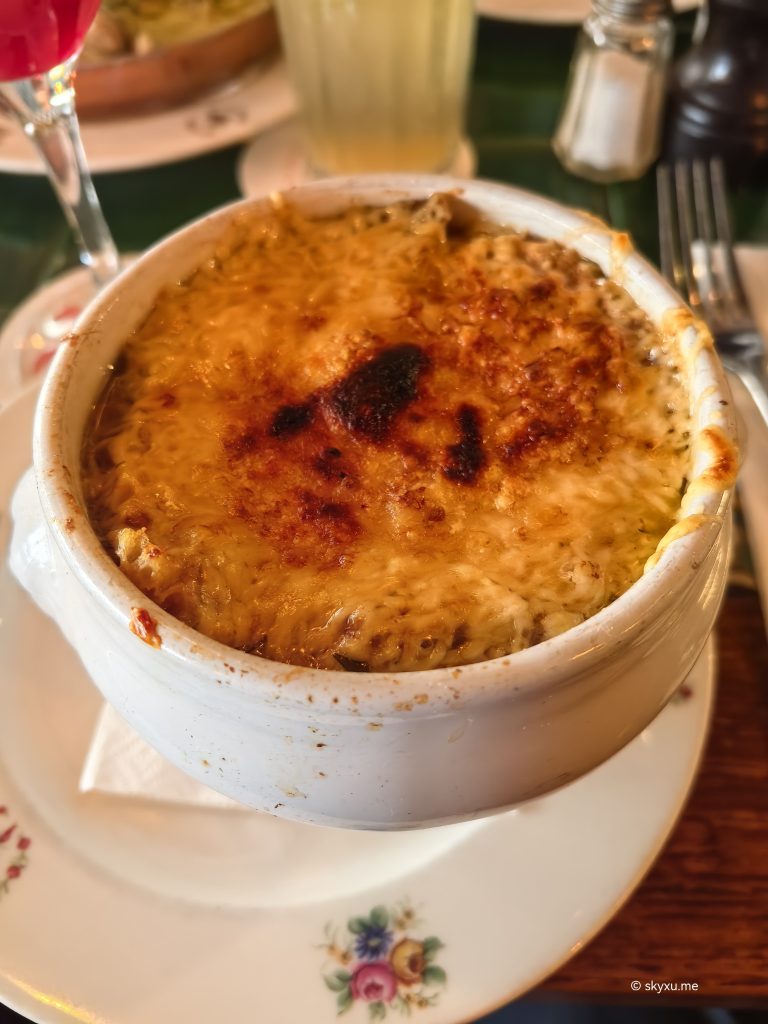
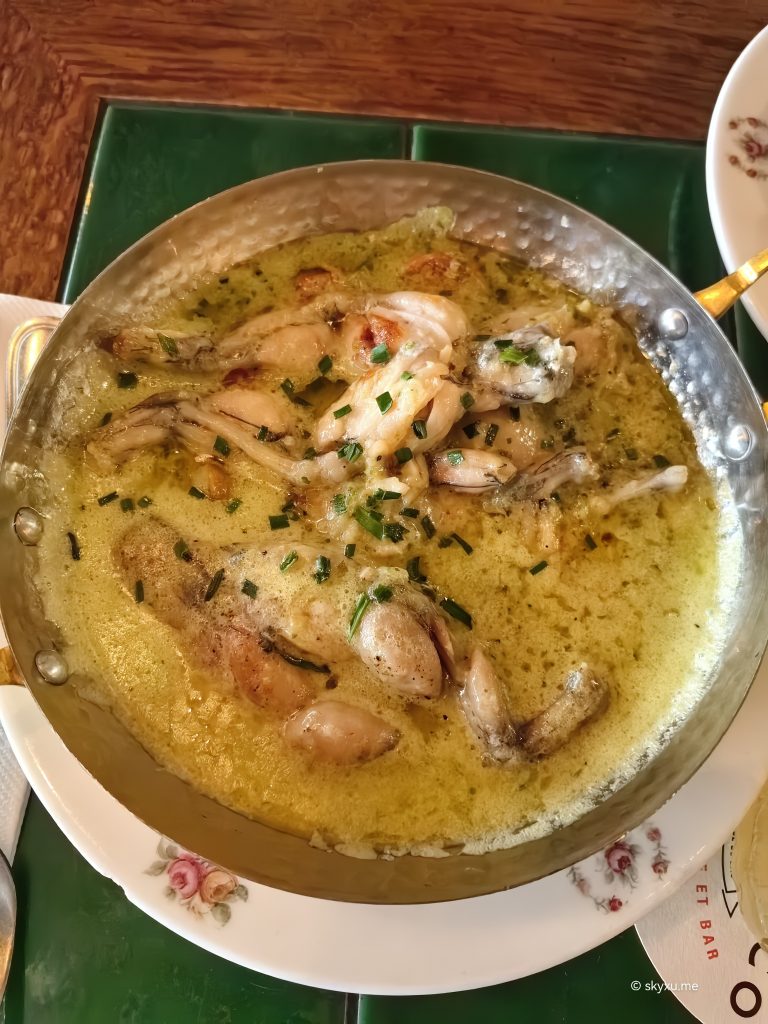
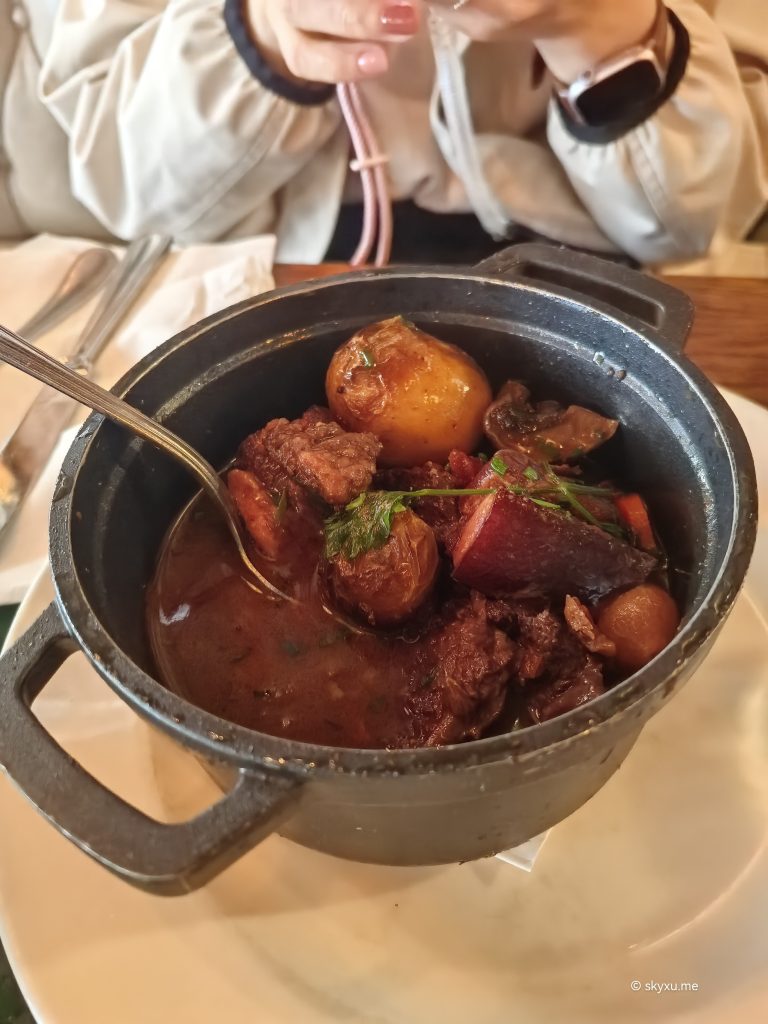
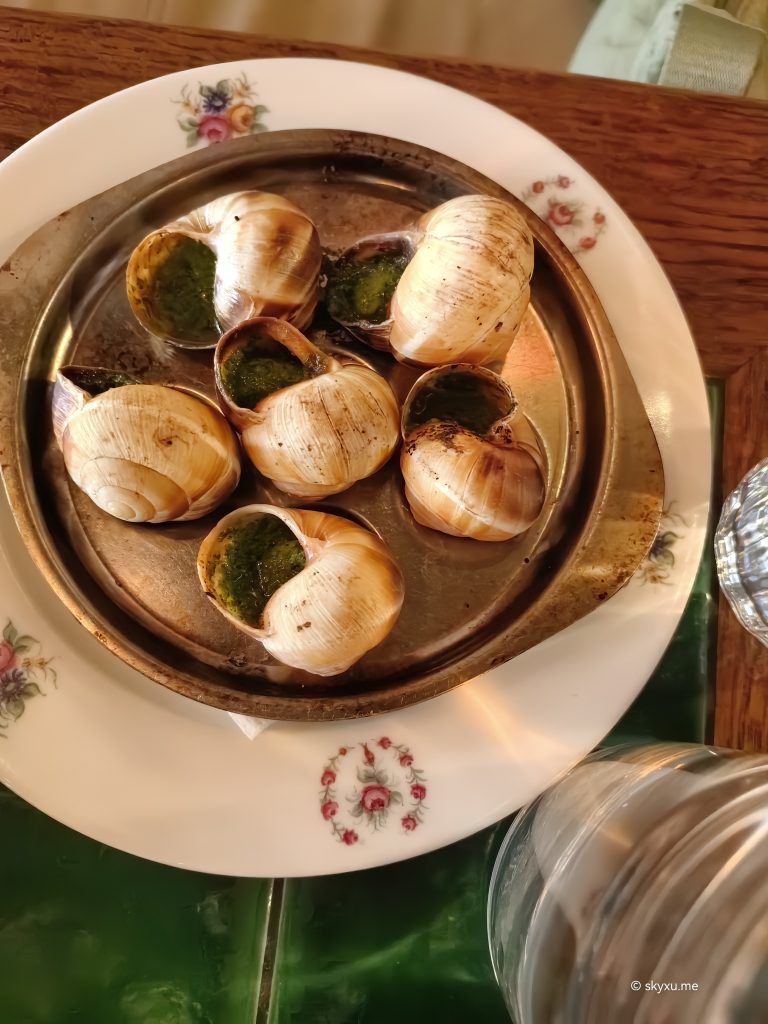
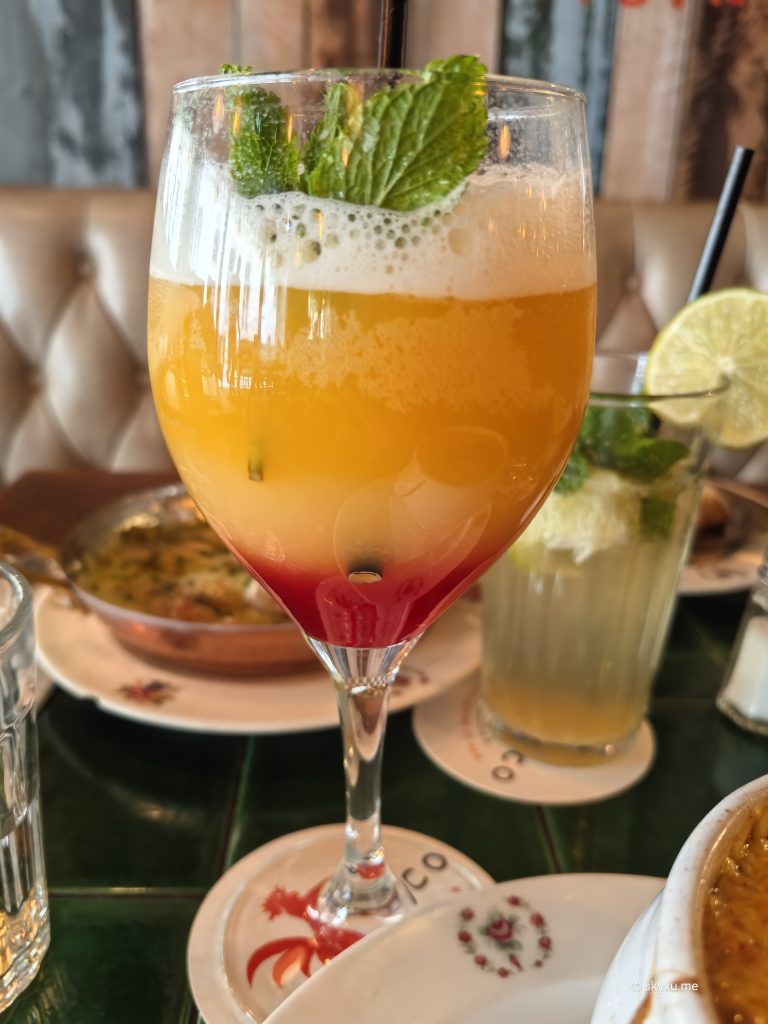
晚餐在 Cocorico,桌面看起来很巴黎:洋葱汤、蜗牛、田鸡腿、两杯上镜的饮料,还有一锅勃艮第牛肉。只是味道一般,更像景点周边会出现的那种“经典法餐”。
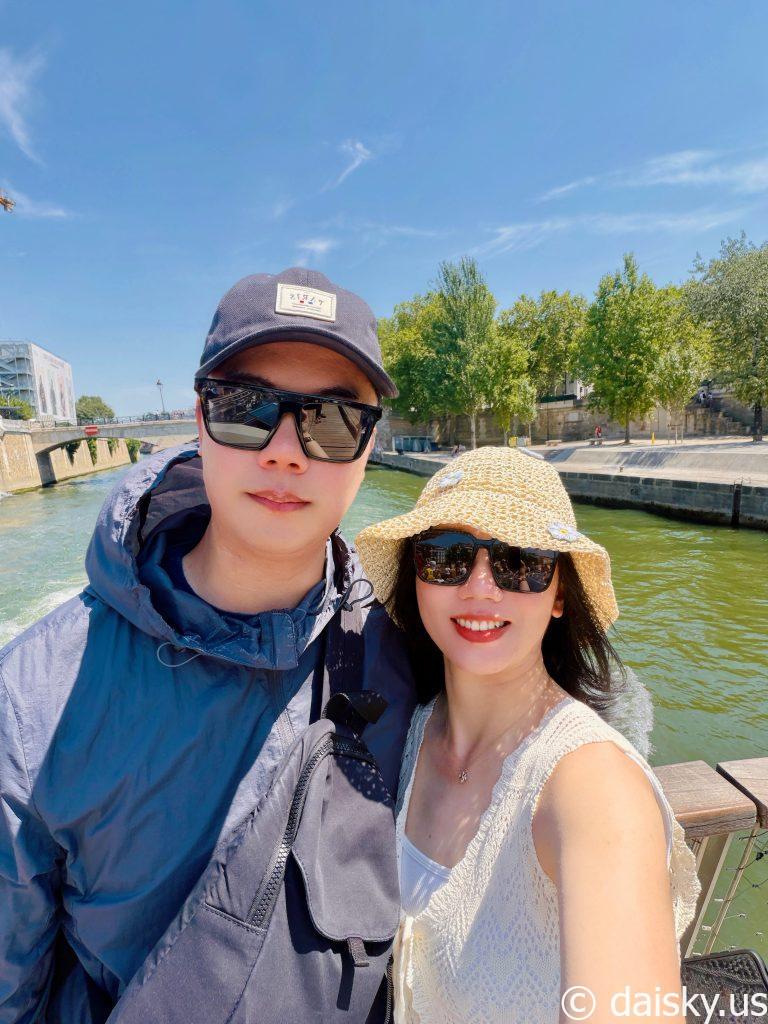
这天真正的结尾发生在回酒店路上。一路上我们对巴黎扒手千防万防,挫败了三次疑似扒窃尝试;可人算不如天算,最终还是丢了一顶 Seahawks 超级碗夺冠纪念版帽子——在巴黎夜不黑但风高的第一晚,它被风吹进了塞纳河。巴黎没能偷走我口袋里的东西,却抢走了我头顶上的。
Dinner at Cocorico looked very Paris: onion soup, escargots, frog legs, photogenic drinks, and a beef stew. The taste was only average, more “near a major attraction” than memorable meal.
The real ending came on the way back to the hotel. We had been watching for Paris pickpockets the whole time and had dodged three suspicious attempts along the way; but people plan, and weather laughs. In the end, the only thing we lost was a Seattle Seahawks Super Bowl championship hat — on our first Paris night, not dark but very windy, it was blown straight into the Seine.
Paris did not pick my pocket. It took my hat.
BigBus 开场:Opéra、玛德莲和远处的圣心堂 / BigBus opening: Opéra, La Madeleine, Sacré-Cœur
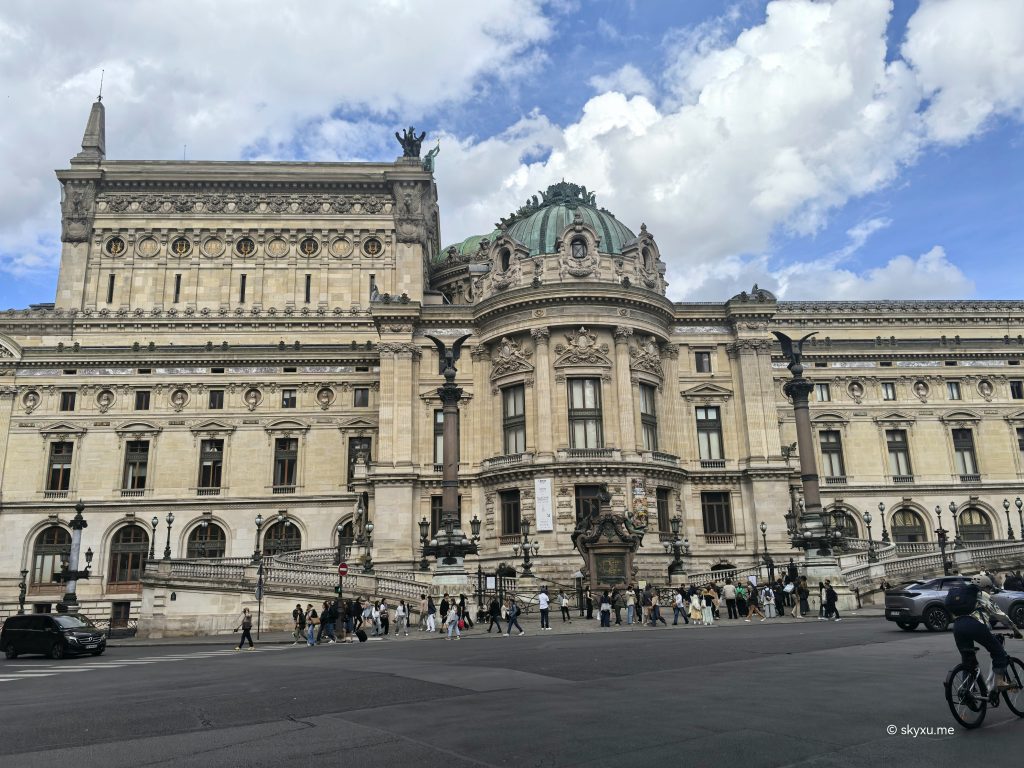
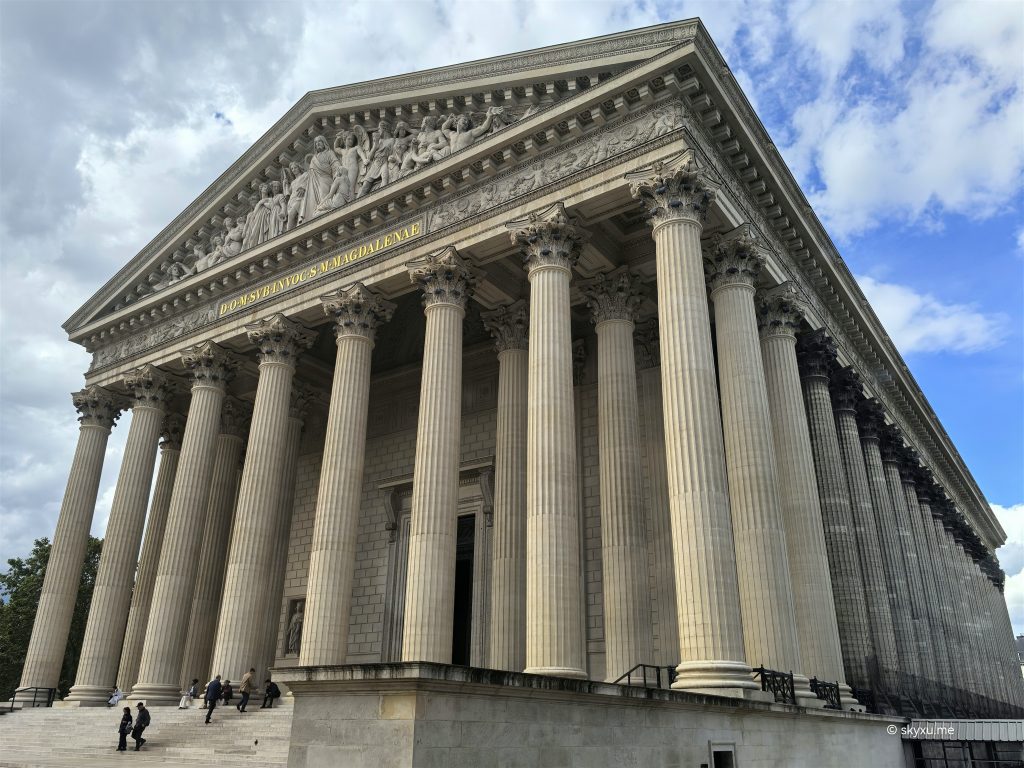
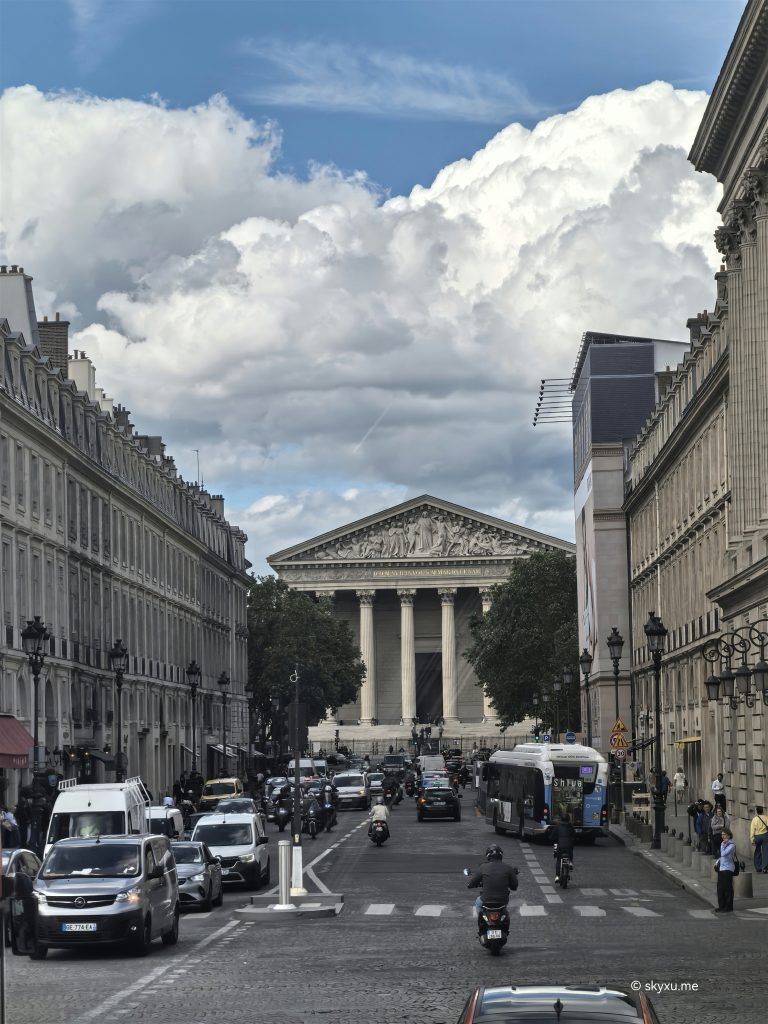
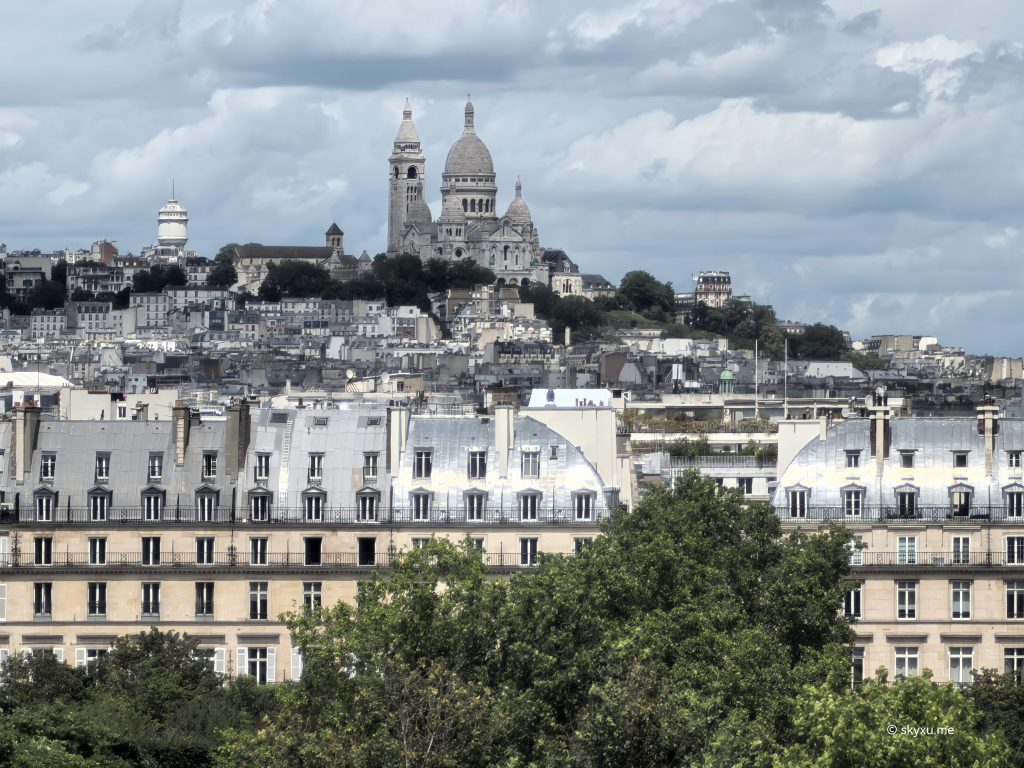
第二天主要是在观光车上看巴黎。从 Opéra 附近出发时,加尼叶歌剧院先从车窗里出现,像是这趟城市巡游的开场;接着是玛德莲教堂,古希腊神庙一样的柱廊突然立在巴黎街头;圣心堂则没有真正上去,只是远远地从屋顶线后面露出来。这一天的真实感受也差不多如此:有些巴黎地标不是“走进去”的,而是在车开过时短暂地进入视野。
The second Paris day was Paris in motion. Starting near Opéra, Palais Garnier made the departure point look like an opening scene; La Madeleine looked like a Greek temple in the street; Sacré-Cœur was not visited up close, but seen from afar above the rooftops. That is the honest shape of the day: not every symbol was entered; some belonged to the bus window.
圣母院、新桥和塞纳河边的巴黎 / Notre-Dame, Pont Neuf, and the river city
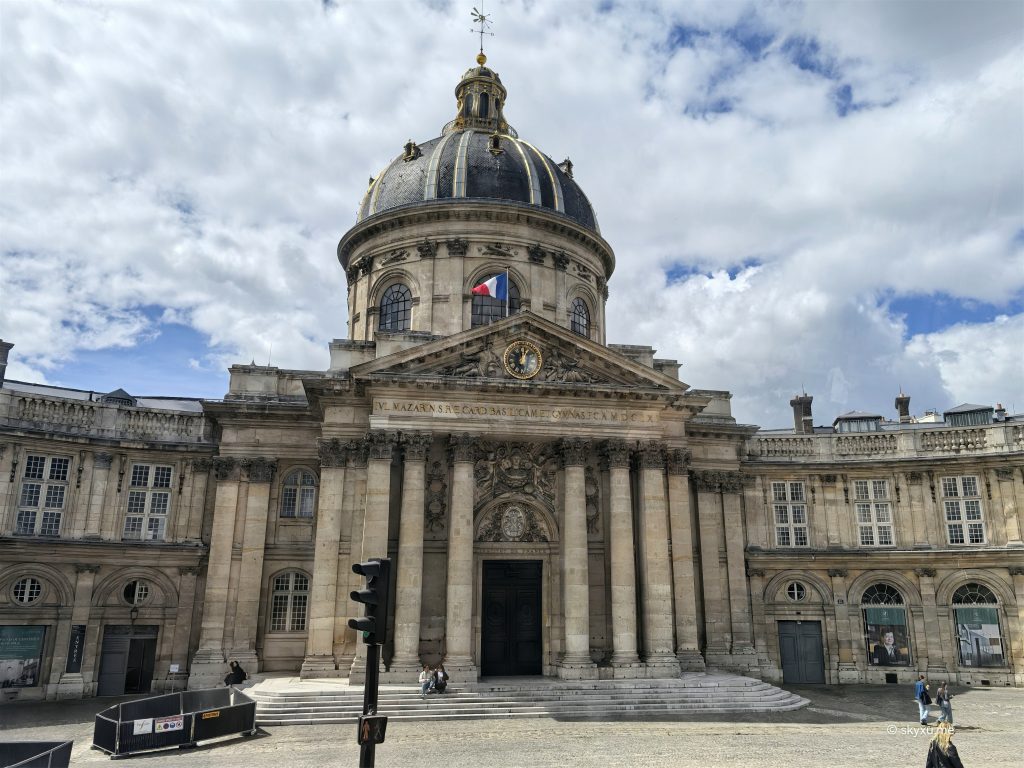
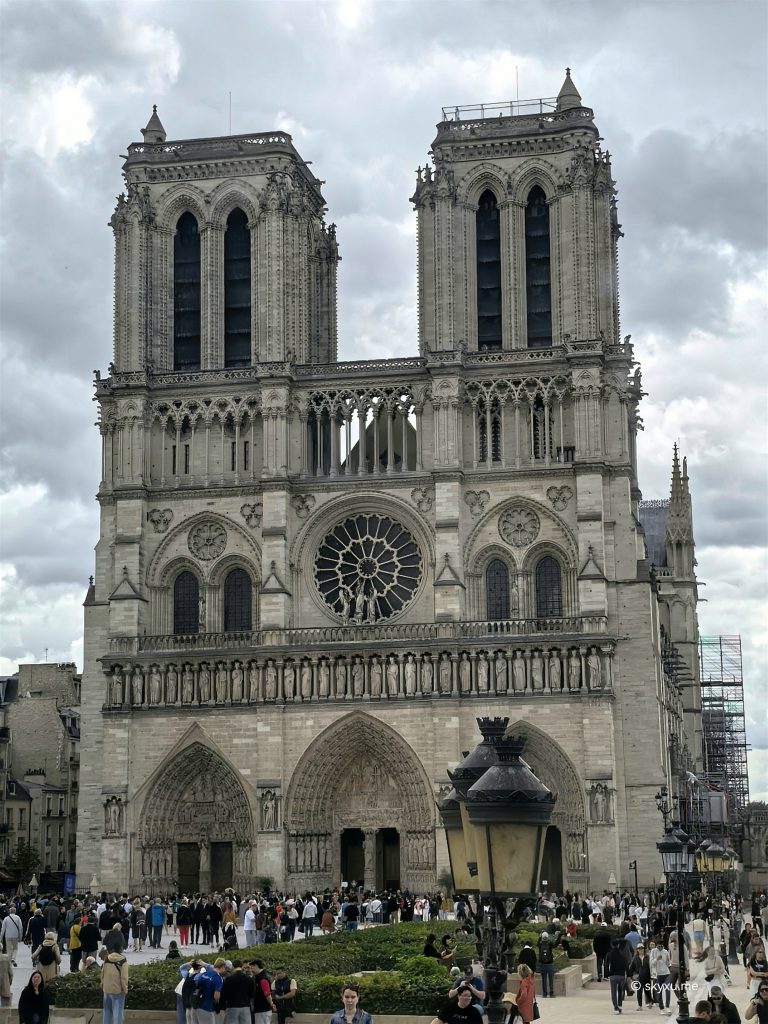
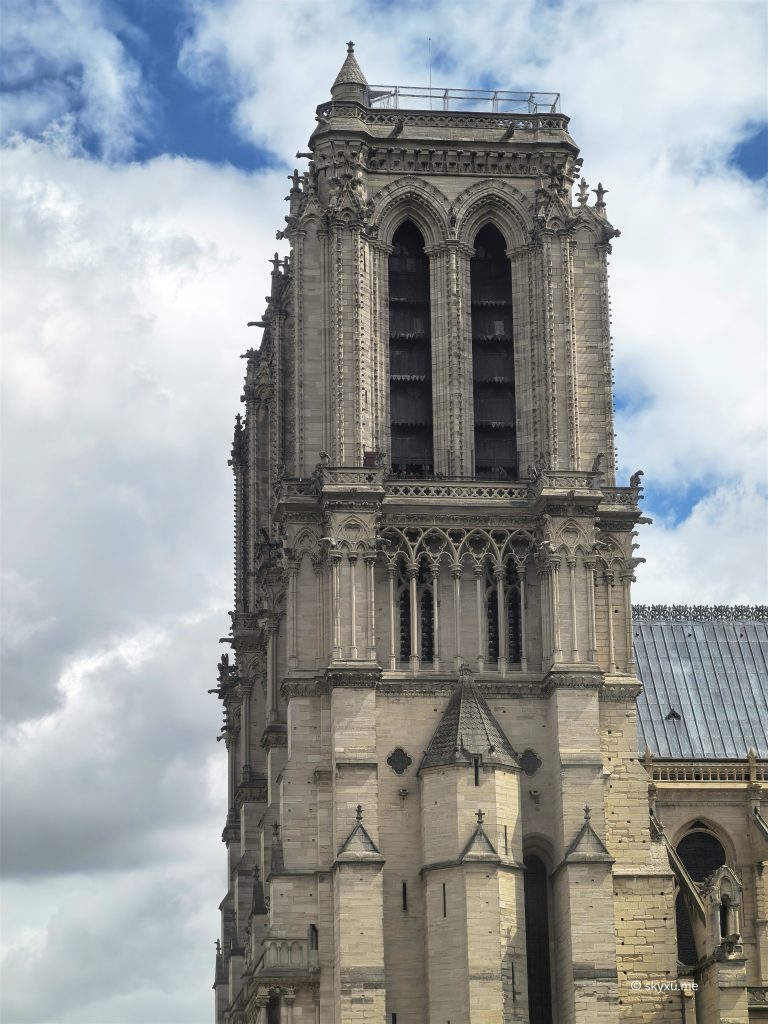
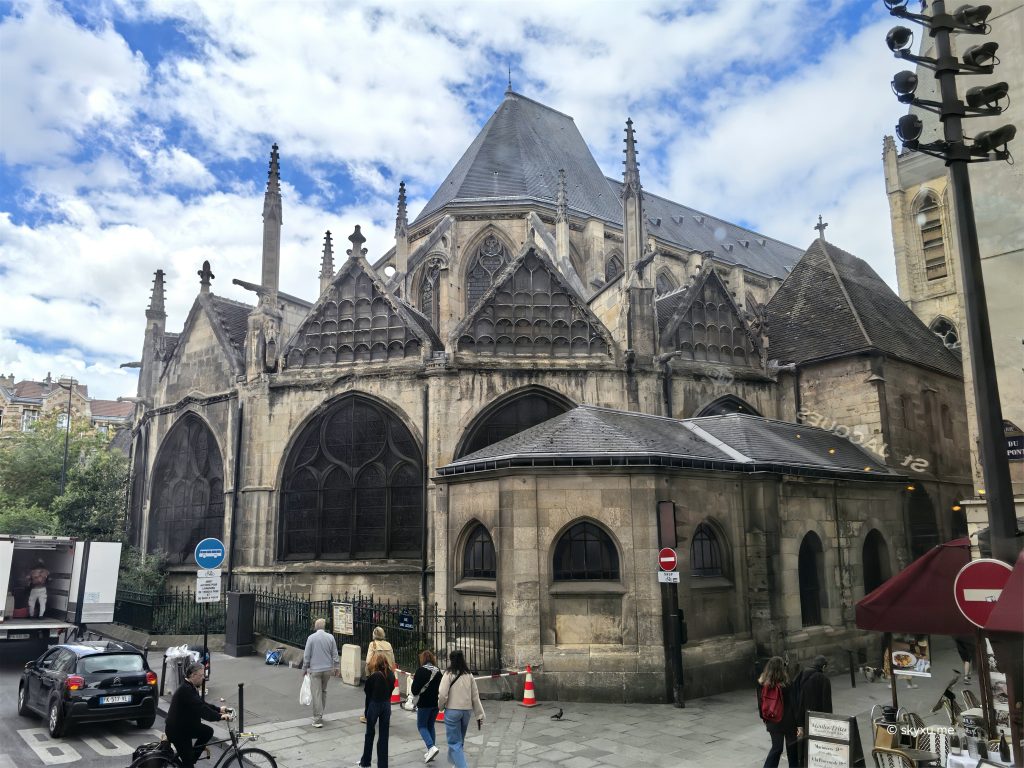
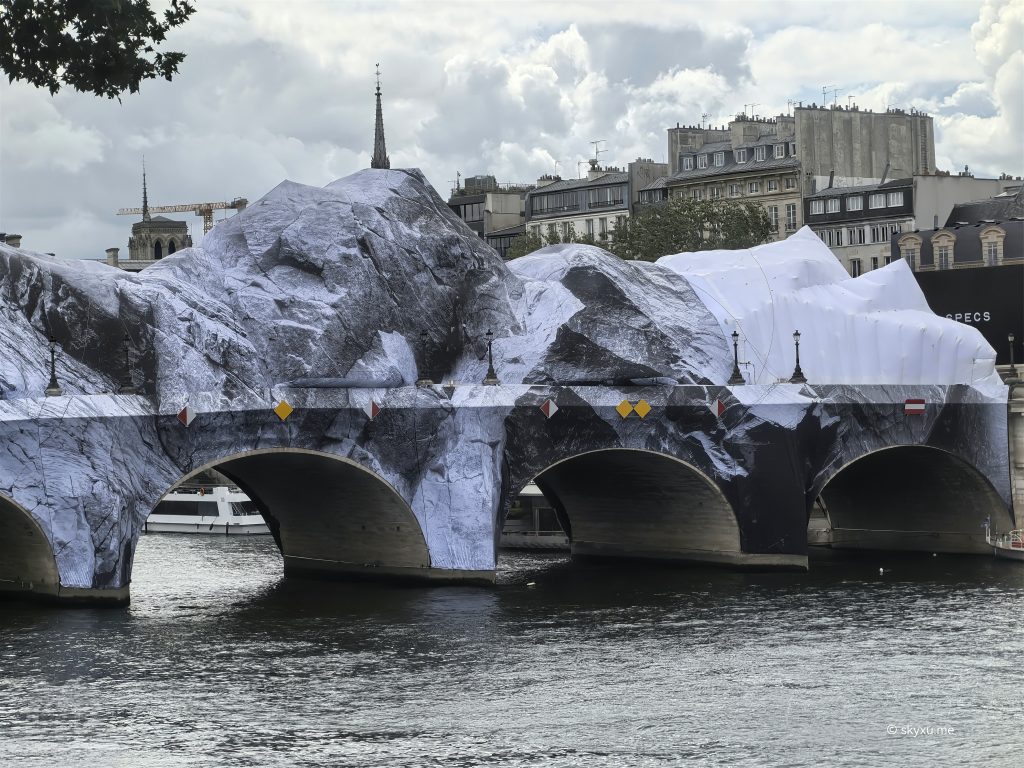
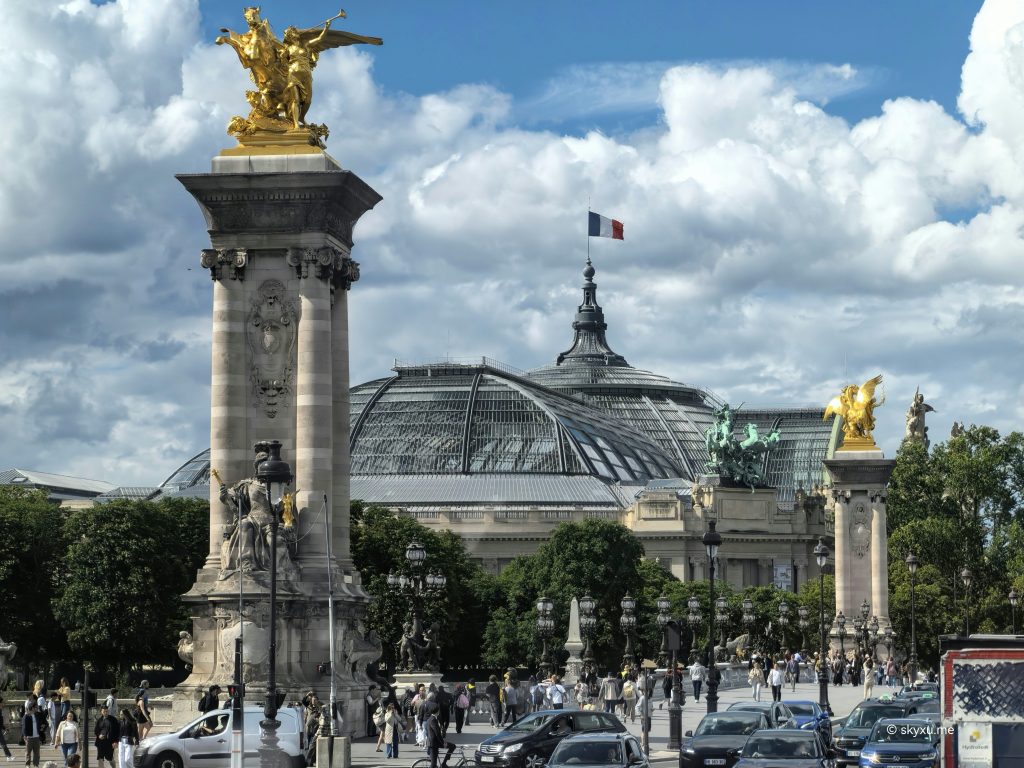
观光车经过塞纳河附近时,巴黎切到河岸和岛屿的频道。法兰西学院的圆顶、圣母院、拉丁区街角、新桥、JR 的洞穴装置、亚历山大三世桥,都不是当天深度参观的对象,却把城市的结构交代出来:桥、河、岛、教堂、学院和公共艺术一起构成巴黎。
Near the Seine, the bus shifted Paris into its river-and-island mode. The dome of the Institut de France, Notre-Dame, a Latin Quarter church corner, Pont Neuf, JR’s cave installation, and Pont Alexandre III were not deep visits that day, but they mapped the city: bridges, river, island, church, academy, and public art all in motion.
荣军院、铁塔、凯旋门和协和广场:路过的符号 / Invalides, Eiffel Tower, Arc, Concorde: symbols passed in motion
观光车继续往前,经过的基本都是巴黎最典型的国家级符号。
This stretch of the bus route passed some of Paris’s most recognizable national symbols.
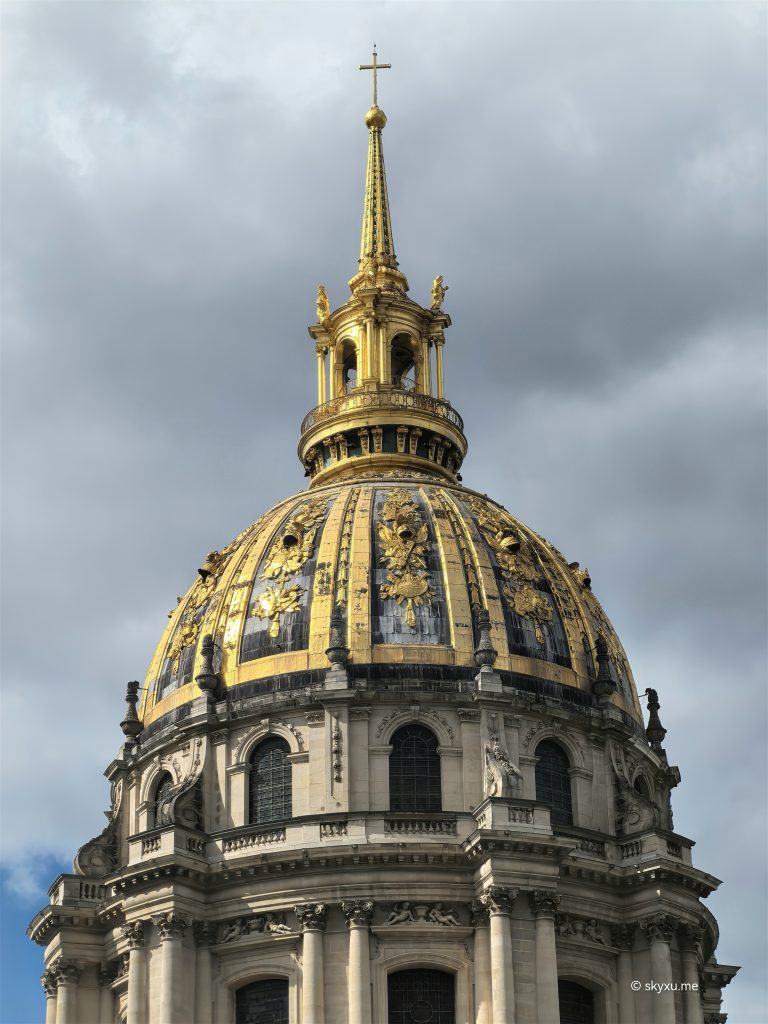
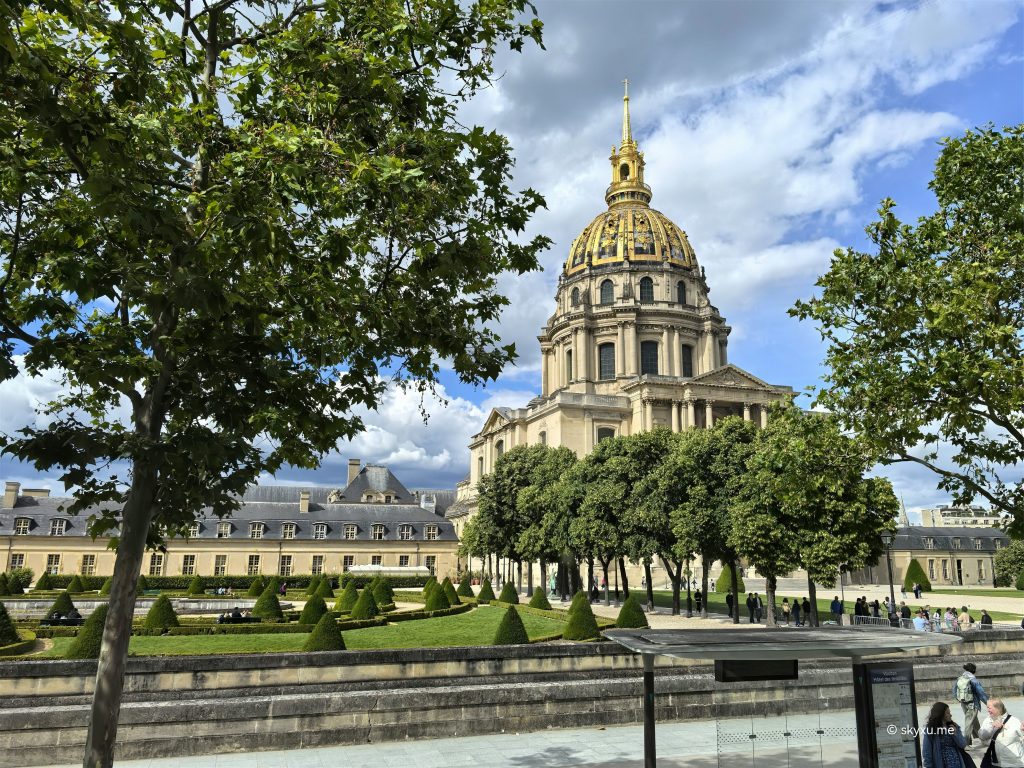
荣军院最早是路易十四为伤残老兵修建的军人医院,金色圆顶下面后来安放了拿破仑的墓。
Les Invalides was originally built under Louis XIV as a hospital and home for wounded soldiers; beneath its golden dome now lies Napoleon’s tomb.
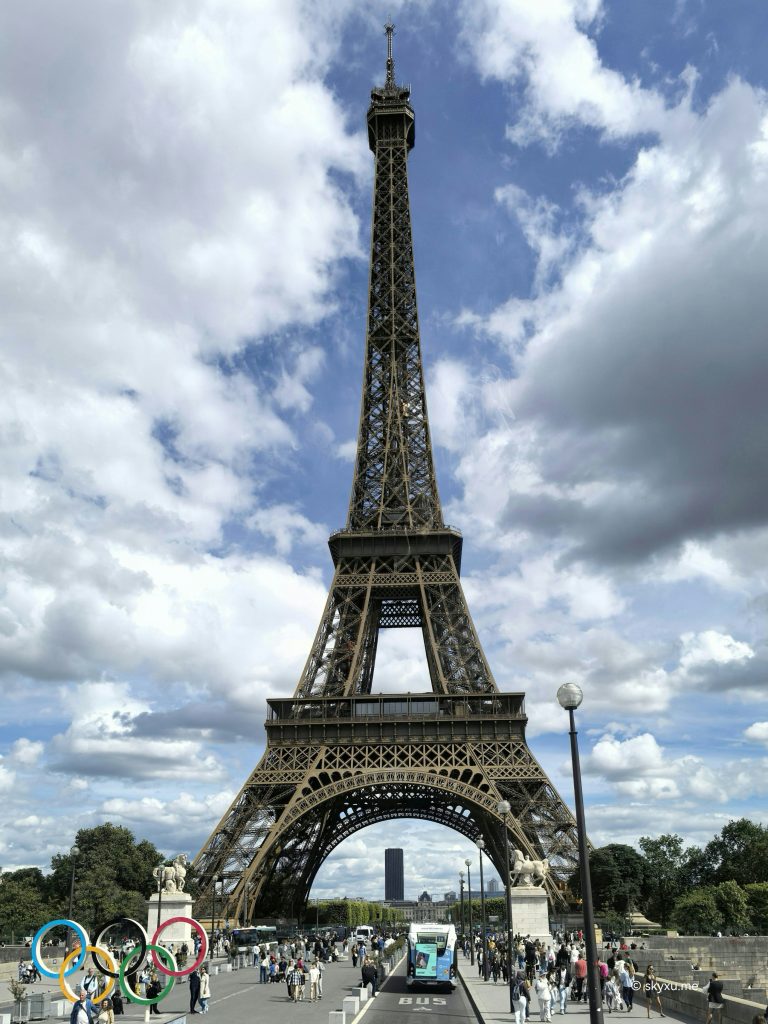
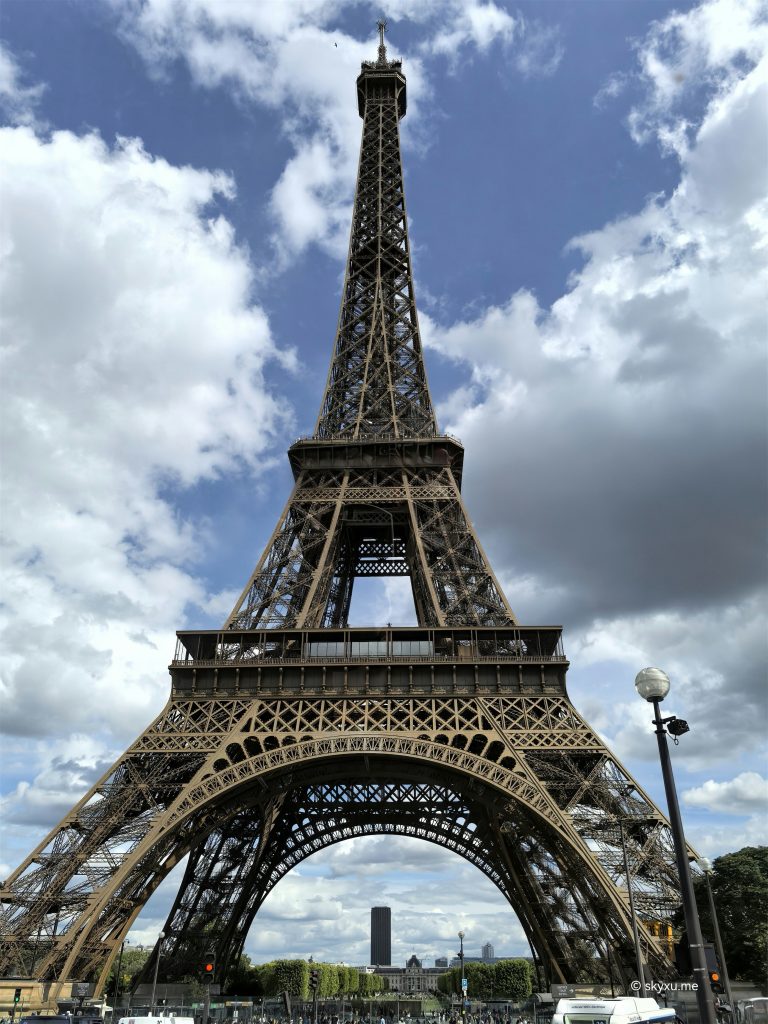
埃菲尔铁塔则是 1889 年世界博览会留下来的铁结构,最初并不是所有巴黎人都喜欢,如今反而成了最容易被认出来的城市标志。
The Eiffel Tower was built for the 1889 World’s Fair as an iron structure that many Parisians did not initially love, yet it became the city’s most instantly recognizable sign.
进入香榭丽舍和凯旋门一带。凯旋门本来是拿破仑为纪念军事胜利而修的纪念碑,今天看过去,最先感受到的却是巴黎交通的现实版本:通往凯旋的路从不轻松,以前靠军队,现在靠并线。
Then the route moved toward the Champs-Élysées and the Arc de Triomphe. The Arc was commissioned by Napoleon to commemorate military victory, but from the bus the first thing it showed was the modern version of Paris struggle: the road to triumph has never been easy — once armies, now lane changes.
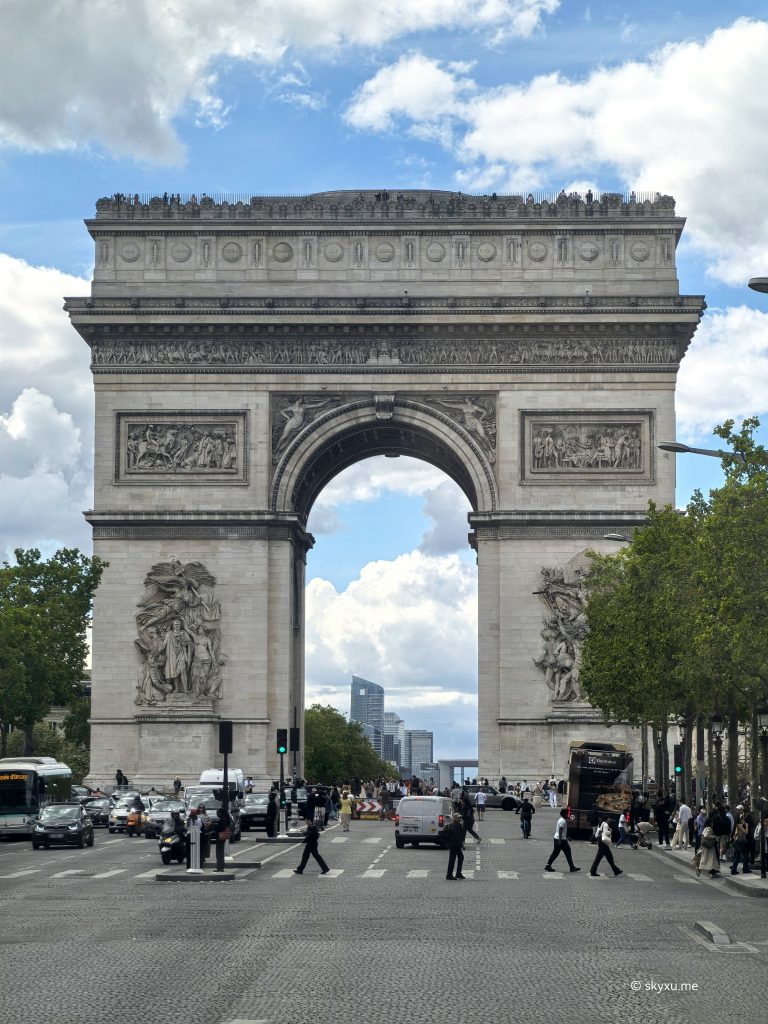
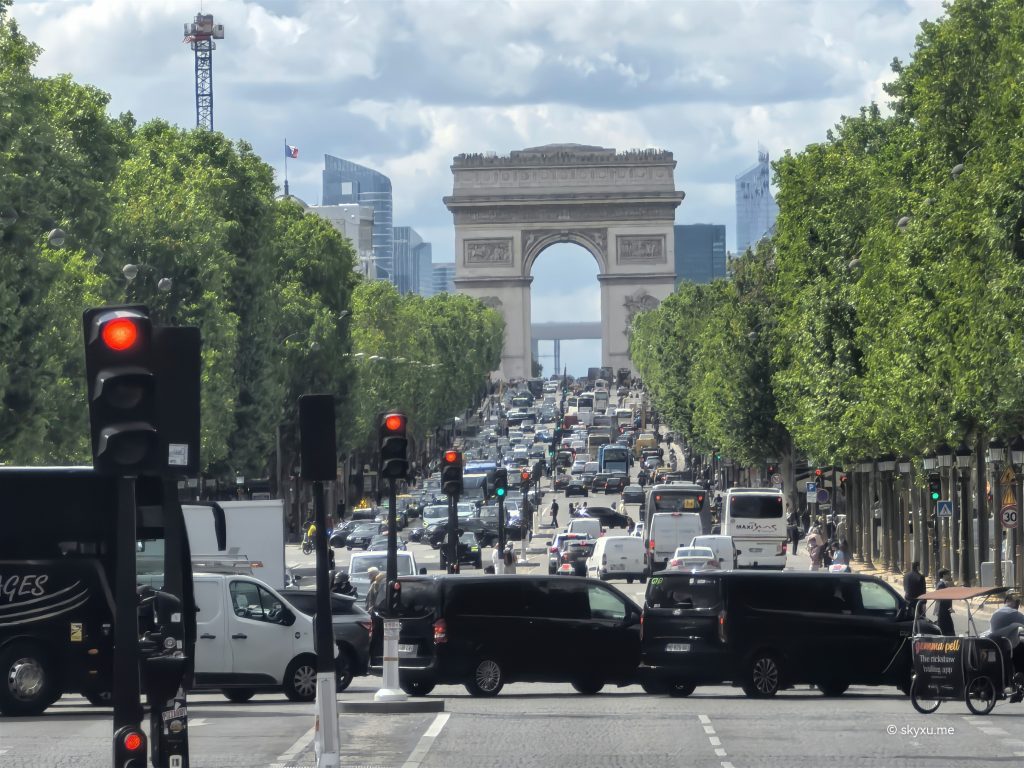
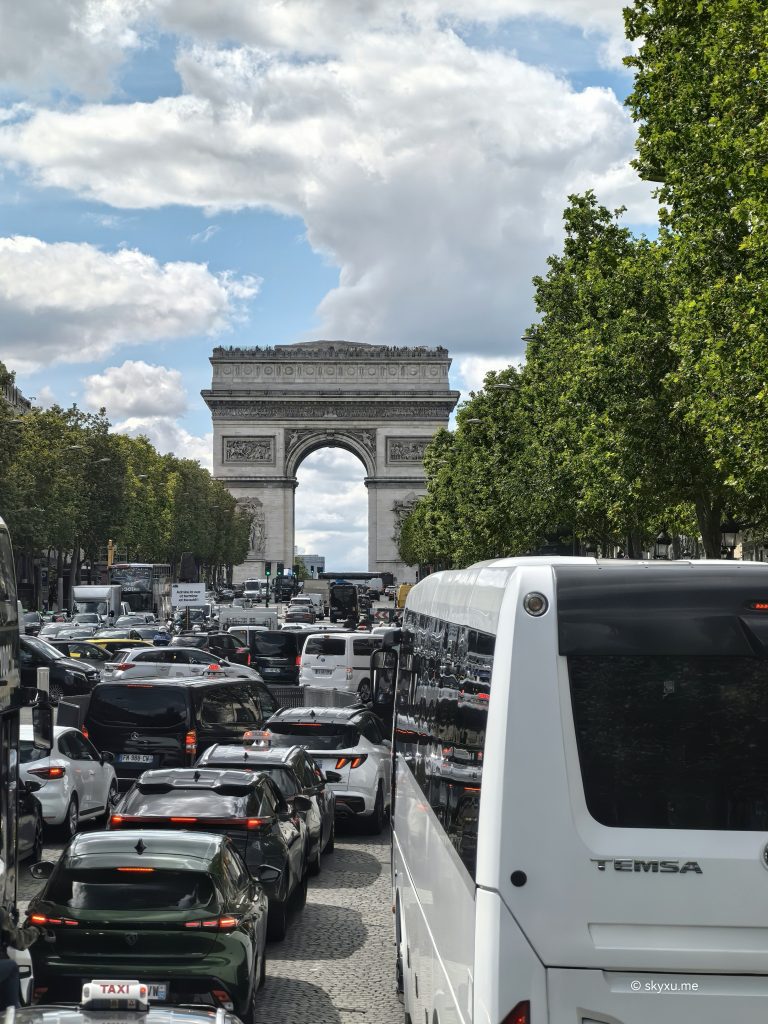
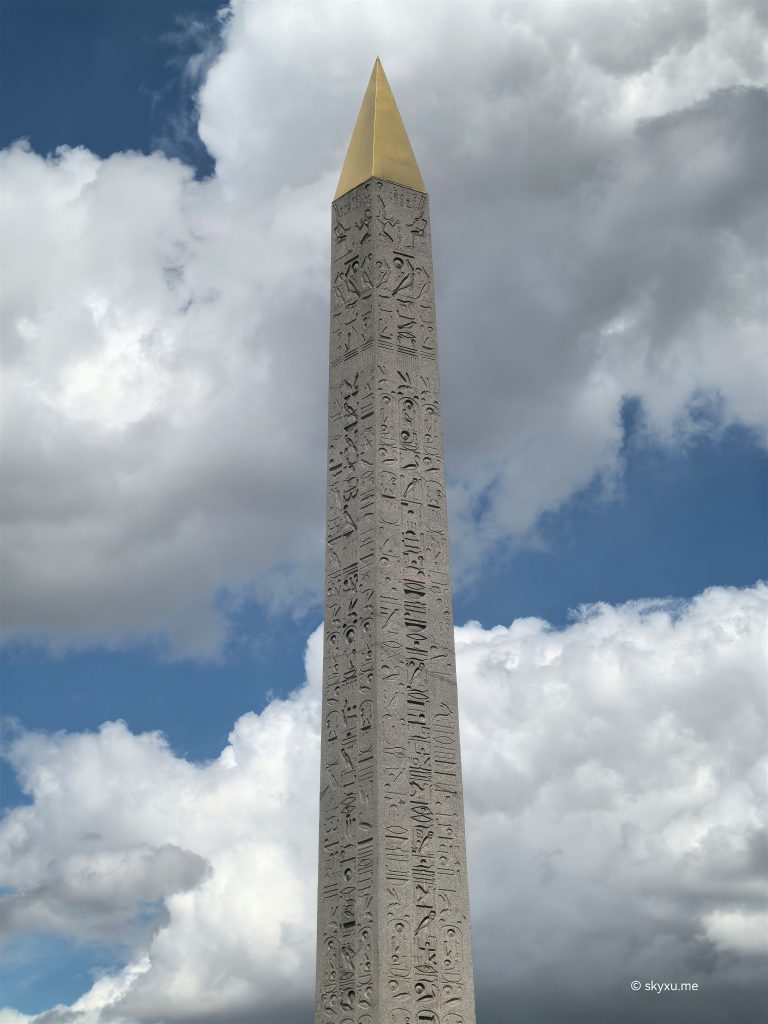
协和广场则更复杂——这里曾经是法国大革命时期断头台所在的广场,路易十六和玛丽·安托瓦内特都在这里被处决;现在广场中央立着来自埃及卢克索神庙的方尖碑,古埃及、法国革命和现代车流被放在同一个路口。
Place de la Concorde carries a darker layer. During the French Revolution, the guillotine stood there, and Louis XVI and Marie Antoinette were executed there. Today the Luxor Obelisk rises in the center, placing ancient Egypt, revolutionary France, and modern traffic in the same intersection.
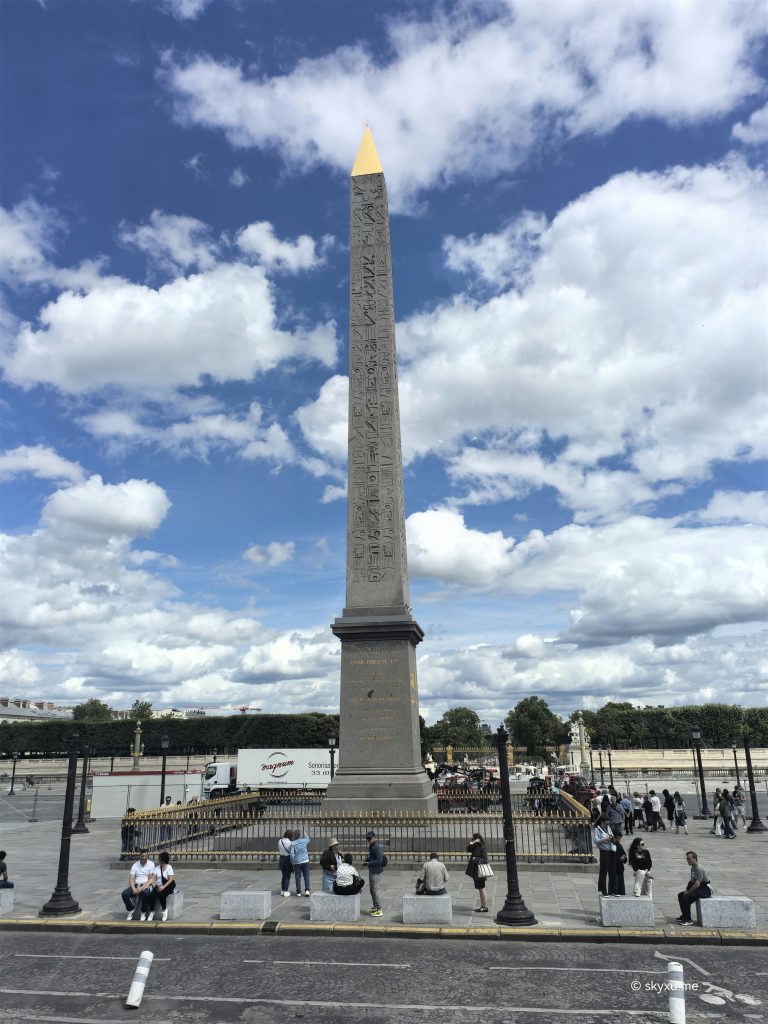
普通街角:路过时看到的巴黎 / Street corners: Paris being casually unfair
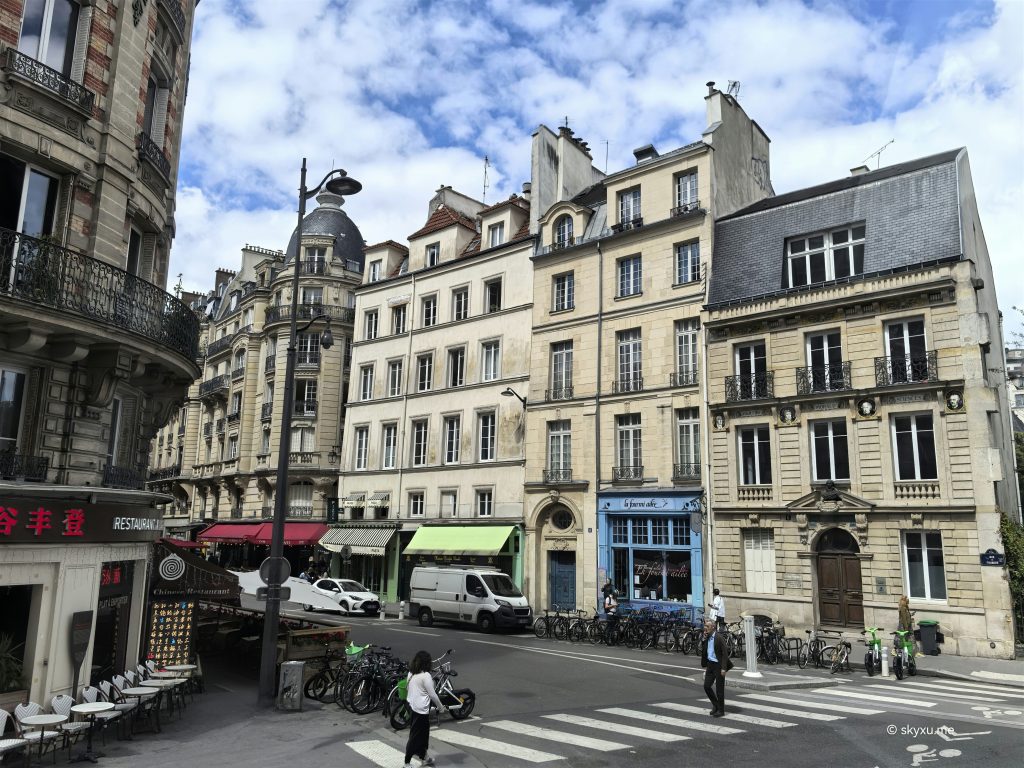
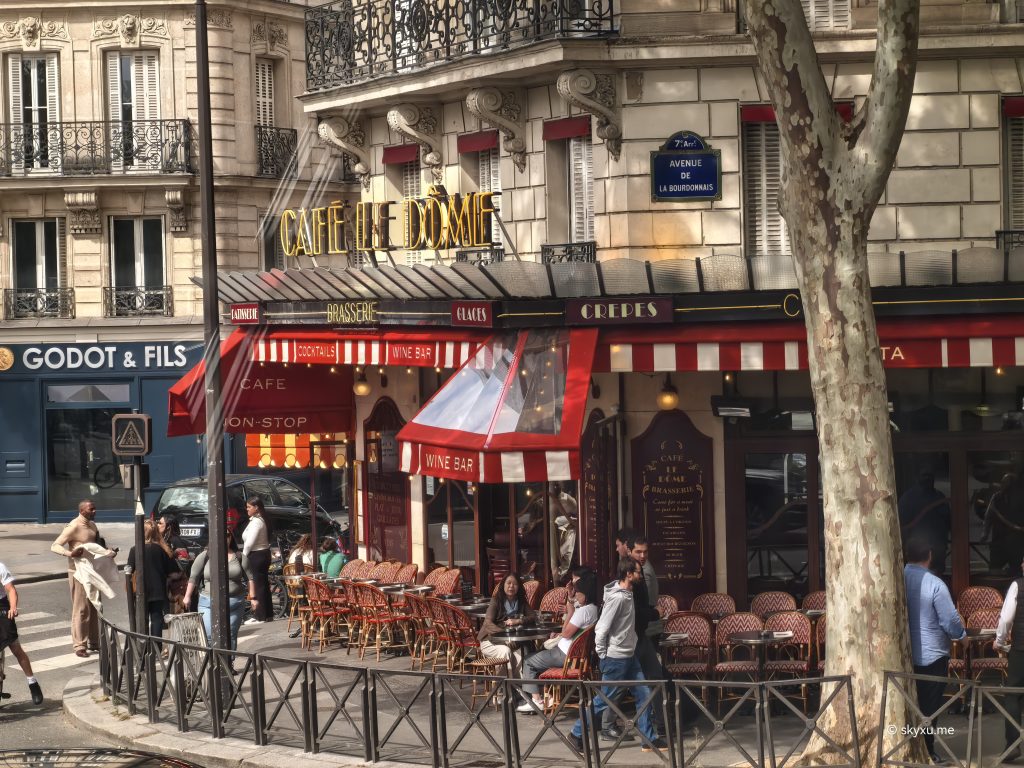
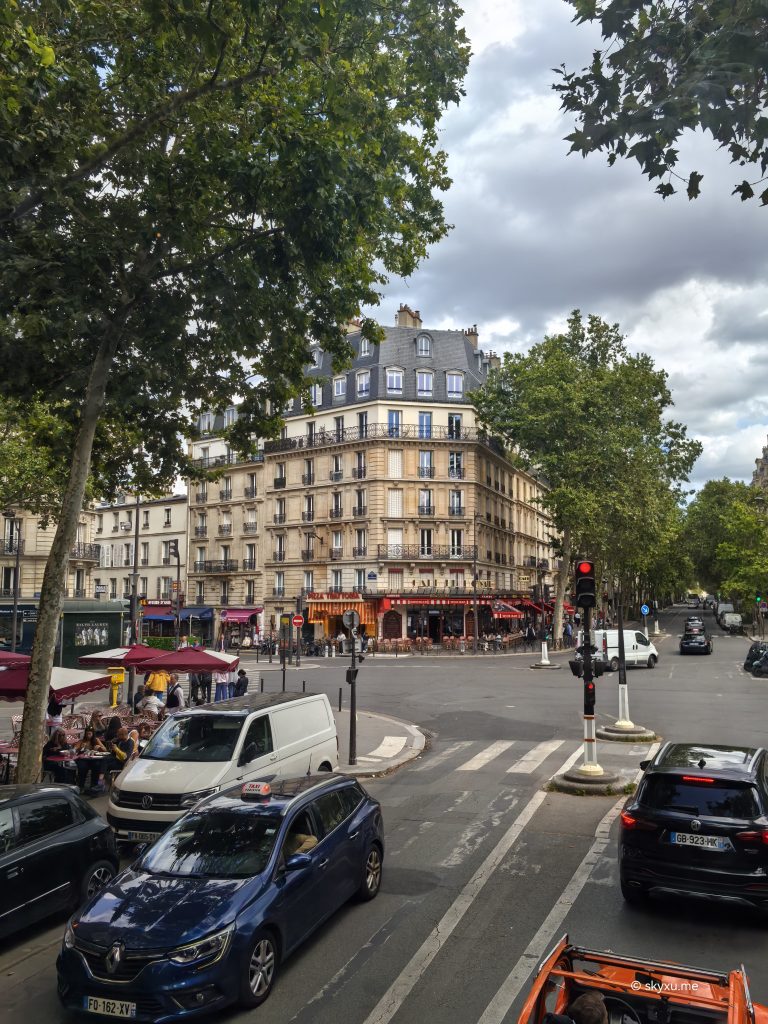
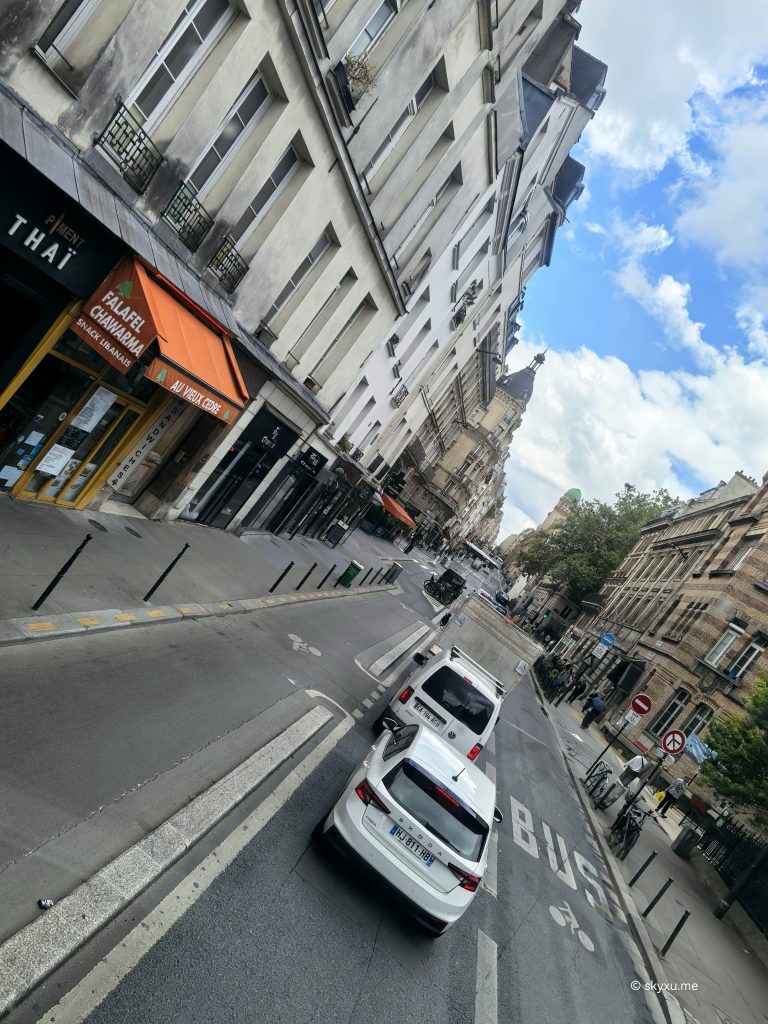
除了这些大景点,观光车上随手拍到的街角也很能代表巴黎。咖啡馆、奥斯曼楼、红色遮阳棚、梧桐树、铁艺阳台、单车,还有远处偶尔露出来的圆顶,都不是专门停下来参观的地方。但从车窗扫过去,它们反而更接近这座城市日常运转的样子:街边座椅、密密的阳台、树影、车流、行人,还有一点随时会变天的云。巴黎很会在这种时候突然好看起来——明明只是路过一条街,照片里却已经有了电影感。
Besides the big landmarks, the street corners caught from the bus also say a lot about Paris: cafés, Haussmann façades, red awnings, plane trees, iron balconies, bicycles, slightly tilted window framing, and an occasional distant dome. None of these were places we stopped to visit, but from the bus window they felt closer to the city’s everyday rhythm: sidewalk seats, stacked balconies, tree shade, traffic, pedestrians, and clouds that looked ready to change the weather at any moment. Paris often becomes photogenic like this — not with a grand monument, but in a passing street that suddenly looks cinematic.
奥赛宫:火车站变成的博物馆 / Orsay: a railway station turned museum
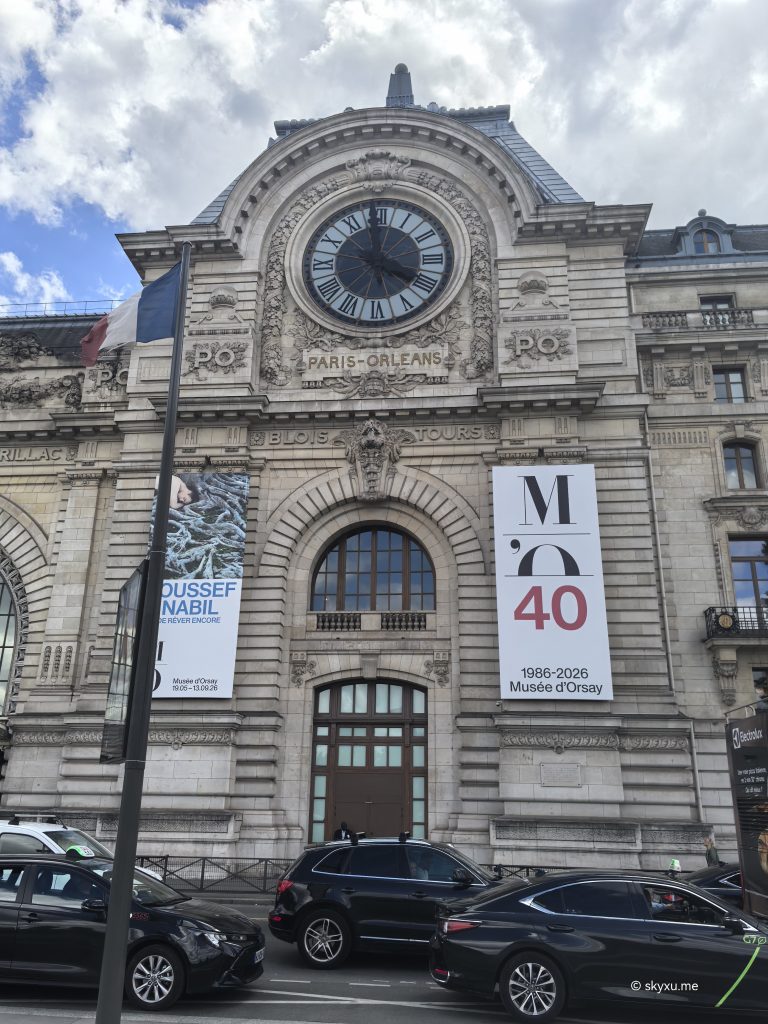
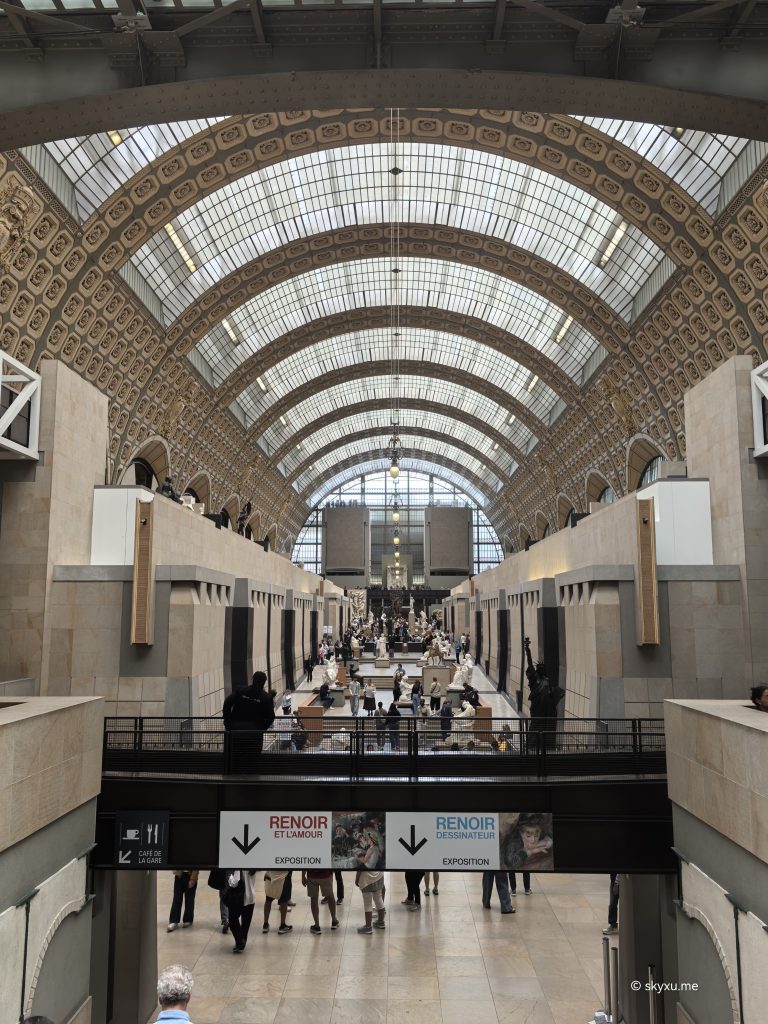
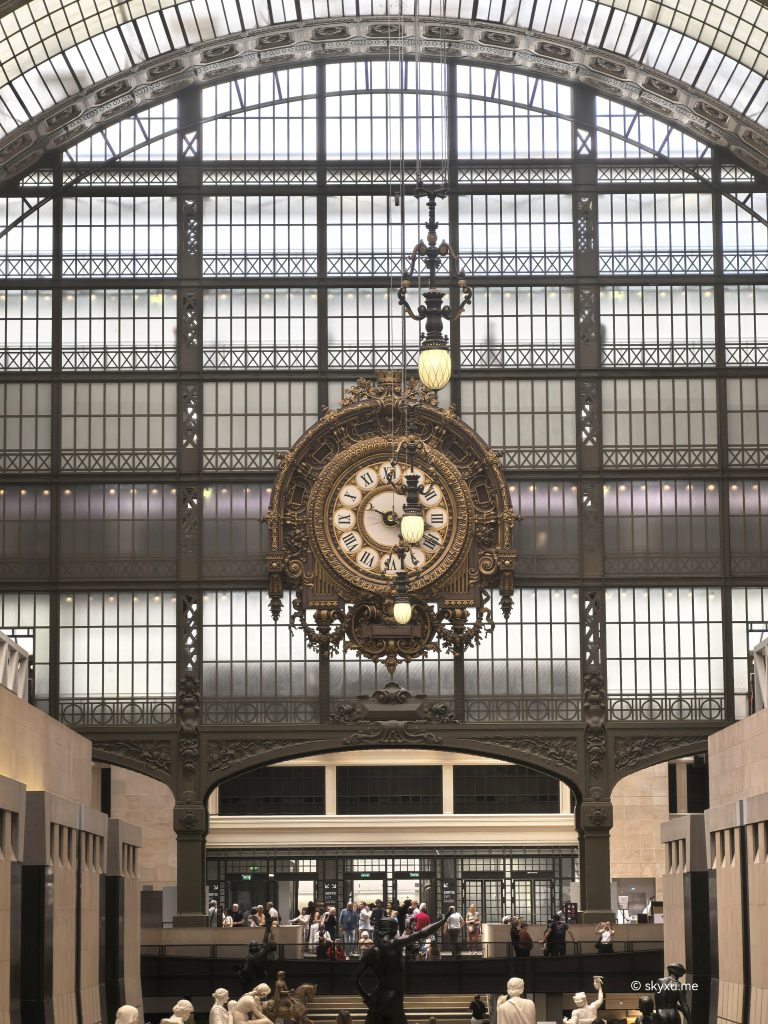
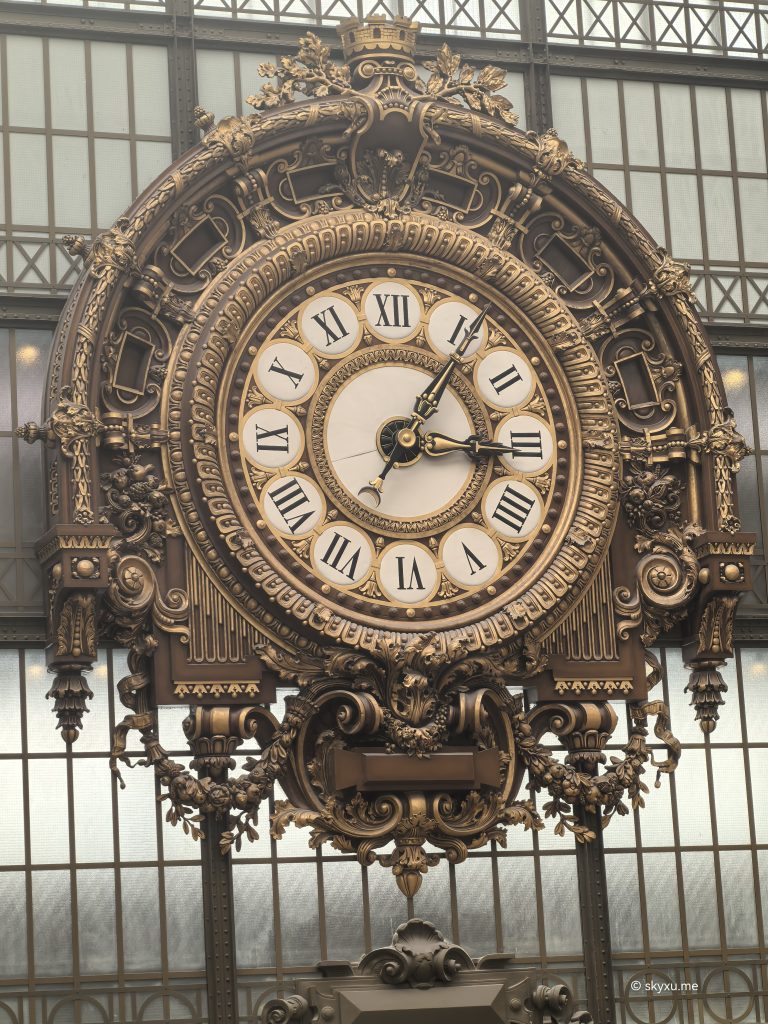
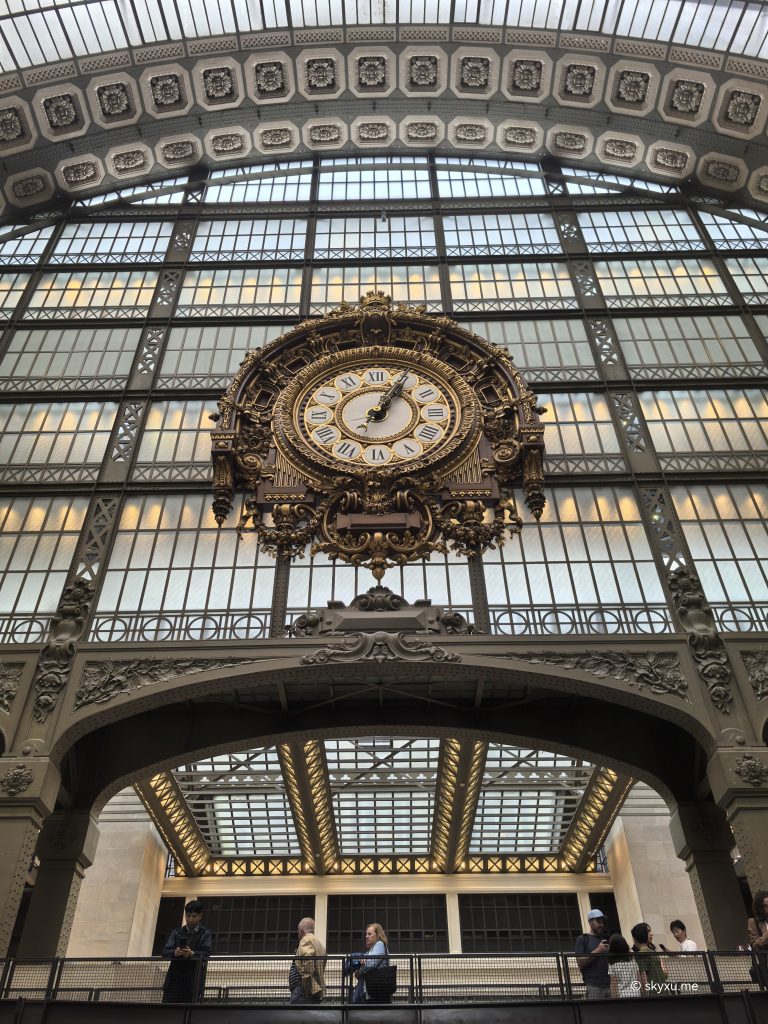
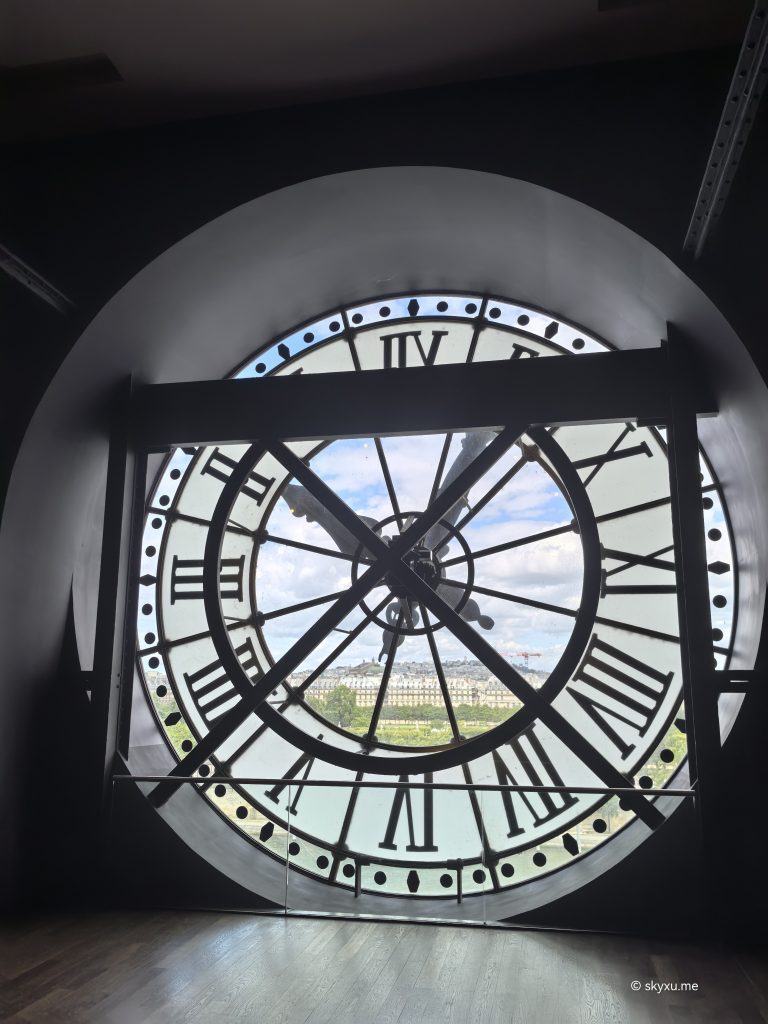
奥赛最迷人的地方,不只是馆藏,而是它本来就是火车站。门口的 Paris-Orléans 字样、大钟、中央大厅、玻璃和钢铁拱顶都还在。火车离开了,空间留下来,变成艺术的容器。站在钟面后面看巴黎,有一种很准确的感觉:不是只在看城市,而是在透过时间看城市。
Orsay is compelling not only for its collection, but because it was a railway station. The Paris-Orléans signage, clocks, central hall, glass, and iron vault are still there. The trains left; the space remained and became a container for art. Looking at Paris through the giant clock face feels almost literal: seeing the city through time.
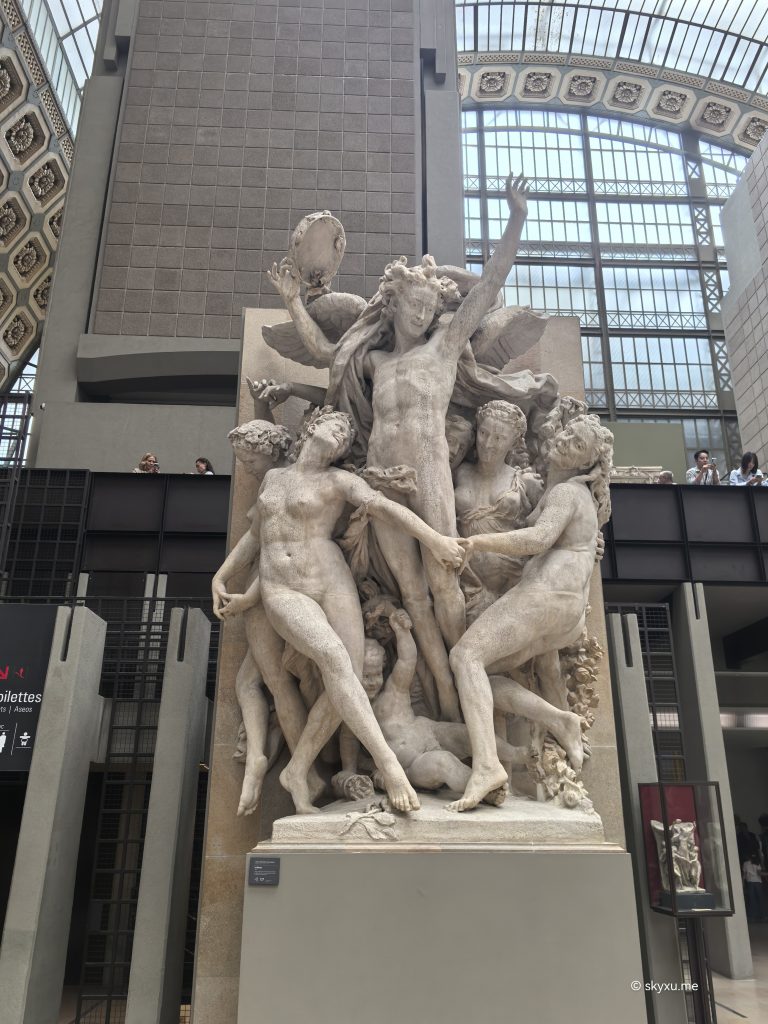
奥赛艺术品:从学院派走到现代艺术 / Orsay artworks: from academic painting toward modern art
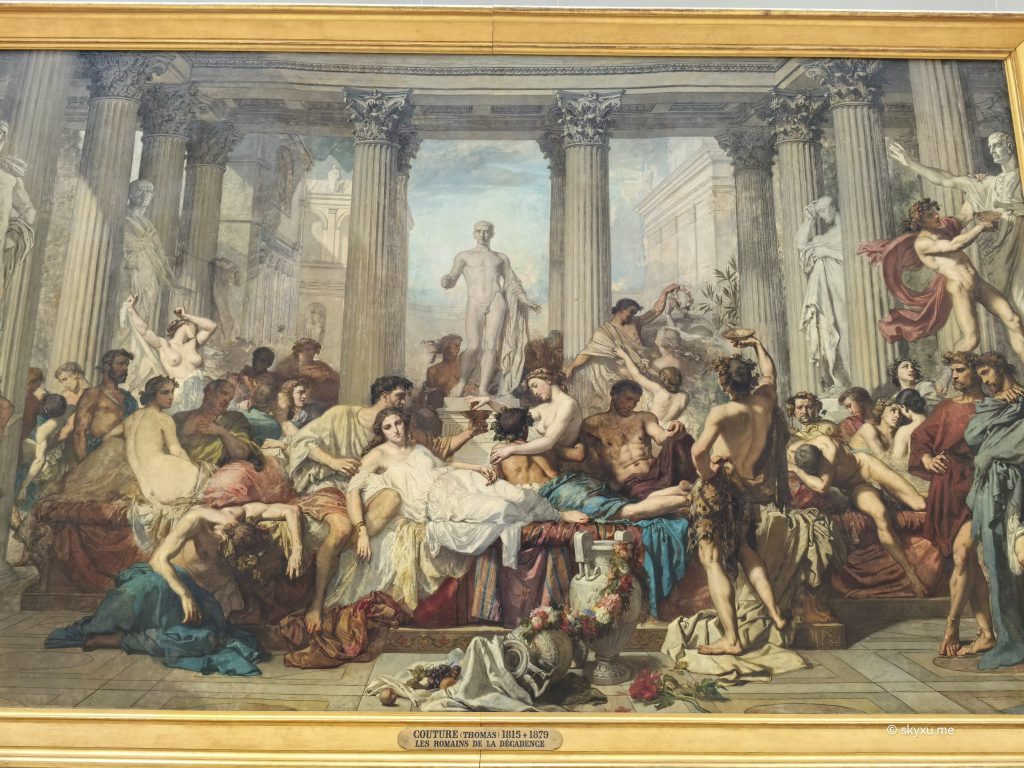
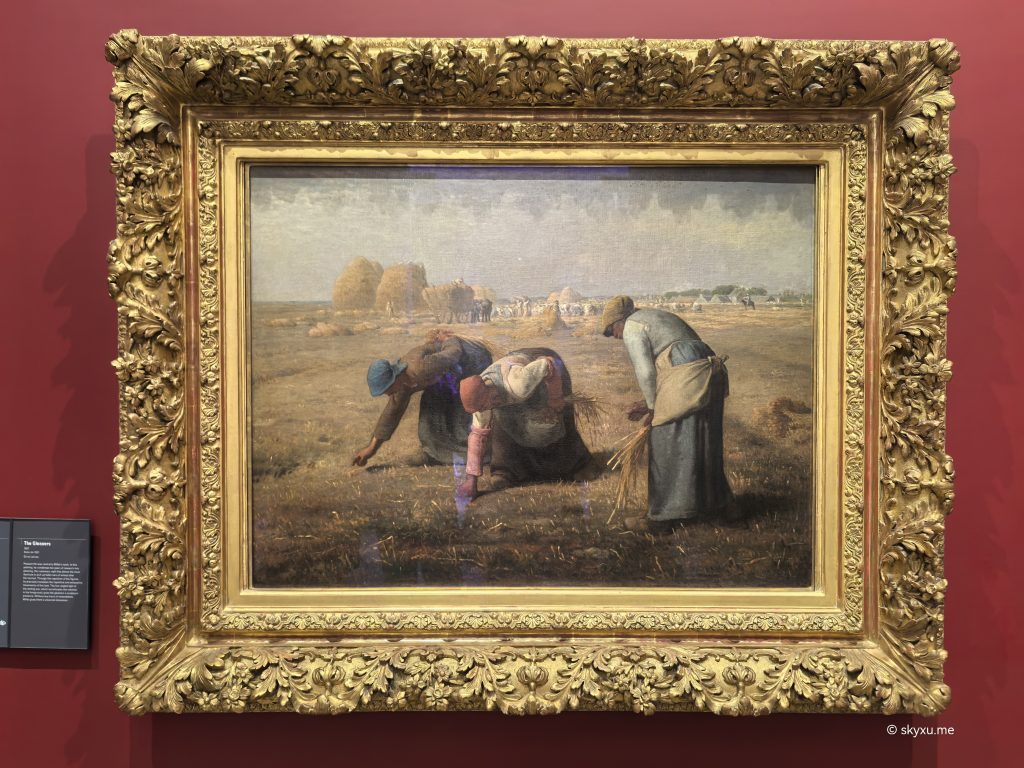
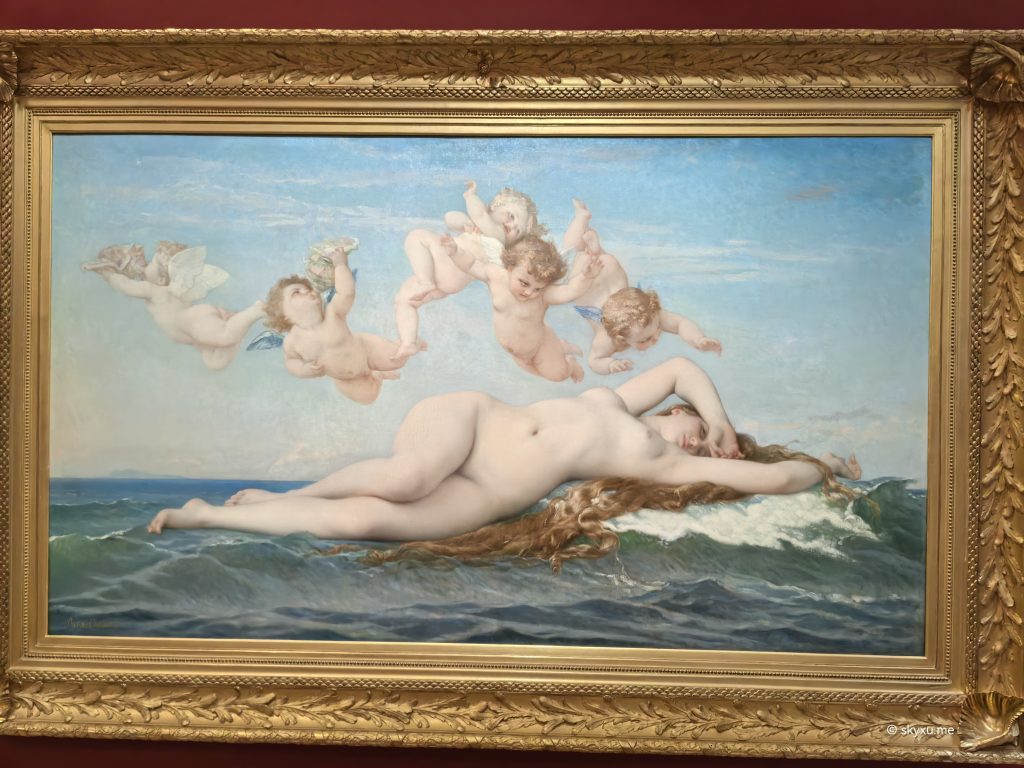
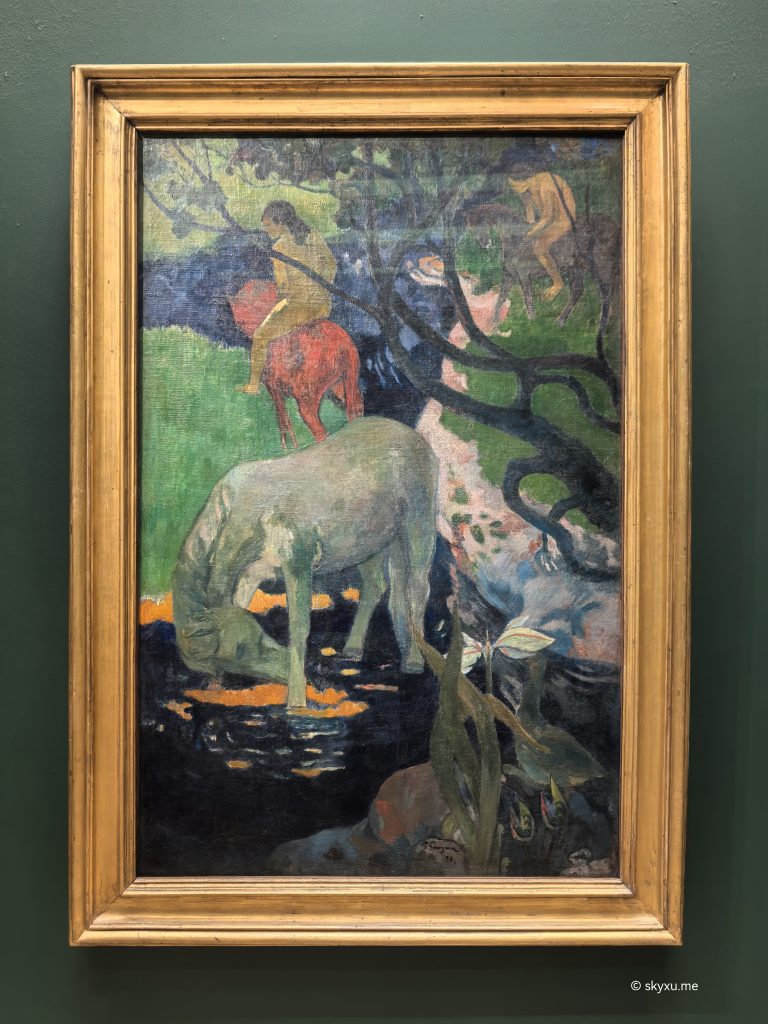
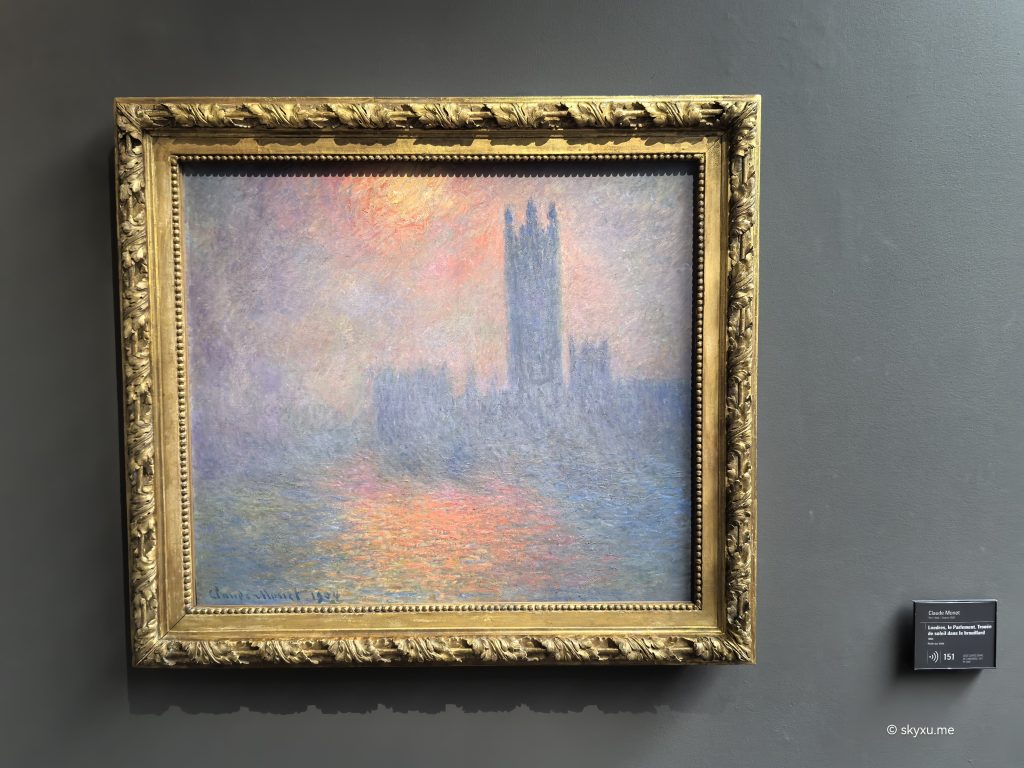
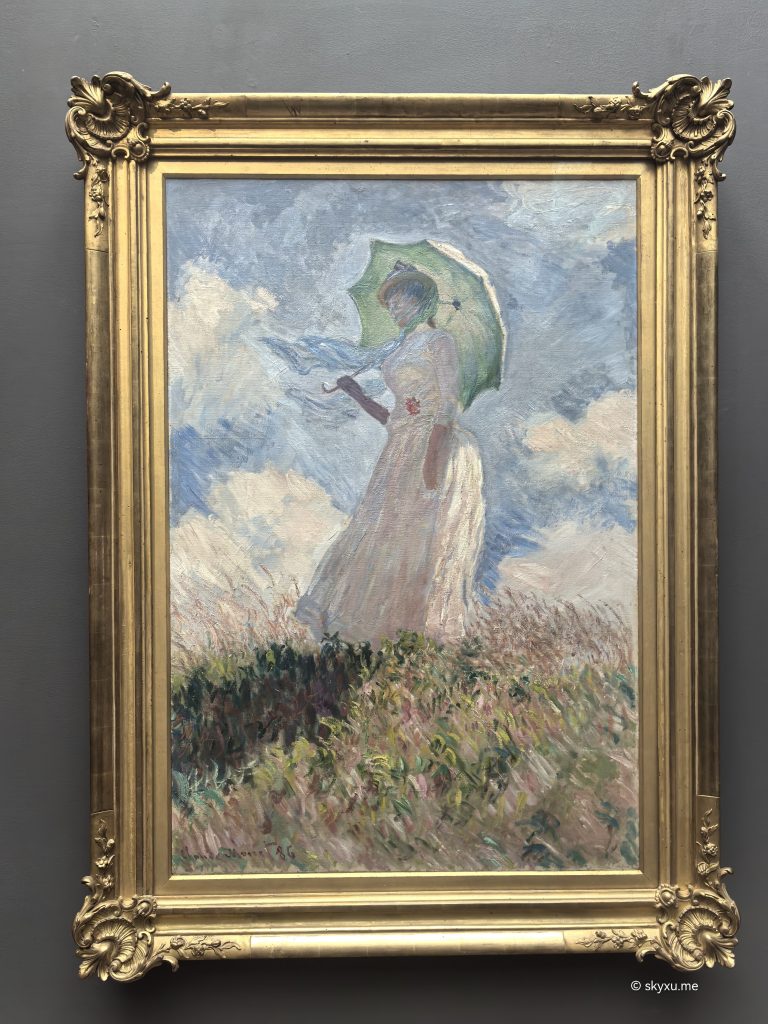
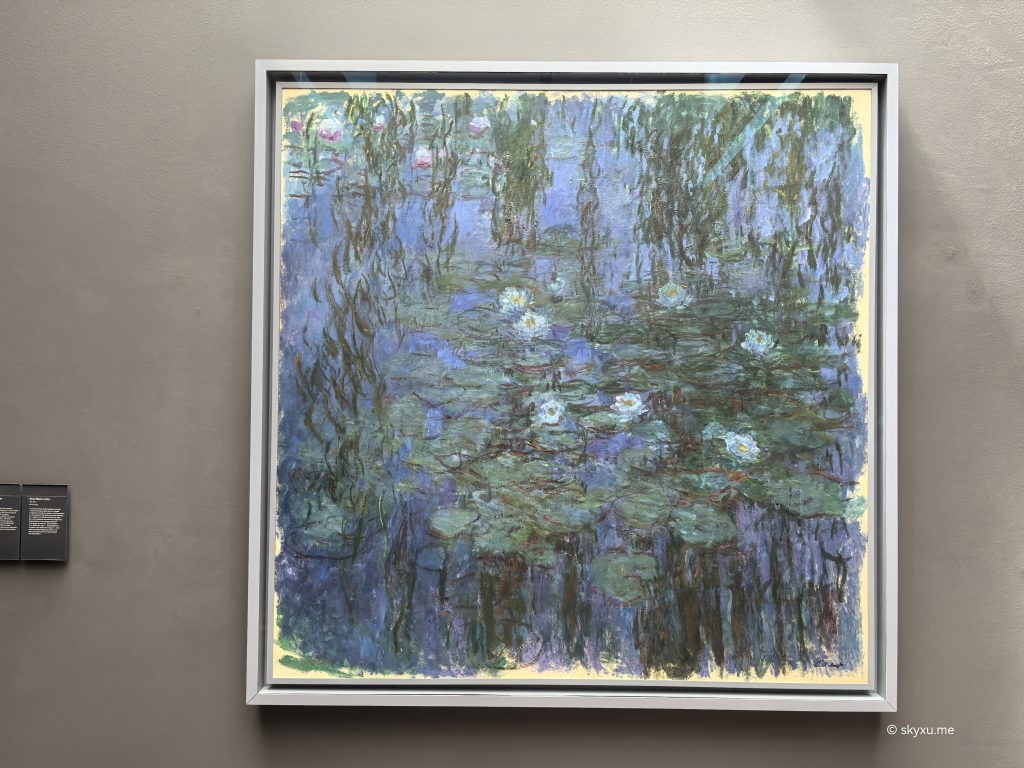
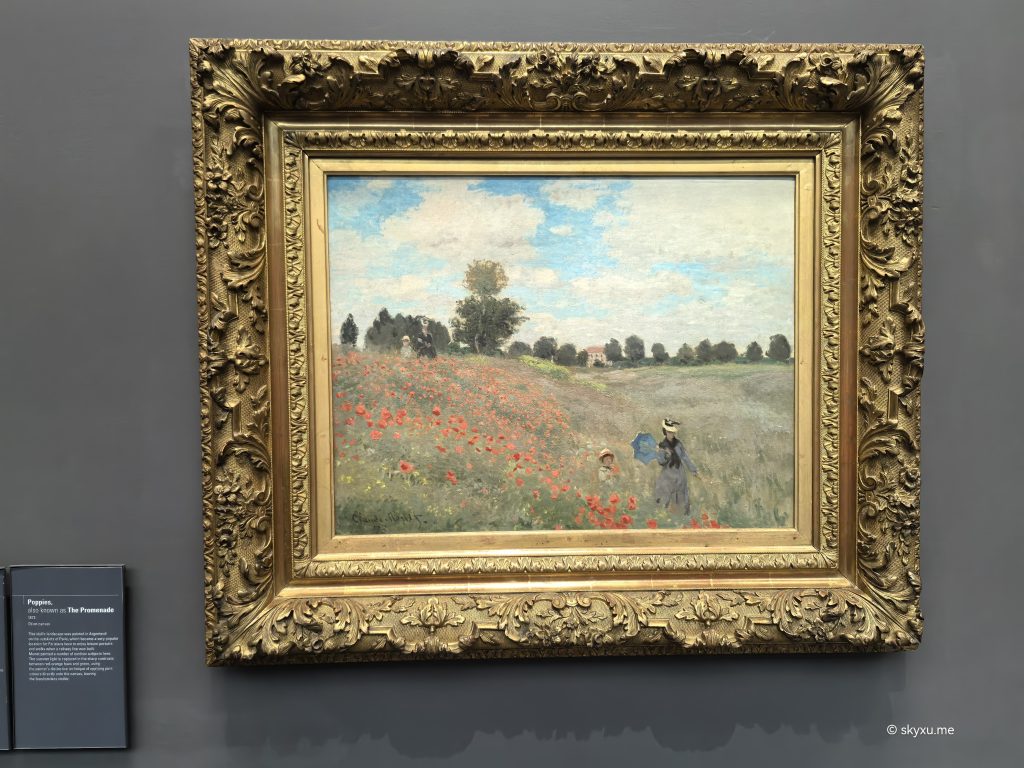
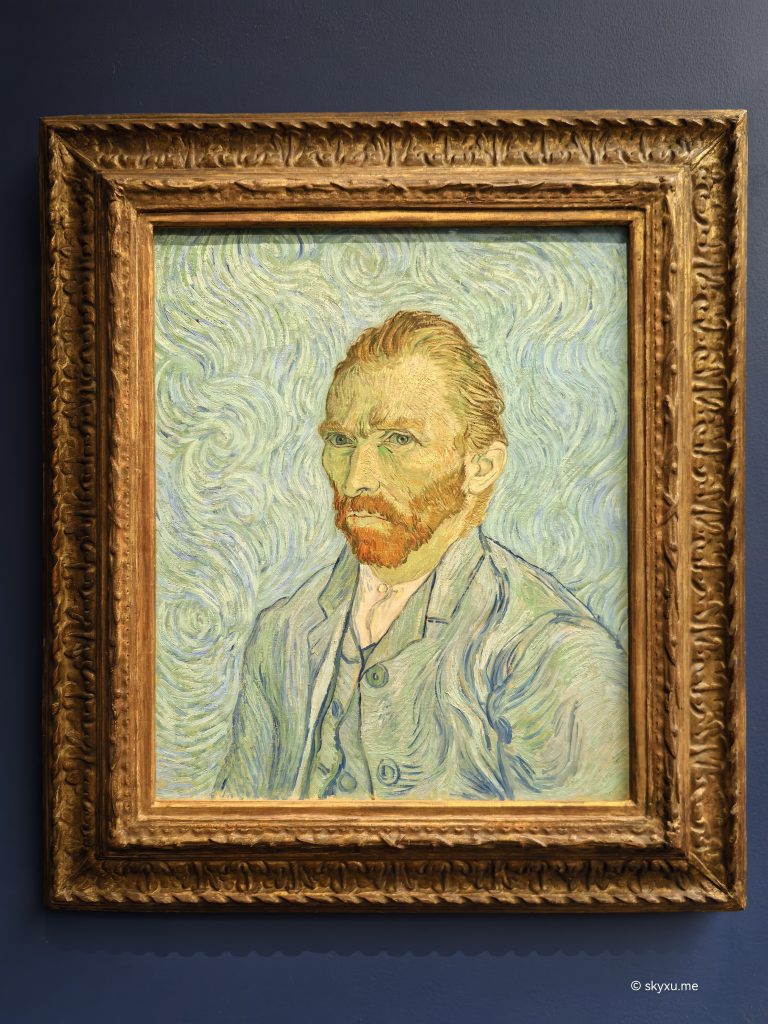
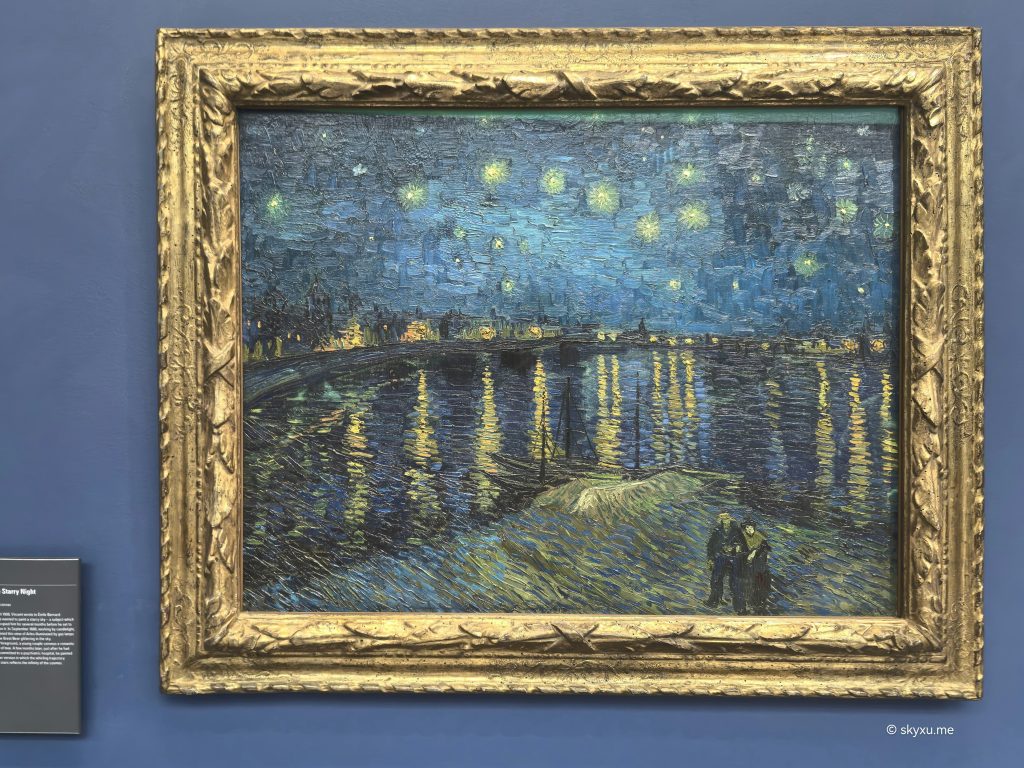
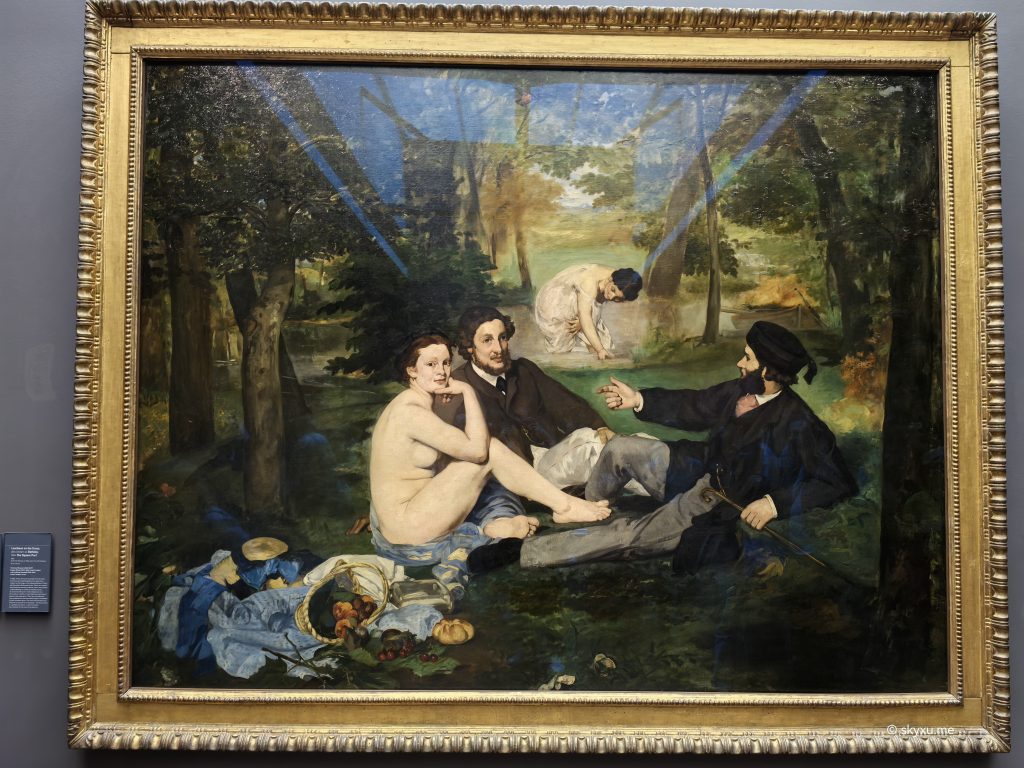
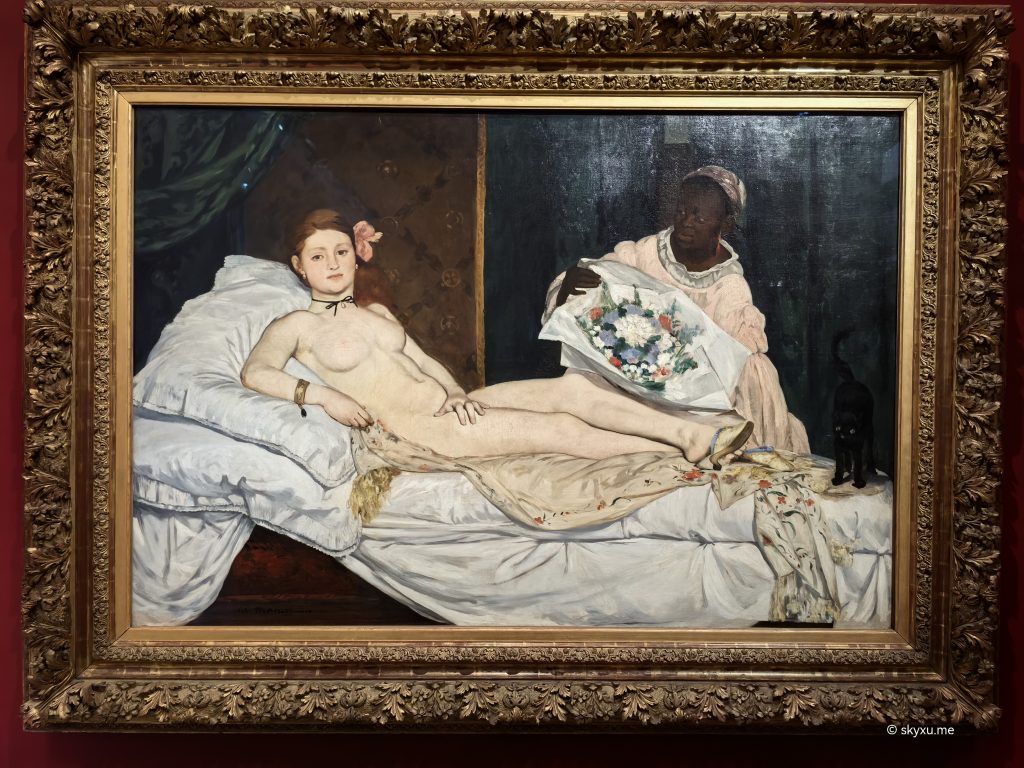
奥赛的馆藏和卢浮宫不太一样。卢浮宫给人的感觉是时间跨度巨大,古文明、王权、宗教和革命都压在一起;奥赛更像是把 19 世纪到 20 世纪初那段艺术转折摊开给你看。先是学院派和沙龙绘画:画面宏大、人体漂亮、神话和历史都被处理得很完整;接着是米勒这样的现实主义,把普通劳动者放到画面中央;再往后,莫奈、梵高、高更、马奈这些名字一出来,绘画开始明显从“把世界画得正确”转向“把观看本身画出来”。
所以奥赛最有意思的不是某一张单独的名作,而是这种连续变化:从《罗马人的衰落》那种舞台感很强的大画,到《拾穗者》的土地和劳动;从莫奈的光和空气,到梵高的夜色和自画像;再到马奈的《草地上的午餐》和《奥林匹亚》,那种直视观众、挑战传统审美的现代感已经很明显了。奥赛像是一个很清楚的过渡带:古典秩序还在,但现代艺术已经开始推门进来。
Orsay feels different from the Louvre. The Louvre overwhelms with range: ancient civilizations, royal power, religion, and revolution compressed together. Orsay focuses more on the artistic turn from the 19th century into the early 20th. It begins with academic and salon painting — grand compositions, polished bodies, mythology and history carefully staged — then moves toward realism, where Millet places ordinary labor at the center. After that, Monet, Van Gogh, Gauguin, and Manet mark the shift from painting the world “correctly” to painting the act of seeing itself.
What makes Orsay especially interesting is not just one masterpiece, but the sequence of change: from the theatrical scale of Romans during the Decadence, to the earth and labor of The Gleaners; from Monet’s light and air, to Van Gogh’s night and self-portrait; then to Manet’s Luncheon on the Grass and Olympia, where the modern challenge to older taste becomes very direct. Orsay is a transition zone: classical order is still visible, but modern art has already begun to enter the room.
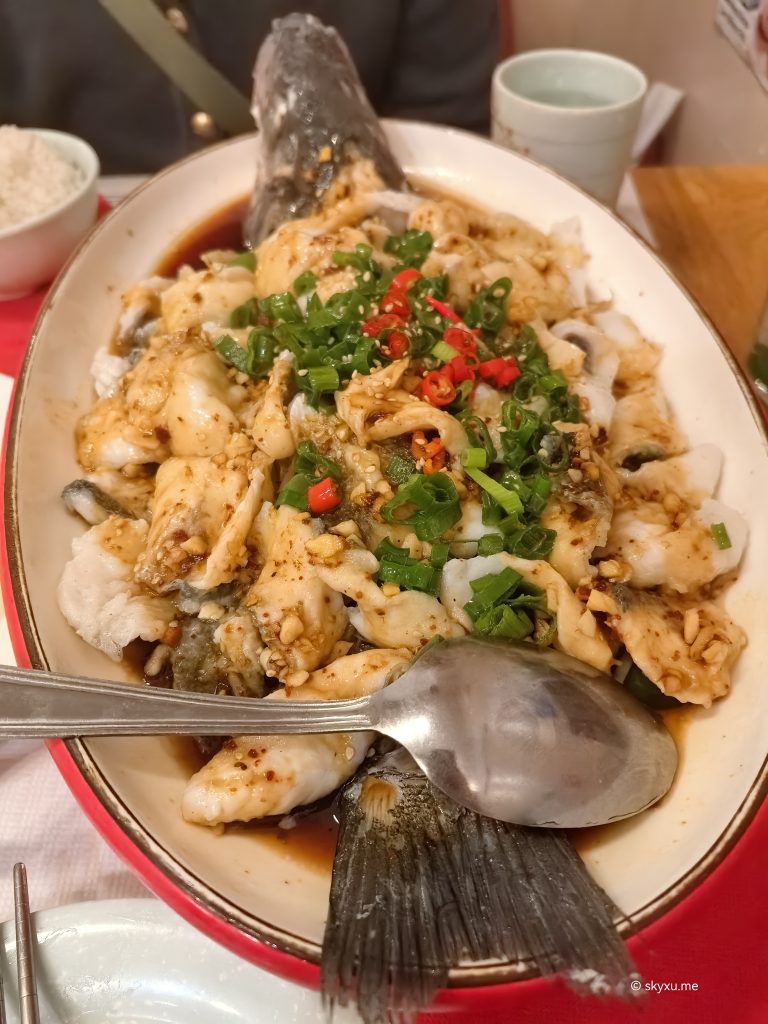
一顿中餐:胃切回母语 / Chinese dinner: the stomach switches languages
晚上吃到久违的中餐,胃瞬间舒服很多。巴黎很好,法餐也好,但旅行几天后,热乎的白米饭和鱼片有时比“当地特色”更有用。这样的小插曲反而让旅行从宣传册里落回现实:人不可能只靠景点和仪式感活着,胃也有自己的母语。
Dinner brought a long-missed Chinese meal, and the stomach relaxed. Paris is wonderful, and French food has its place, but after days of travel, rice and hot fish can matter more than “local specialties.”
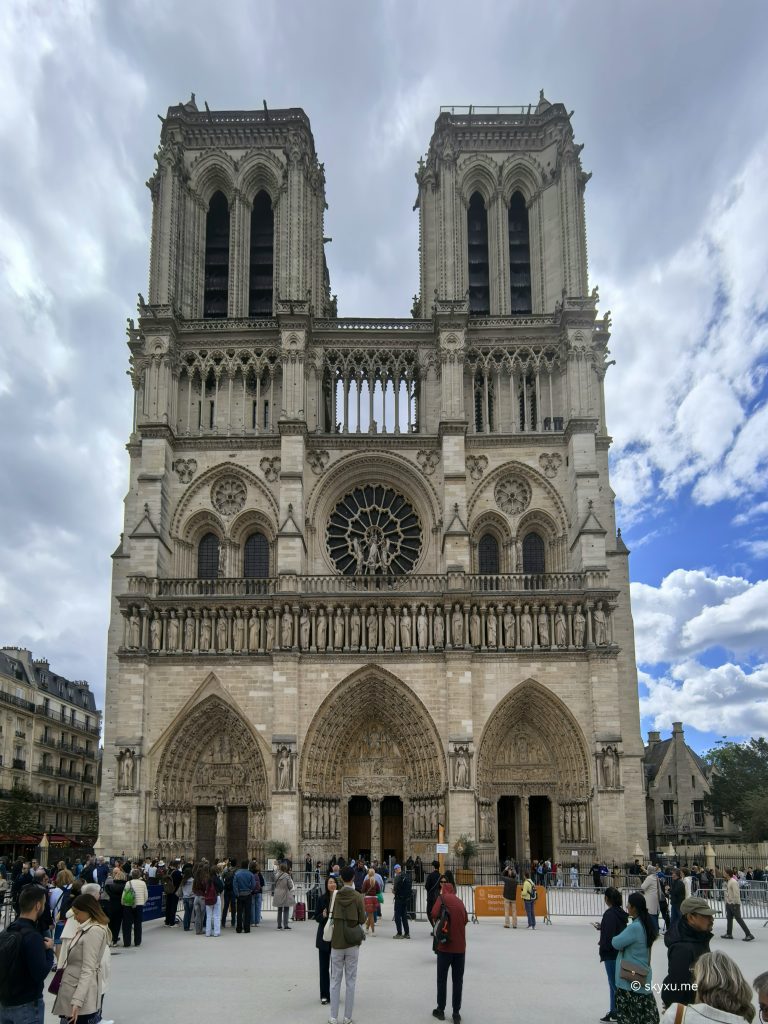
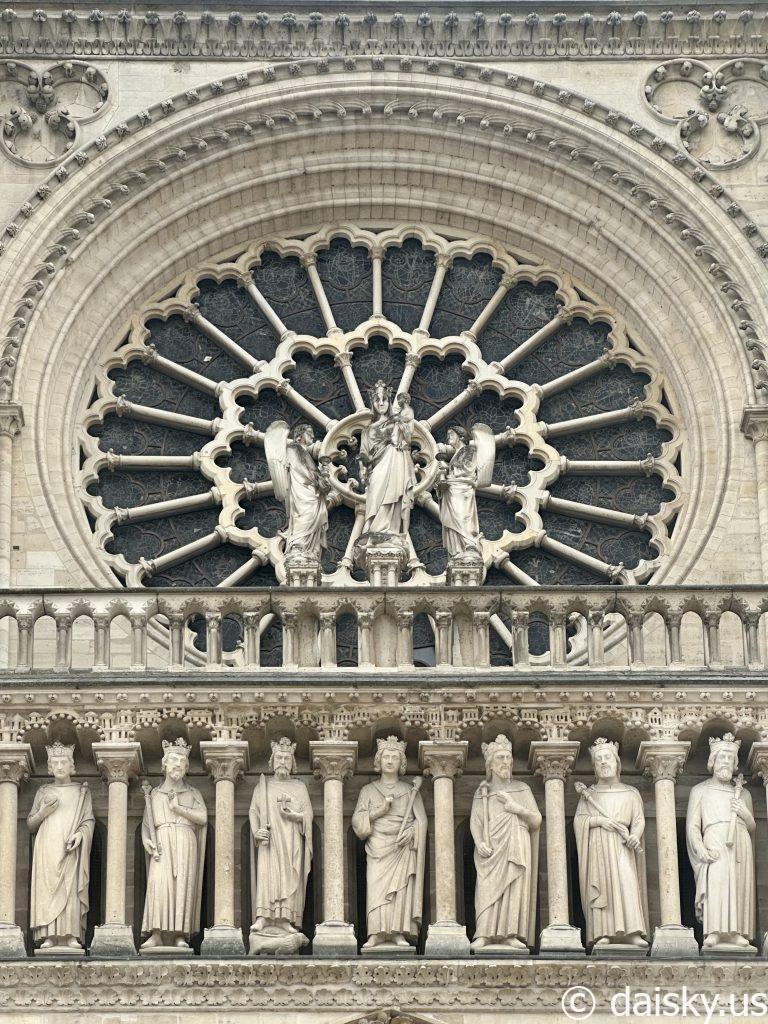
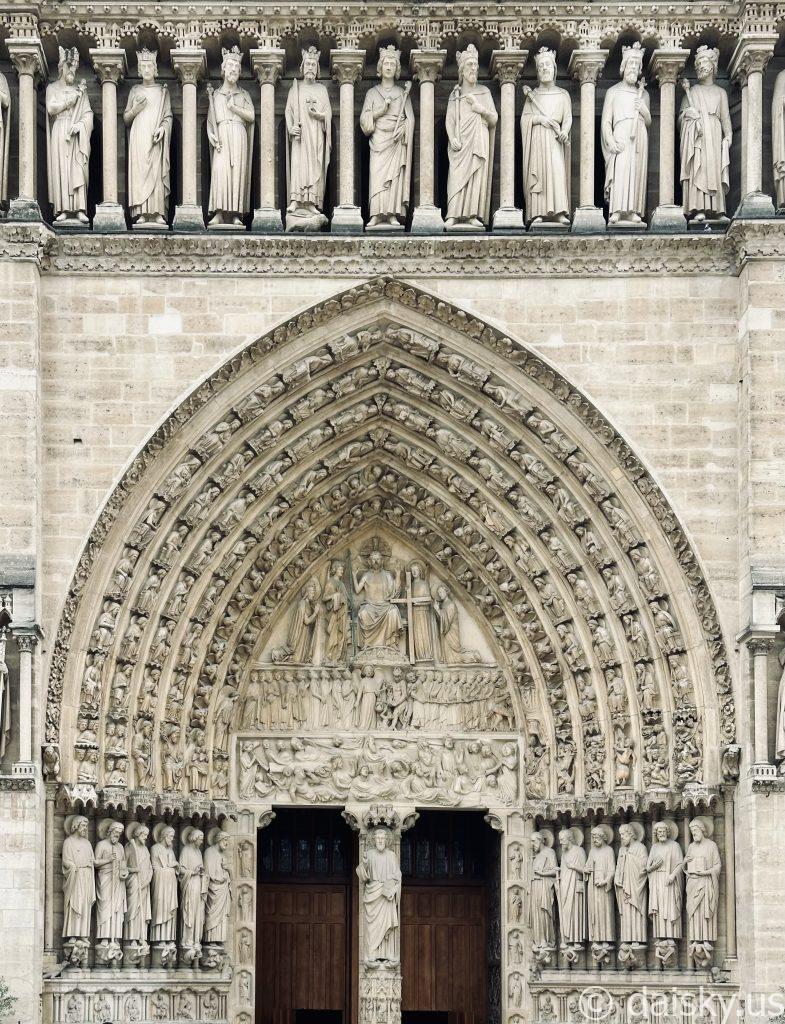
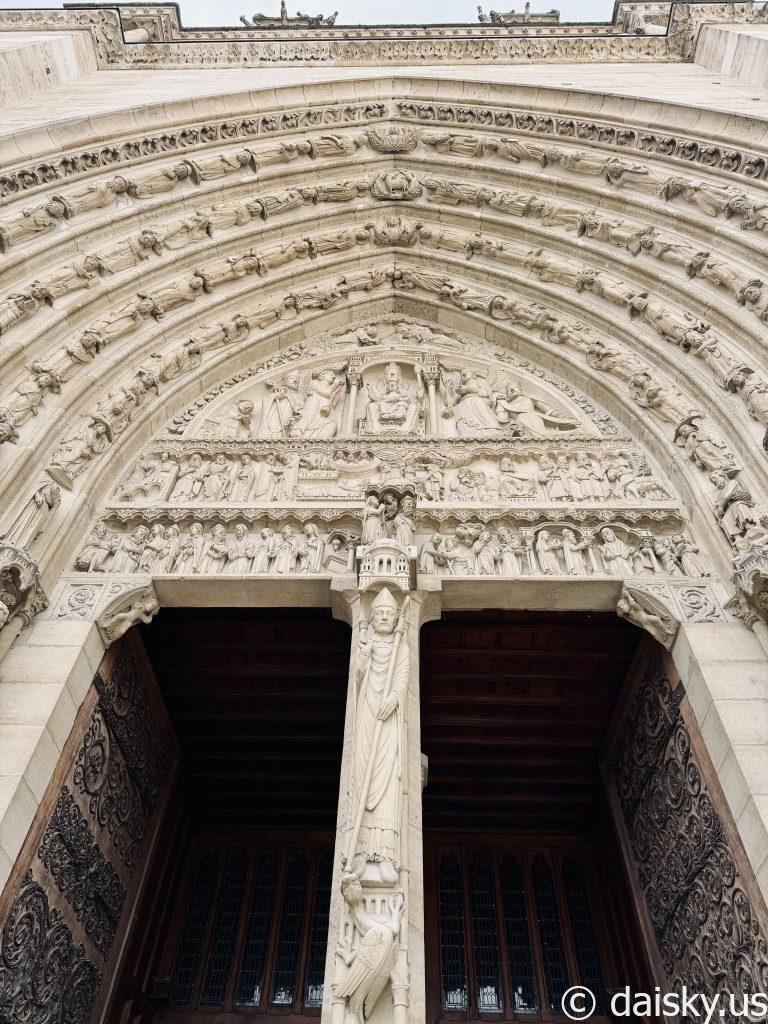
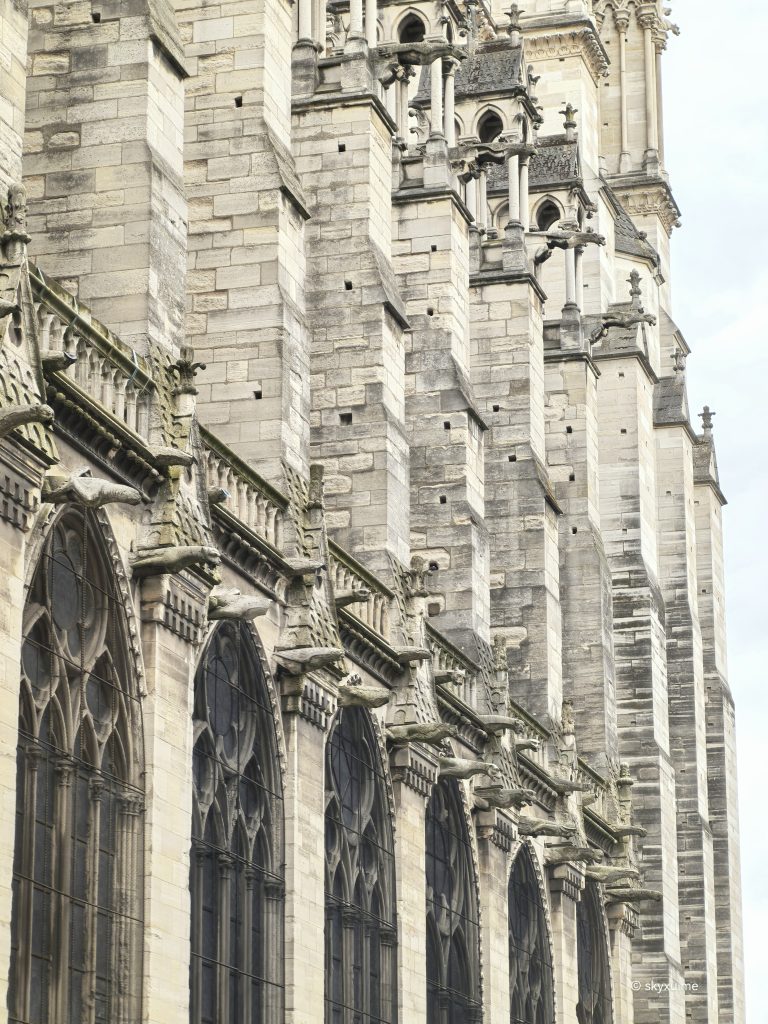
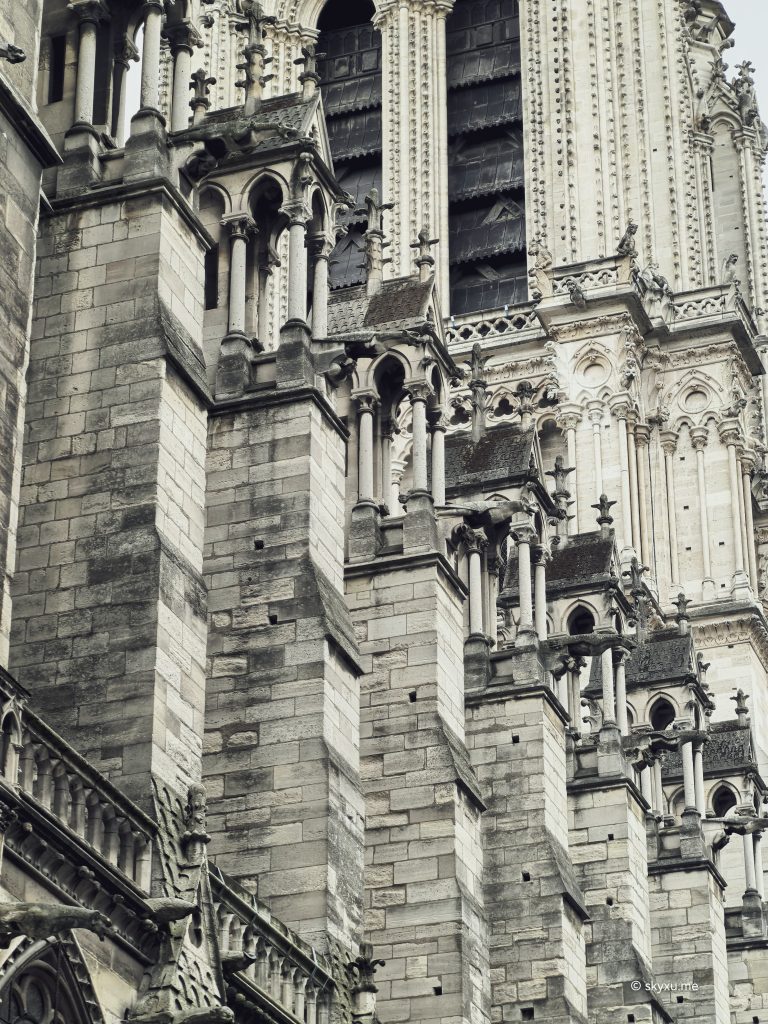
圣母院:石头在讲故事 / Notre-Dame exterior: stone telling stories
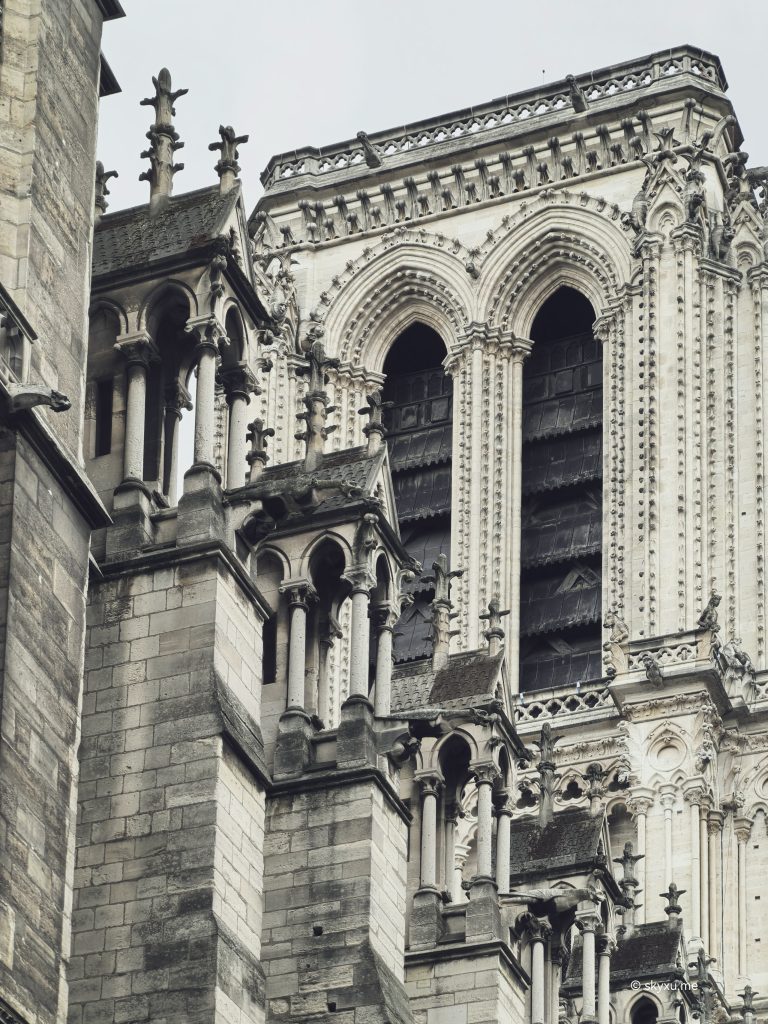
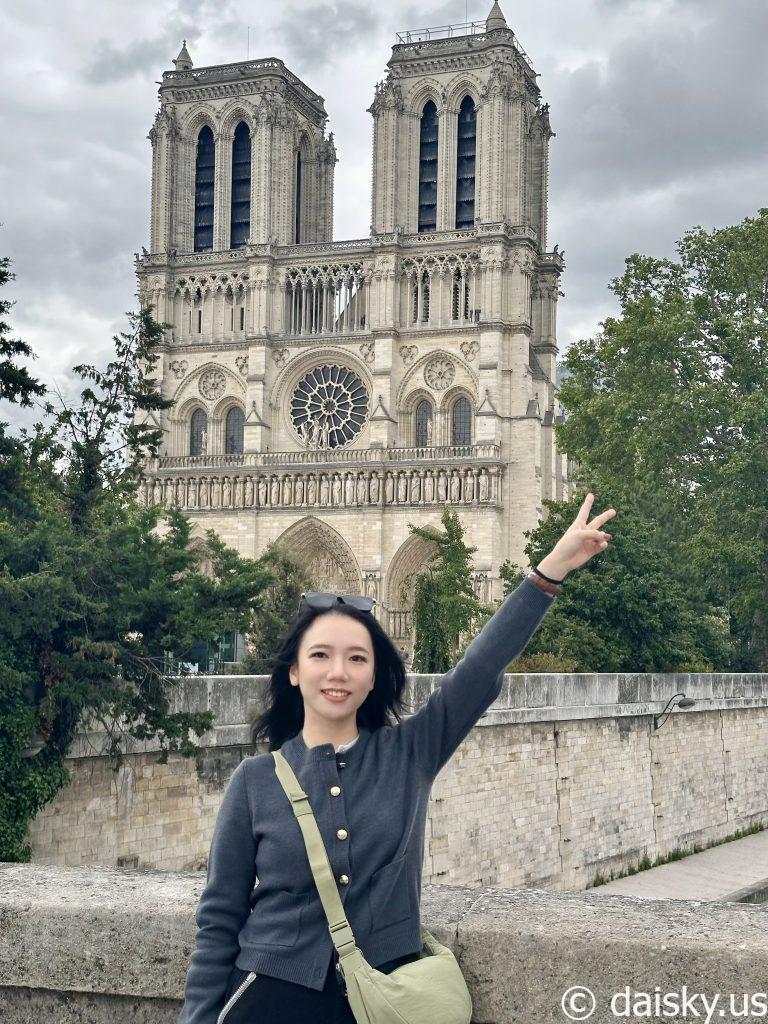
站到巴黎圣母院外面,最先看见的是西立面、门廊、玫瑰窗和国王长廊;绕到侧面,尖拱、飞扶壁和高处的怪兽排水口又慢慢露出来。远看时,它是一座熟悉到几乎有点“符号化”的巴黎地标;走近以后,才发现它不是一栋简单的“尖尖的老建筑”。门楣上的人物层层叠叠,像把圣经故事刻成了立体连环画;飞扶壁看起来轻巧,其实是在替高墙和彩窗承接向外推开的力量。也正因为这样,圣母院的石头不只是沉重地站在那里,而像是一边承担重量,一边继续往上生长。
Standing outside Notre-Dame, the west façade, portals, rose window, and Gallery of Kings appear first; from the side, the pointed arches, flying buttresses, and gargoyles slowly come into view. From a distance, it is almost too familiar — a Paris landmark turned into a symbol. Up close, it stops being just an old “pointy” building. The figures on the portals stack into dense layers, like biblical stories carved into three-dimensional panels; the flying buttresses look light, but they are carrying the outward force of high walls and stained glass. Because of that, Notre-Dame’s stone does not simply stand there heavily. It seems to bear weight and keep growing upward at the same time.
圣母院:从石头到光 / Notre-Dame interior: from stone to light
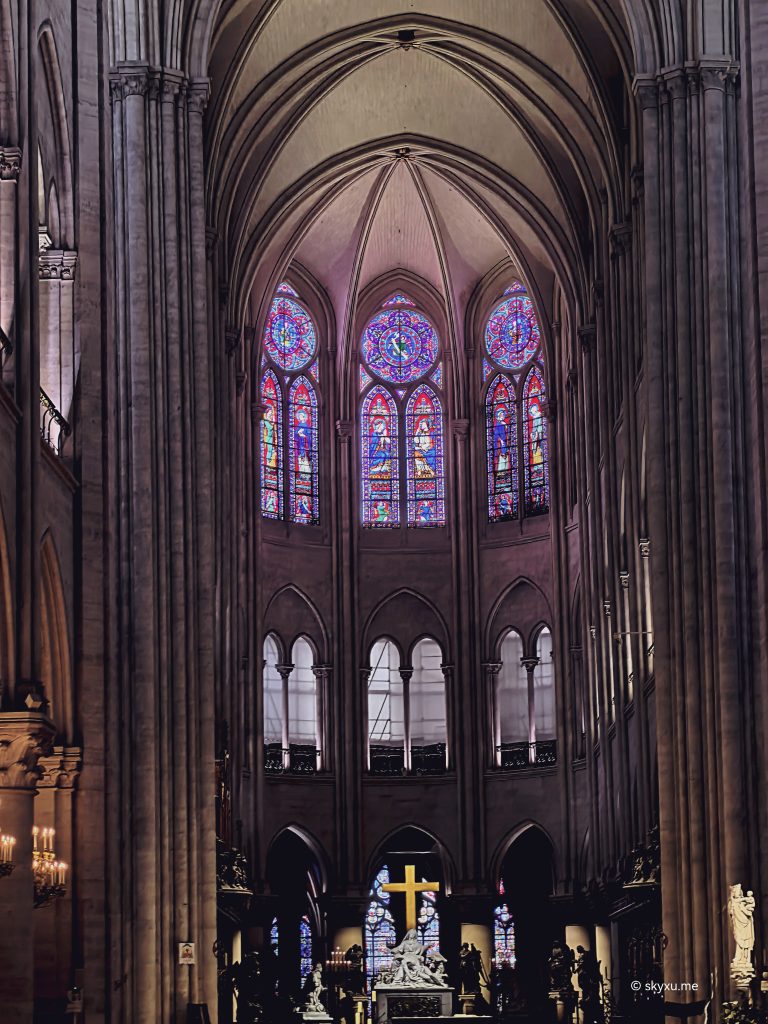
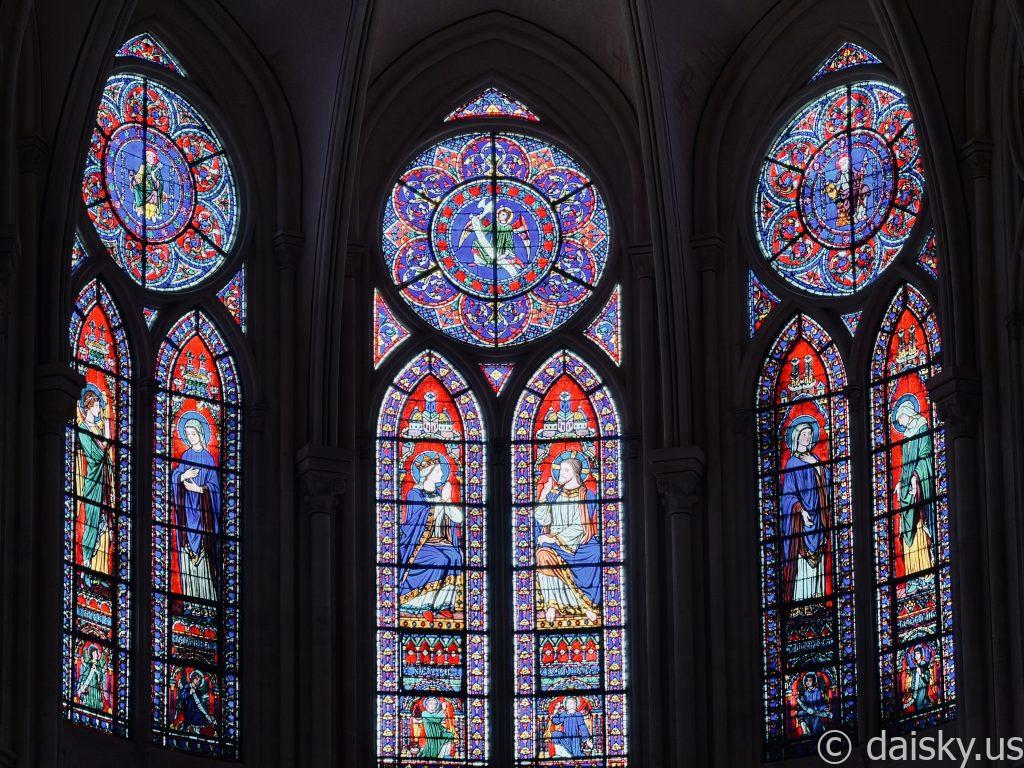
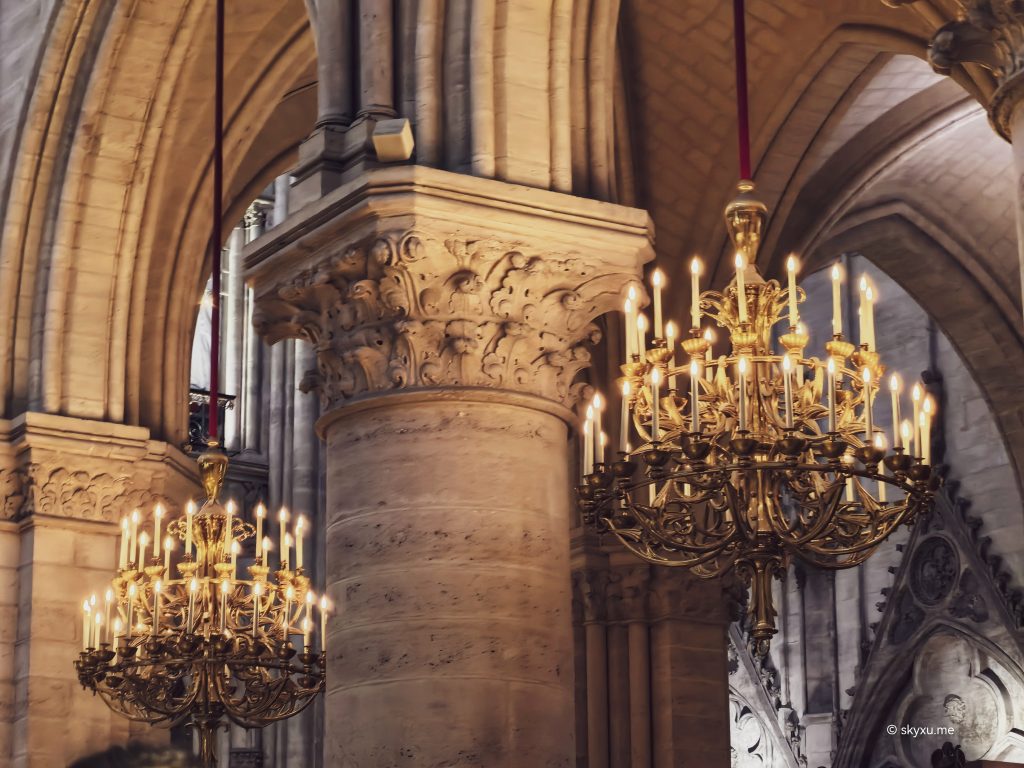
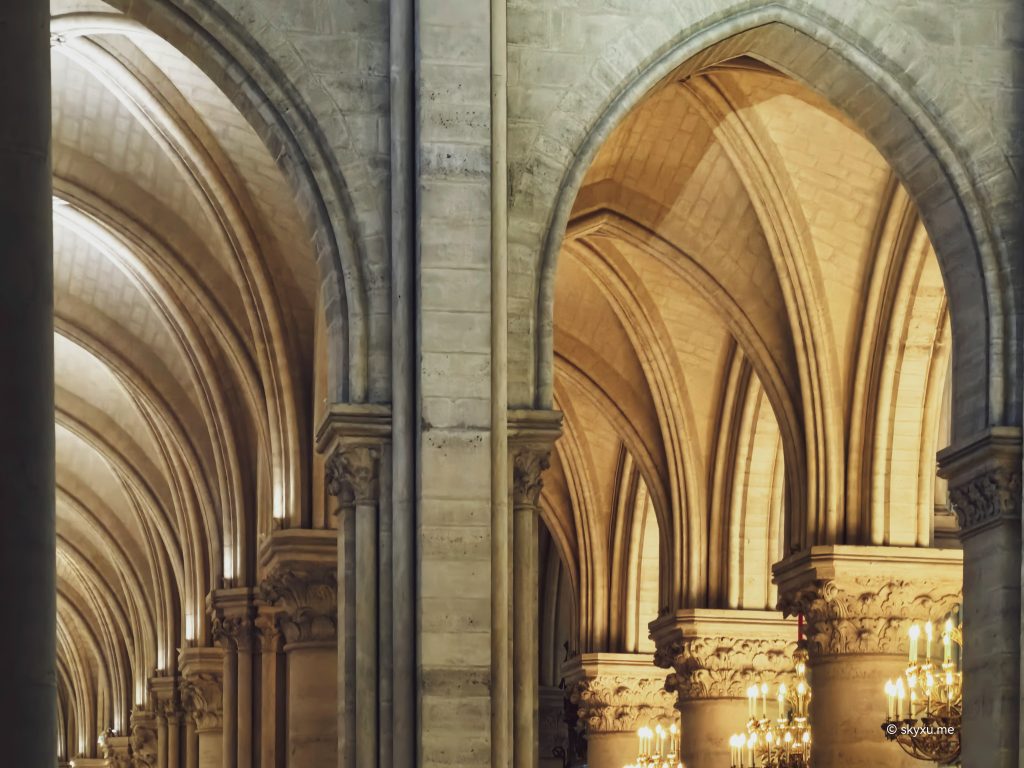
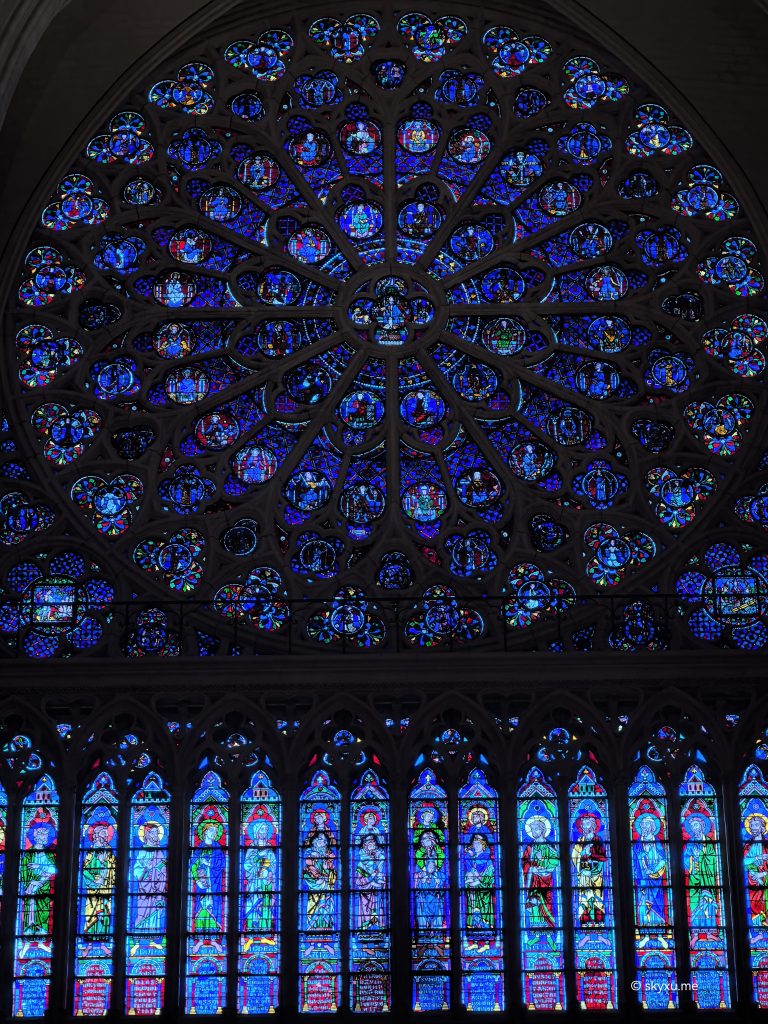
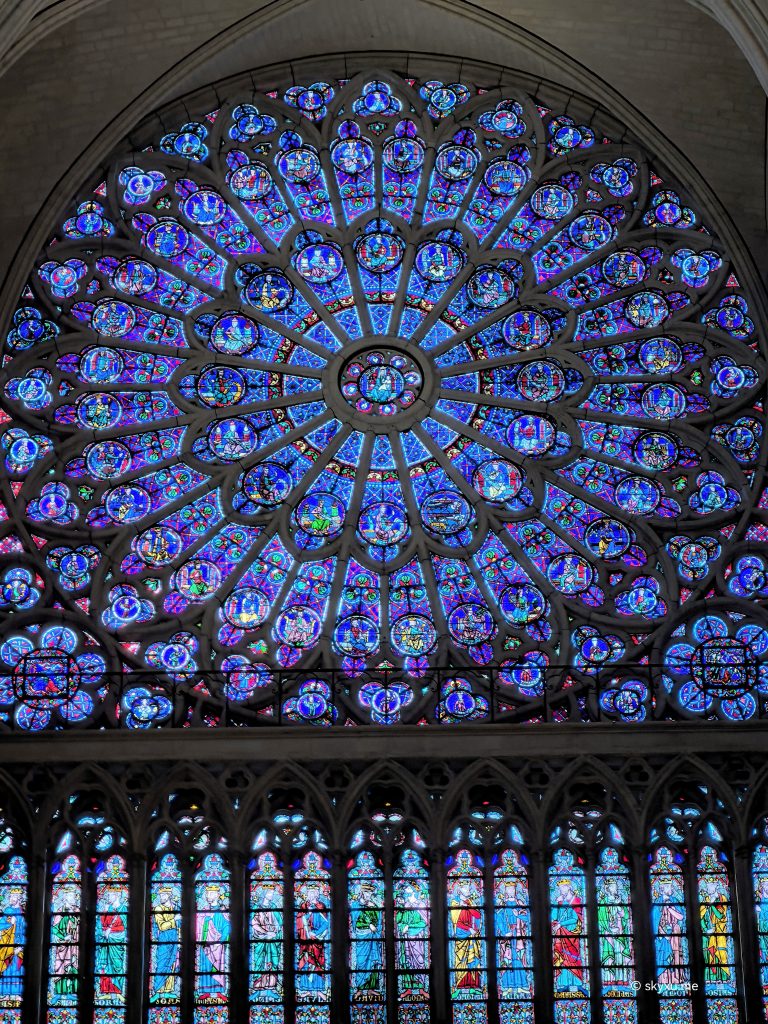
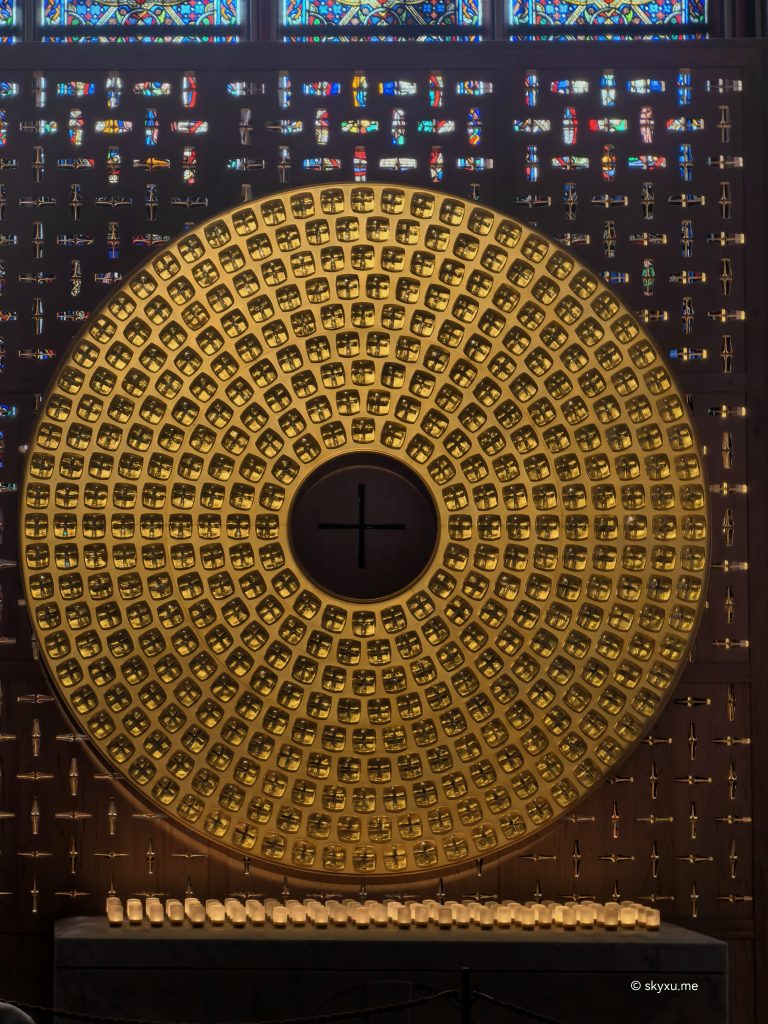
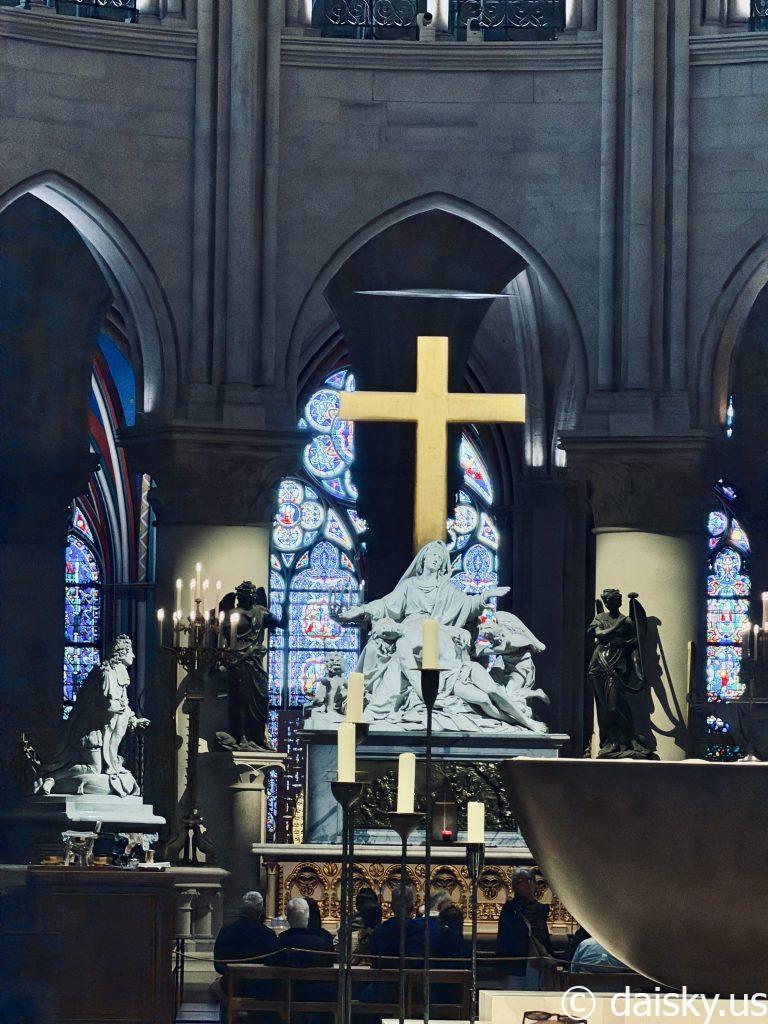
走进圣母院内部,视线离开外面那些密密麻麻的雕刻和飞扶壁,光变成主角。高高的柱子把空间往上托,彩窗把外面的天光过滤成柔和的颜色,吊灯、蜡烛、玫瑰窗、祭坛和十字架又把注意力慢慢带回宗教空间本身。站在里面时,圣母院就不只是雨果小说里的地标,也不只是游客排队参观的景点,而是一座仍然有人祈祷、点蜡烛、抬头看光的教堂。
Inside Notre-Dame, the dense carving and flying buttresses outside give way to a quieter kind of attention. Tall columns lift the space upward; stained glass filters daylight into soft color; chandeliers, candles, rose windows, altar, and cross bring the focus back to the church itself. From inside, Notre-Dame is not only the landmark from Victor Hugo, and not only a site for visitors to queue through. It is still a church where people pray, light candles, and look up into the light.
圣母院附近街角:宏大建筑落回生活 / Nearby streets: grandeur back into daily life
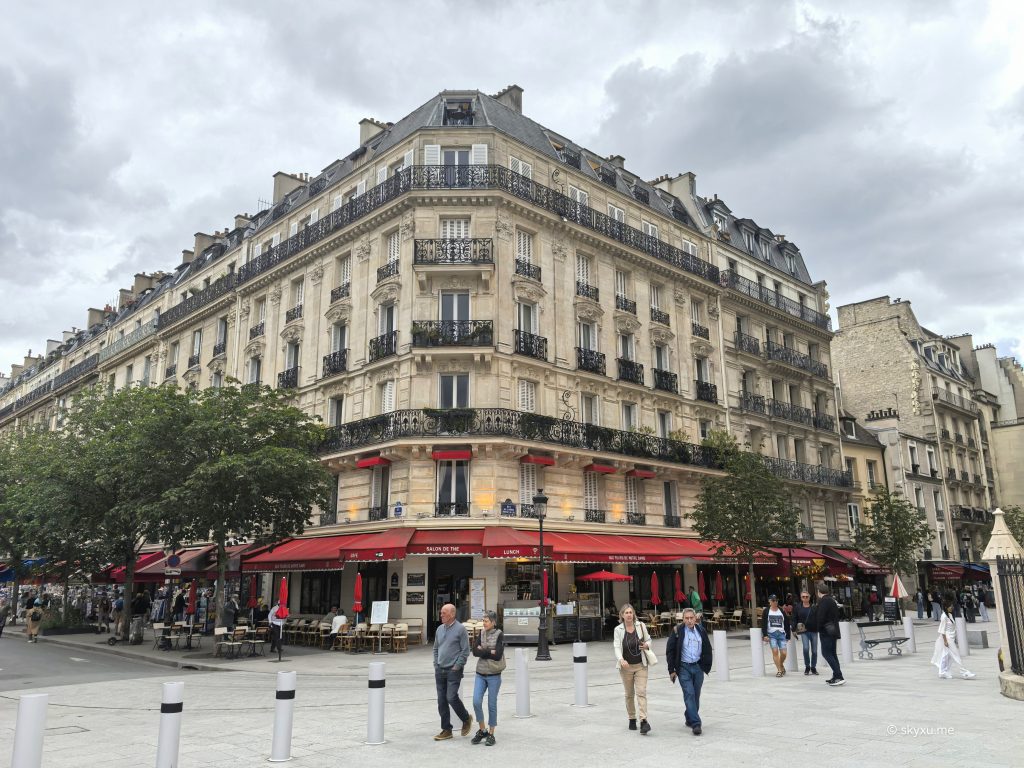
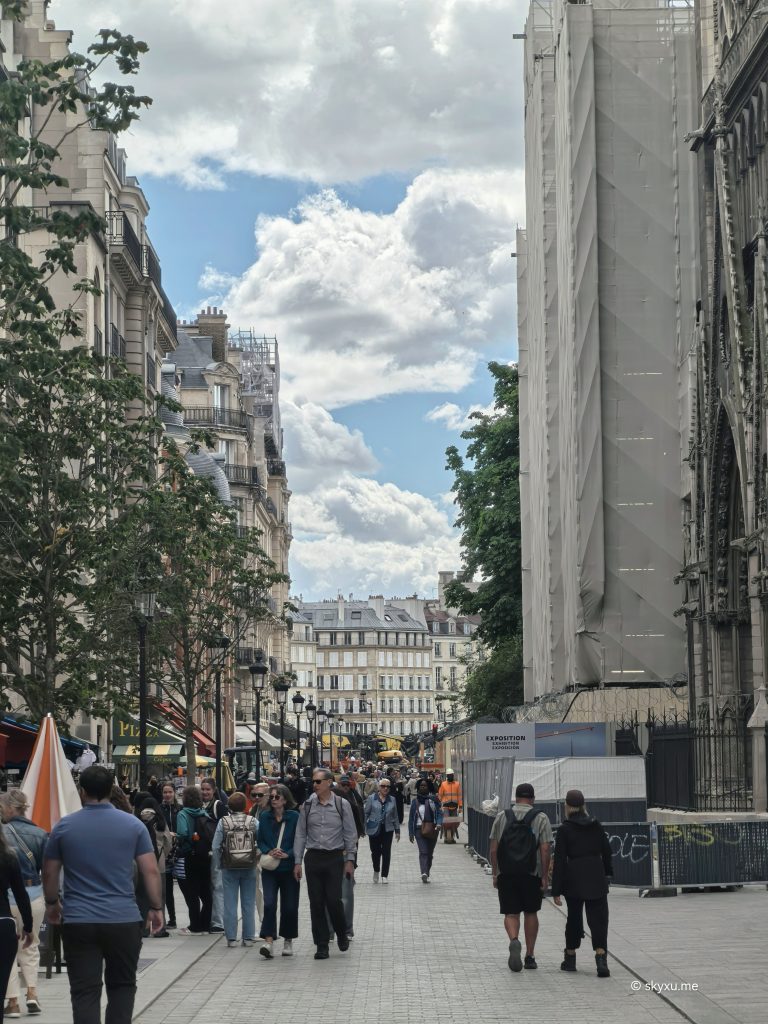
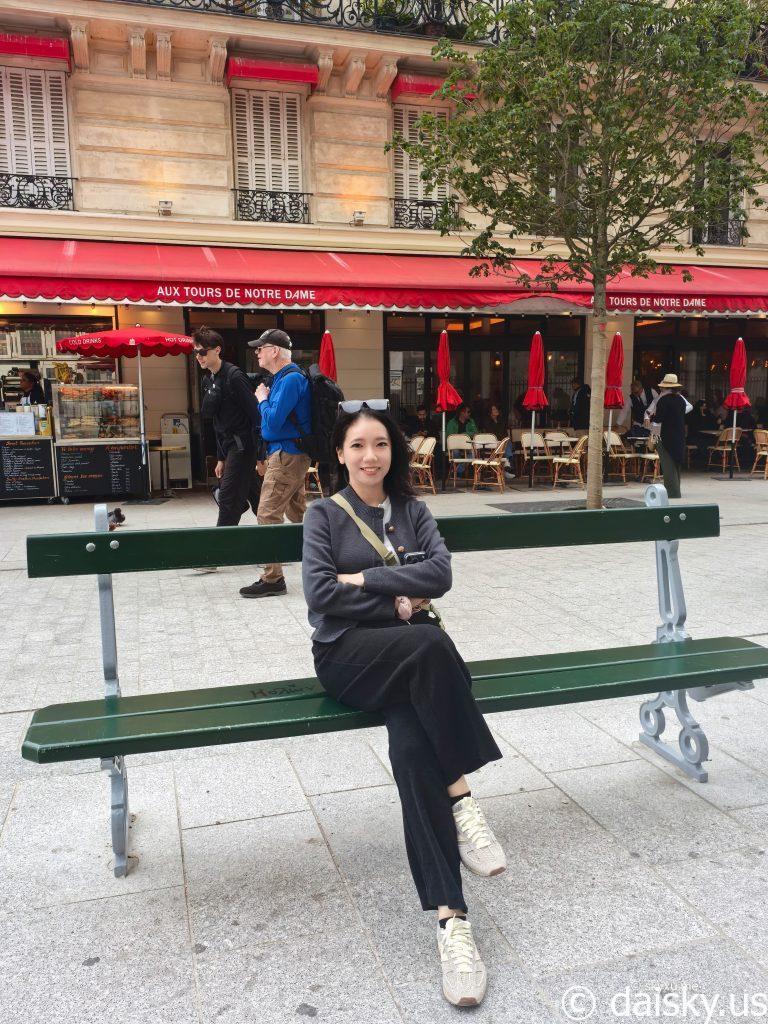
走出圣母院,旁边的街角把宏大建筑拉回日常。咖啡馆、奥斯曼立面、脚手架、路人和阴天,让巴黎从中世纪教堂切回有人吃饭、赶路、等红灯的城市。
Outside Notre-Dame, the nearby streets pull the cathedral back into daily life. Cafés, Haussmann façades, scaffolding, pedestrians, and cloudy sky shift Paris from medieval church to a city where people eat, cross streets, and keep moving.
从教堂回到餐桌 / Left Bank lunch and Vietnamese dinner: back to the table
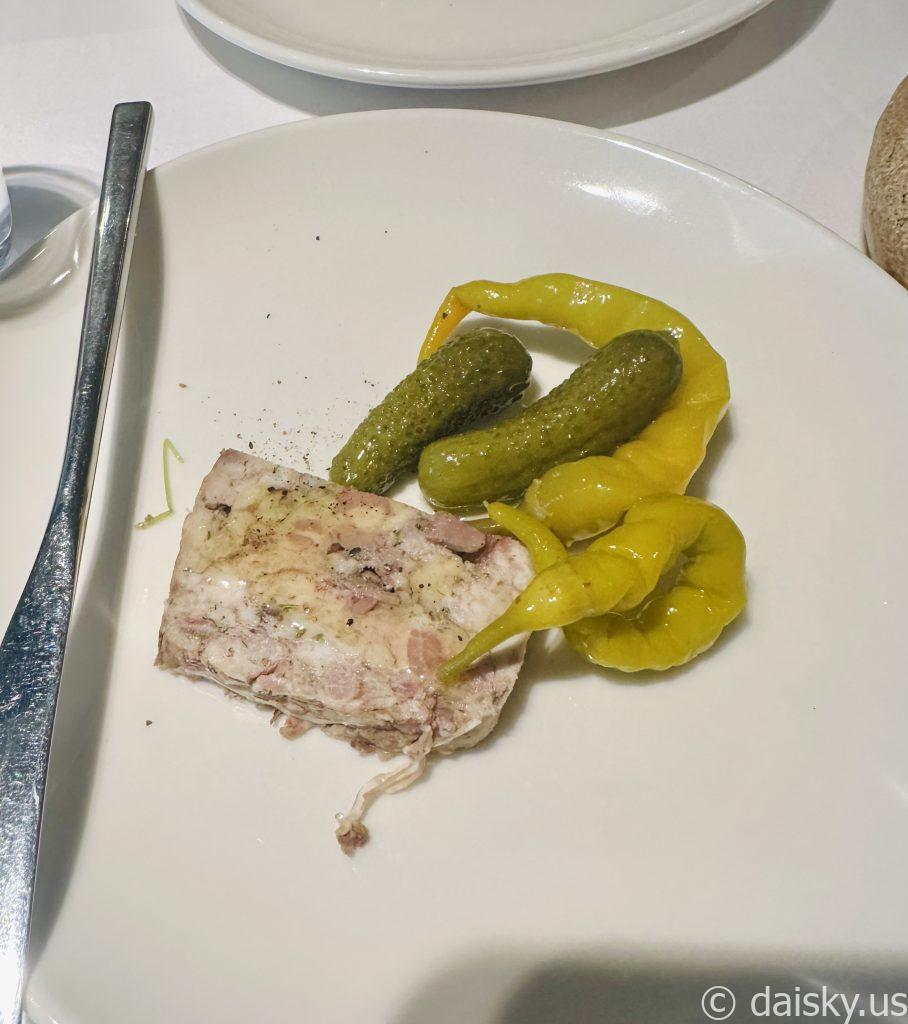
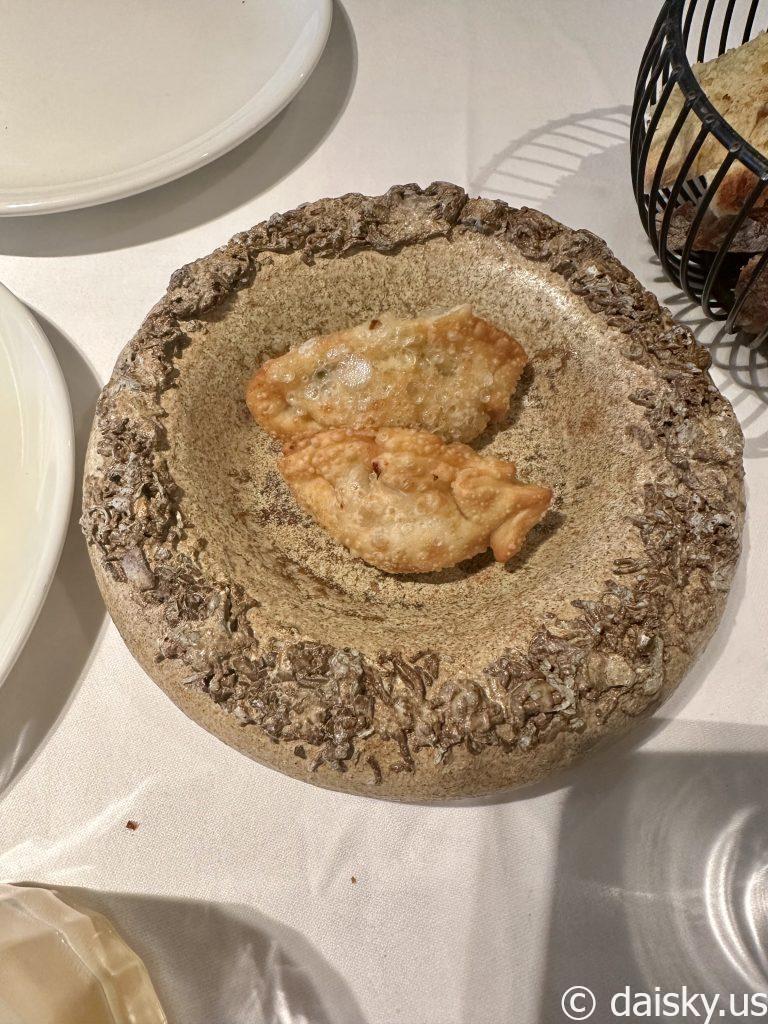
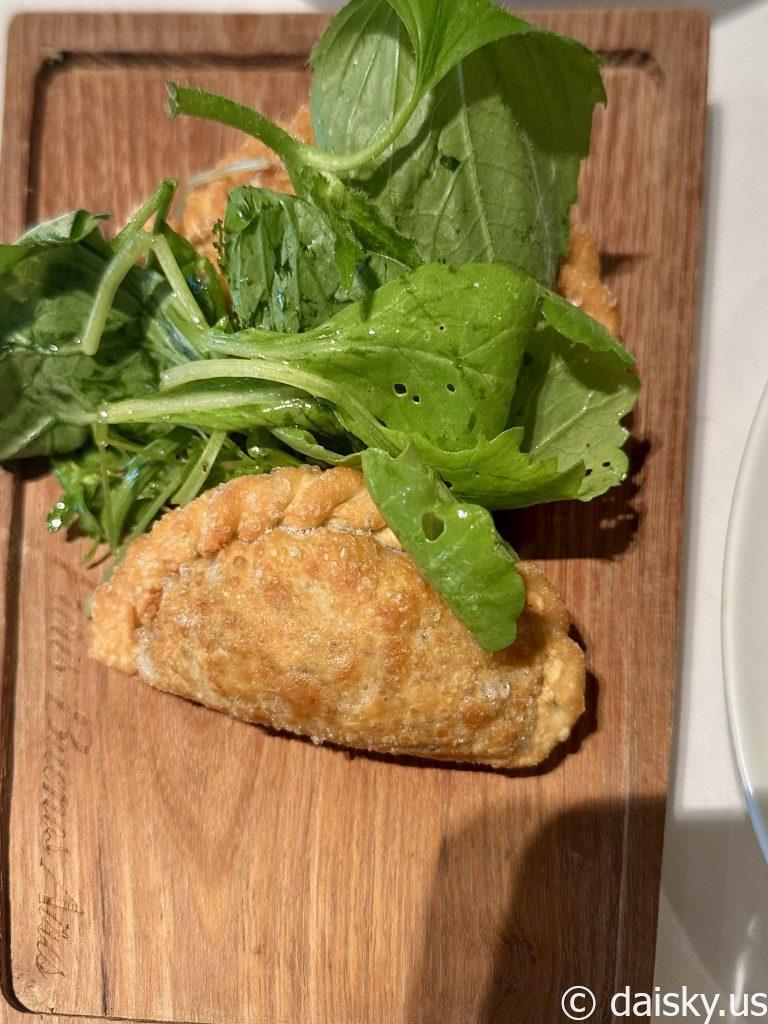
中午去了 Le Bon Marché 附近的 Dupin,terrine、empanadas、seafood carpaccio、牛排,像是从哥特雕刻和彩窗里出来后的一次中场休息:上午还在看石头和光,中午已经坐在左岸附近吃一顿带阿根廷风格的午餐。
Lunch was at Dupin near Le Bon Marché: terrine, empanadas, seafood carpaccio, and steak — a kind of intermission after Gothic carving and stained glass. In the morning it was stone and light; by noon it was an Argentine-leaning lunch near the Left Bank.
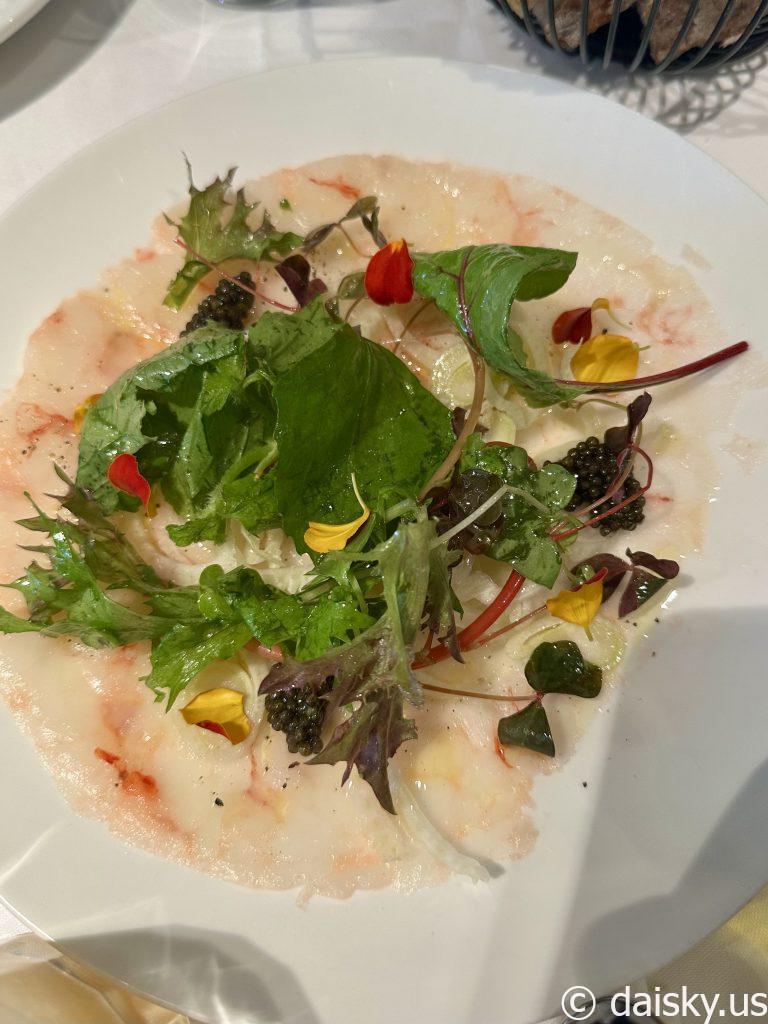
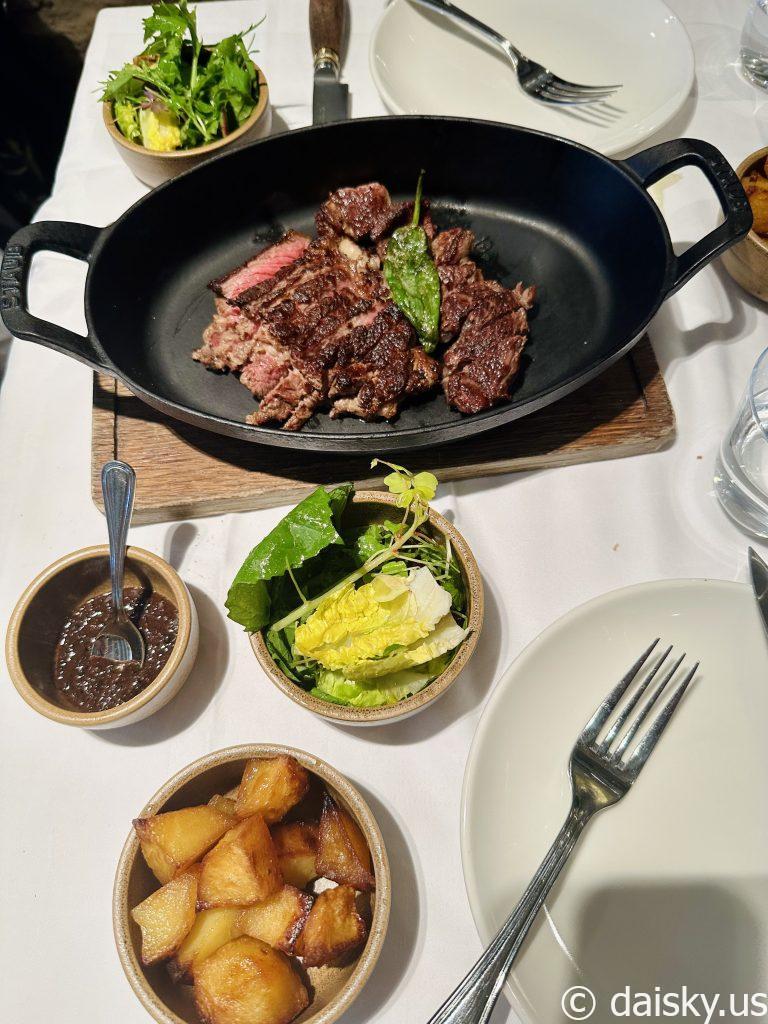
晚上则用越南菜收尾。烤猪排、牛肉粉、热汤和米粉,把这一天从教堂、百货和左岸午餐带回到身体本身。旅行里有些饭不需要承担“惊艳”的任务,只要让人舒服、让胃安定下来,才是最重要的。
Dinner closed the day with Vietnamese food. Grilled pork, beef phở, hot broth, and rice noodles brought the day back from cathedral, department store, and lunch to the body itself. Some meals on a trip do not need to be spectacular. If they make you comfortable and settle the stomach, they have done enough.
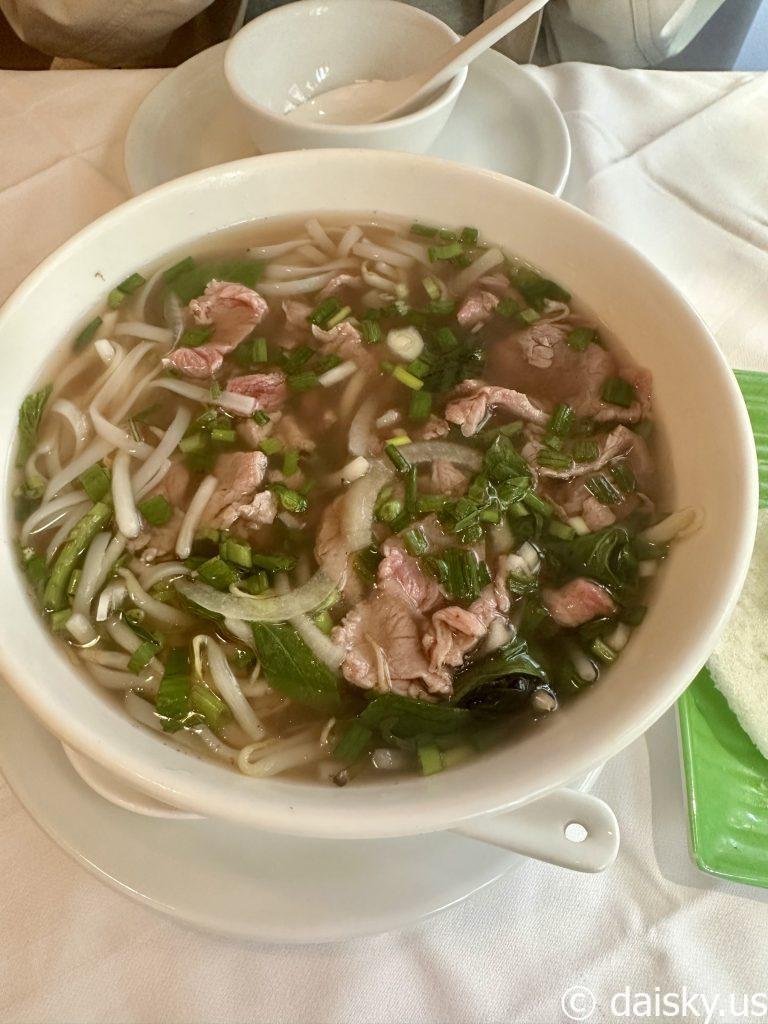
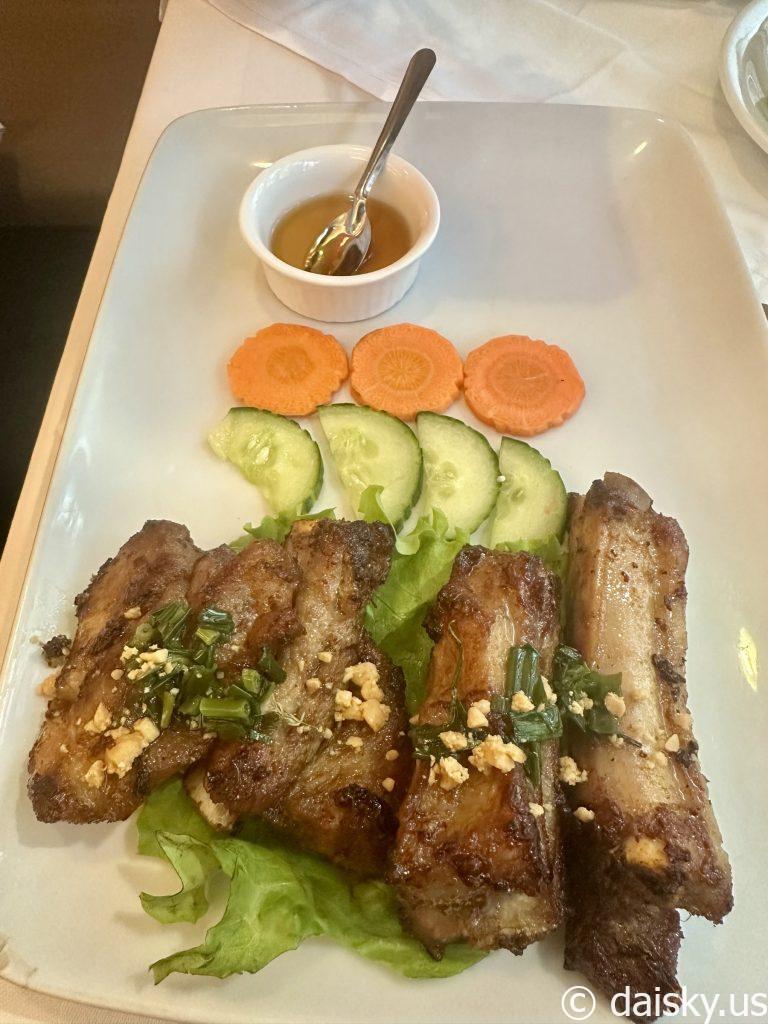
晚上路过的小教堂 / A smaller church on the way
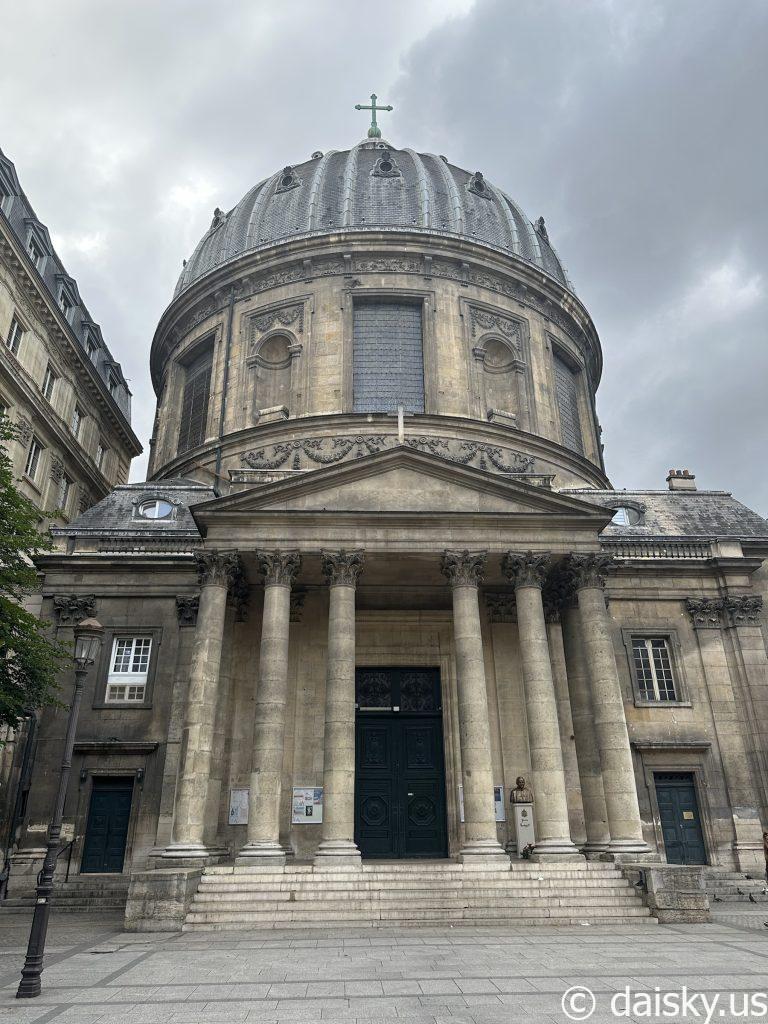
晚上路过的 Notre-Dame-de-l’Assomption 是一个小注脚:巴黎不只有最著名的巴黎圣母院。街角这些不太抢镜的教堂,也在提醒人,这座城市的历史不是集中在几个大景点里,而是铺在很多日常路线旁边。
The evening photo of Notre-Dame-de-l’Assomption is a small footnote: Paris is not only the famous Notre-Dame. Quieter churches on ordinary routes show that the city’s history is not confined to headline landmarks.
Avenue de l’Opéra 和旺多姆:普通街景也很巴黎 / Avenue de l’Opéra and Vendôme: street scenes with history
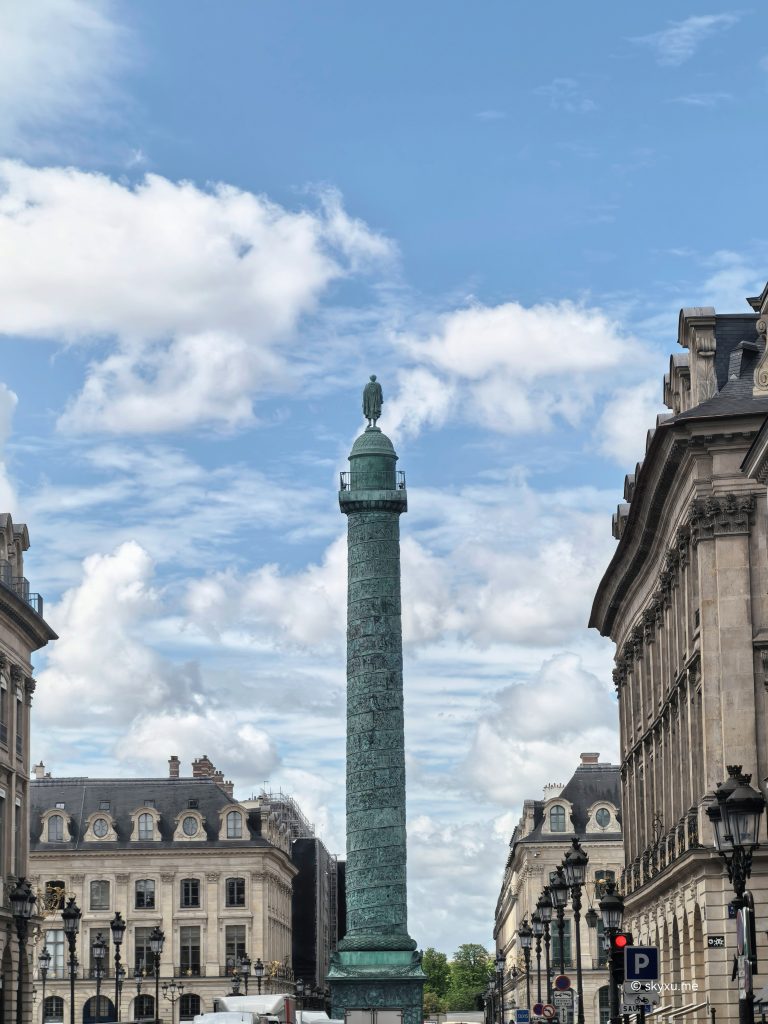
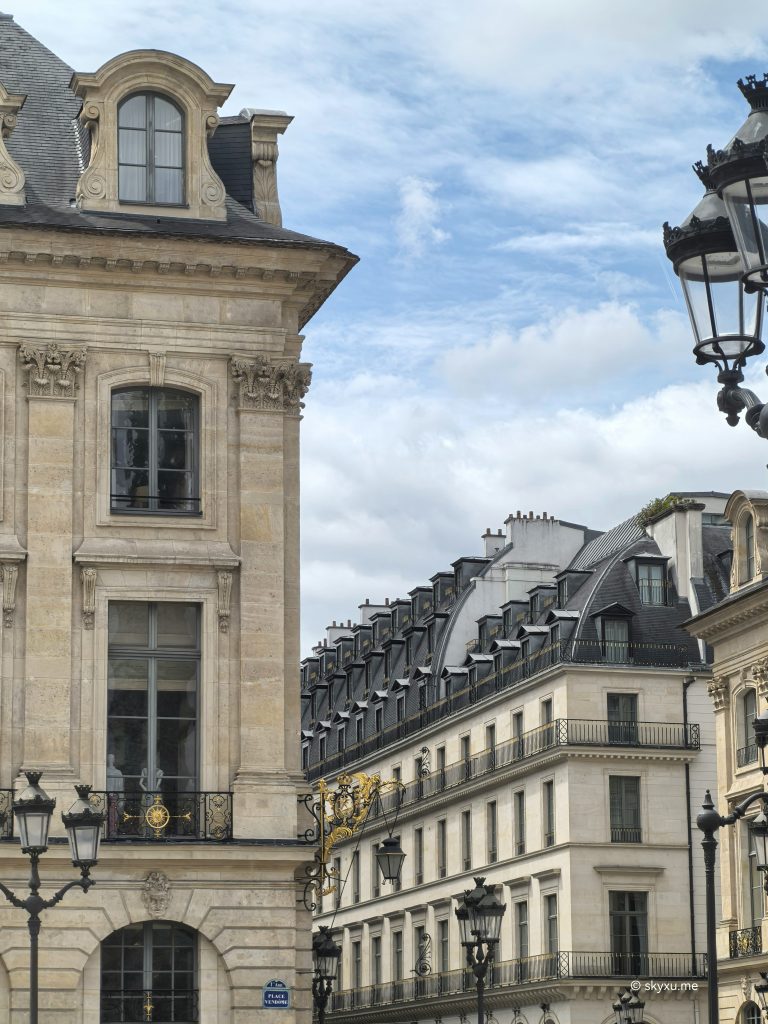
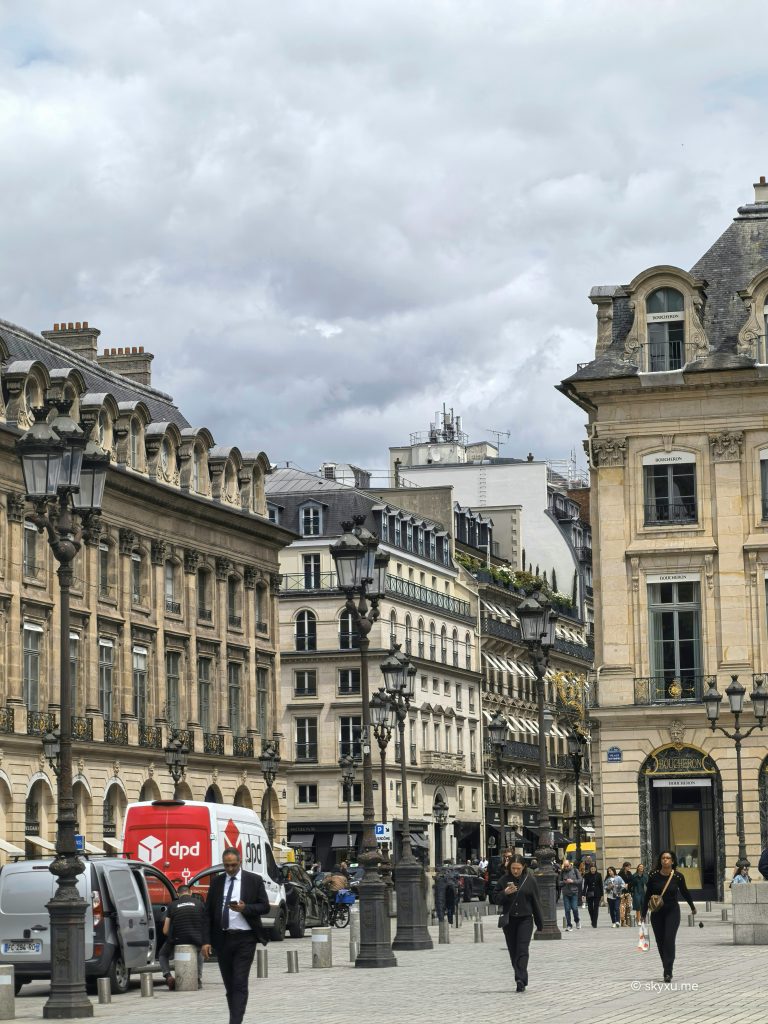
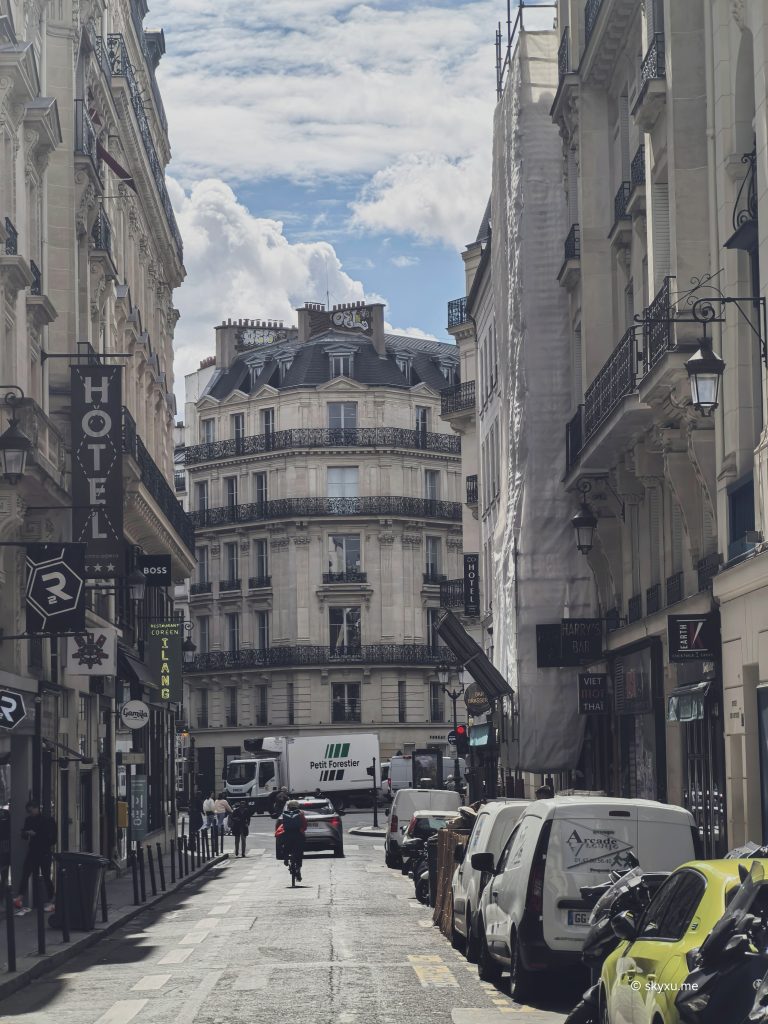
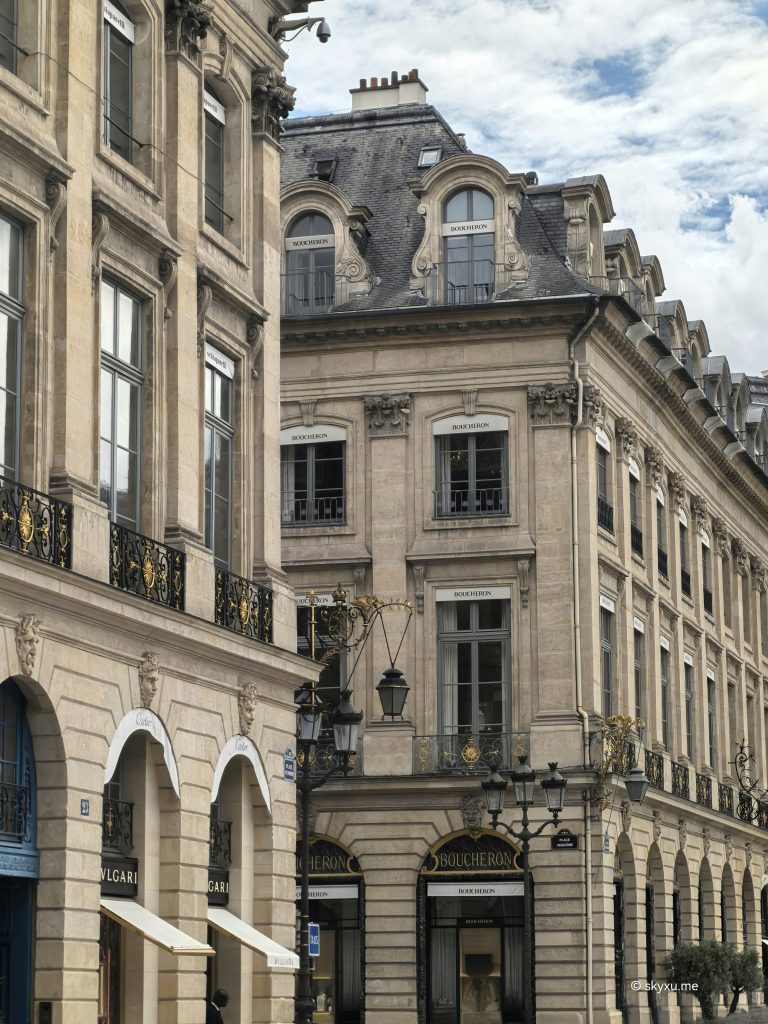
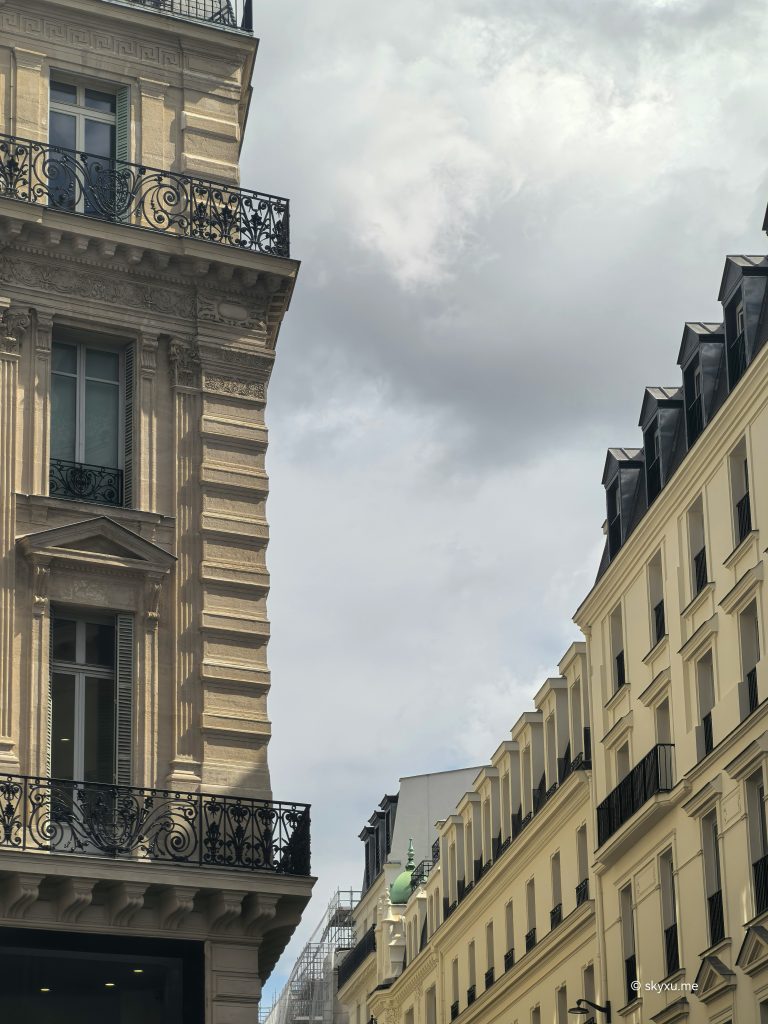
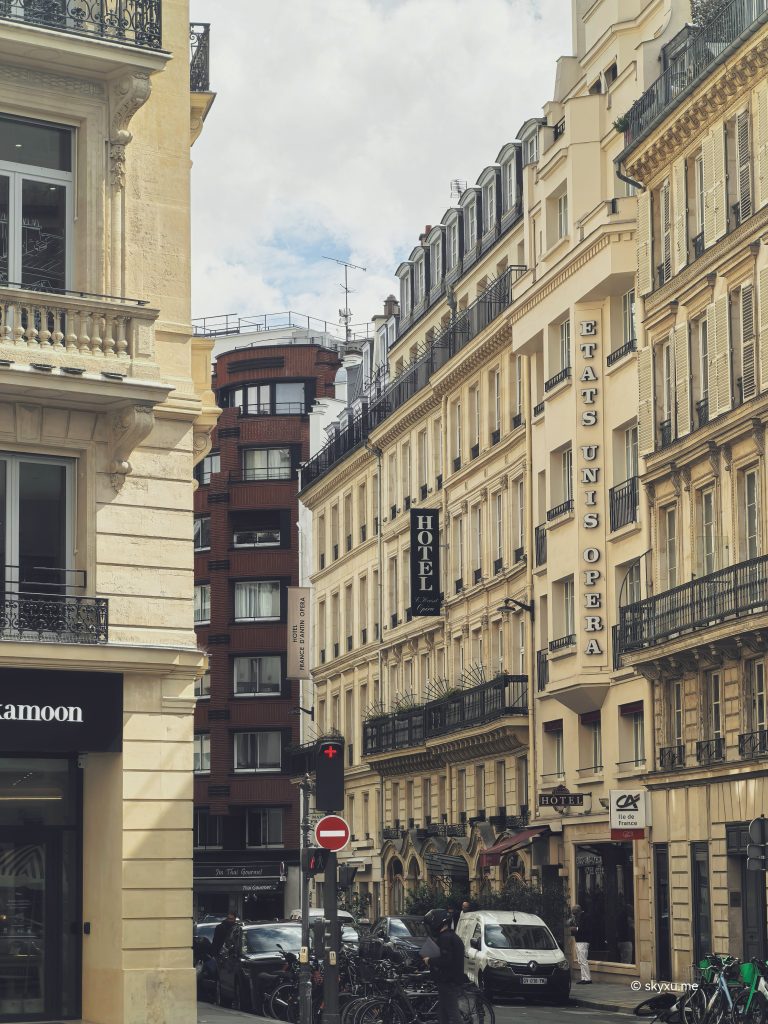
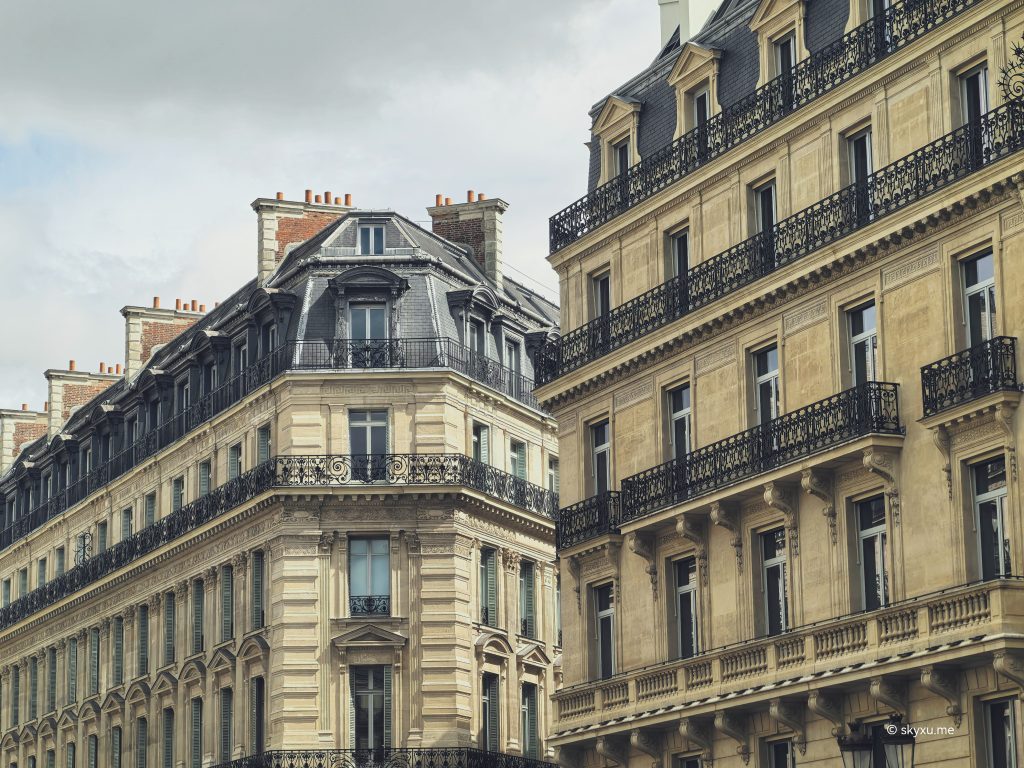
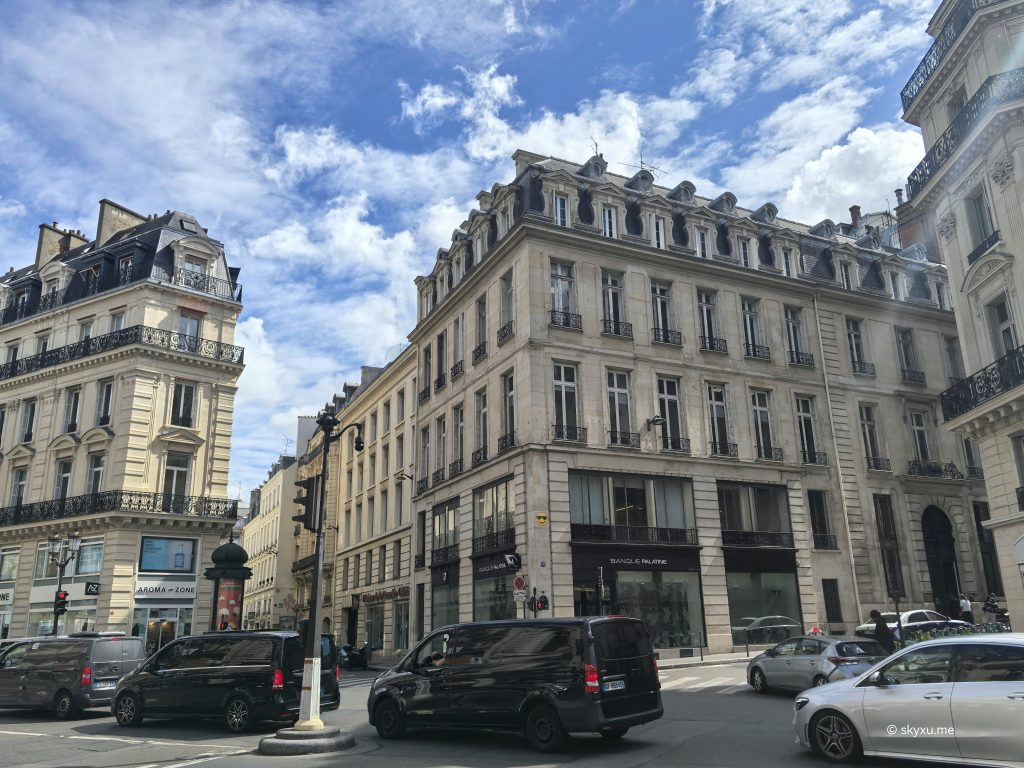
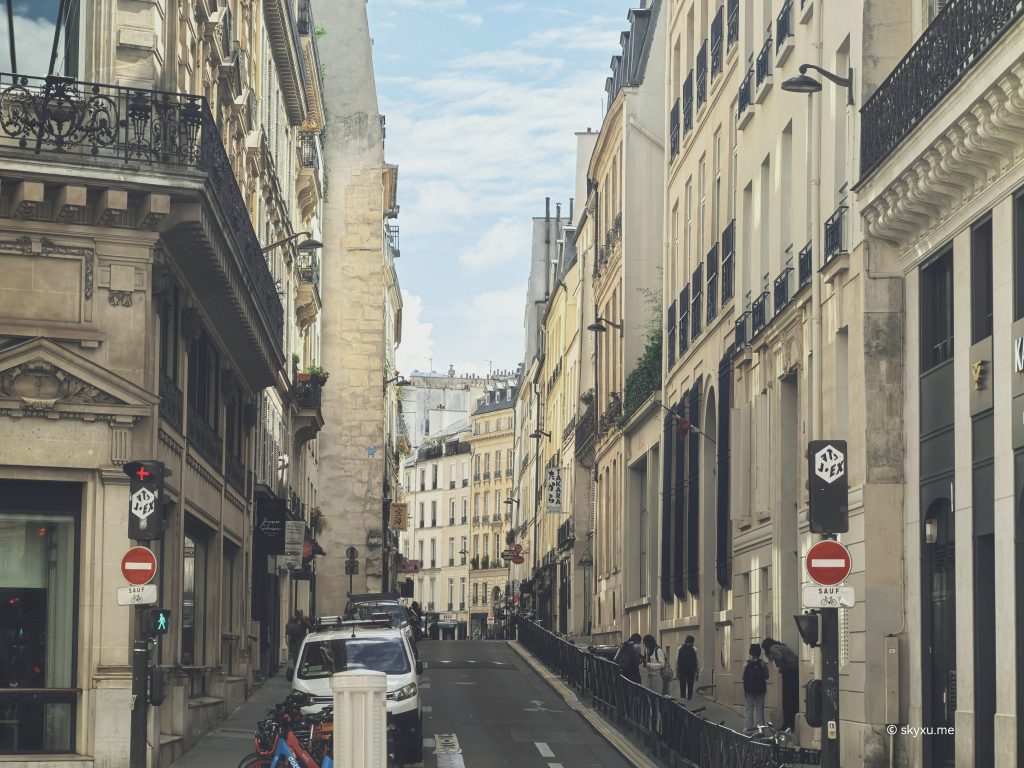
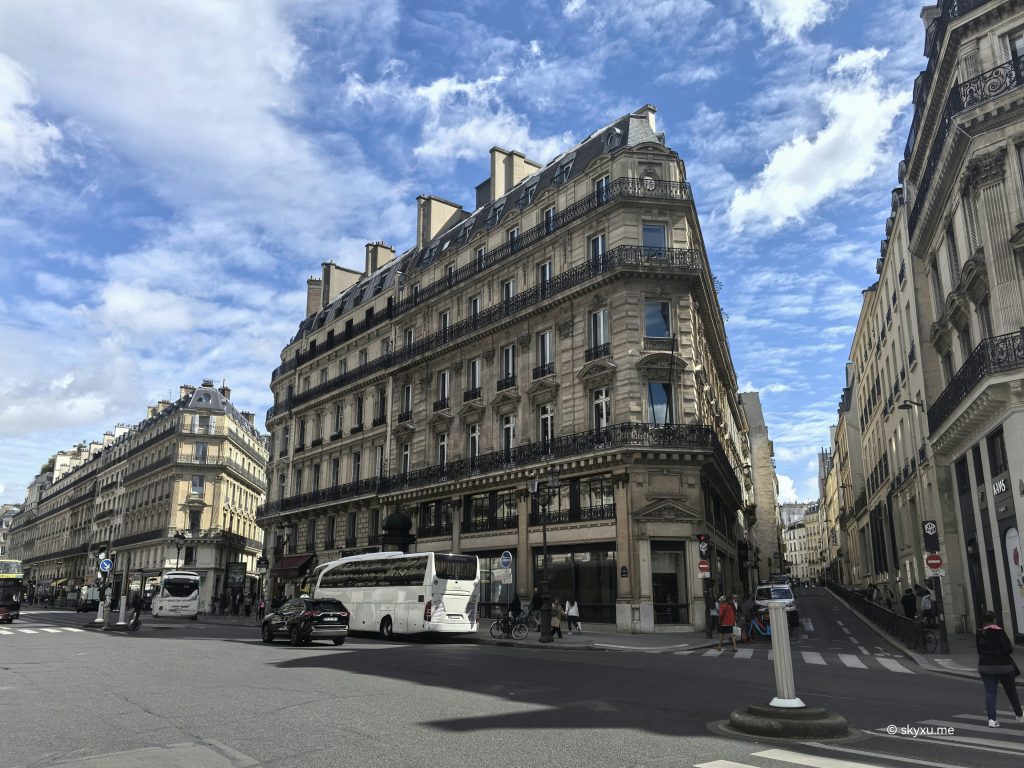
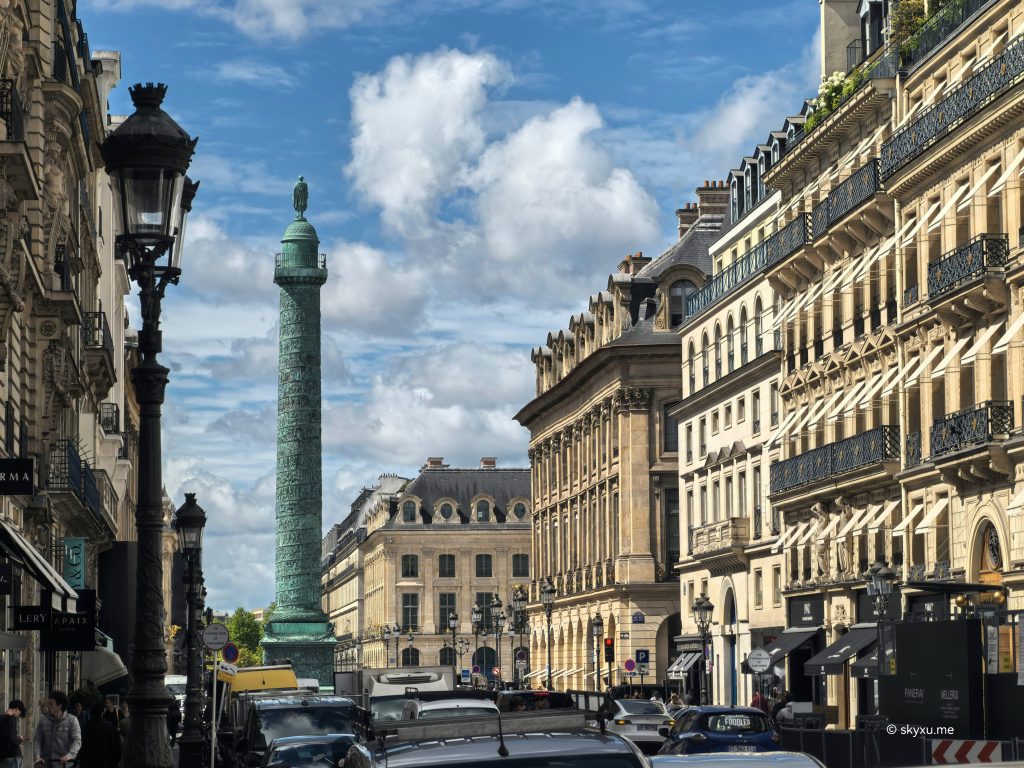
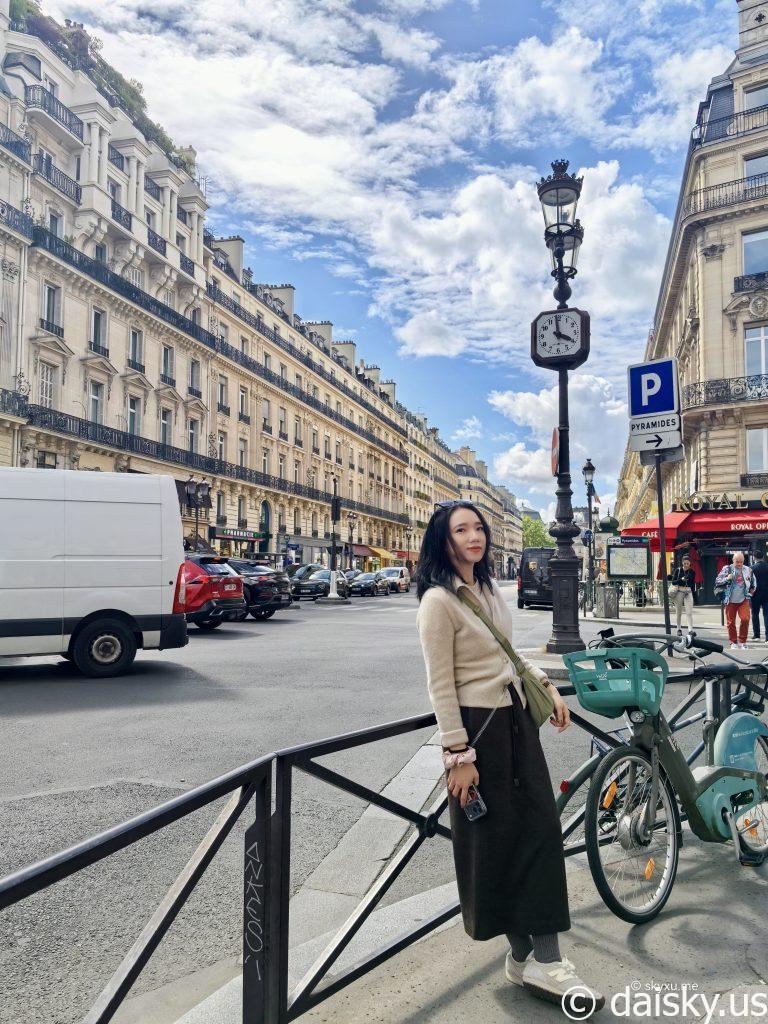
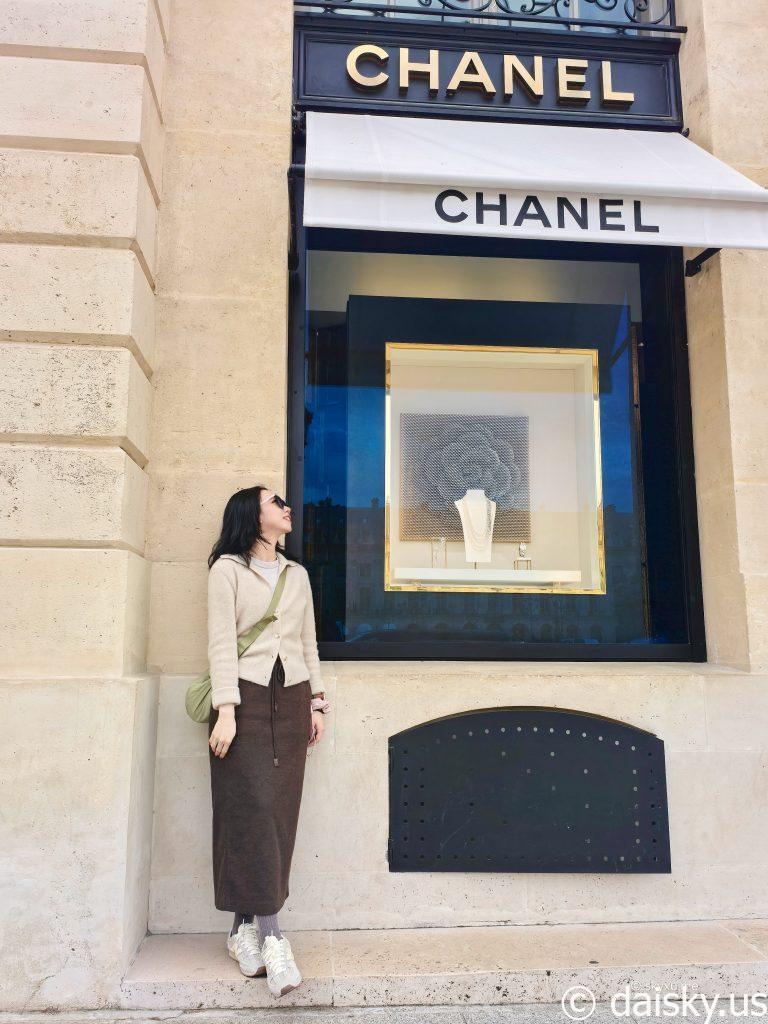
这一天的上午是 city walk。Avenue de l’Opéra、Colonne Vendôme、旺多姆广场、奥斯曼立面、铁艺阳台、mansard 屋顶、酒店招牌、摩托、送货车和云,放在一起很巴黎。
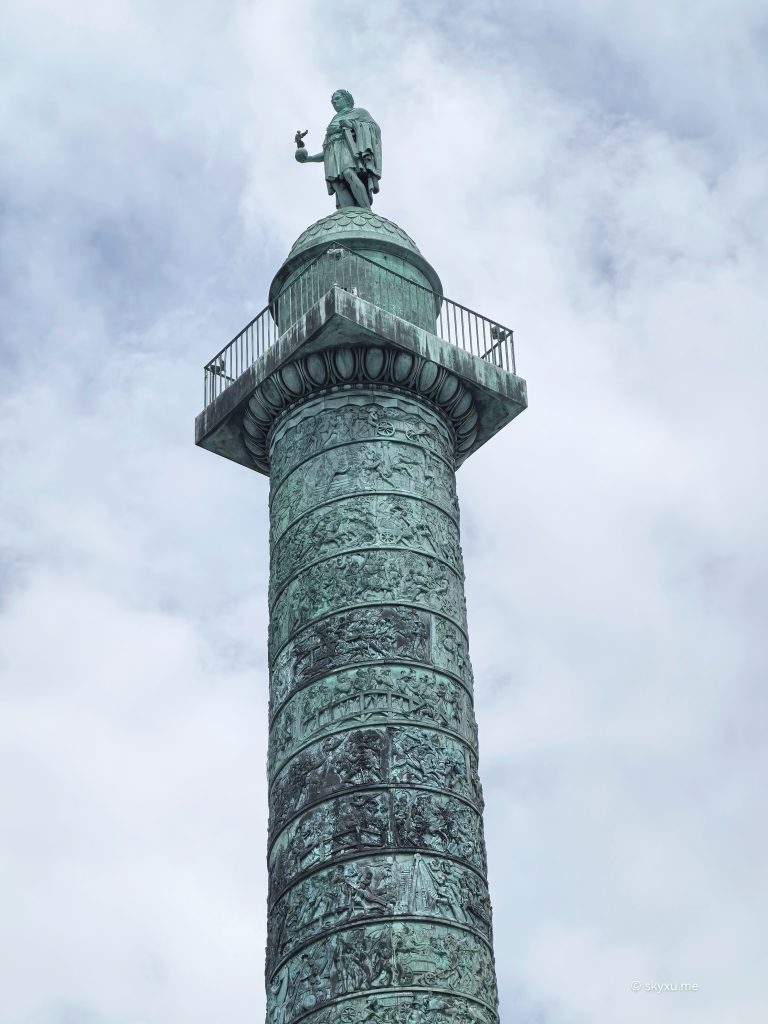
旺多姆圆柱背后有拿破仑、奥斯特里茨、战利品和巴黎公社的复杂历史;但站在广场上看,它也和珠宝店、银行、航空公司招牌、街头交通同时存在。巴黎的历史经常不是“过去式”,而是直接站在今天的城市物流旁边。
This day began with a city walk: Avenue de l’Opéra, Colonne Vendôme, Place Vendôme, Haussmann façades, iron balconies, mansard roofs, hotel signs, scooters, delivery vans, and clouds.
The Vendôme Column carries Napoleon, Austerlitz, captured cannons, and the Paris Commune in its history, but in the photos it also stands beside jewelry houses, banks, airline signs, and traffic. In Paris, history often stands right next to today’s logistics.
RIVAGES 午餐:一顿漂亮饭 / RIVAGES lunch: more careful than tourist bistro food
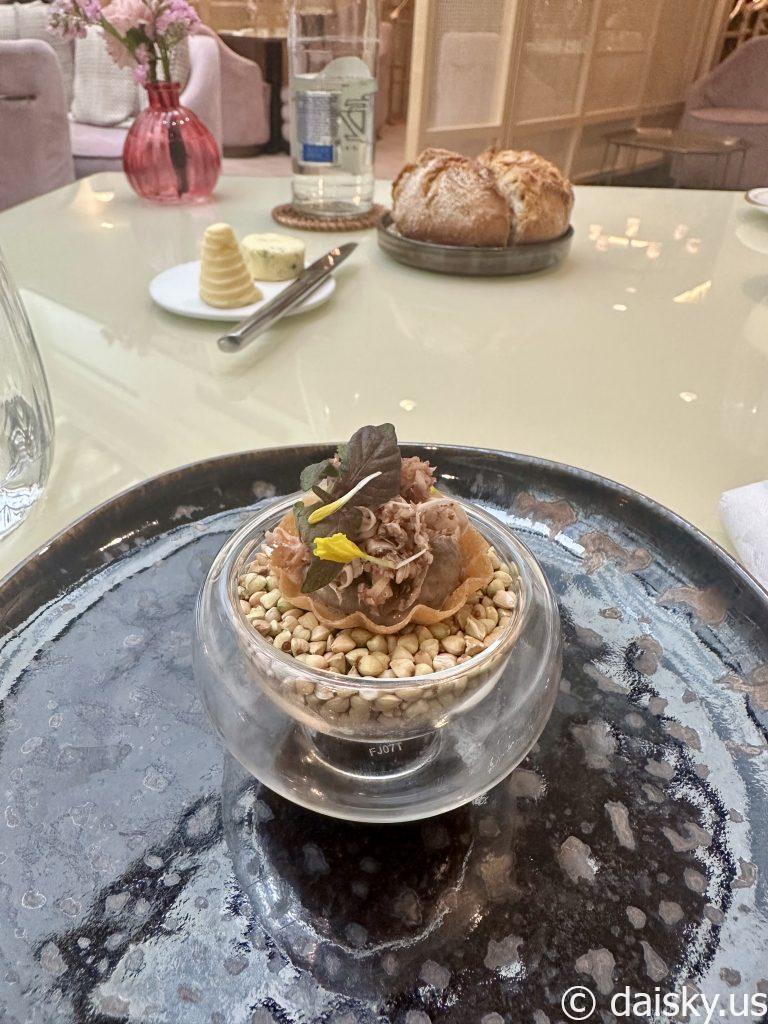
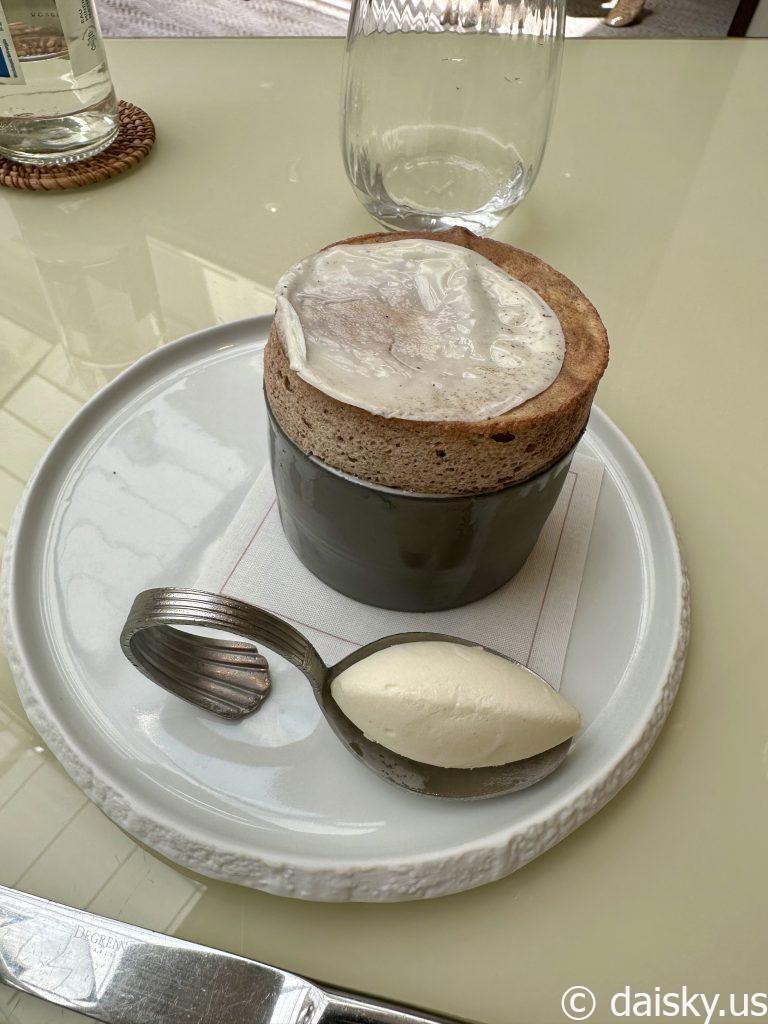
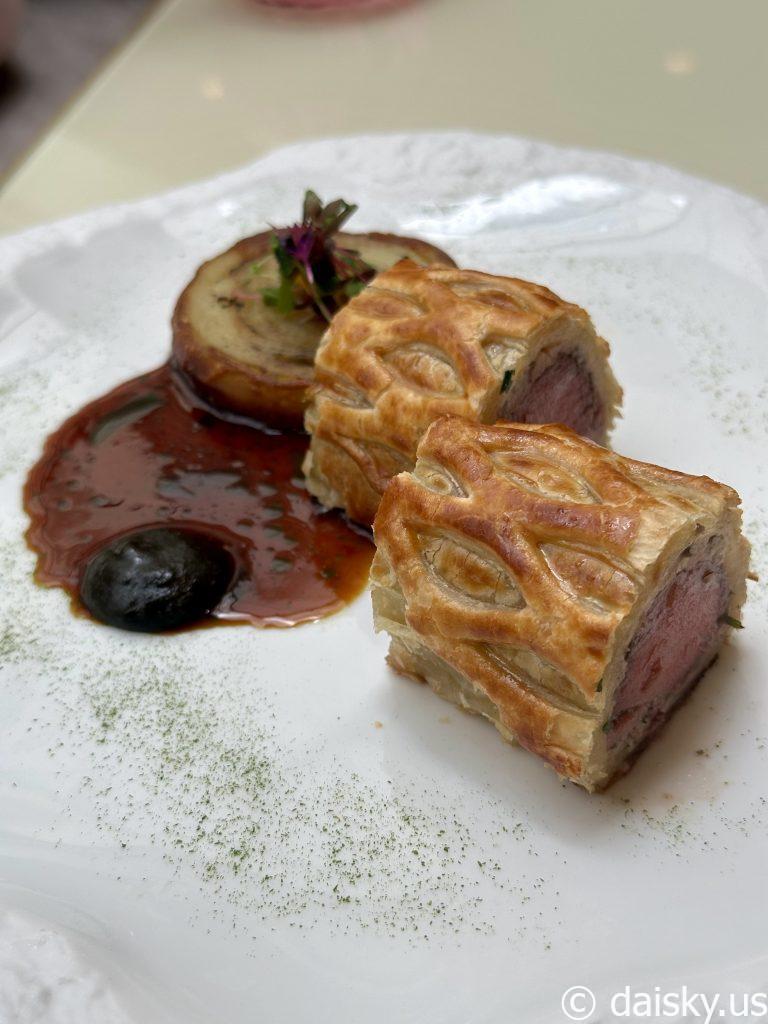
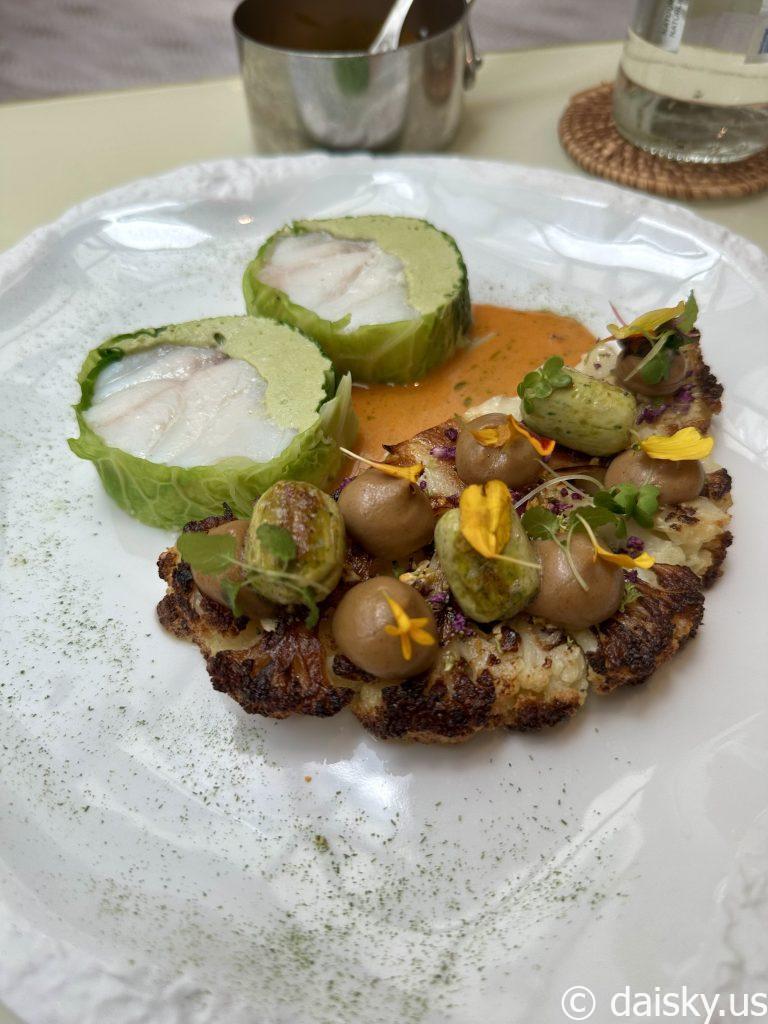
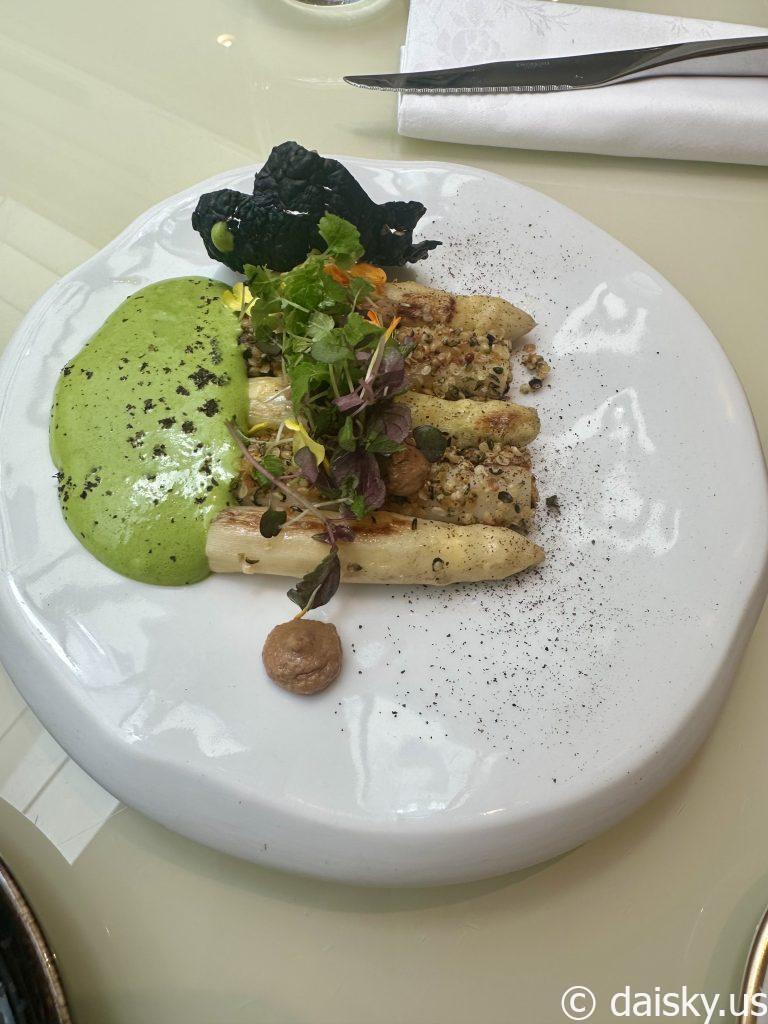
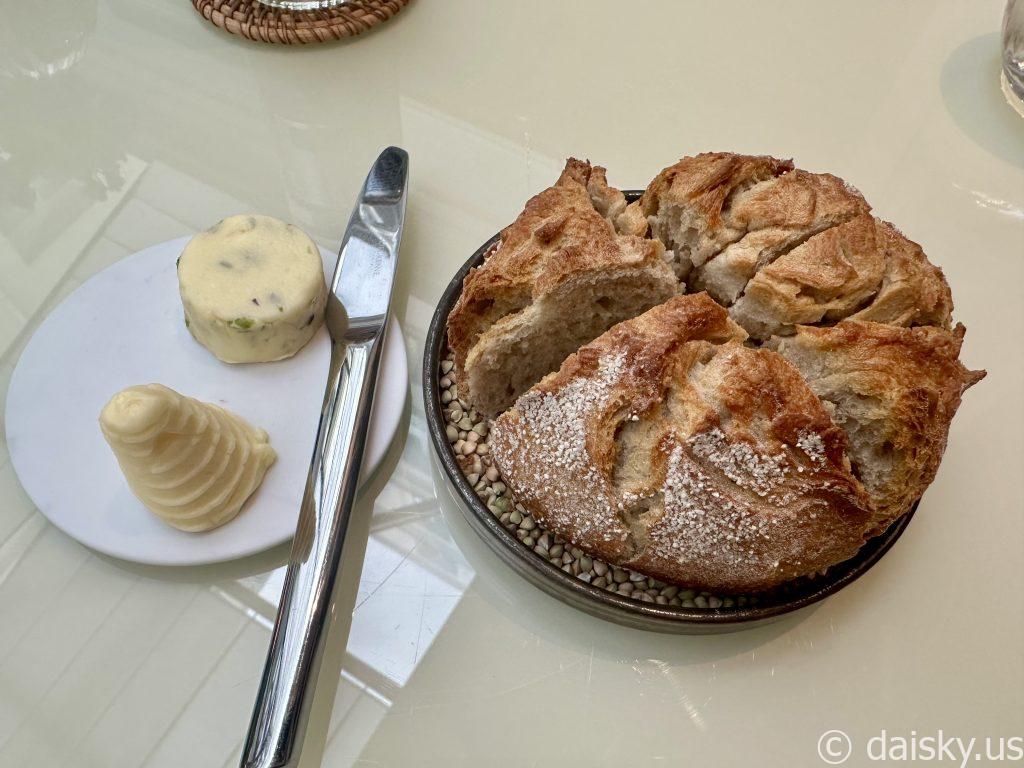
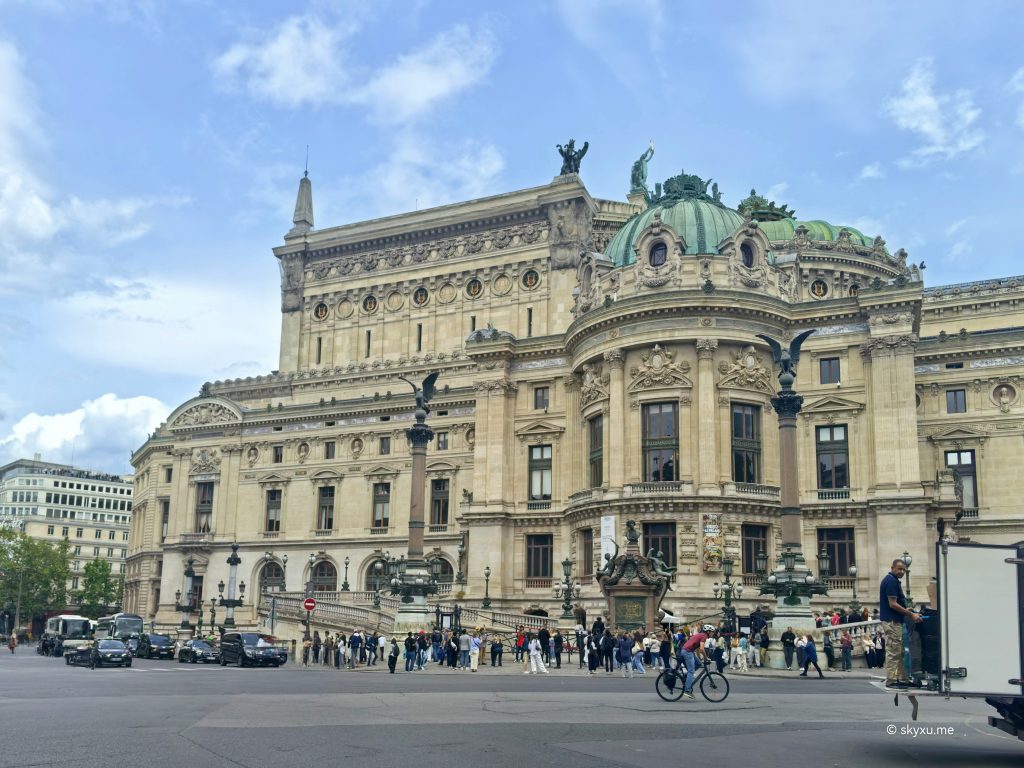
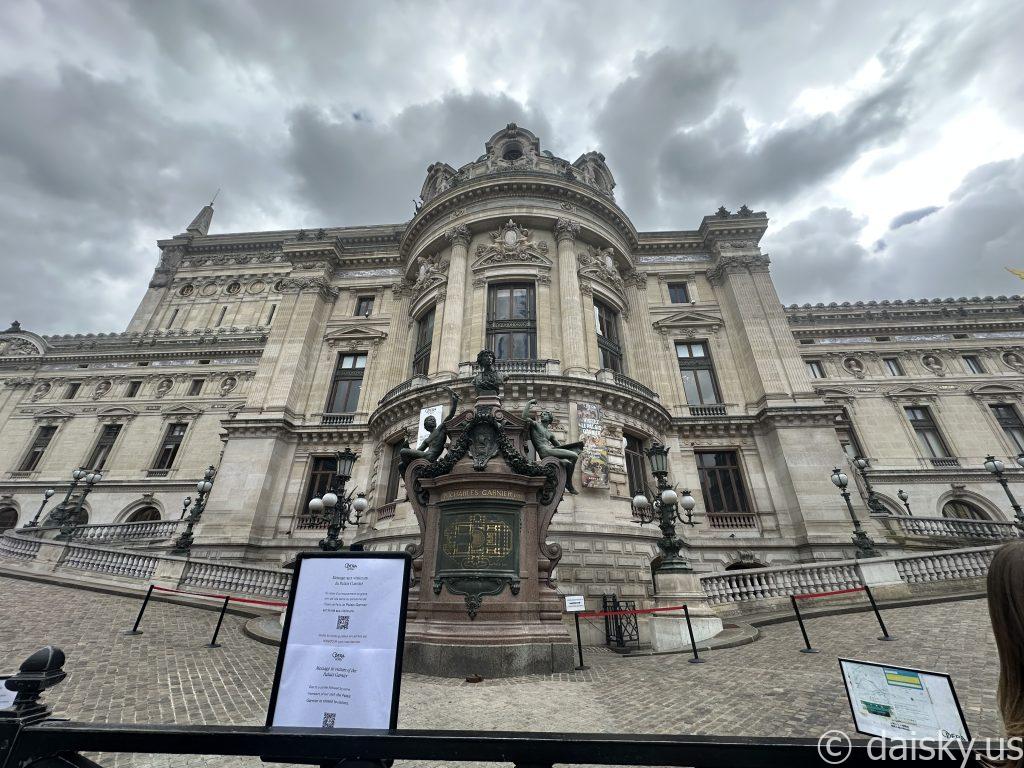
加尼叶歌剧院:建筑先开场 / Palais Garnier exterior: the building opens the show
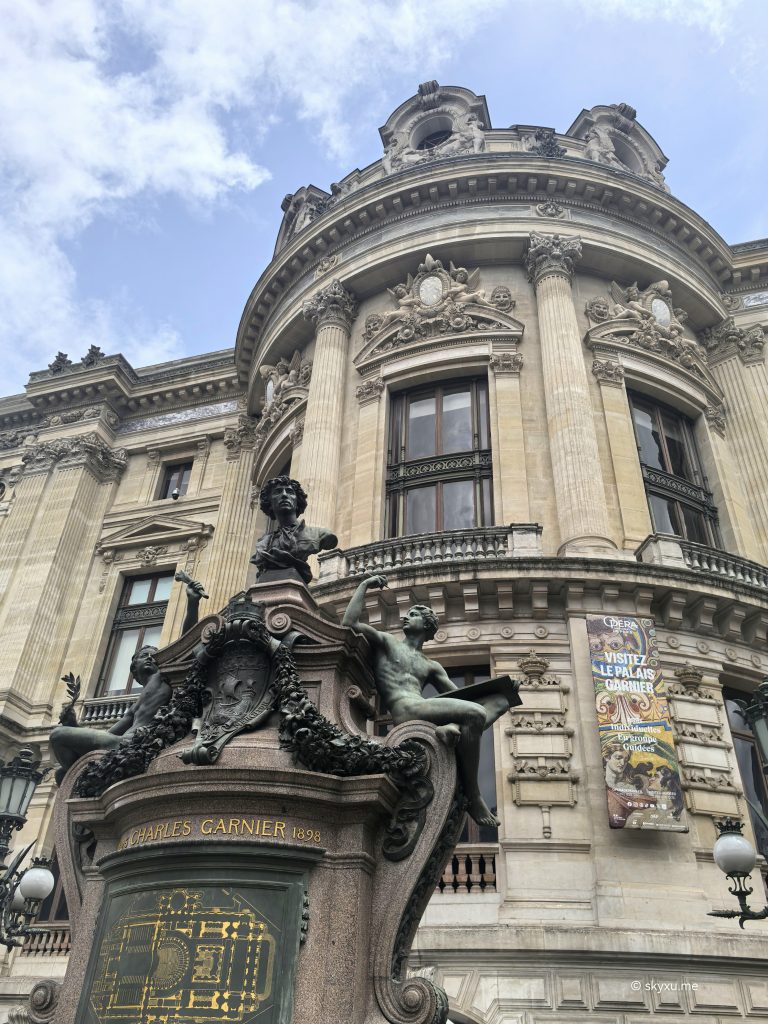
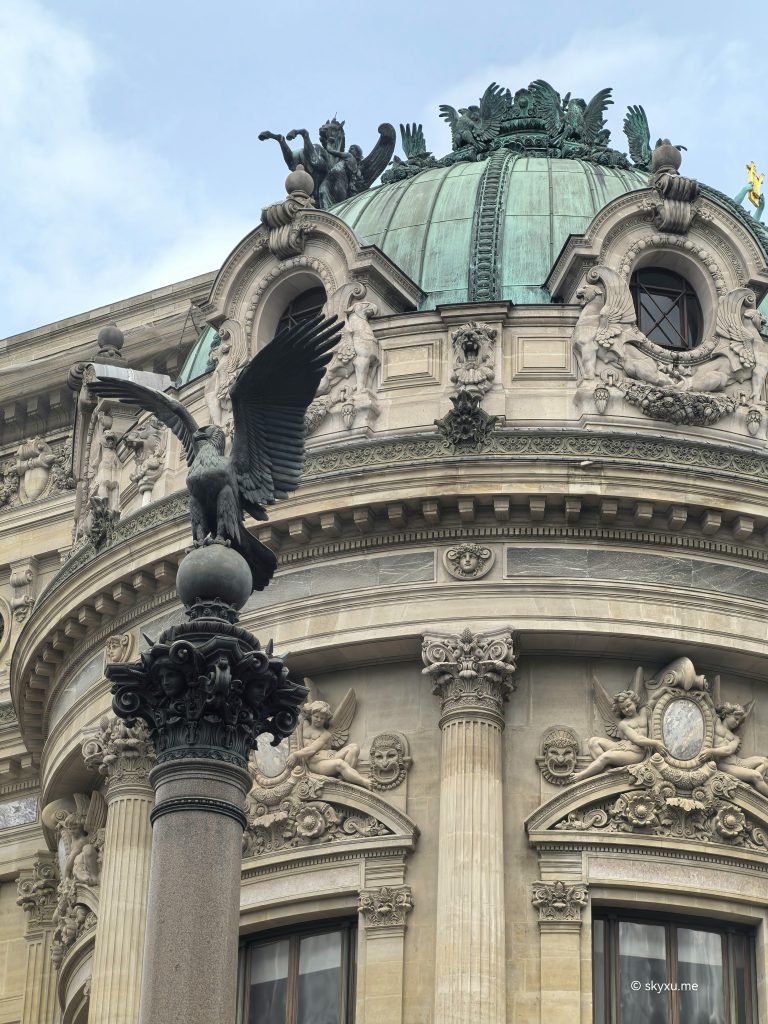
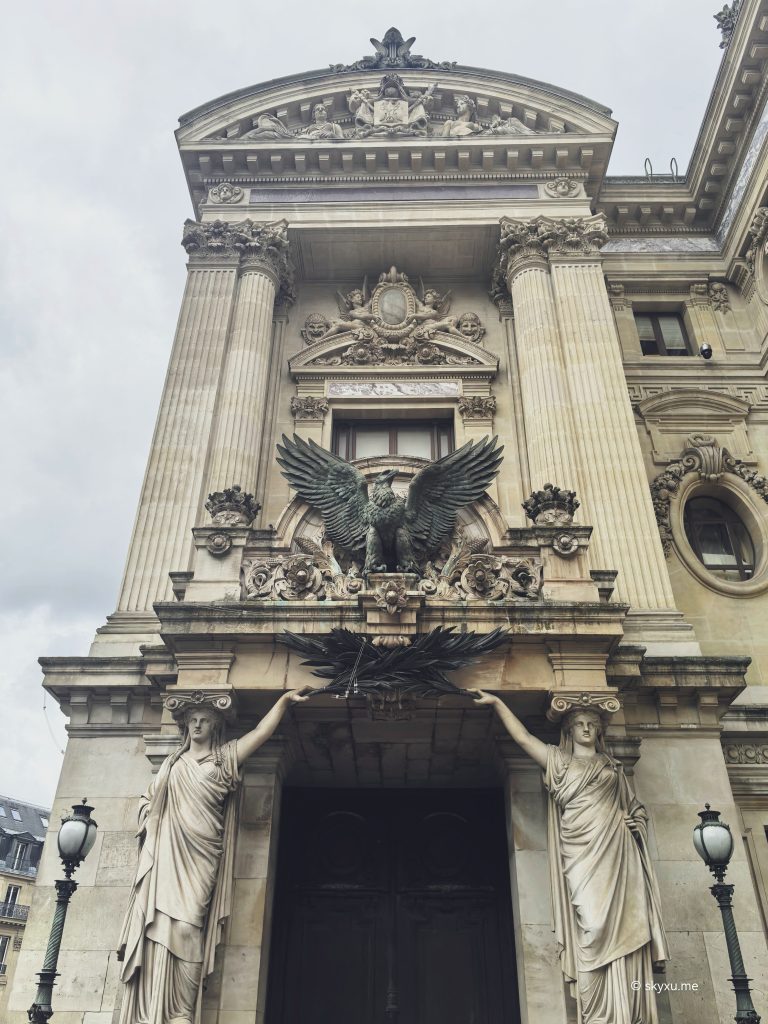
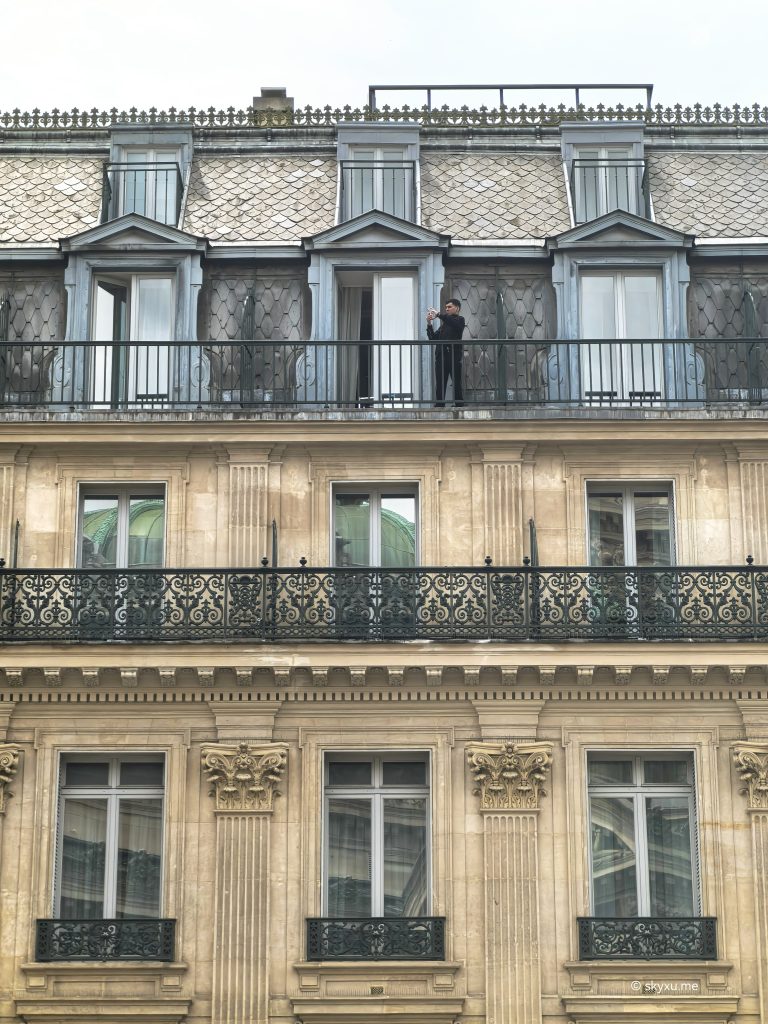
加尼叶歌剧院外部已经像一场演出的开场。Charles Garnier 纪念像、铜绿圆顶、雕塑、柱子、Place de l’Opéra 的车流和对面阳台上也在拍歌剧院的人,让这栋建筑在进门前就已经开始表演。
Palais Garnier starts performing before you enter: the Charles Garnier monument, green domes, sculpture, columns, traffic on Place de l’Opéra, and even someone across the street photographing the opera house from a balcony.
大楼梯和 Grand Foyer:观众也是剧的一部分 / Staircase and Grand Foyer: the audience on display
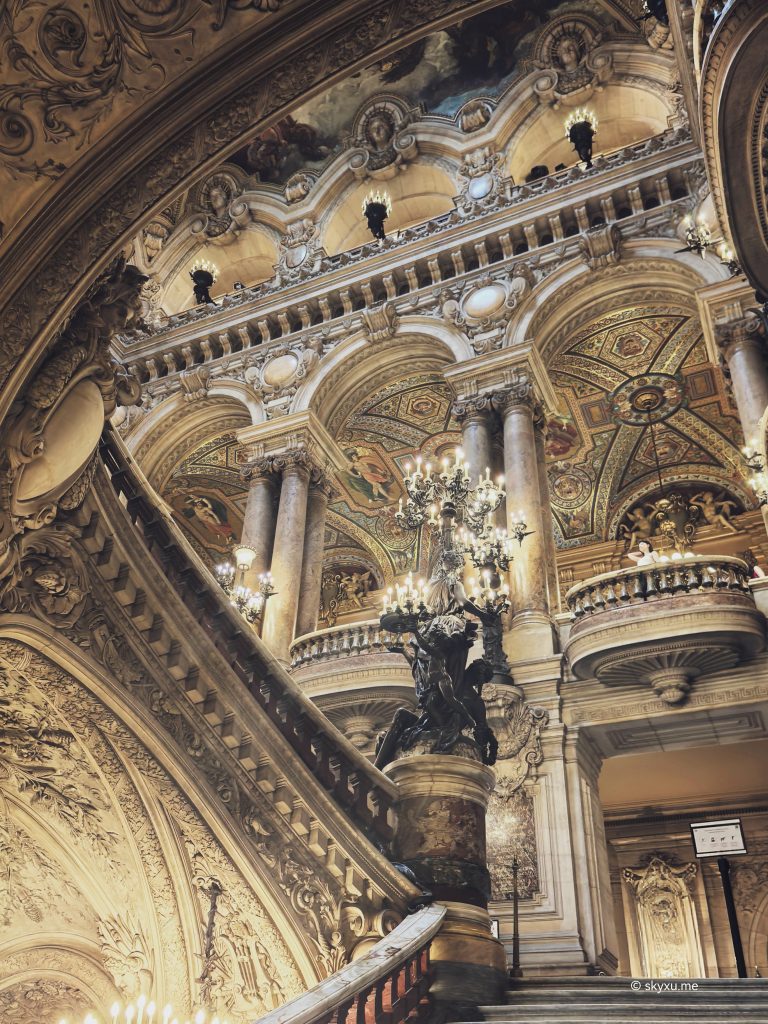
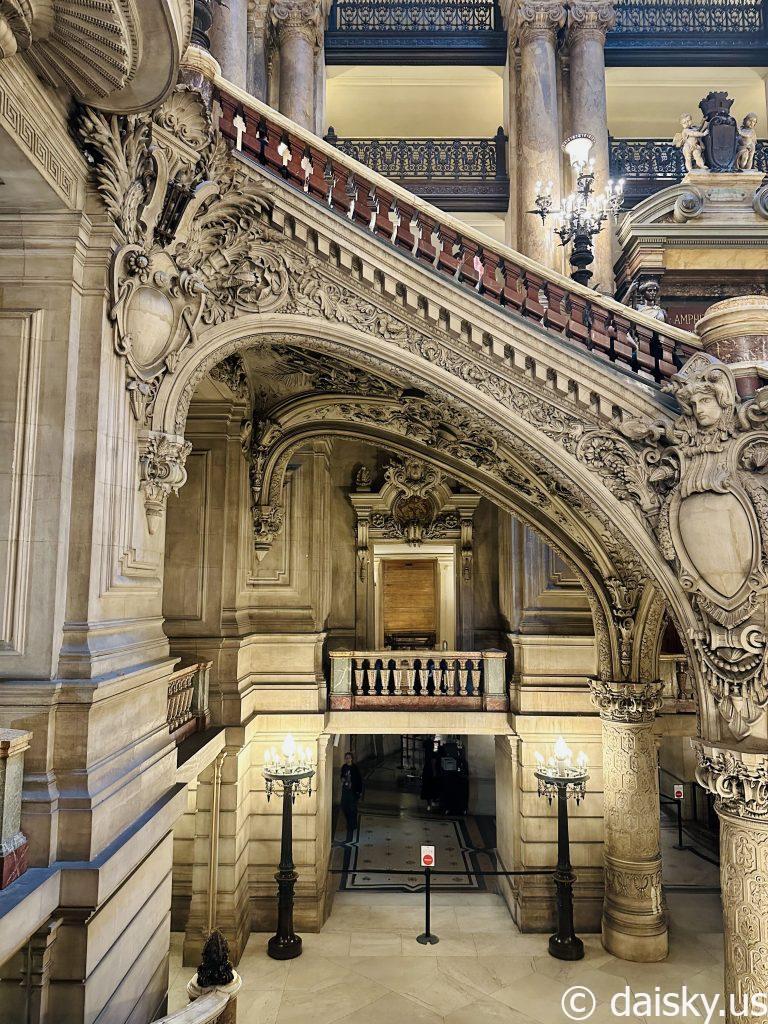
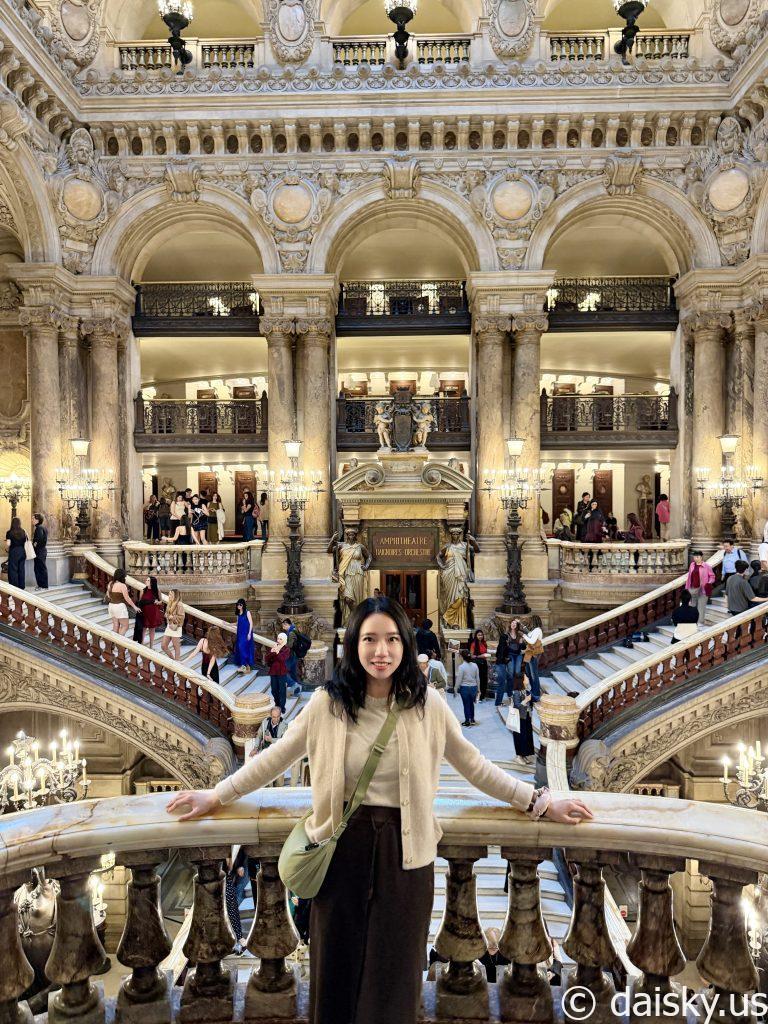
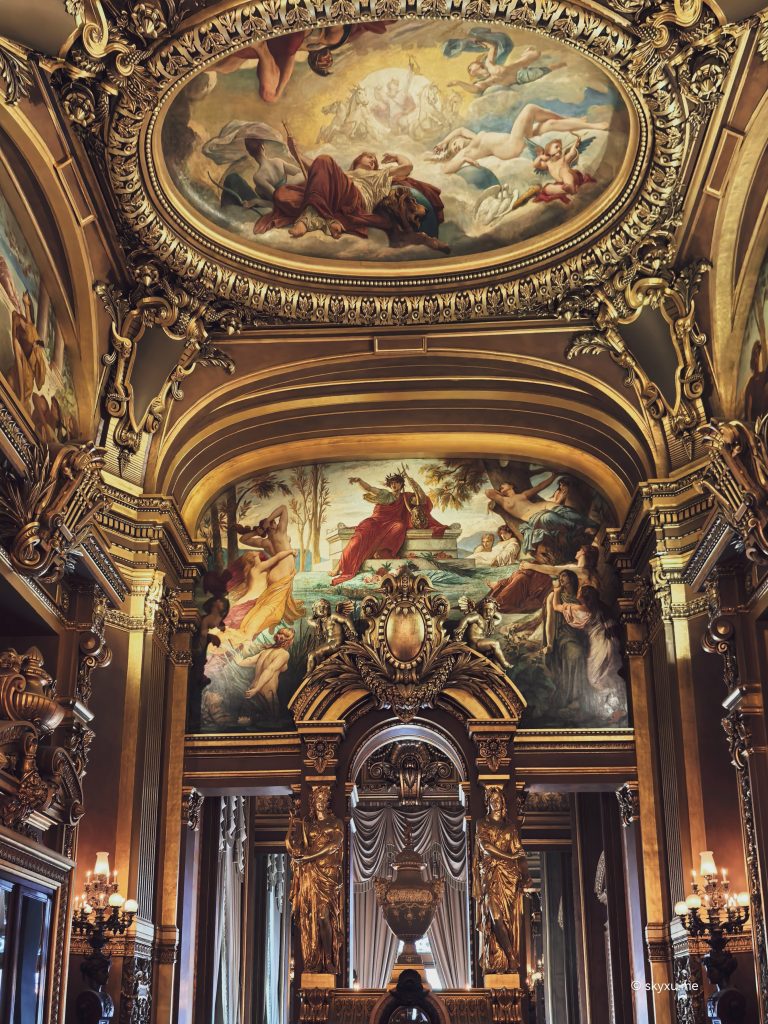
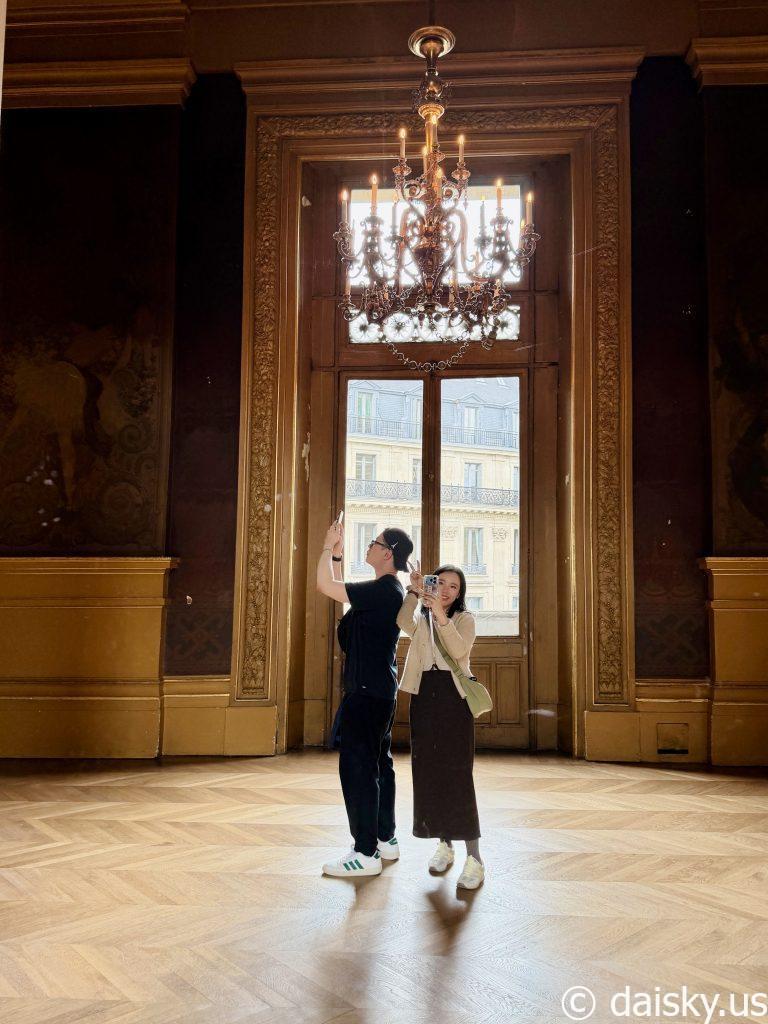
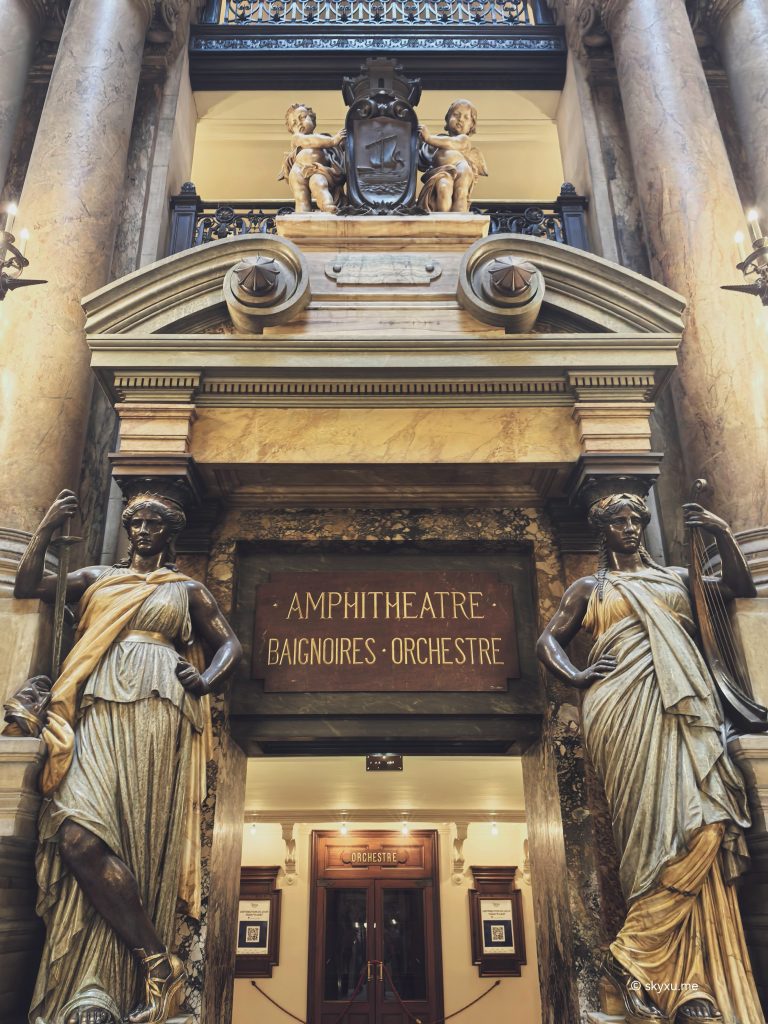
走上大楼梯,才明白加尼叶歌剧院为什么要把入口修得这么隆重。这里的楼梯不只是交通动线,而是把“抵达”本身也变成了戏的一部分。台阶向两侧展开,阳台、拱门、雕塑和吊灯一层层把视线往上引,人还没进剧场,就已经像走进了一场戏。
The Grand Staircase makes the logic of Palais Garnier clear: it is not just a route upstairs, but a way of turning arrival into part of the performance. The steps fan outward, while balconies, arches, sculpture, and chandeliers keep pulling the eye upward; walking through it feels almost like moving inside a stage set.
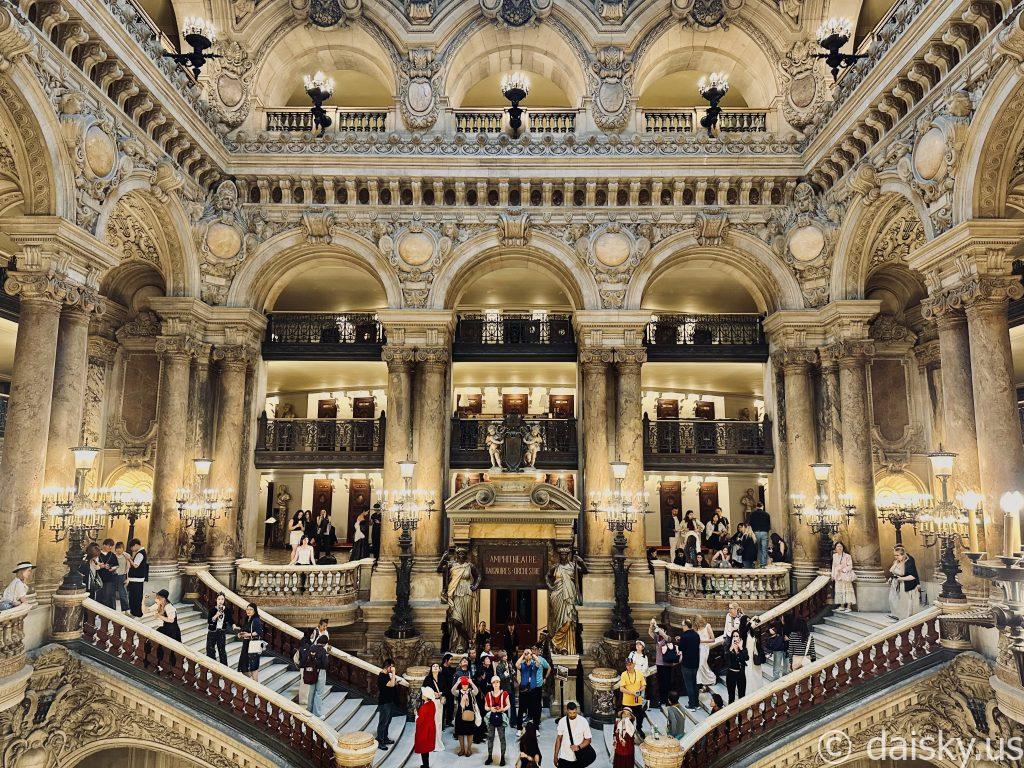
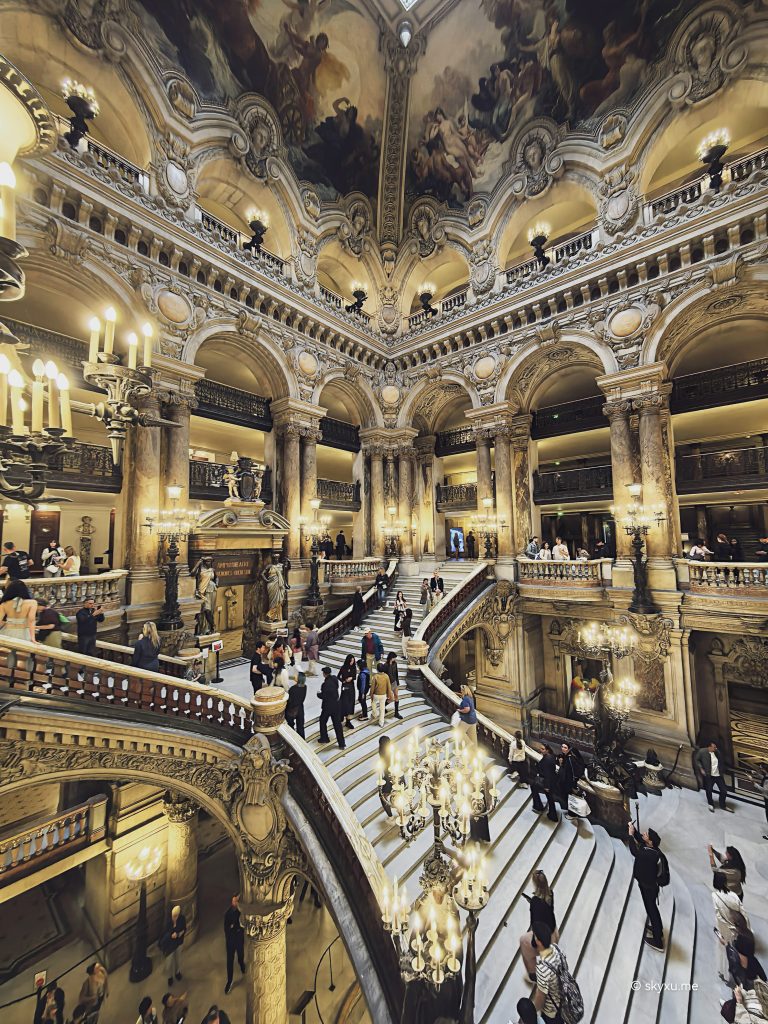
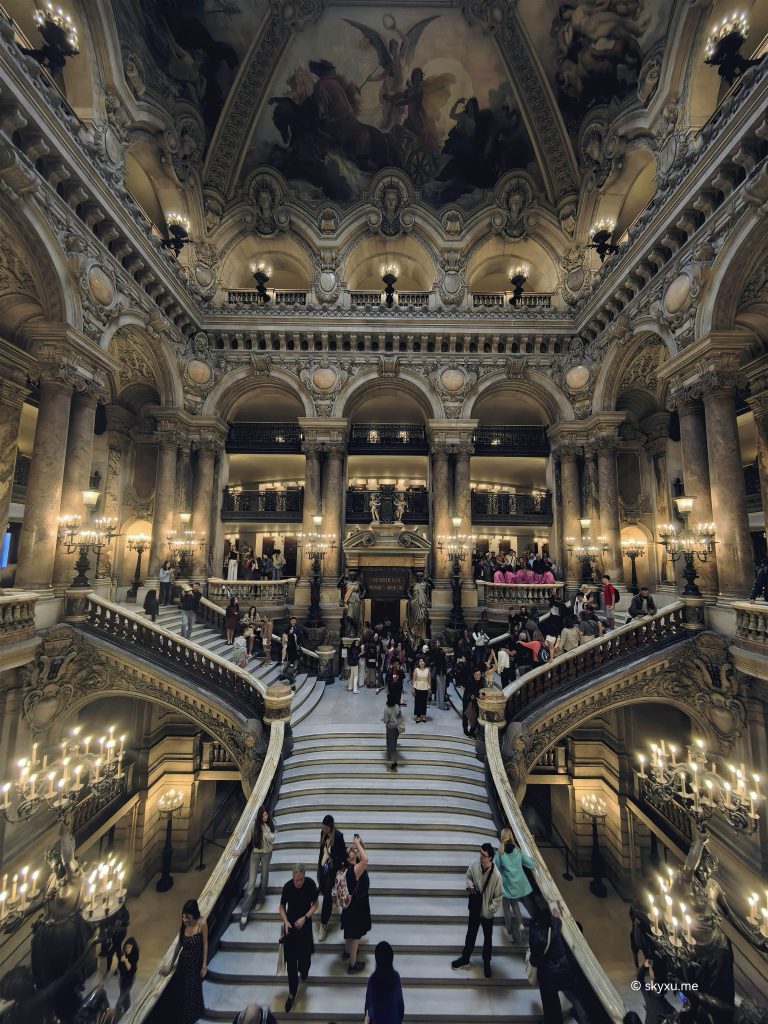
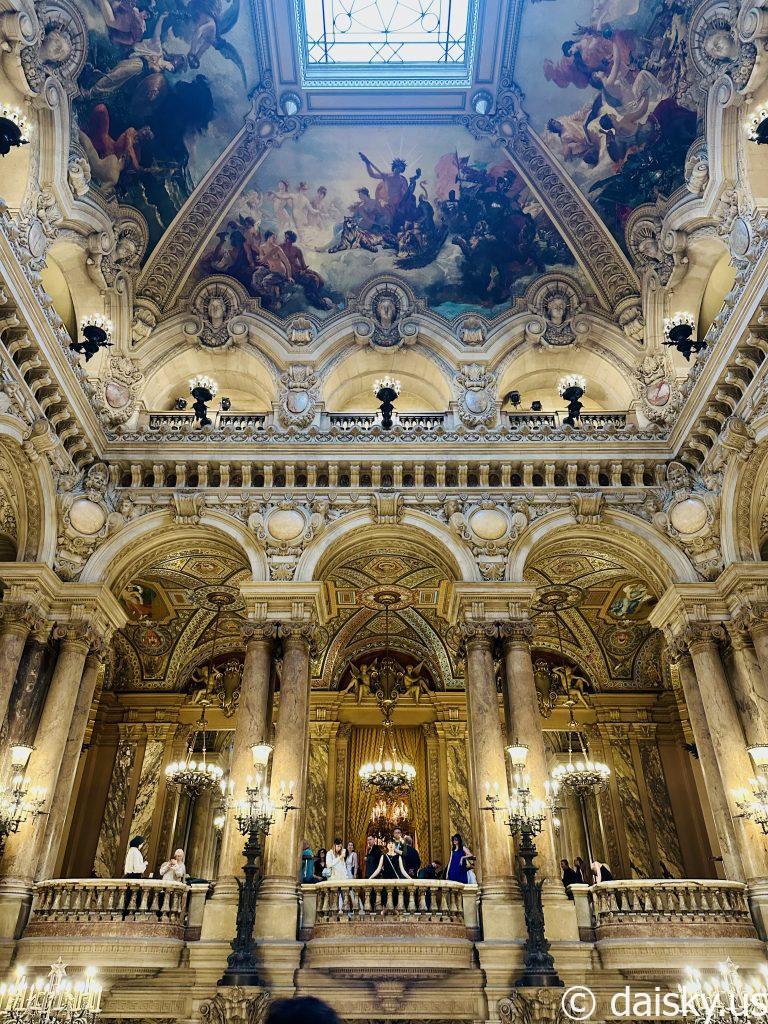
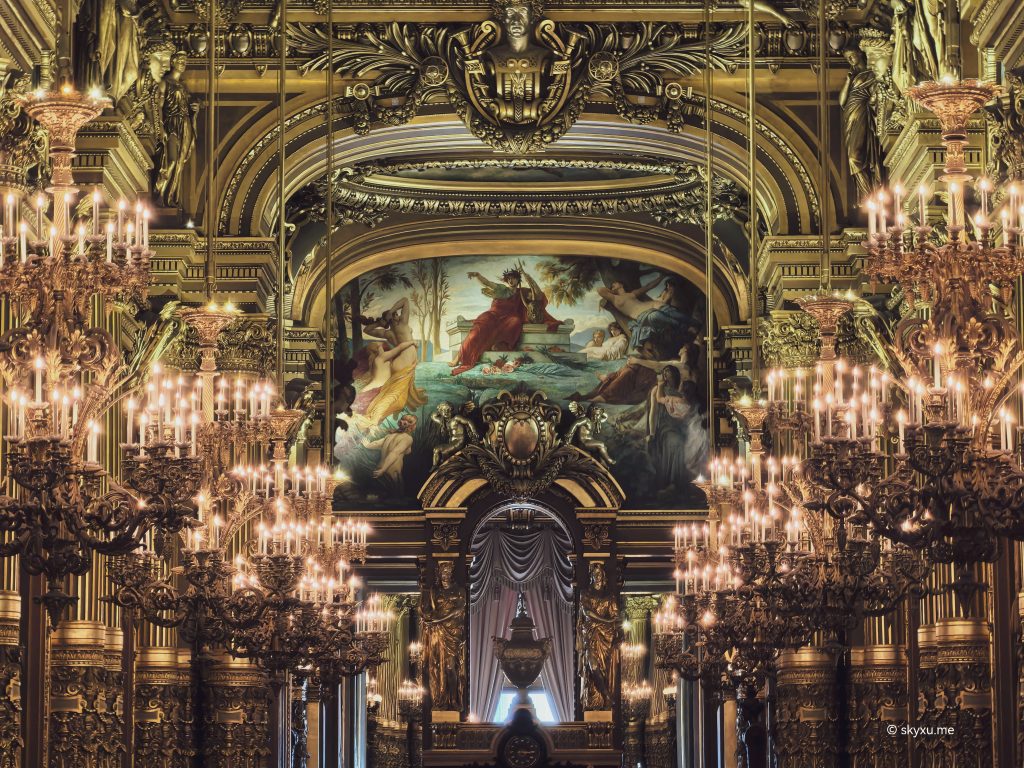
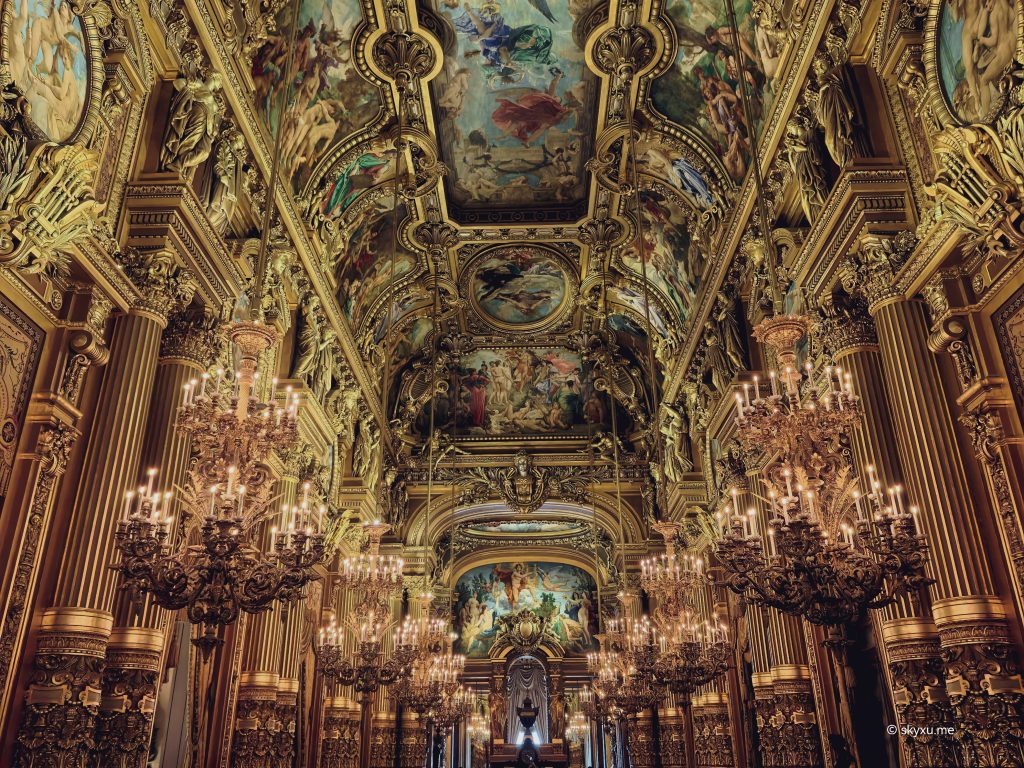
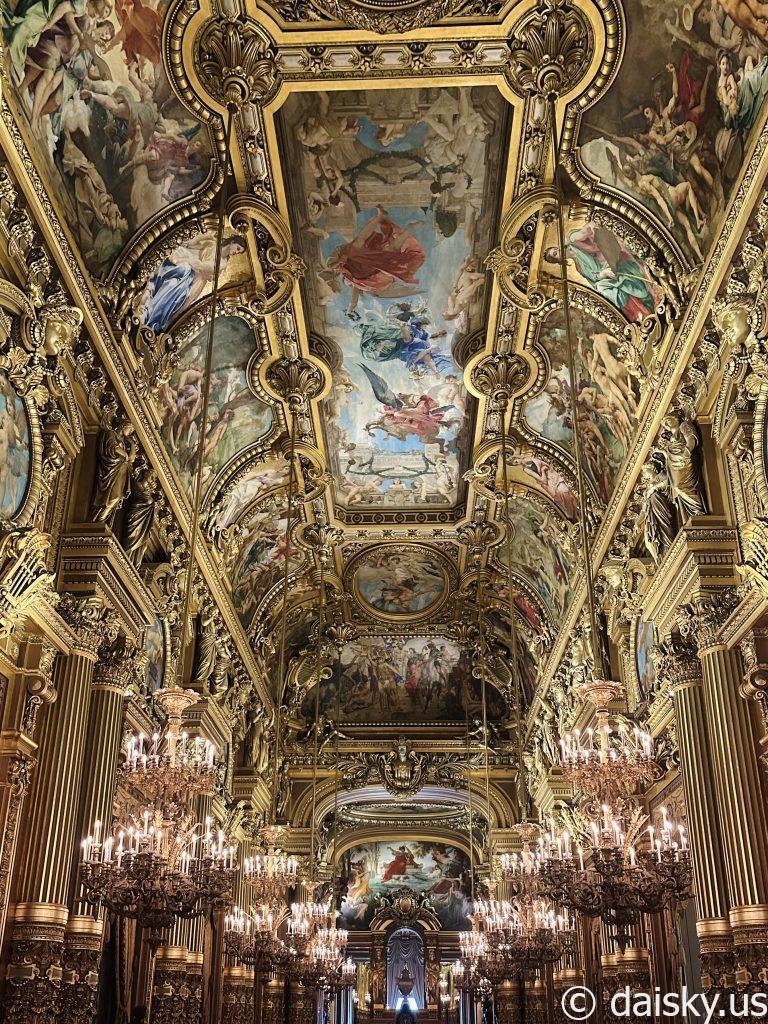
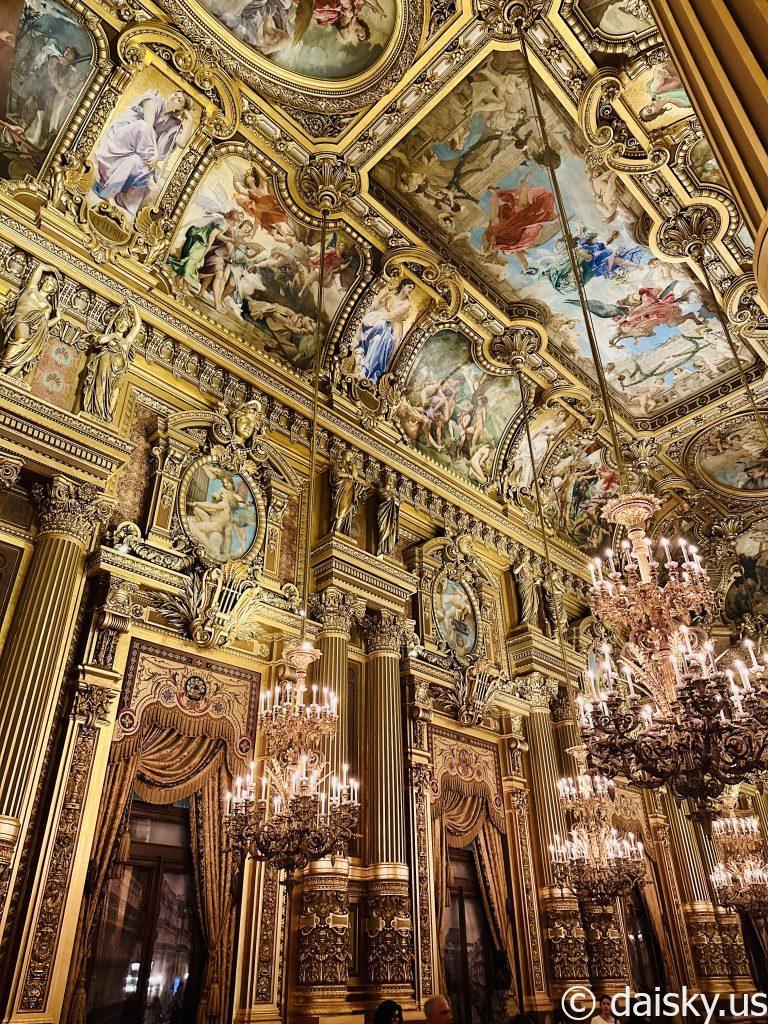
再往里到 Grand Foyer,空间又从垂直的仪式感变成一条金色长廊:镜面、吊灯、天顶画、雕塑和密集的镀金装饰几乎没有留白。19 世纪来歌剧院,当然是为了看演出,但在这样的建筑里,观众自己也在进入一个社交场——看别人,也被别人看见。
The Grand Foyer shifts that drama into a gilded promenade, with mirrors, chandeliers, ceiling paintings, sculpture, and dense gold ornament leaving almost no blank space. In the 19th century, people came to the opera to watch a performance, of course — but in a building like this, the audience was also entering a social theater, seeing others and being seen.
剧场、夏加尔天顶画和 5 号包厢 / Auditorium, Chagall ceiling, and Box 5
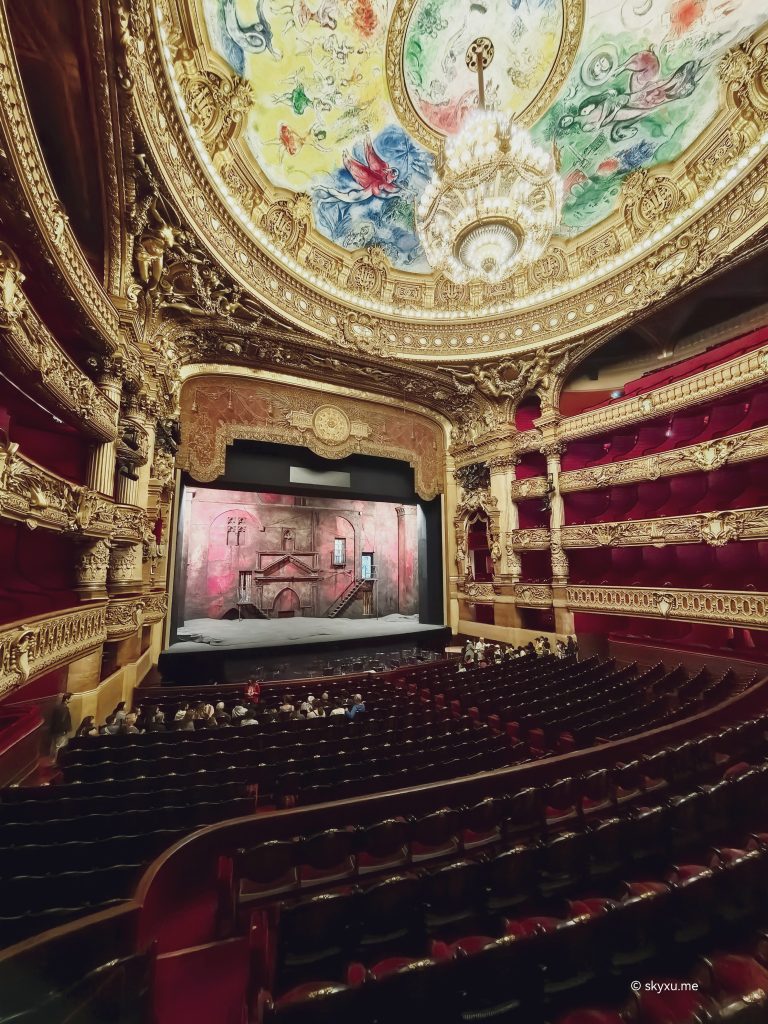
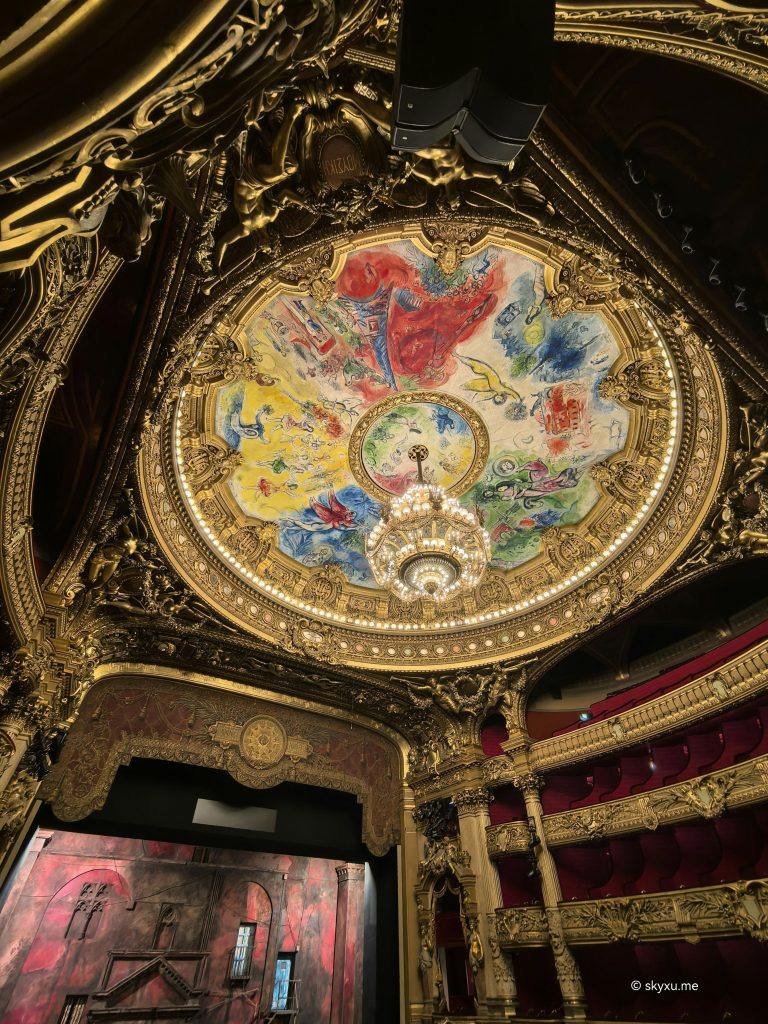
走进剧场之后,加尼叶歌剧院终于和《剧院魅影》正面接上了。红金色的马蹄形观众席、层层包厢、舞台上方的巨型吊灯,还有 1964 年加入的夏加尔天顶画,把 19 世纪歌剧院和后来不断被重写的现代传说叠在一起。那盏吊灯尤其很难不让人想到音乐剧里最经典的坠灯场面;现实中的加尼叶也确实发生过吊灯配重事故,后来被《剧院魅影》的想象放大成更戏剧化的阴影。
Inside the auditorium, Palais Garnier finally meets The Phantom of the Opera head-on. The red-and-gold horseshoe theater, stacked boxes, giant chandelier, and Chagall’s 1964 ceiling layer the 19th-century opera house with the modern legend that has kept rewriting it. The chandelier is especially hard to separate from the musical’s famous crash; the real Garnier did have a chandelier-counterweight accident, which Phantom later magnified into something far more gothic and theatrical.
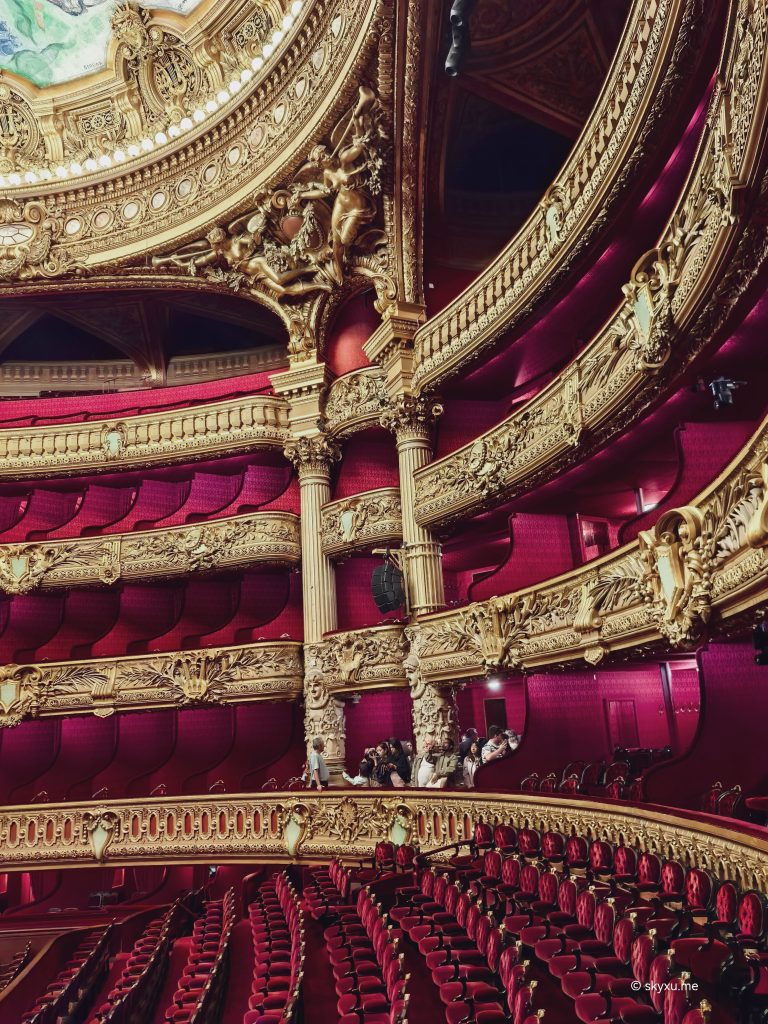
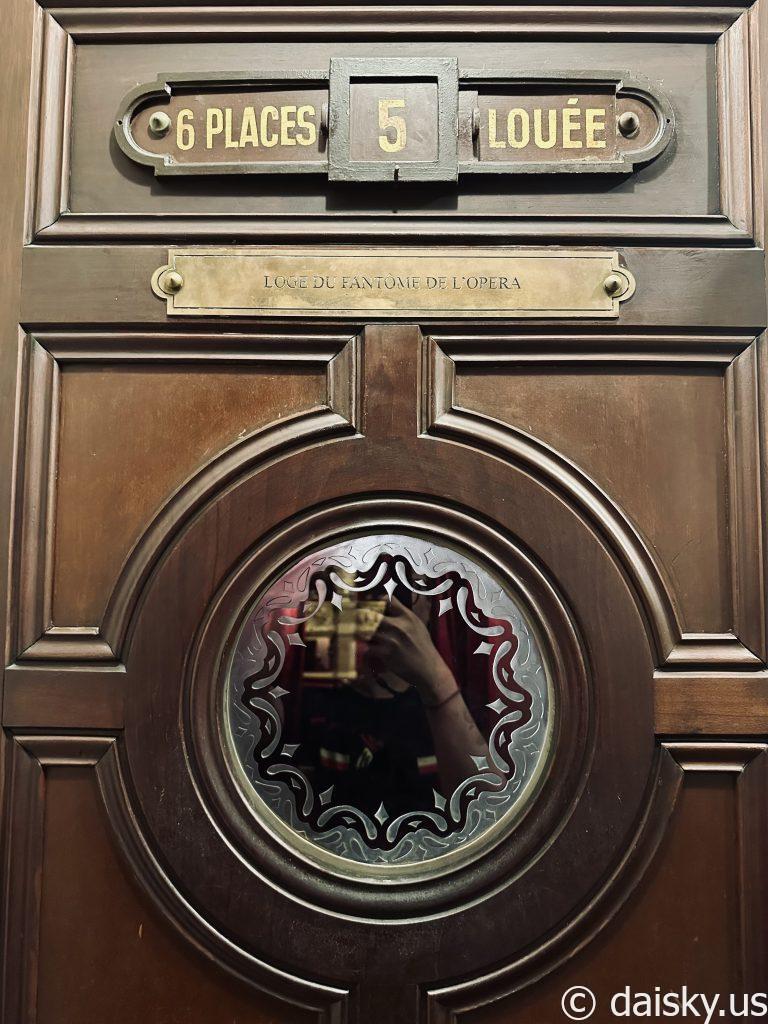
最像彩蛋的是 5 号包厢:门上写着 Loge du Fantôme de l’Opéra,像是真的给幽灵留了一块门牌。站在这里,Gaston Leroux 的小说、音乐剧里的面具和暗河、以及眼前这座真实剧院,突然都在同一个空间里碰头。游客对着这扇门拍照时,拍到的不只是一个景点,而是现实建筑如何被故事反过来重新施了魔法。
Box 5 is the best Easter egg: the door marked Loge du Fantôme de l’Opéra feels like an actual nameplate left for the ghost. Standing there, Gaston Leroux’s novel, the musical’s mask-and-underground-lake mythology, and the real opera house all meet in the same room. When tourists photograph that door, they are not just photographing a sight — they are photographing the way a story can cast its spell back onto the building that inspired it.
湘菜晚餐:中国胃回来了 / Hunan dinner: the Chinese stomach returns
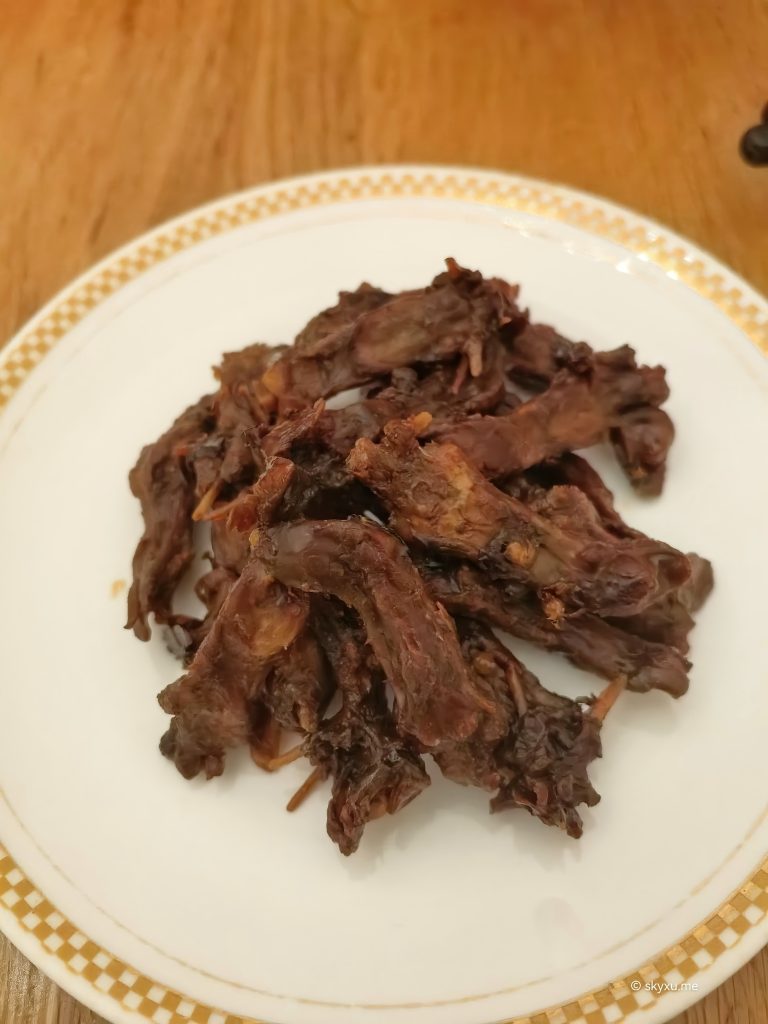
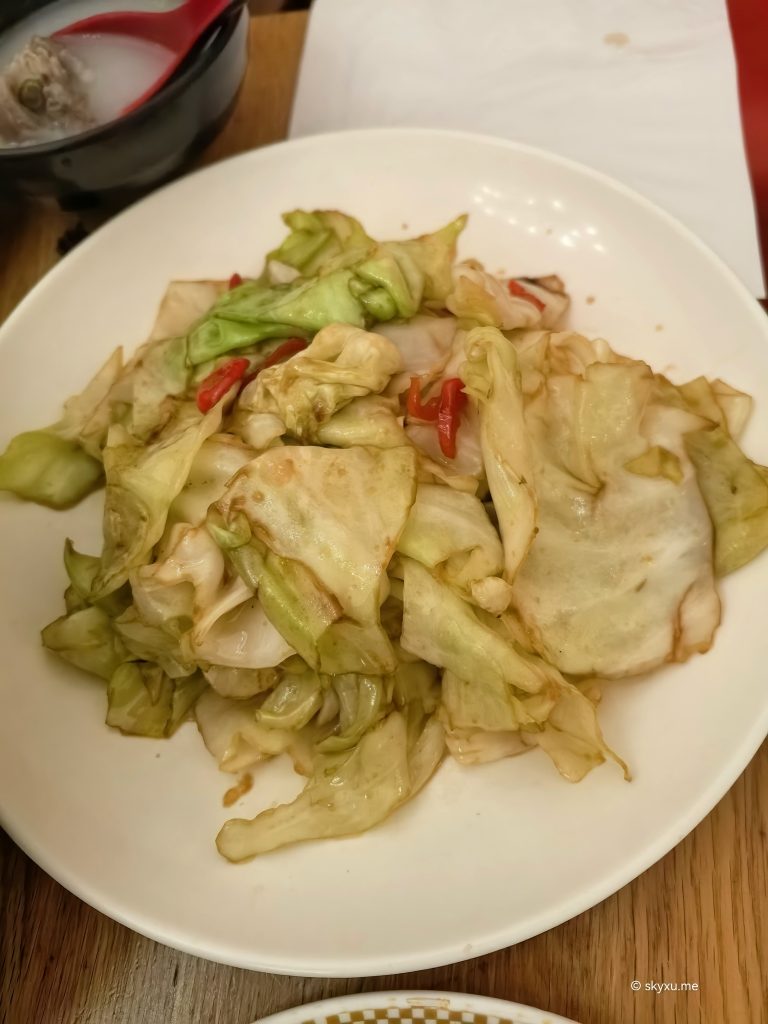
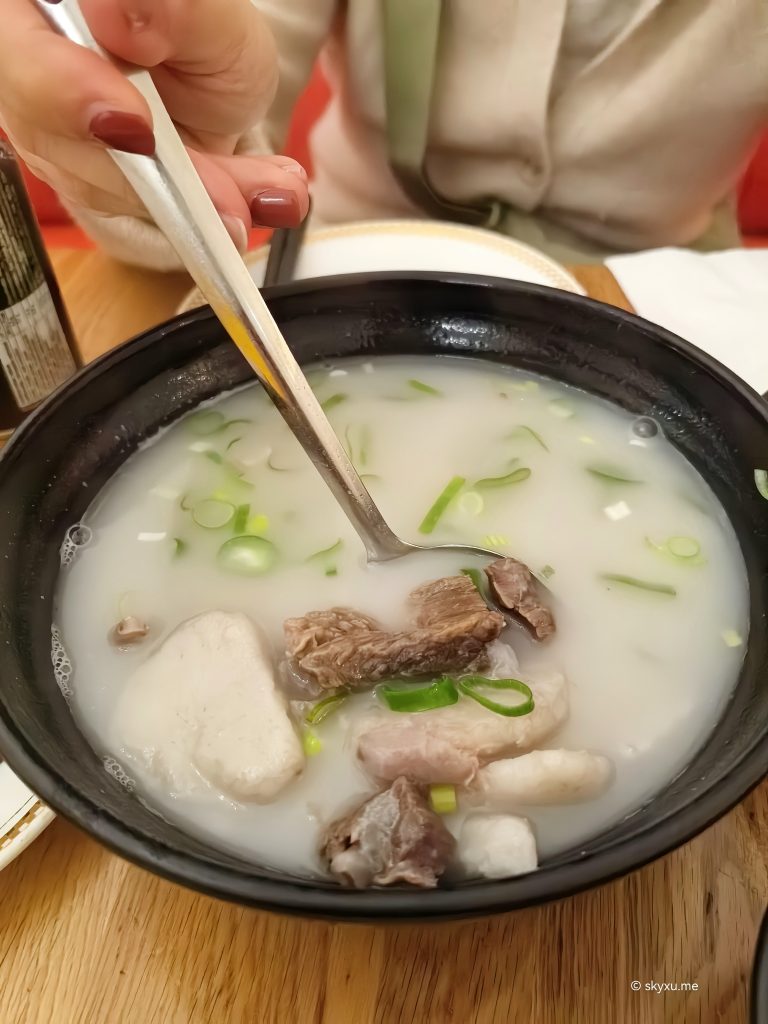
白天看金色吊灯,晚上吃卤鸭舌、芋头牛肉汤、手撕包菜,这才像真实旅行。
Gold chandeliers by day, stir-fried cabbage by night — that feels like real travel.
巴黎车站和车窗:离开城市 / Paris station and train windows: leaving the city
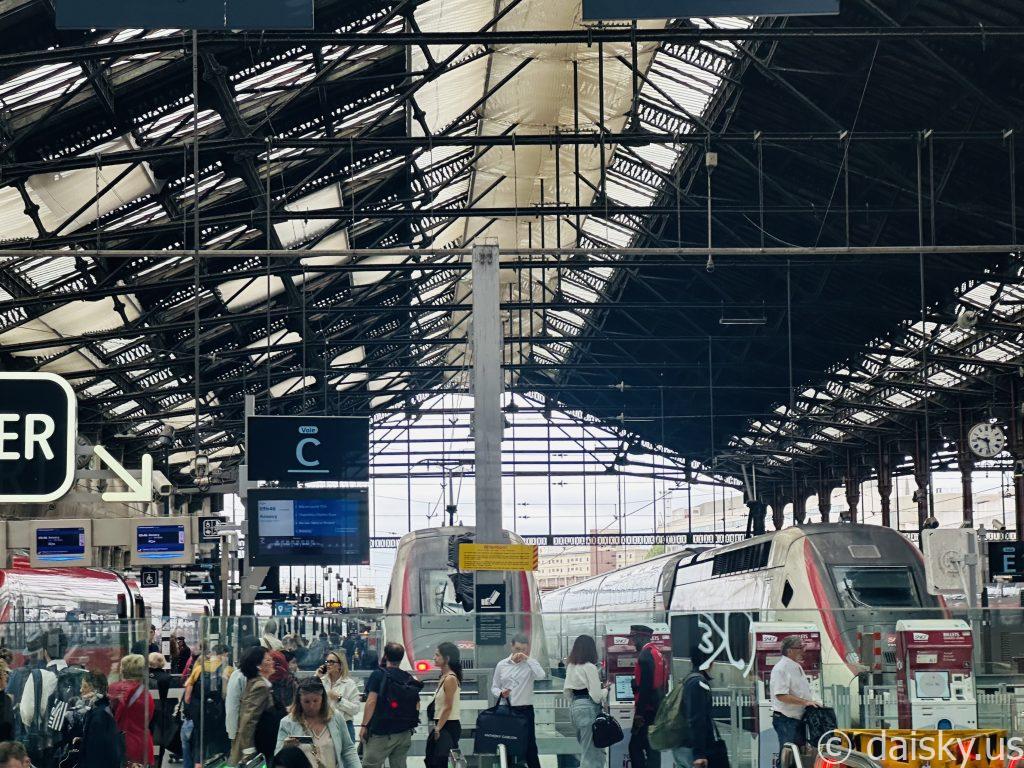
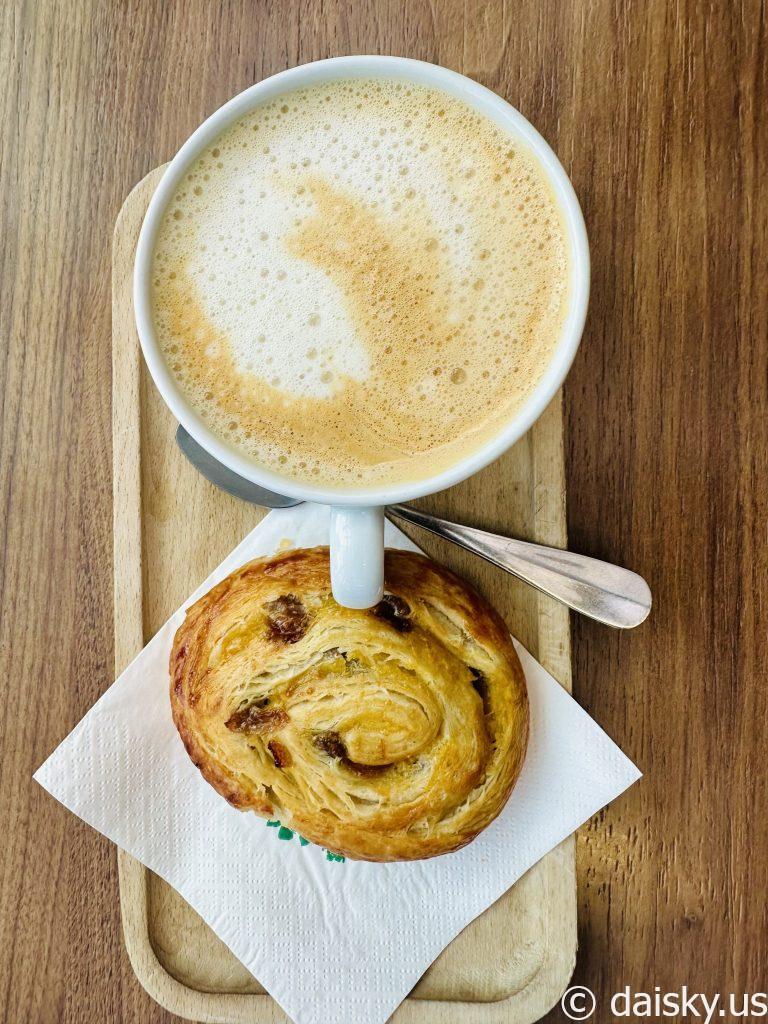
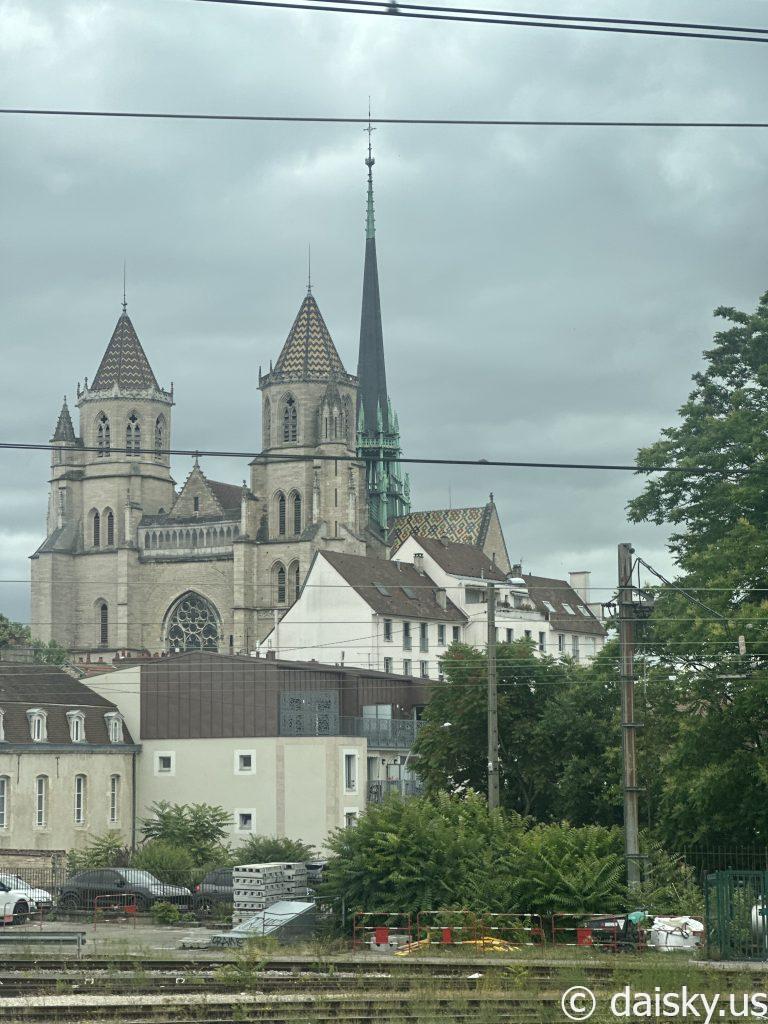
转场日,从巴黎去 Grindelwald,经巴塞尔和因特拉肯换乘。早到车站后用咖啡和烘焙打发时间,接着从玻璃铁架屋顶下出发。车窗外的第戎教堂、河流和绿色田野,让旅行从巴黎街道慢慢变成铁路上的风景。
On this day, the route from Paris to Grindelwald went via Basel and Interlaken. Arriving early meant coffee and pastry at the station, then departure under a glass-and-iron roof. Dijon church, rivers, and green fields through the train window slowly turned Paris streets into railway landscape.
瑞士:高配版西雅图/ Switzerland as a higher-intensity Seattle landscape
瑞士给我的第一层自然印象,其实很容易从西雅图理解。大西雅图地区本来就不缺自然:山、水、湖、海湾都有,开一段车就能到森林、雪山、岛屿和国家公园。Rainier 常常在远处当背景,天气好的时候 Olympics 和 Cascades 也会露出来,Lake Washington 和 Puget Sound 直接把城市切开。自然离城市很近,但中间通常还隔着一层通勤、道路、郊区和日常生活。
瑞士像是把这一切上升到了新的高度,而且不是“城市旁边有自然”,而是自然直接把人包在里面。Grindelwald 的木屋和草坡下面就是村路,抬头就是岩壁和雪线;Zermatt 的街道尽头能直接看见马特洪峰;火车、缆车、齿轨铁路、酒店阳台和餐厅窗外,随时都可能对着山、湖、冰川水和牧场。西雅图给人的感觉是:城市附近是自然。瑞士则更像是:人类生活被小心地放进了自然里。这也是巴黎和瑞士最大的反差。巴黎的密度来自人、历史、建筑和交通,瑞士的密度则来自山、水、冰川、牧场和铁路同时挤进视野。前者让人觉得文明很厚重,后者让人觉得人类很渺小。
My first impression of Switzerland’s nature is easiest to explain through Seattle. Greater Seattle already has no shortage of natural drama: mountains, water, lakes, bays, forests, snowy peaks, islands, and national parks are all within reach. Rainier often sits in the distance like a backdrop; on clear days the Olympics and Cascades appear as well; Lake Washington and Puget Sound cut right through the metro area. Nature is very close to the city, but there is usually still a layer of commuting, roads, suburbs, and daily routine in between.
Switzerland feels like that same setup turned to a higher intensity — except it is not “nature near the city,” but nature wrapping around daily life. In Grindelwald, village roads run below chalets and green slopes, and above them are rock walls and snowlines. In Zermatt, the Matterhorn can stand at the end of a street. Trains, cable cars, cog railways, hotel balconies, and restaurant windows can all open directly onto mountains, lakes, glacier water, and pastures. Seattle feels like a city with extraordinary nature beside it. Switzerland feels more like human life carefully placed inside nature. That is also the biggest contrast with Paris. Paris gets its density from people, history, buildings, and traffic; Switzerland gets its density from mountains, water, glaciers, meadows, and railways all crowding into the same view. One makes civilization feel heavy. The other makes humans feel small.
进入伯尔尼高地 / Entering the Bernese Oberland
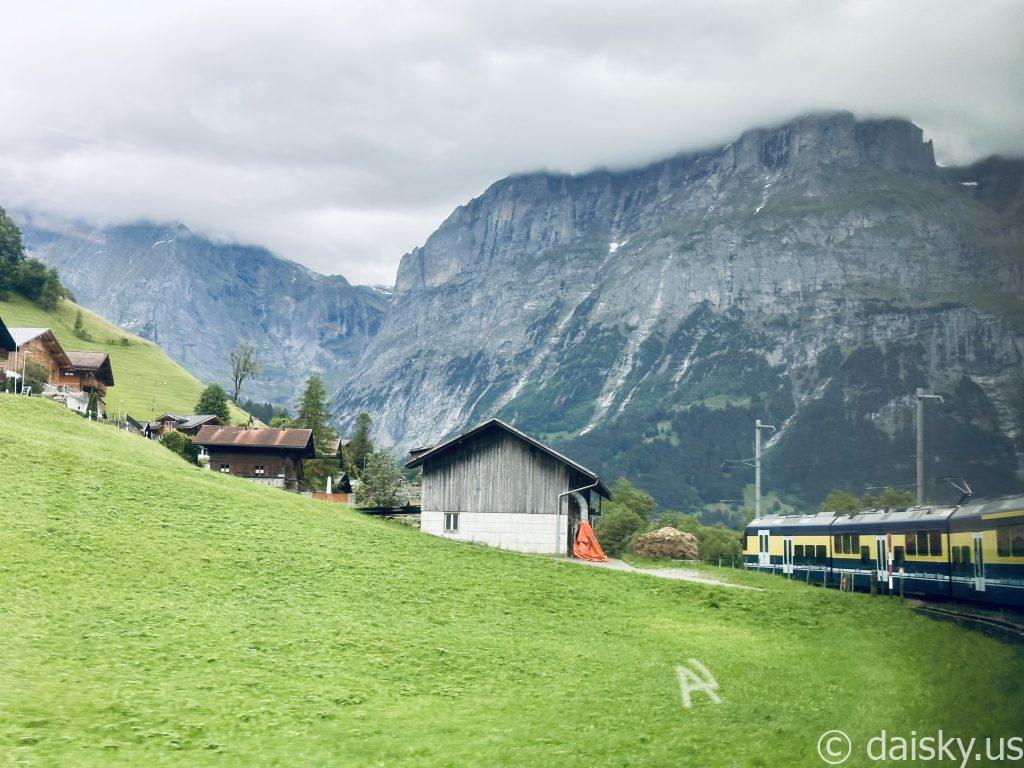
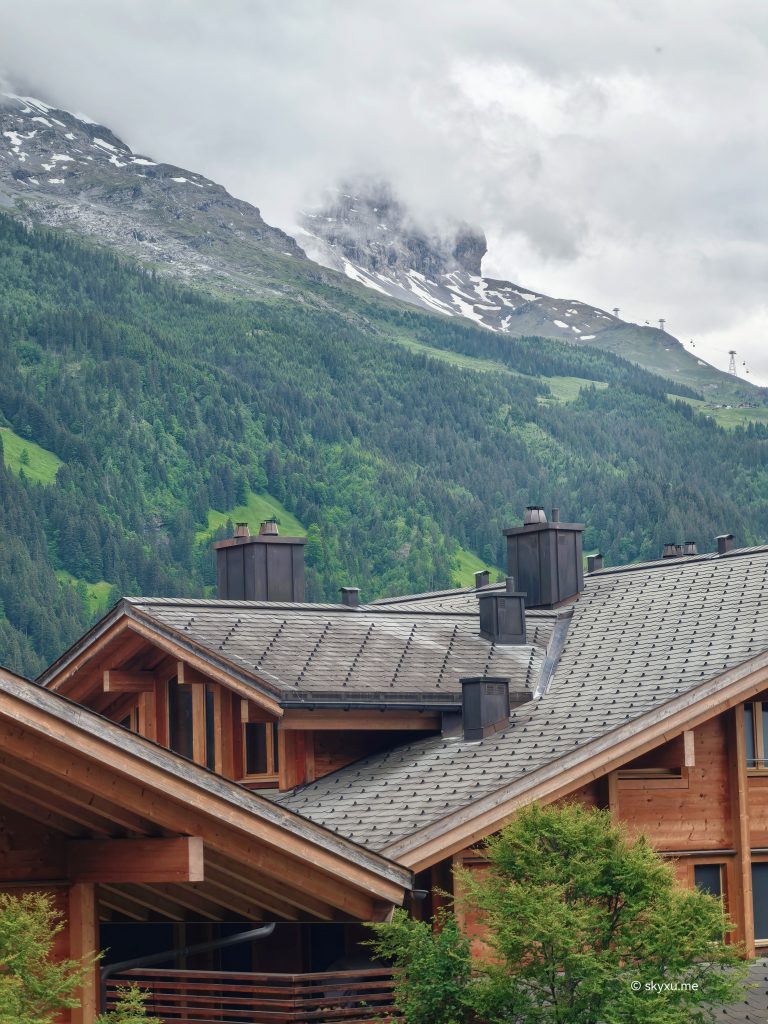
进入伯尔尼高地之后,车窗外的画面中的“瑞士味”变得越来越浓厚:草坡铺开,小木屋散在山脚,黄蓝色的山地列车从绿色里穿过去,远处则是被低云压住的巨大岩壁。到 Grindelwald 酒店后,第一眼看到的也不是那种晴天明信片式的阿尔卑斯,而是木屋屋顶、绿坡、残雪和贴着山腰的云。阴天意外地很适合这个抵达时刻:山没有急着把最漂亮的一面亮出来,而是先让人意识到它的体量和存在感。
Once in the Bernese Oberland, the view outside the train window slowly became recognizably Swiss: meadows opening up, chalets scattered at the foot of the slopes, a yellow-blue mountain train cutting through the green, and huge cliffs pressed down by low cloud. The first view from the Grindelwald hotel was not a bright Alpine postcard, but wooden roofs, green hillsides, patches of snow, and cloud clinging to the mountains. In a way, the overcast weather suited the arrival. The mountains did not immediately show their prettiest face; they first made you feel their scale and presence.
第一晚酒店晚餐 / First dinner in Grindelwald
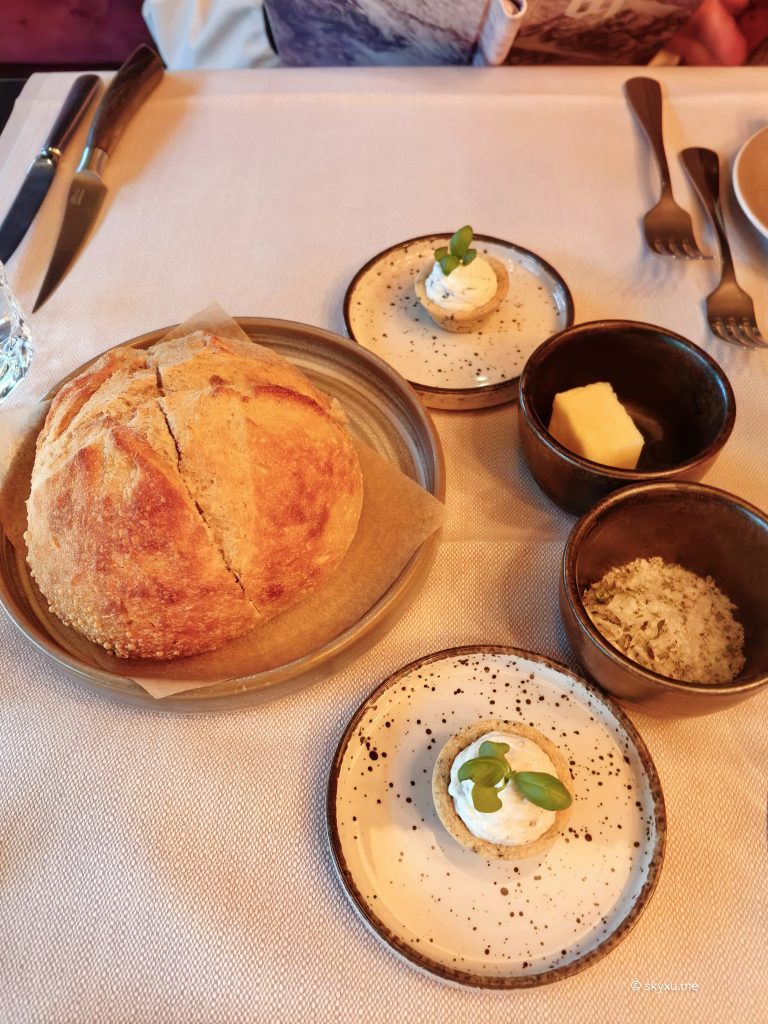
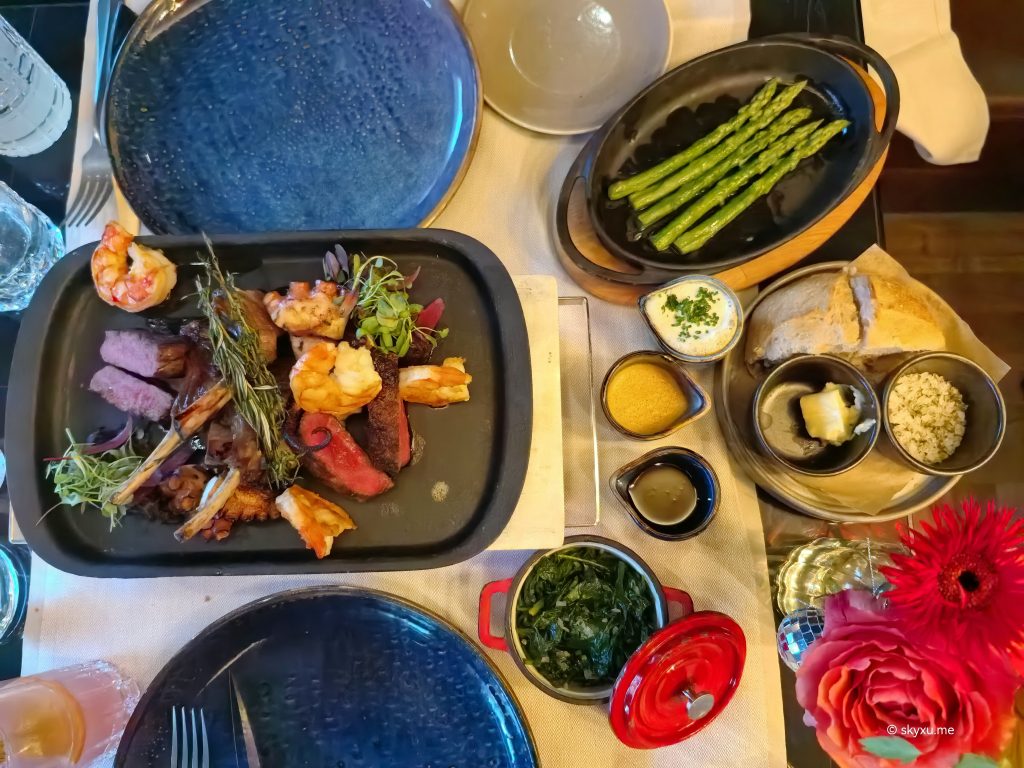
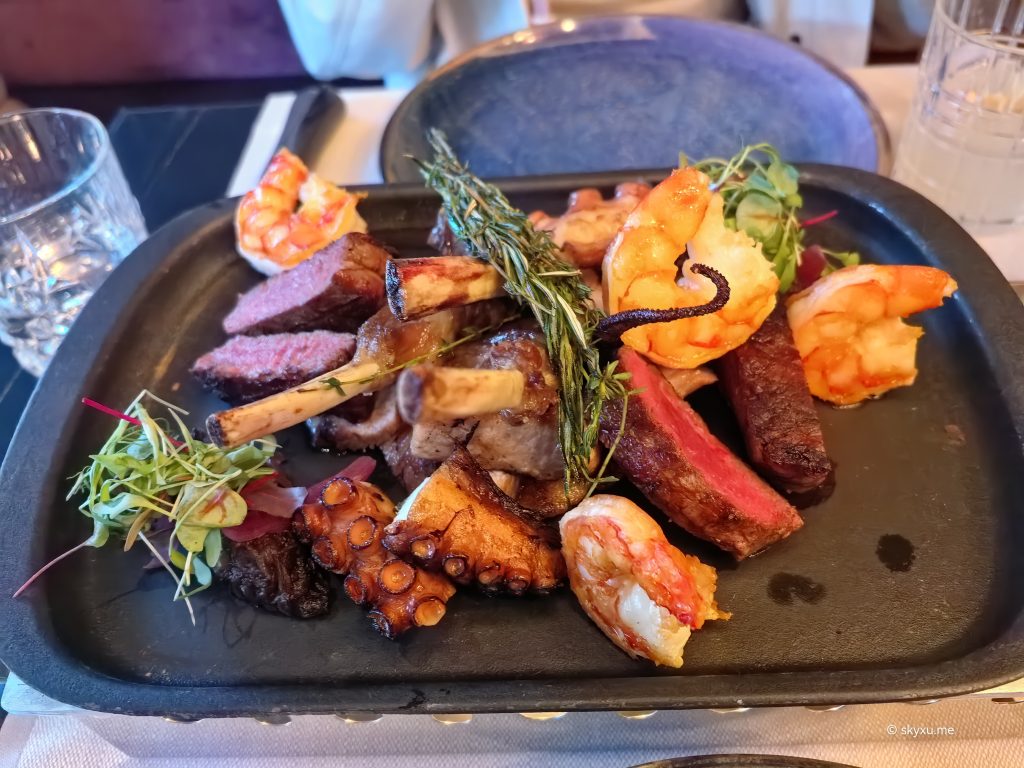
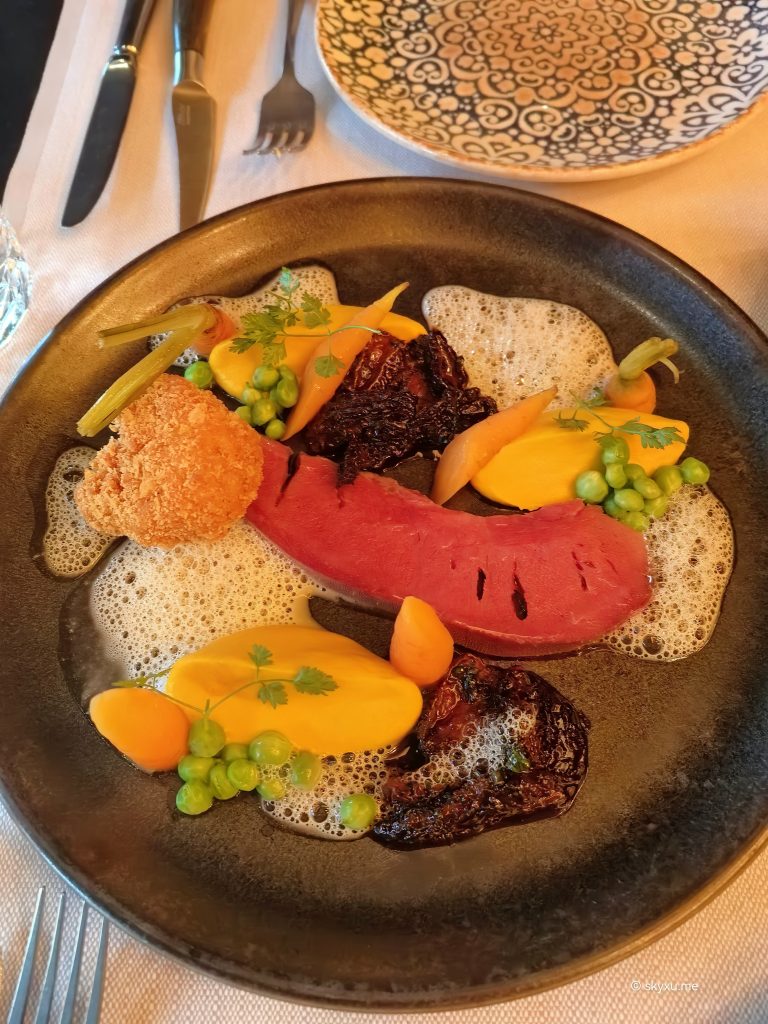
折腾了一天火车之后,第一顿晚饭其实不需要多惊艳,能坐下来就已经很重要。桌上的面包、黄油、饮料和小花先把人从“还在赶路”的状态里拉出来,后面的主菜和那一大盘海陆烧烤则很直接:到了,今晚不用再换乘了。早上还在巴黎车站等车,晚上已经坐在阿尔卑斯小镇的餐厅里吃肉和虾。地图上只是几条线,真正走完之后才觉得这个切换还挺大。
After a full day of train transfers, the first dinner did not need to be spectacular; just sitting down already mattered. Bread, butter, drinks, and a small flower on the table pulled the day out of “still in transit” mode, and the plated mains plus the big mixed grill made the message very clear: we had arrived, and there were no more connections to catch tonight. That morning was a Paris station; by evening, it was meat and shrimp in an Alpine town restaurant. On the map it looks like a few lines. After actually doing it, the shift felt much bigger.
梦幻山坡:不是滤镜诈骗 / The dreamy hillside: not a filter scam
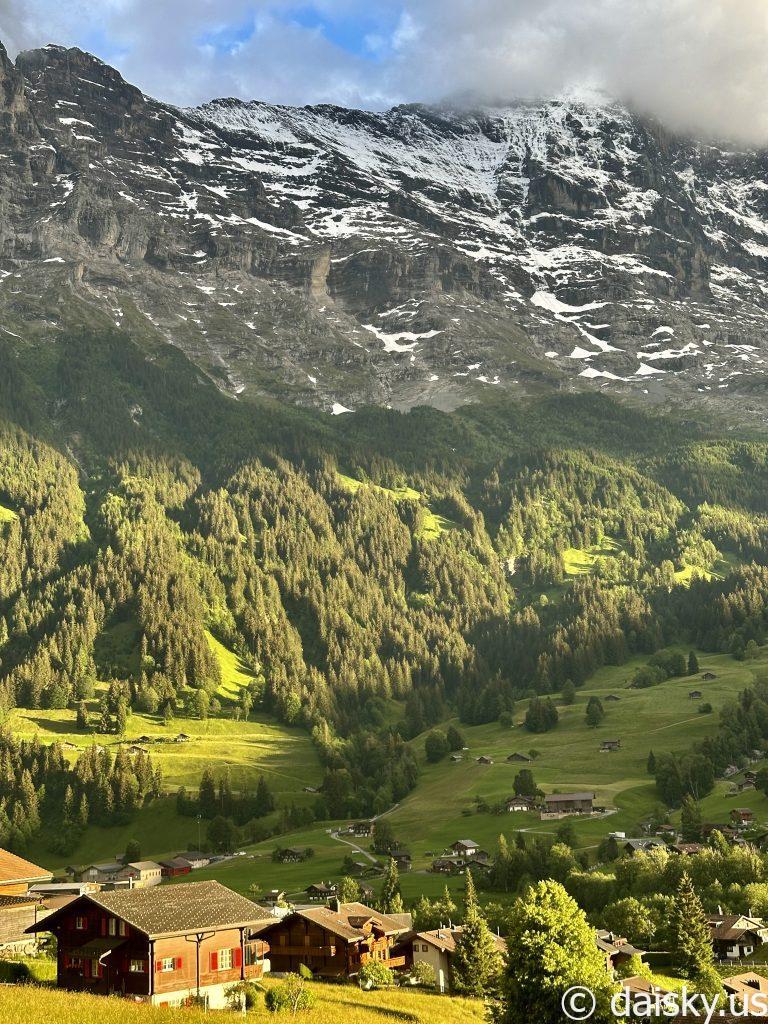
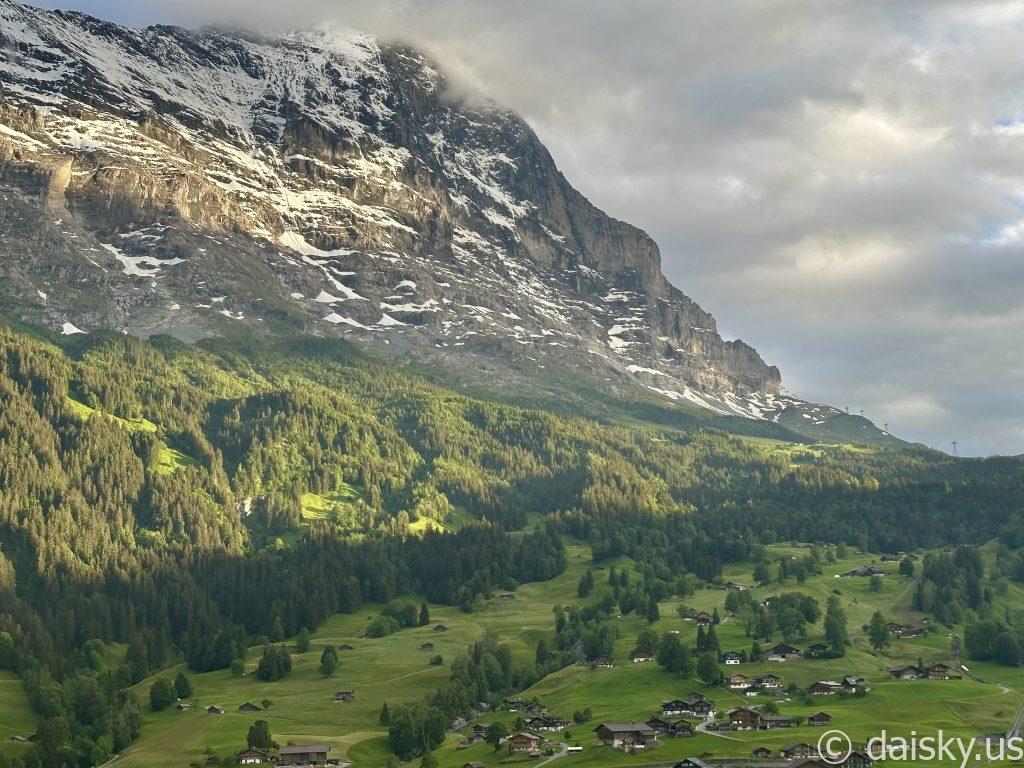
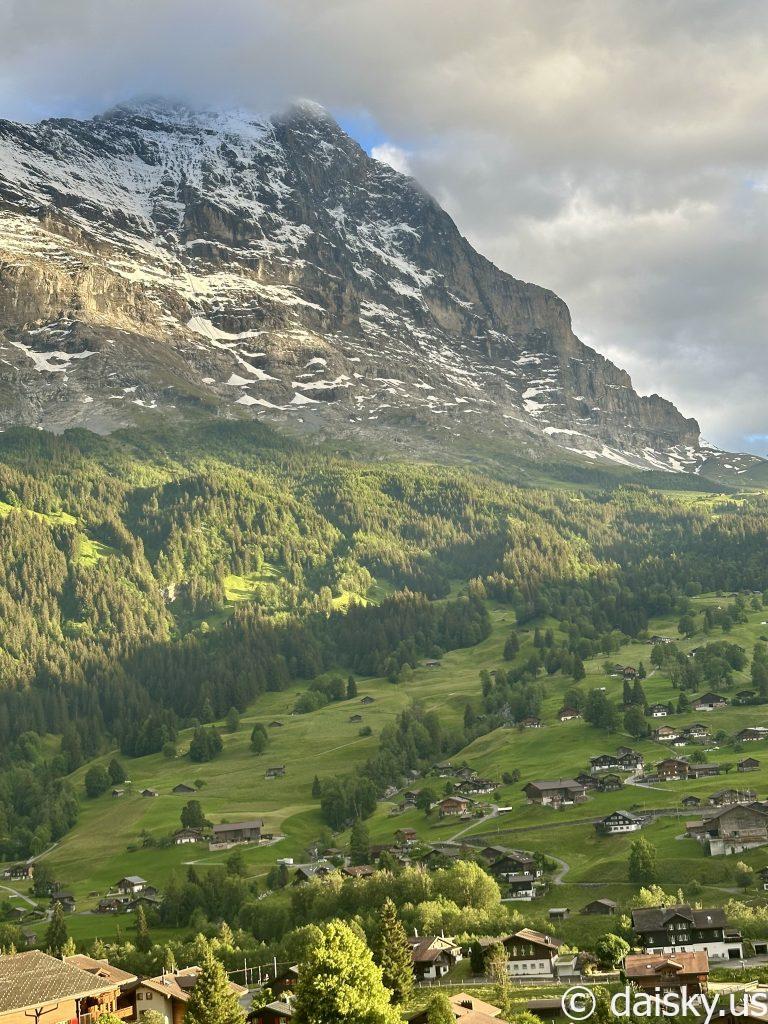
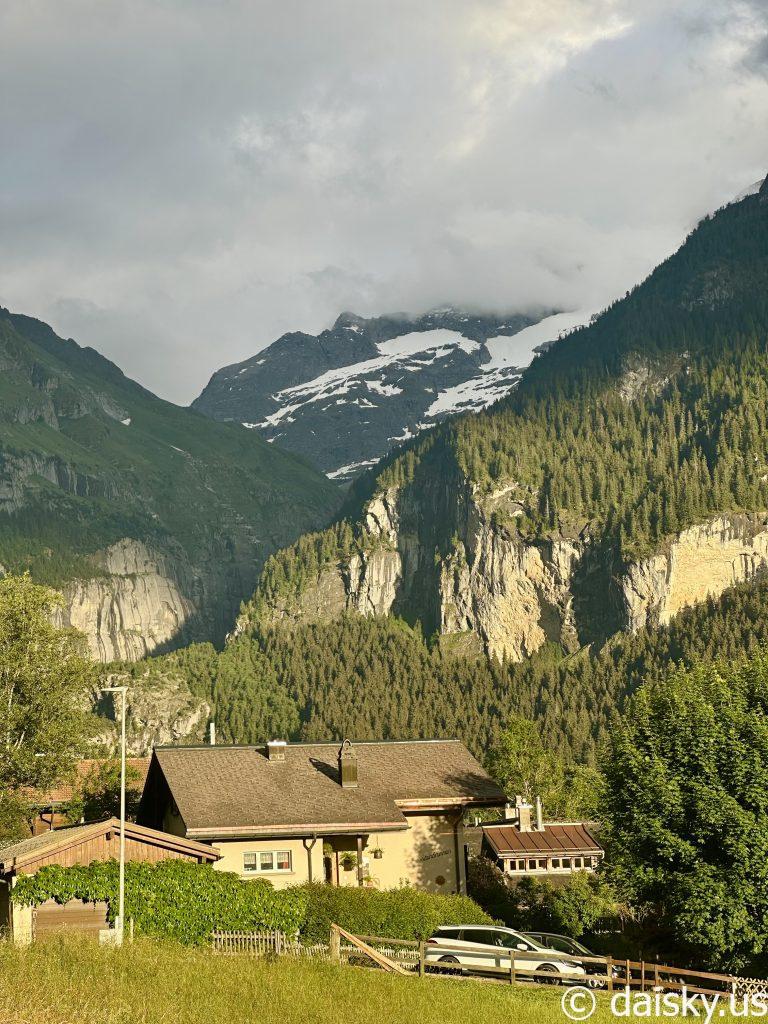
晚饭后在小镇散步,去拍 Grindelwald 网红“梦幻山坡”。绿坡、小木屋、金色夕光和背后压迫感很强的山壁确实都在。云没有毁掉画面,反而让光以一块一块的方式落在草坡上。
After dinner came a walk through town to see Grindelwald’s famous “dreamy hillside.” The green slopes, chalets, golden evening light, and looming mountain wall were all real. The clouds did not ruin the scene; they made the light fall in patches.
格林德瓦夕阳 / Grindelwald sunset
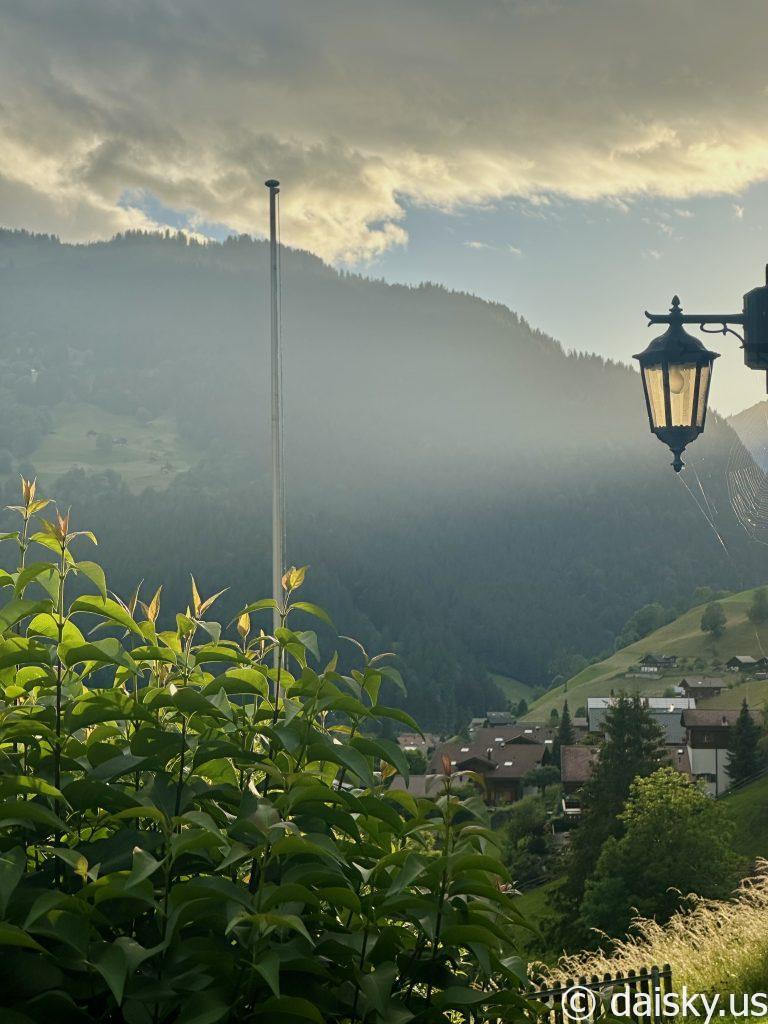
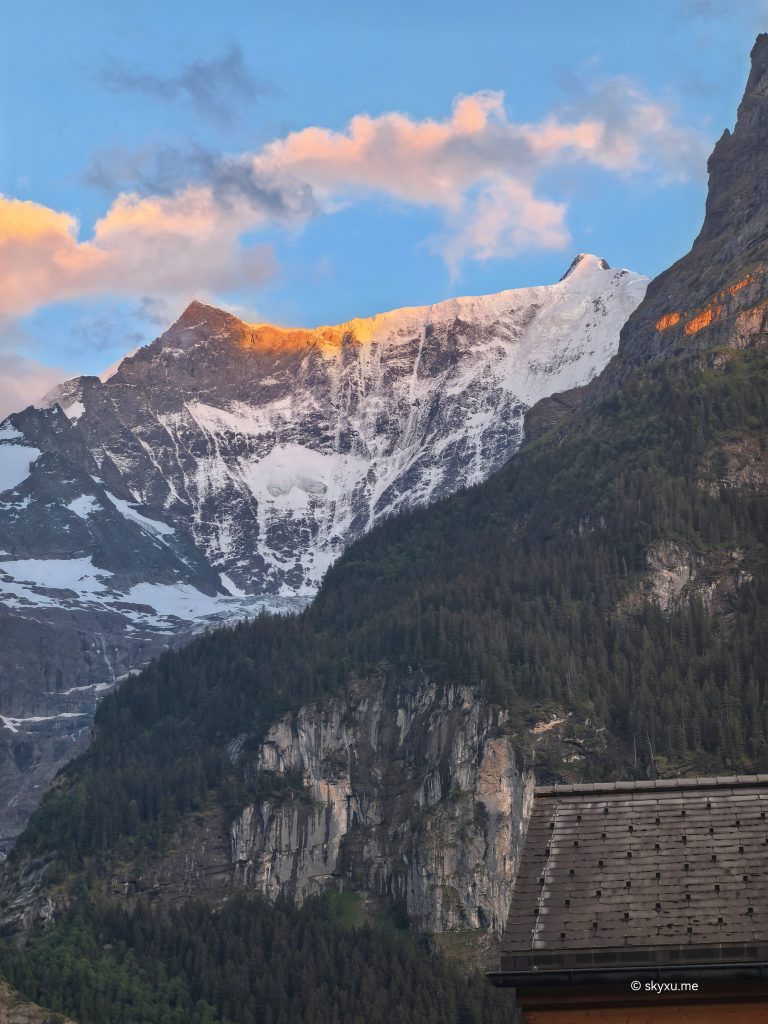
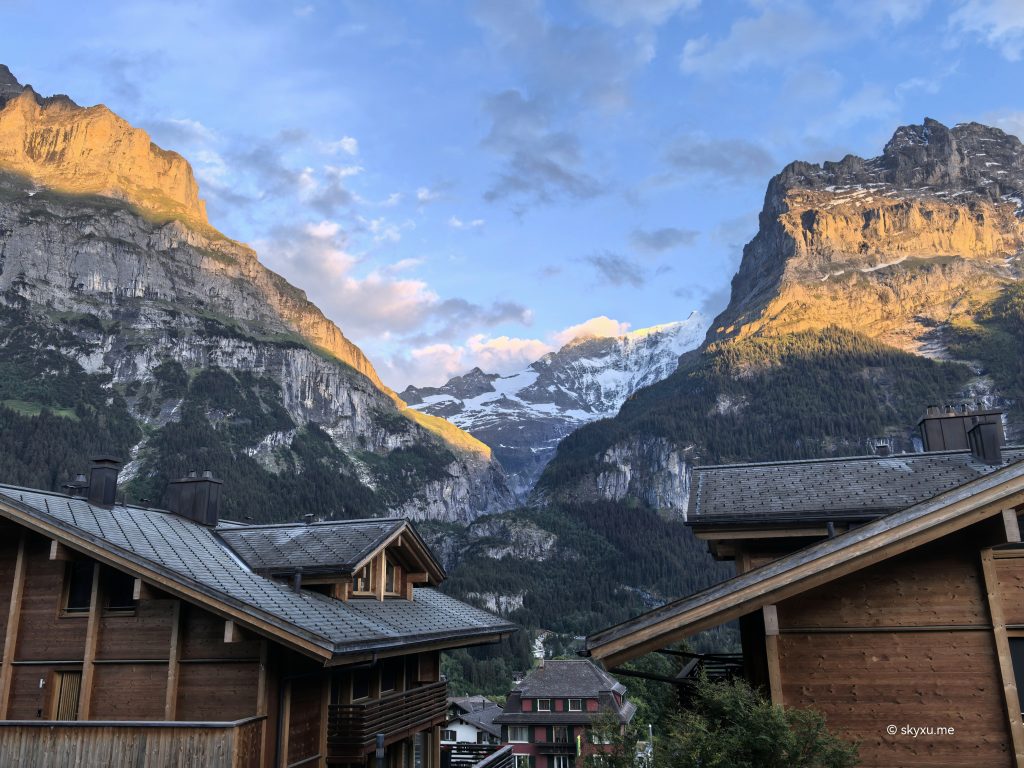
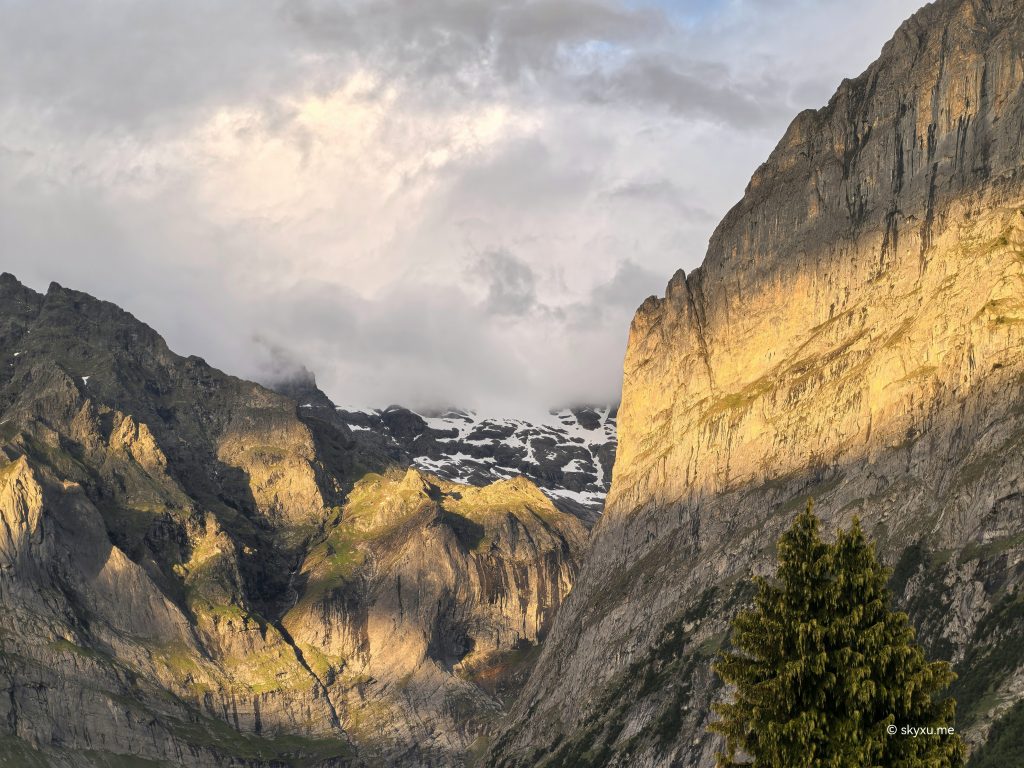
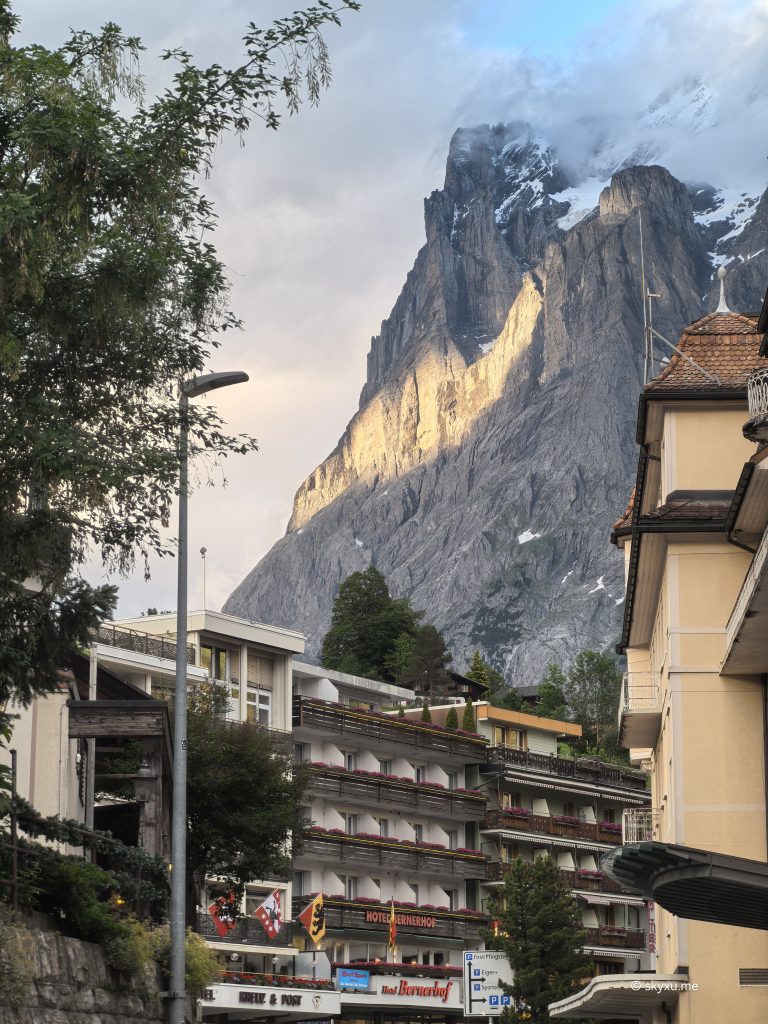
回酒店路上和房间里的夕阳,是这天最后的奖励。粉橘色云、发光的雪线、木屋屋顶、Hotel Bernerhof 附近街景和雾气山谷,让这个转场日真正结束在山里。
Sunset on the way back and from the room was the day’s final reward: peach clouds, glowing snowlines, wooden roofs, the street near Hotel Bernerhof, and mist in the valley. The transfer day ended properly in the mountains.
徒步日早晨 / Morning before the mountain day
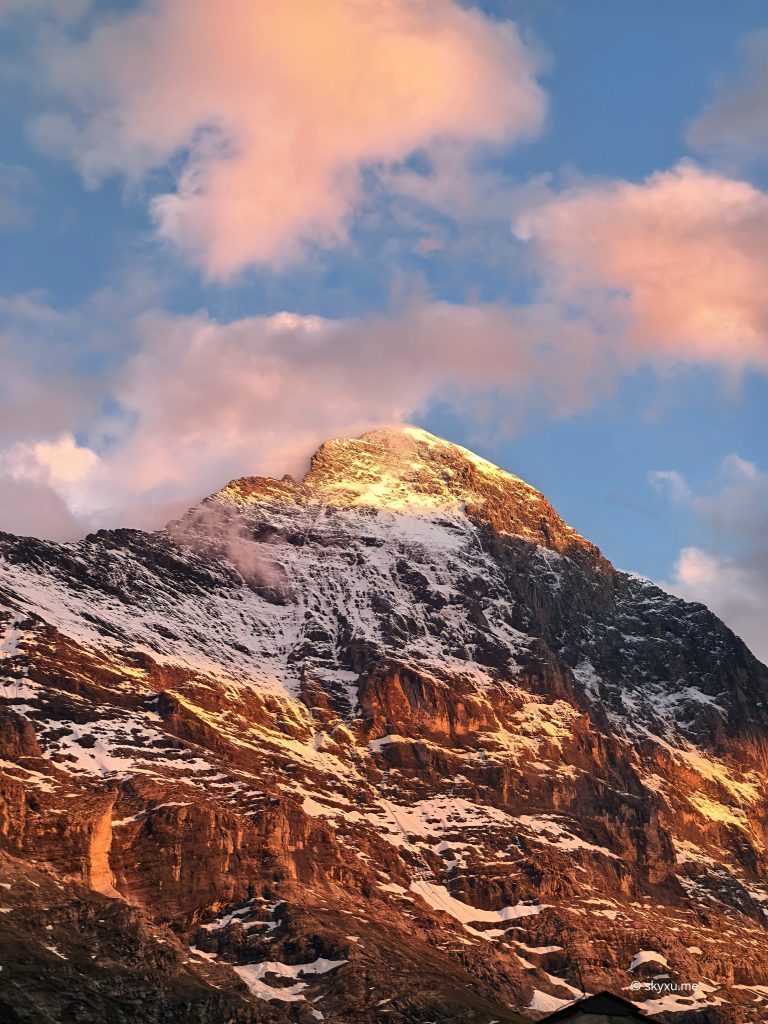
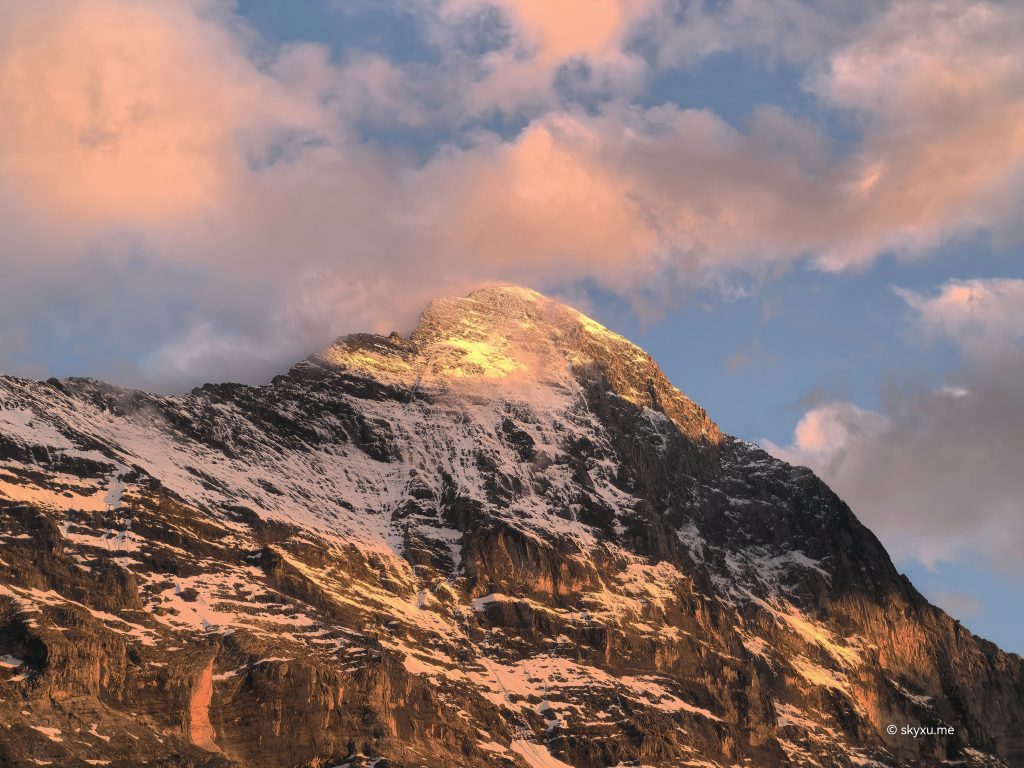
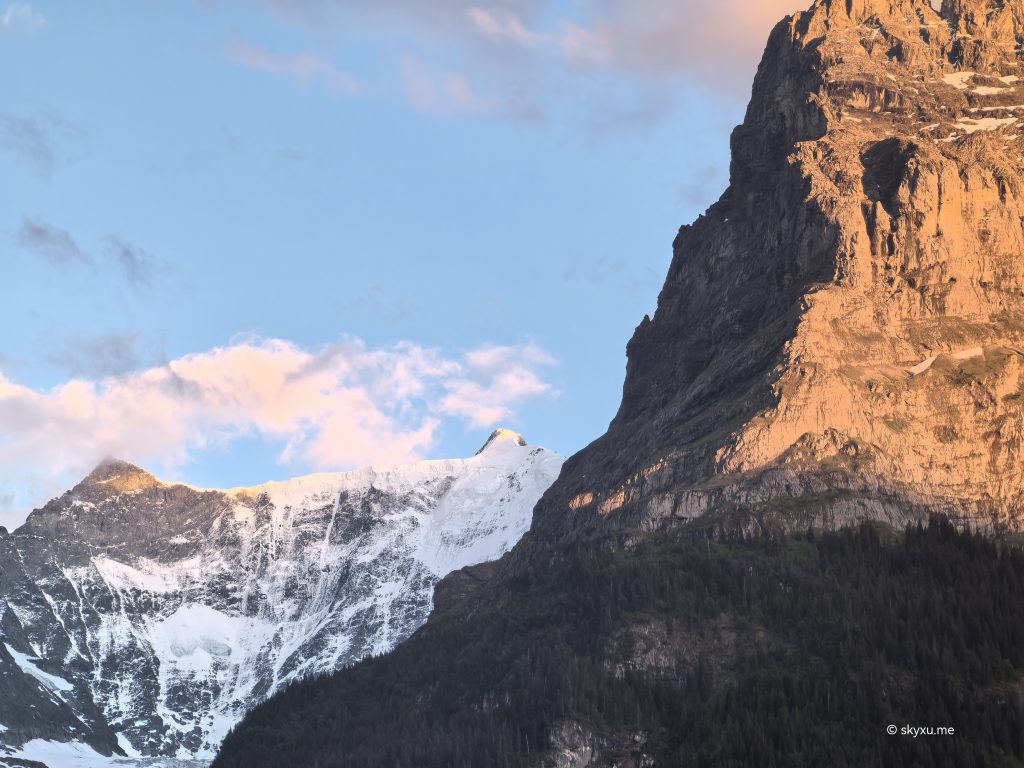
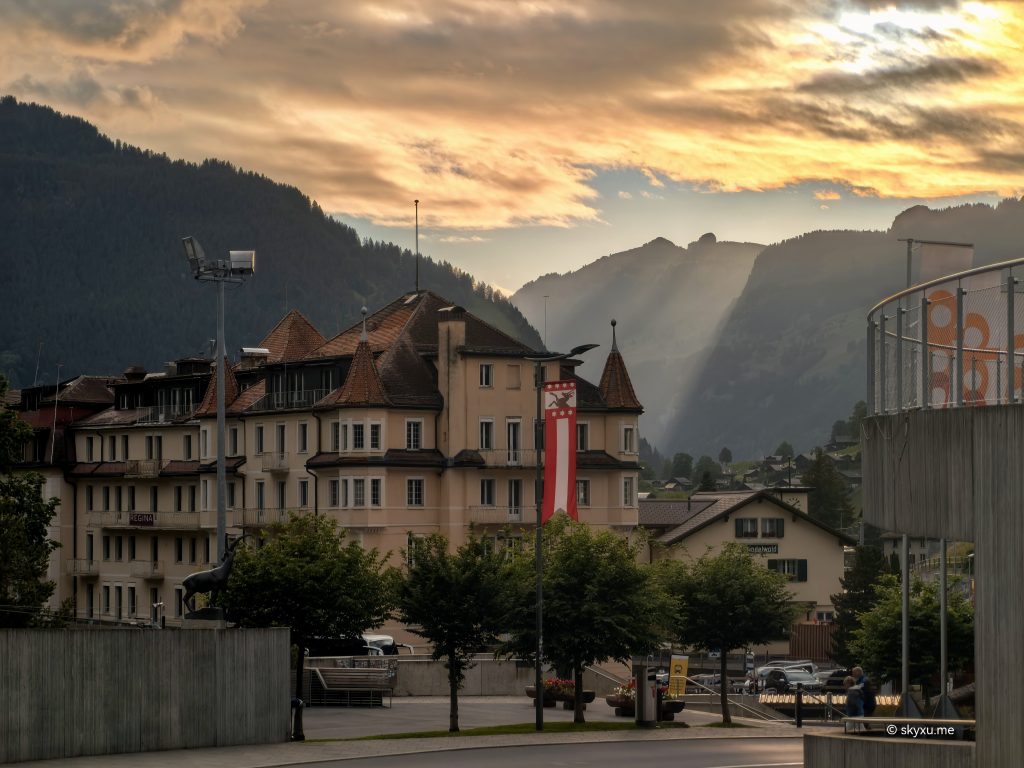
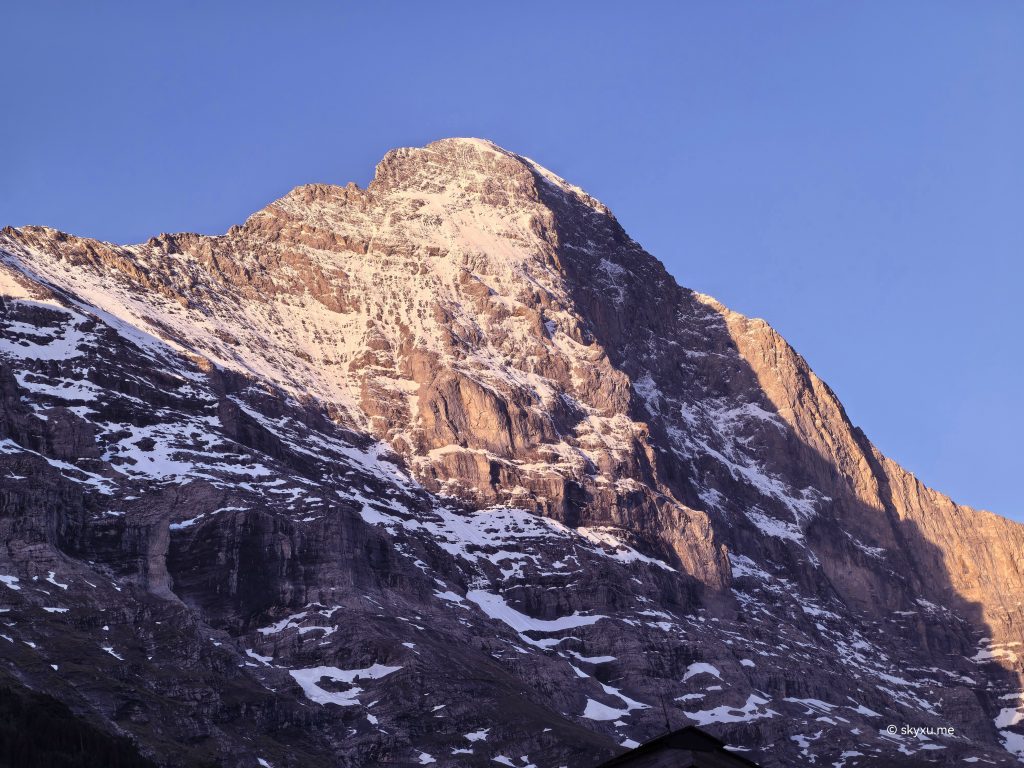
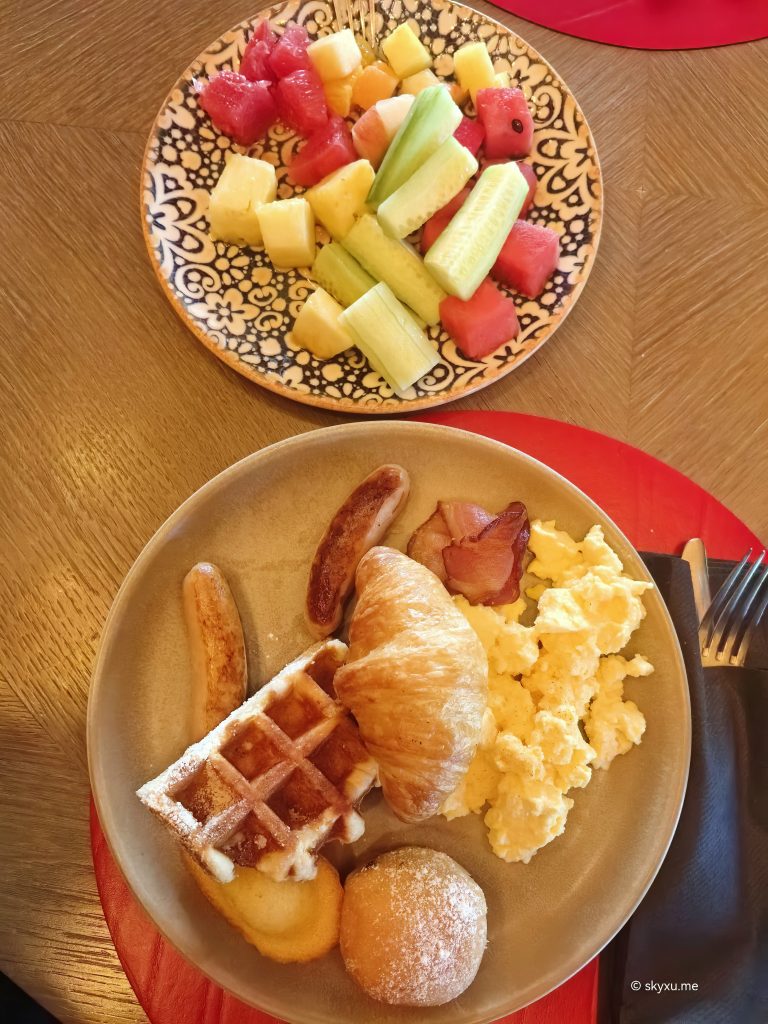
这一天是 First / Bachalpsee 徒步日。早上六点多起来追日照金山,稍微晚了一点,但山顶还留着晨光。早餐看起来普通,但是很有必要:今天的路会把每一块华夫饼的卡路里都收回去。
June 13 was the First / Bachalpsee hiking day. Sky got up after 6 a.m. to catch alpenglow and missed the peak moment slightly, but the ridges still held morning light. Breakfast looked ordinary; later it proved necessary. The trail would collect every waffle calorie.
缆车和 First Cliff / Cable cars and First Cliff Walk
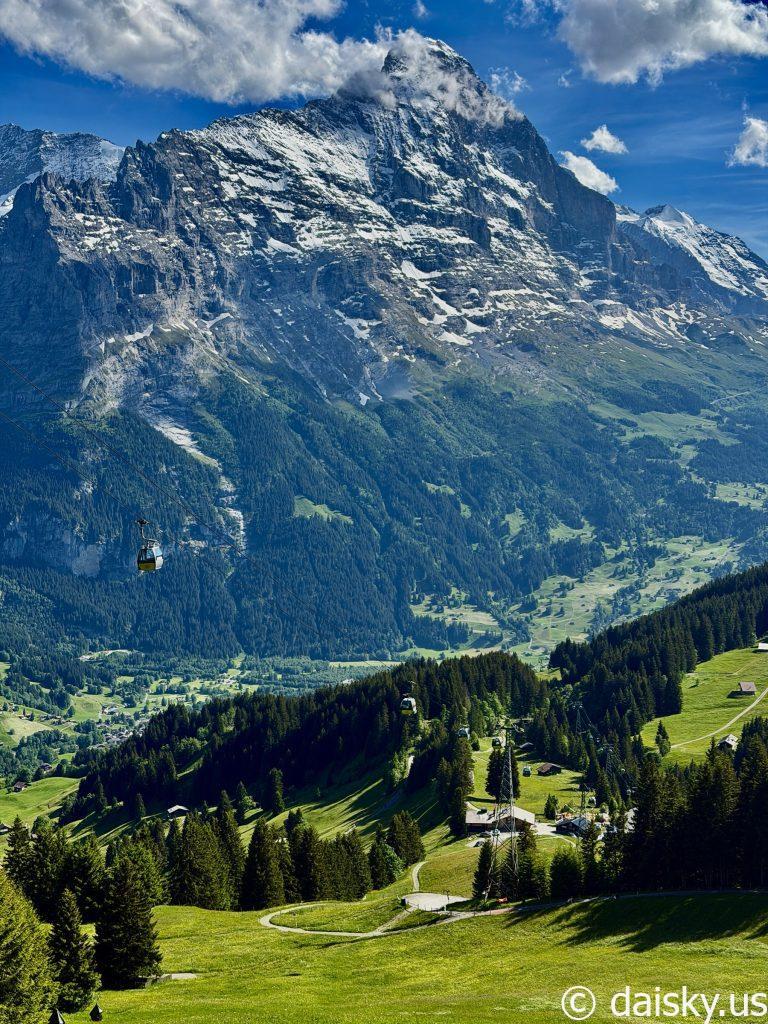
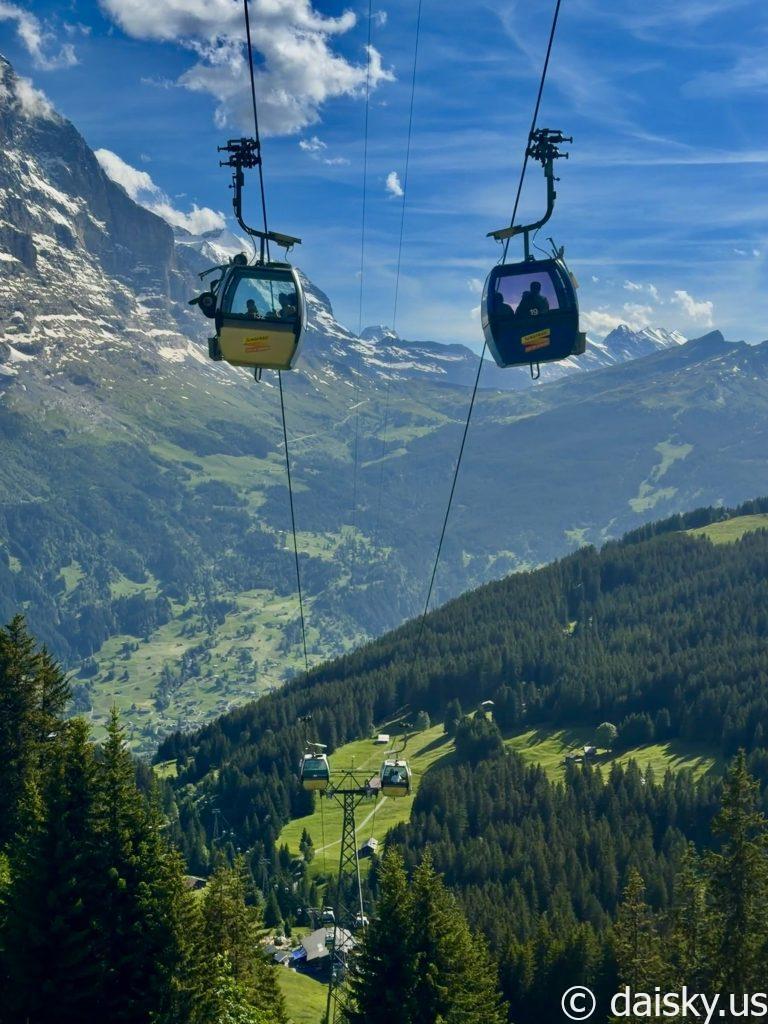
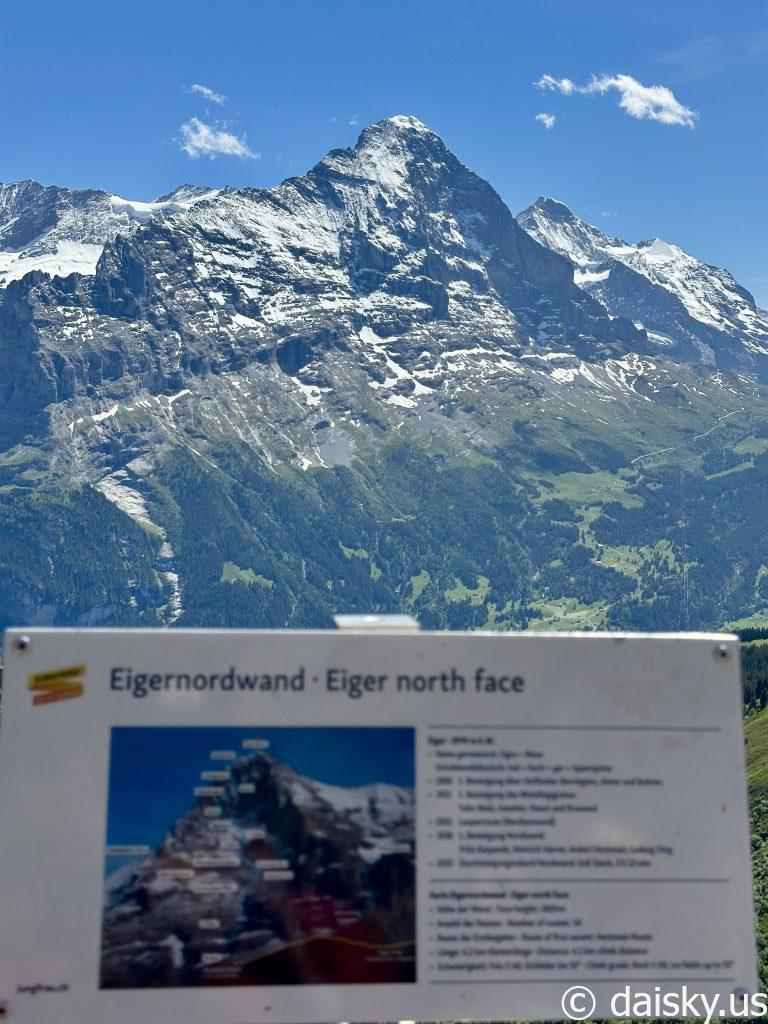
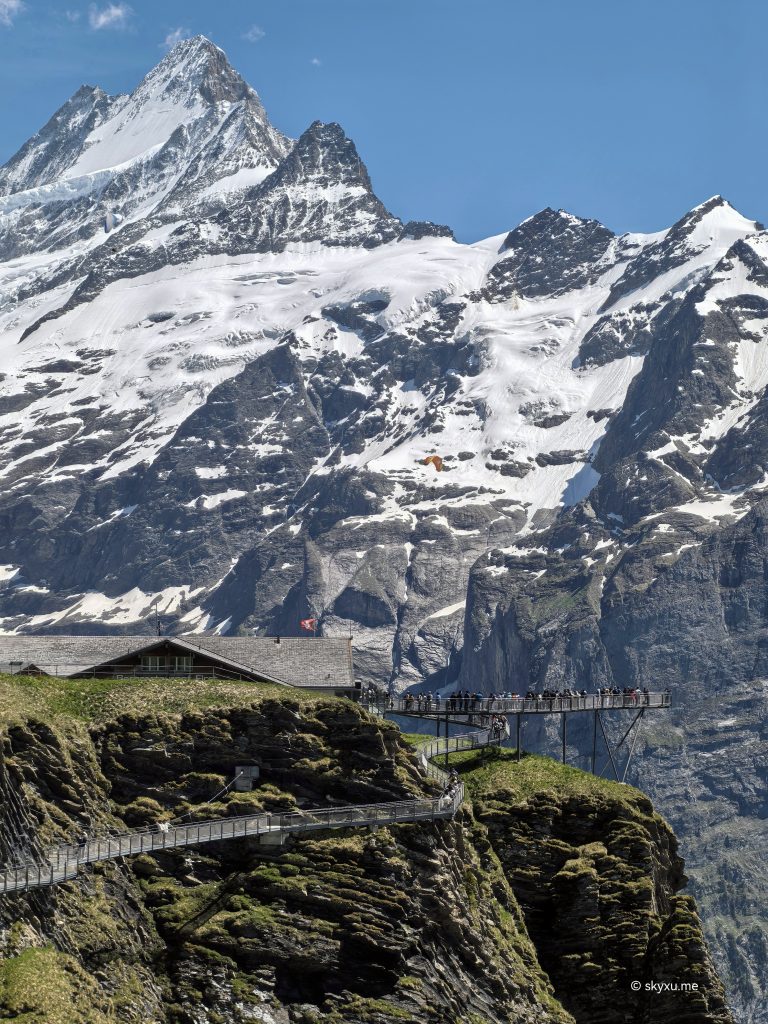
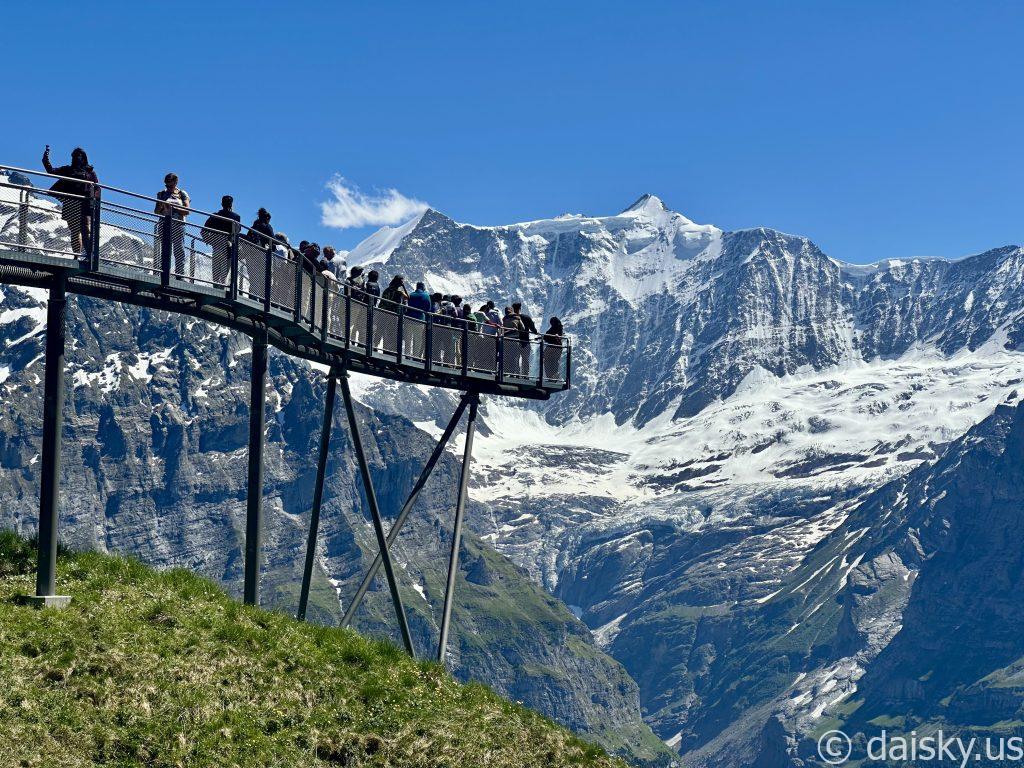
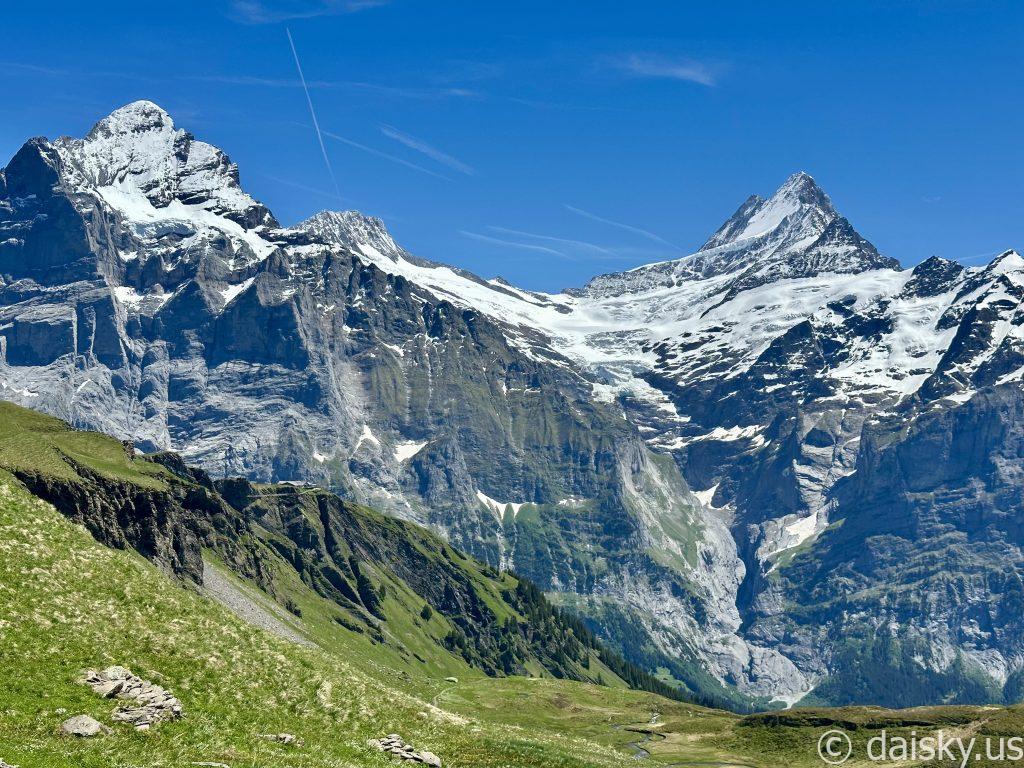
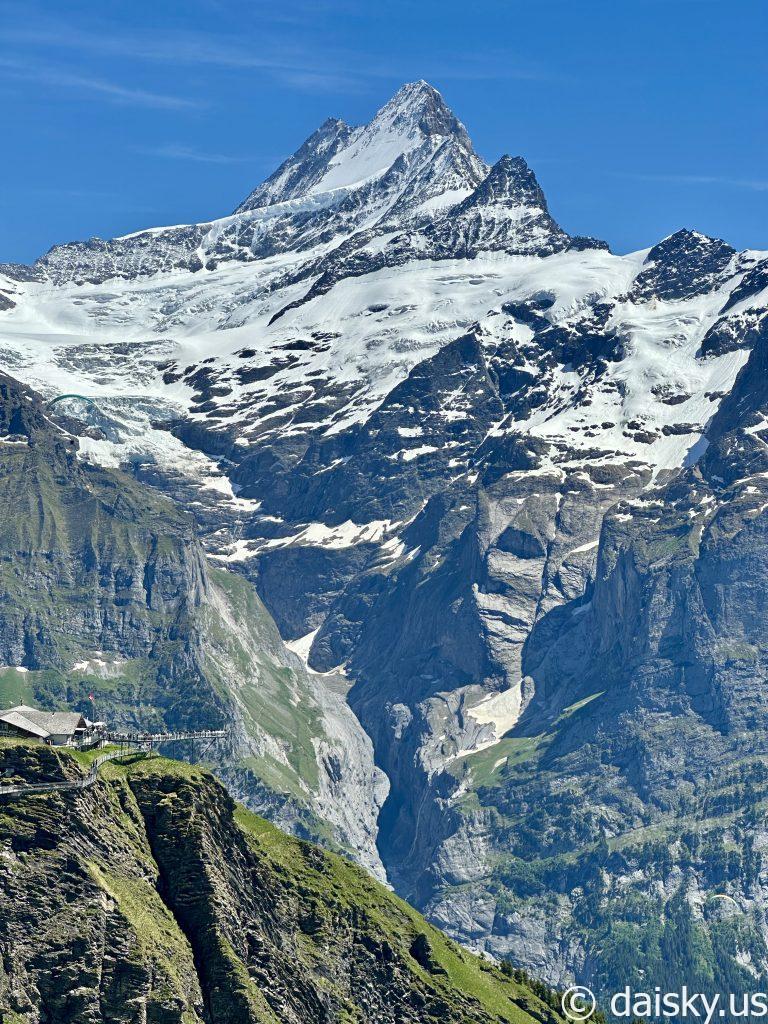
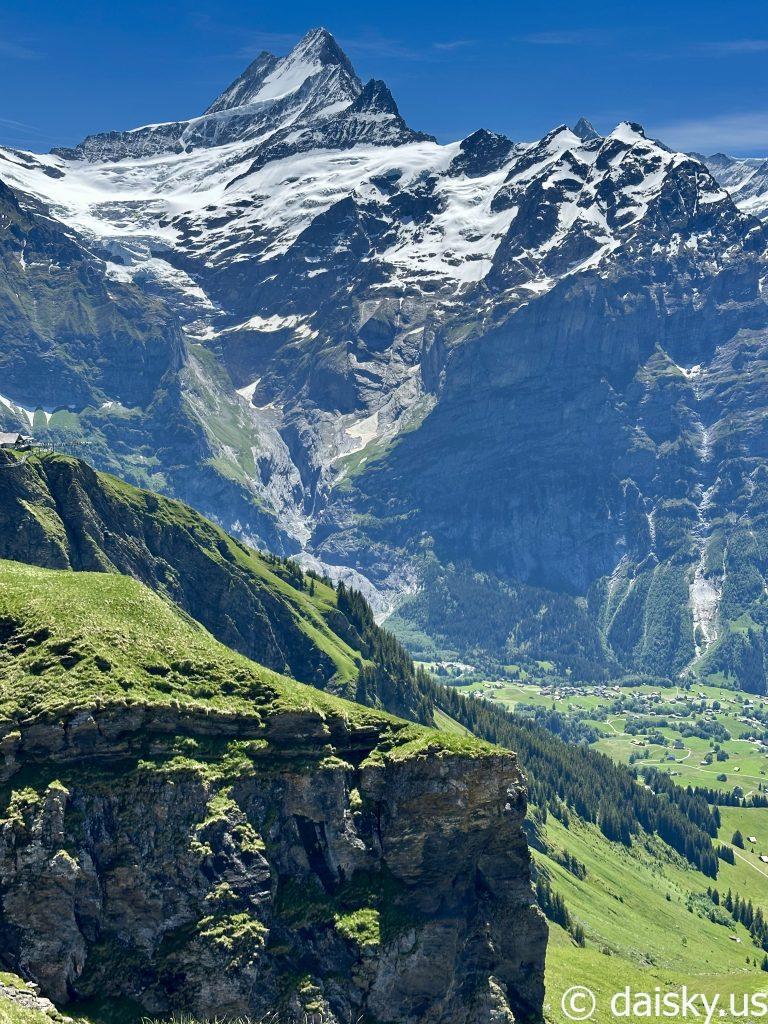
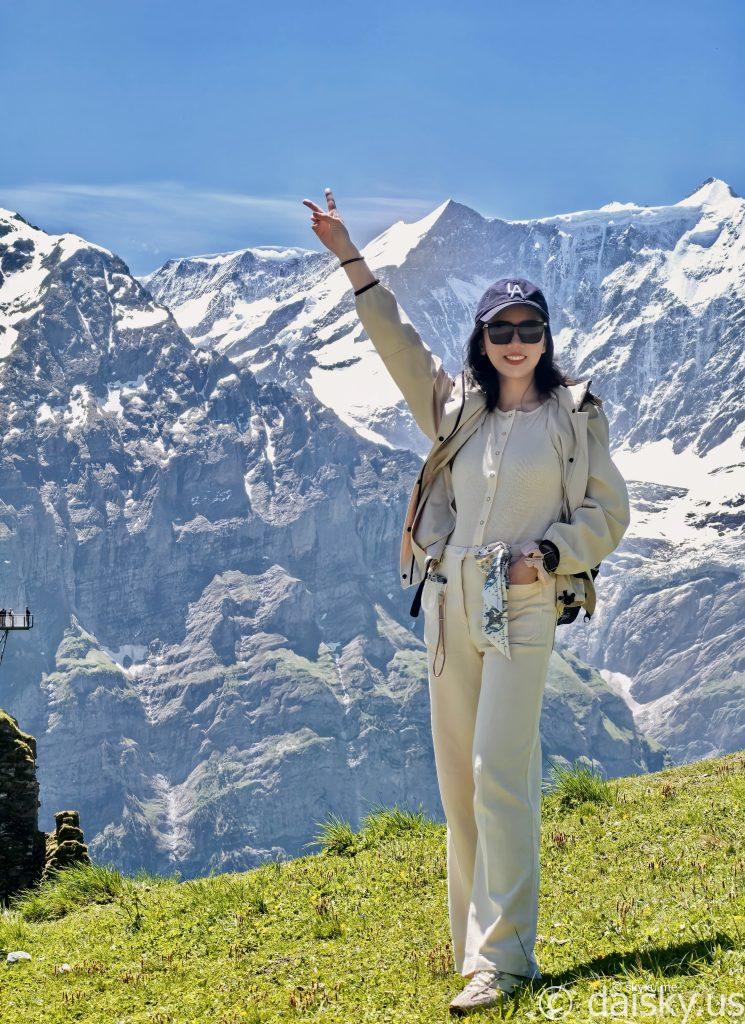
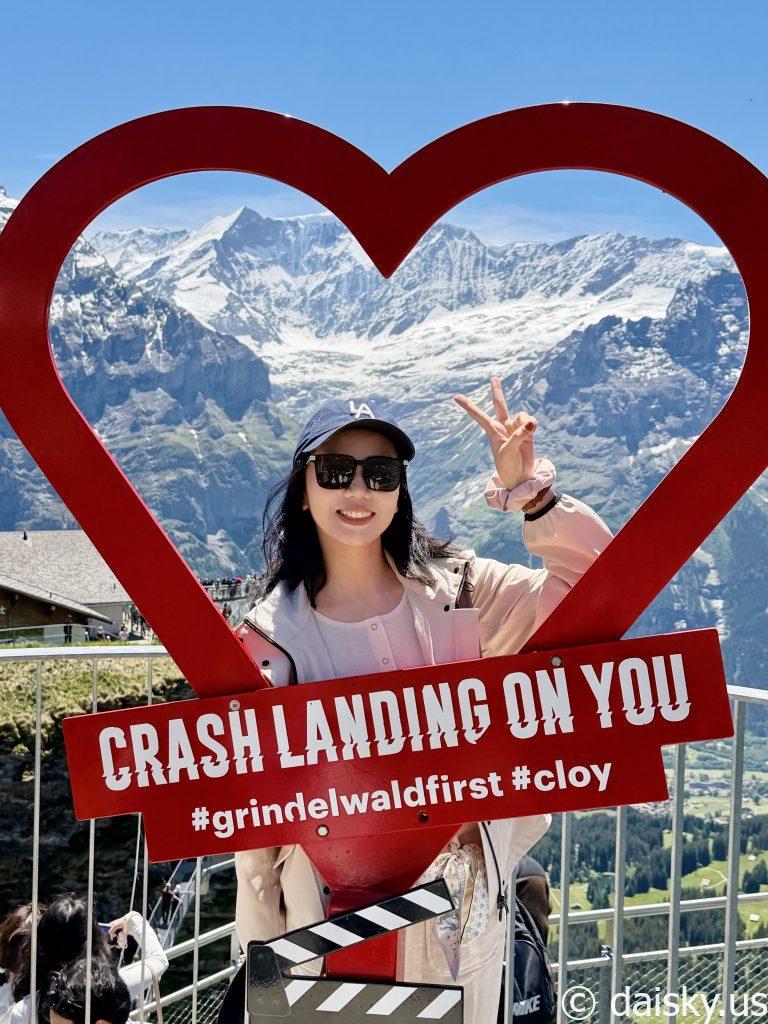
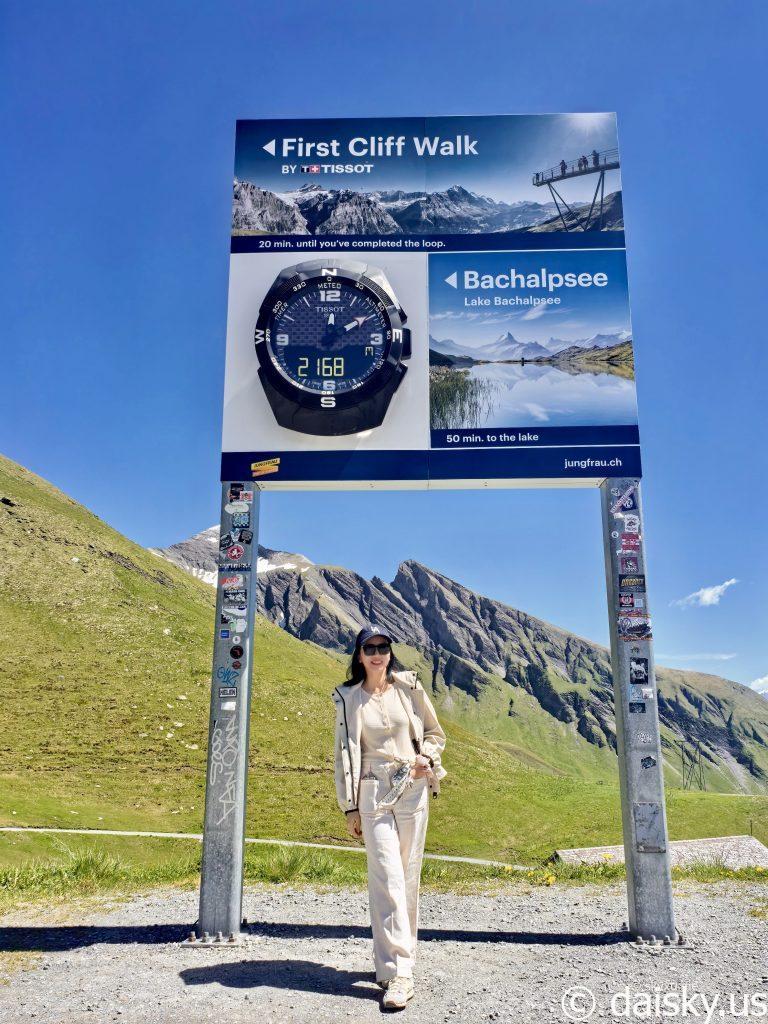
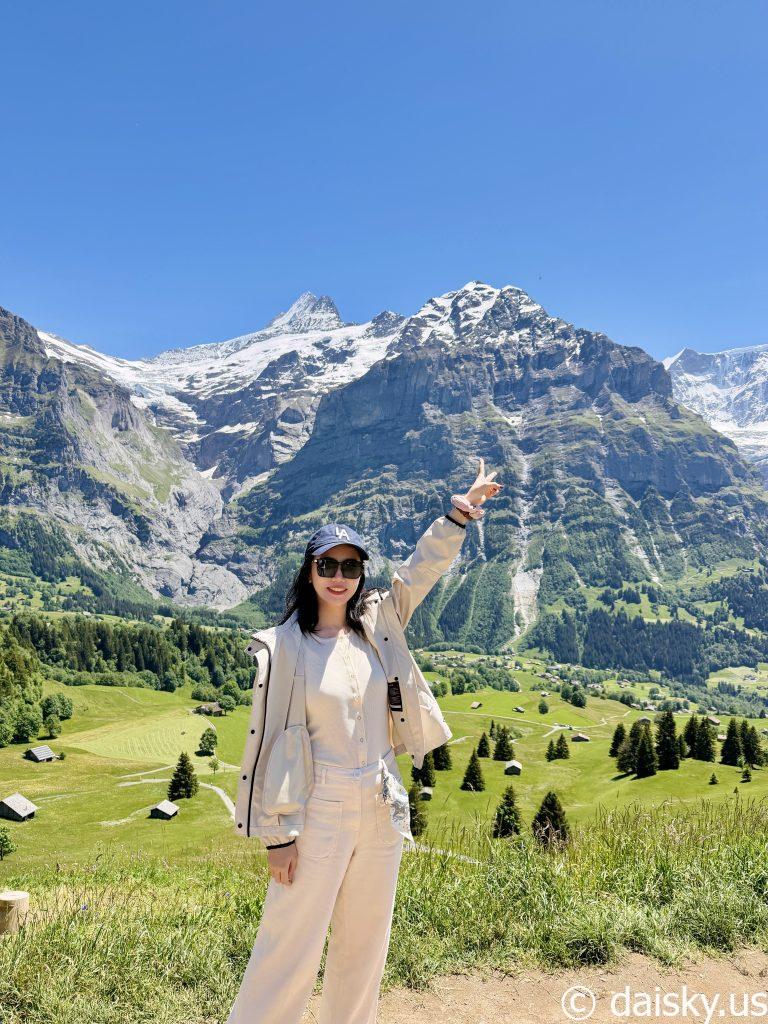
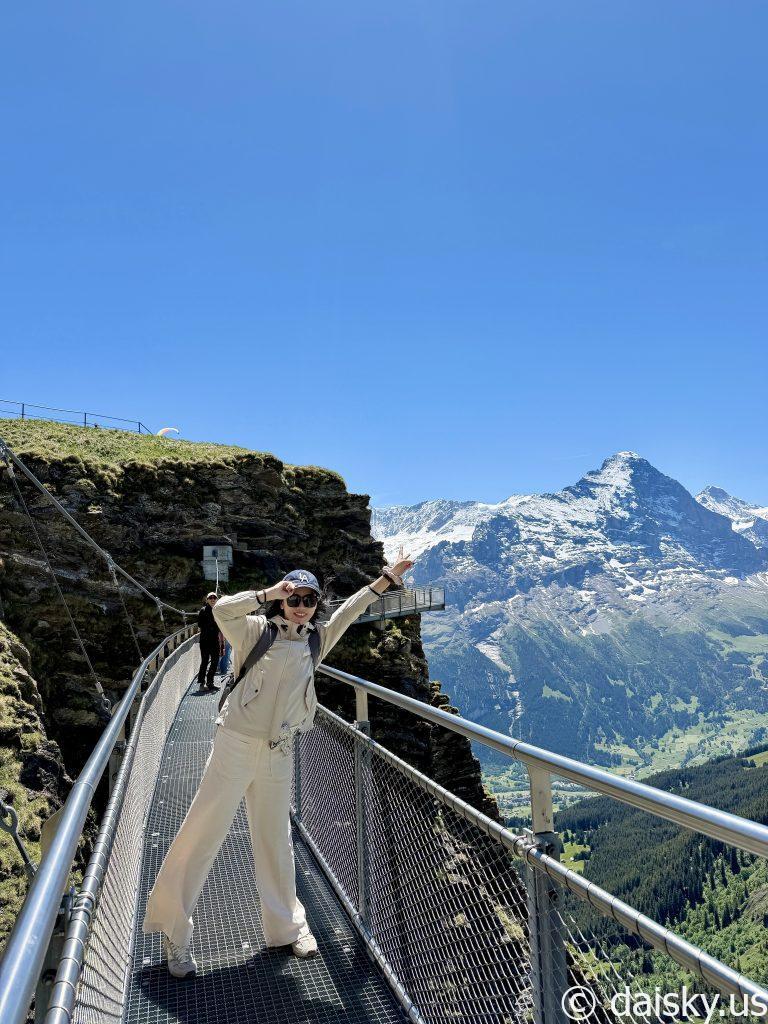
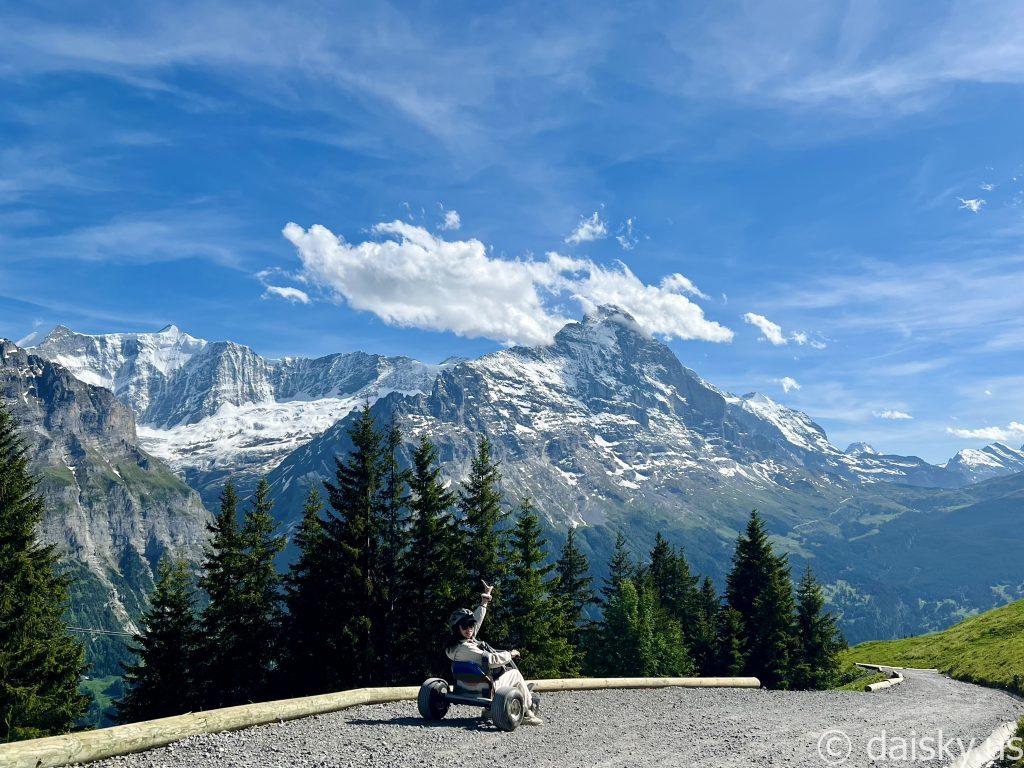
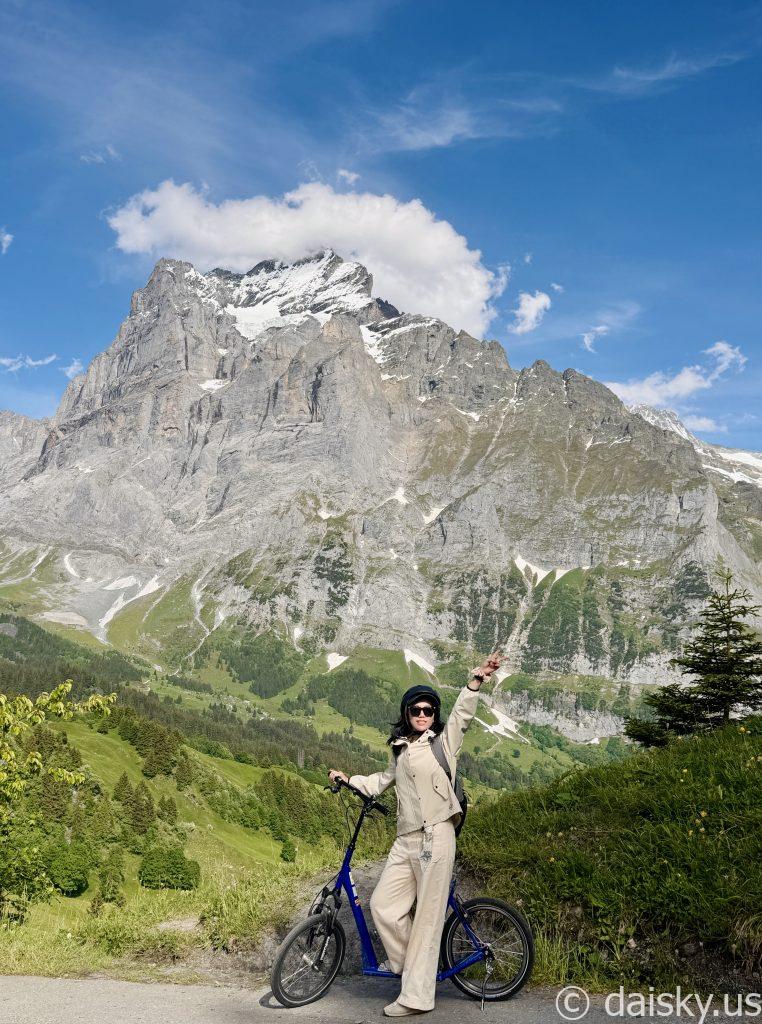
坐缆车上 First 的时候,会很明显地感觉到瑞士旅游系统的厉害:它把人一路送进山里,但并不会把山处理成一个“景区模型”。缆车一节一节越过山谷,脚下是草坡和小路,远处的岩壁和雪线一直跟着视线往上抬。到了 First Cliff Walk,金属栈道贴着山边绕出去,观景台上人很多,拍照也很热闹;可是只要视线从人群里移开,Wetterhorn、Schreckhorn、Eiger 那一带的山体立刻又把比例拉回现实。你确实很容易到达这里,但山一点也没有因此变小。
The ride up to First makes the strength of Swiss mountain tourism very obvious: it brings you deep into the mountains without turning them into a theme-park model. Gondolas move steadily over the valley, with meadows and paths below and rock walls and snowlines pulling the eye higher in the distance. At First Cliff Walk, the metal walkway wraps along the edge, the viewpoint is busy, and everyone is taking photos; but the moment you look past the crowd, the Wetterhorn, Schreckhorn, and Eiger-area walls restore the real scale of the place. It is easy to reach this view, but the mountains do not feel any smaller for it.
滑翔伞:人在山前只是小亮点 / Paragliders: tiny bright marks
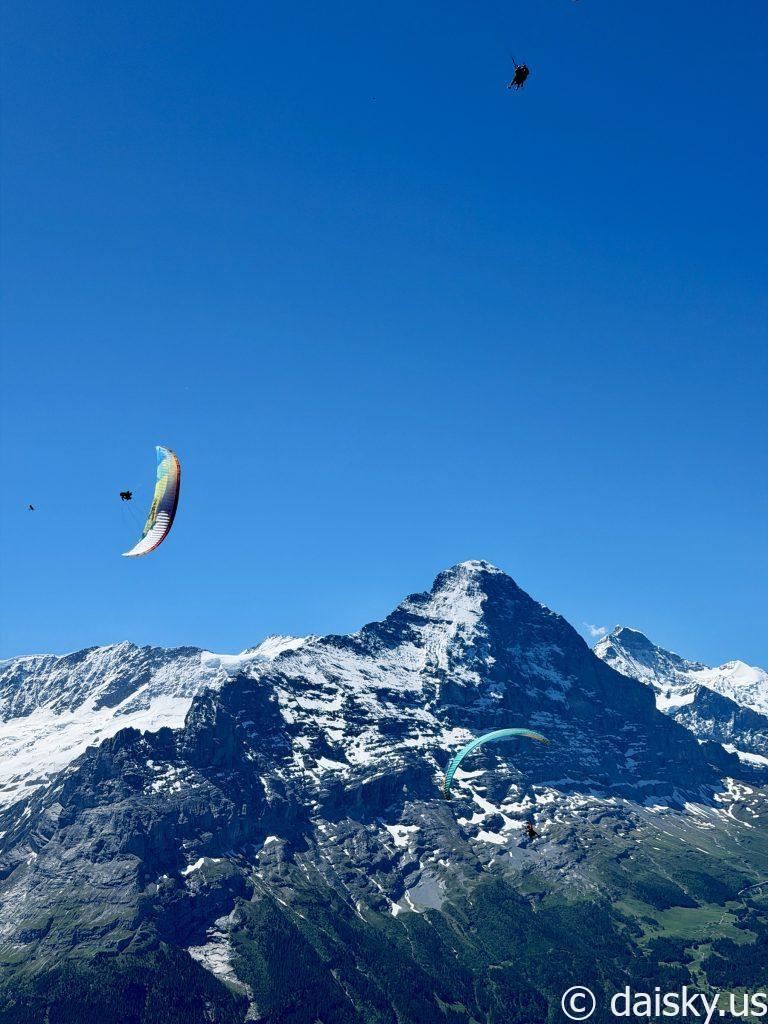
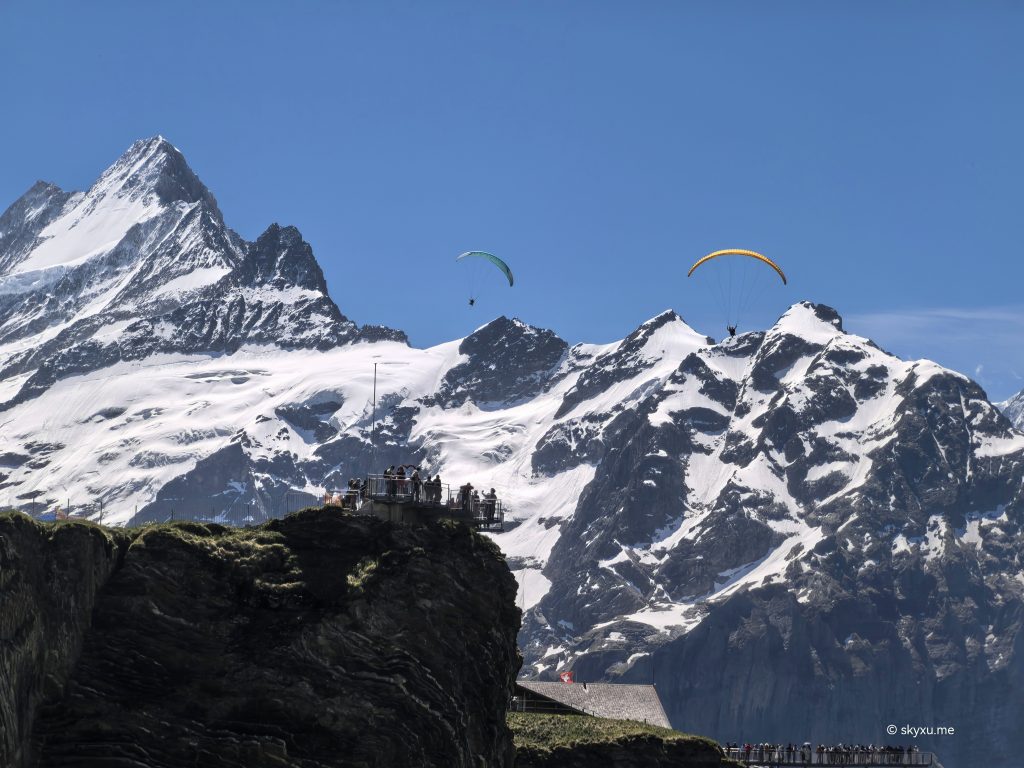
滑翔伞让尺度感特别直观。人在画面里很自由,也很渺小,像山前几个彩色标点。阿尔卑斯不是背景布,它把人放进了自己的比例里。
The paragliders make the scale obvious. They look free, and very small — bright punctuation marks in front of mountains. The Alps are not a backdrop; they place people inside their own scale.
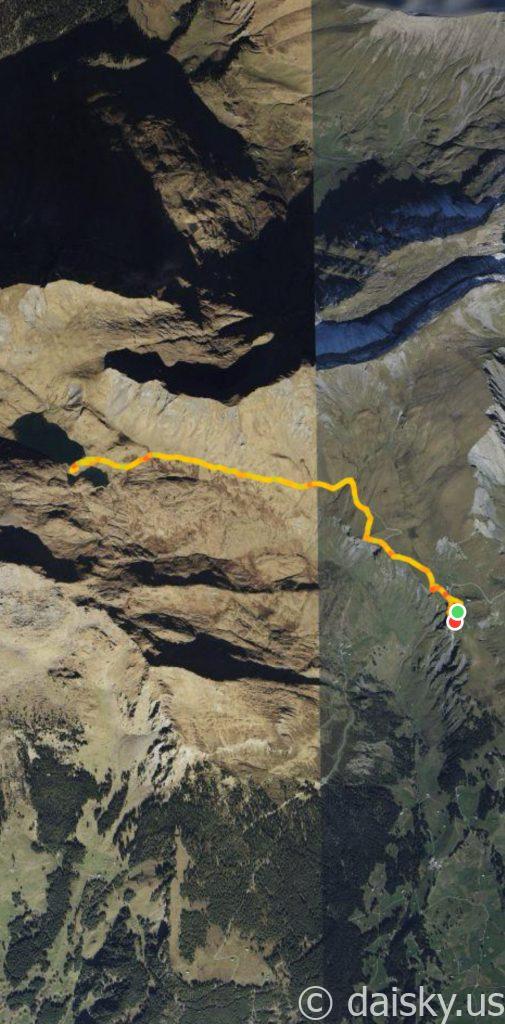
去 Bachalpsee 的路:长路漫漫 / The Bachalpsee trail: distance adds up
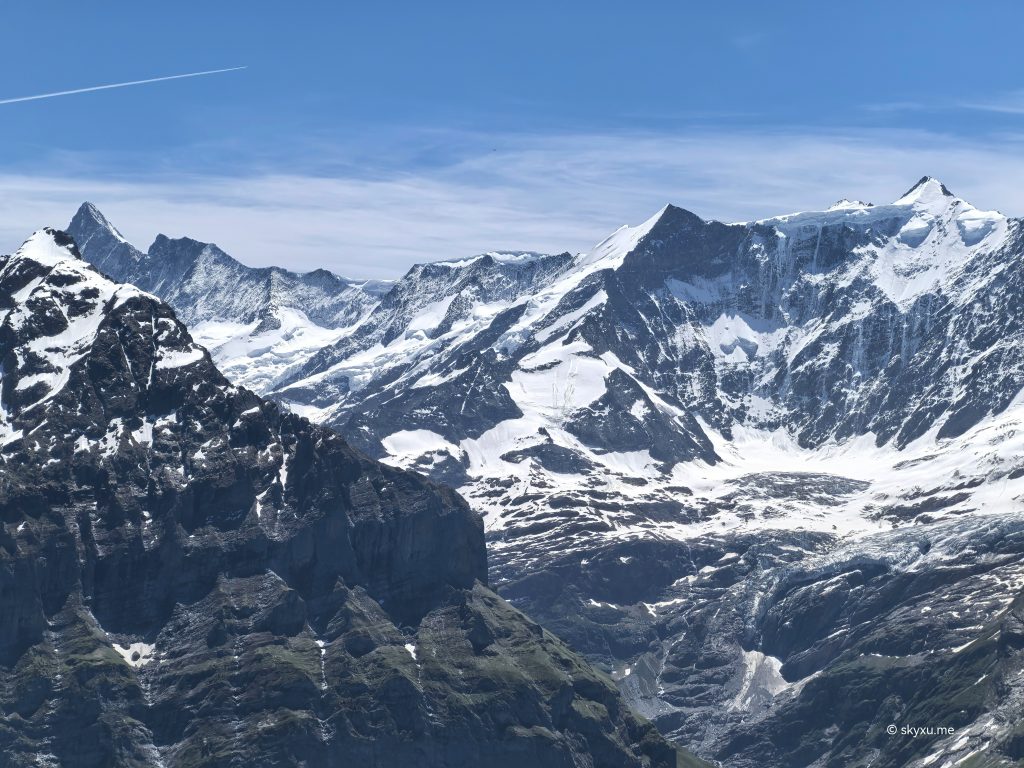
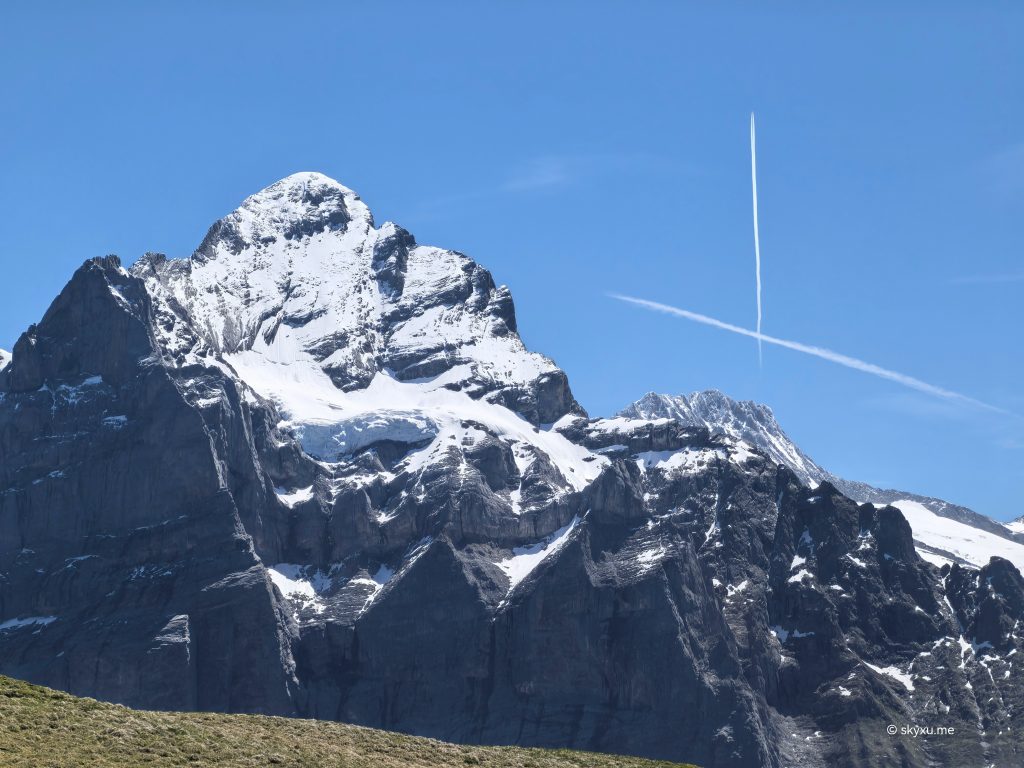
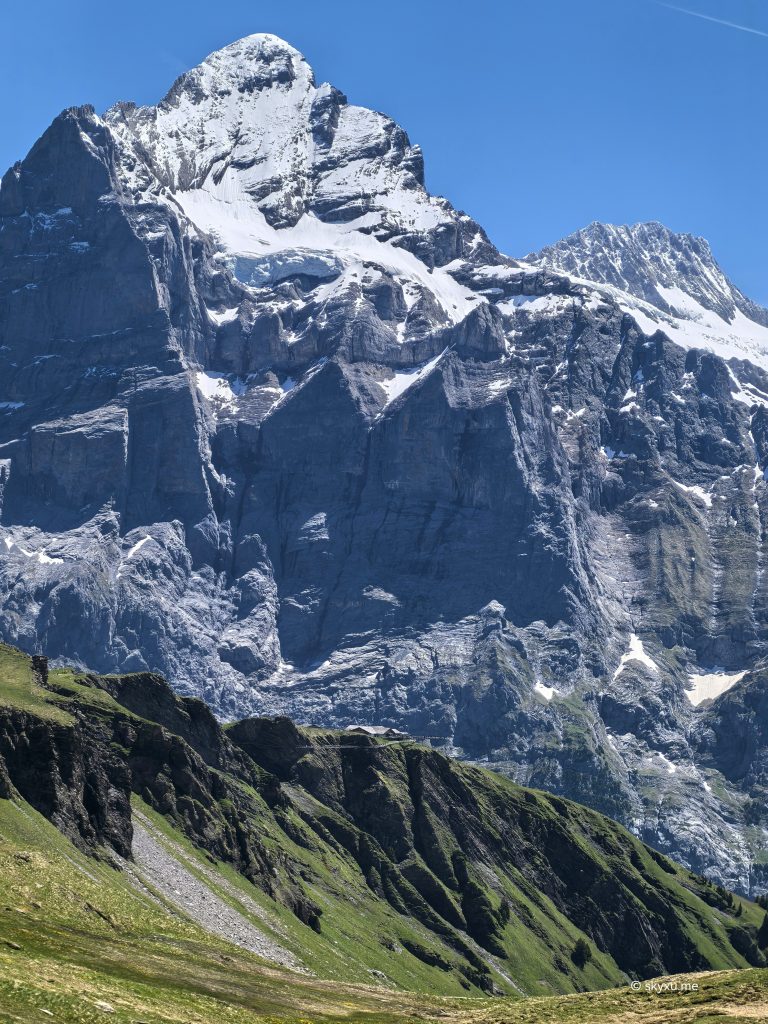
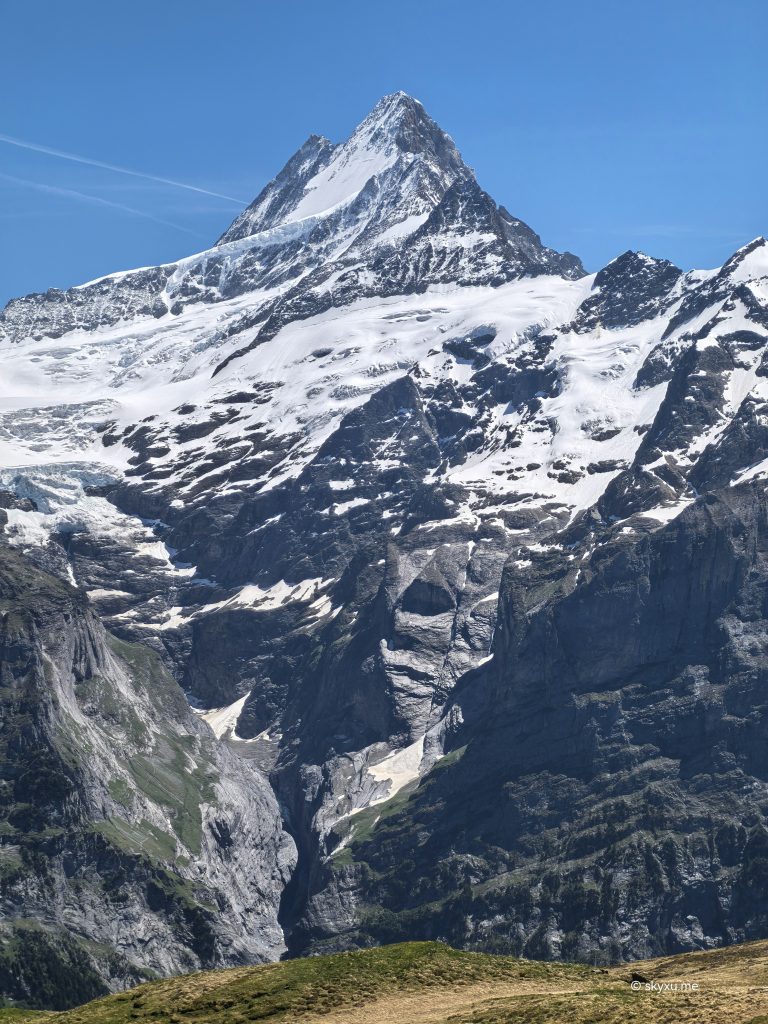
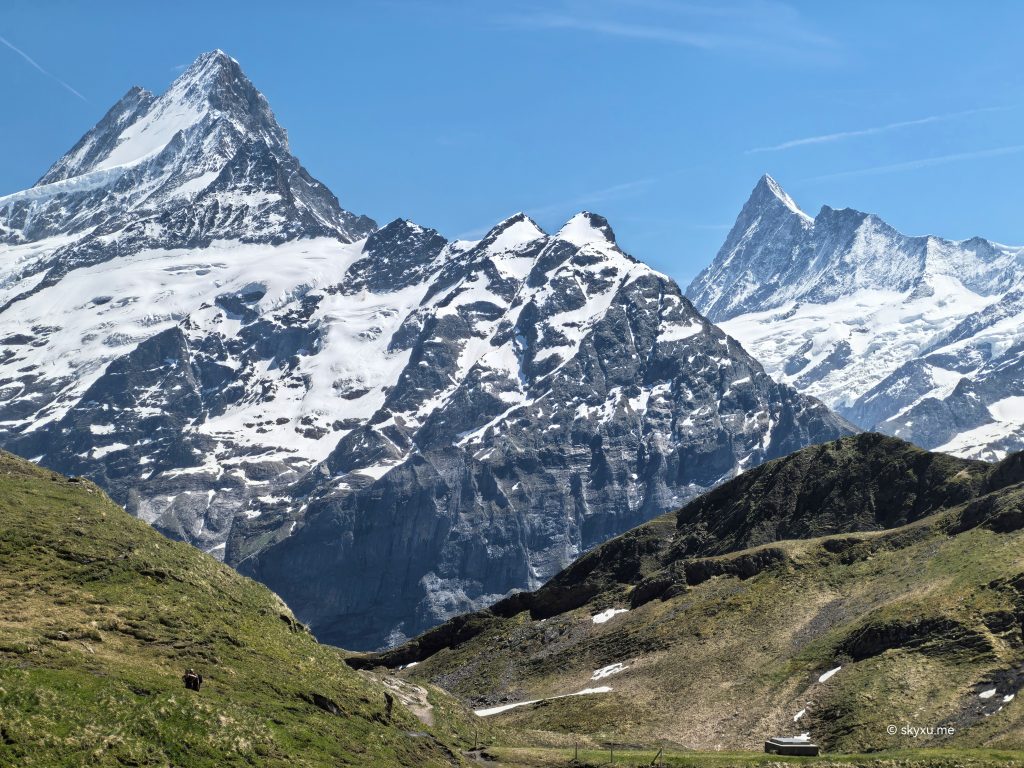
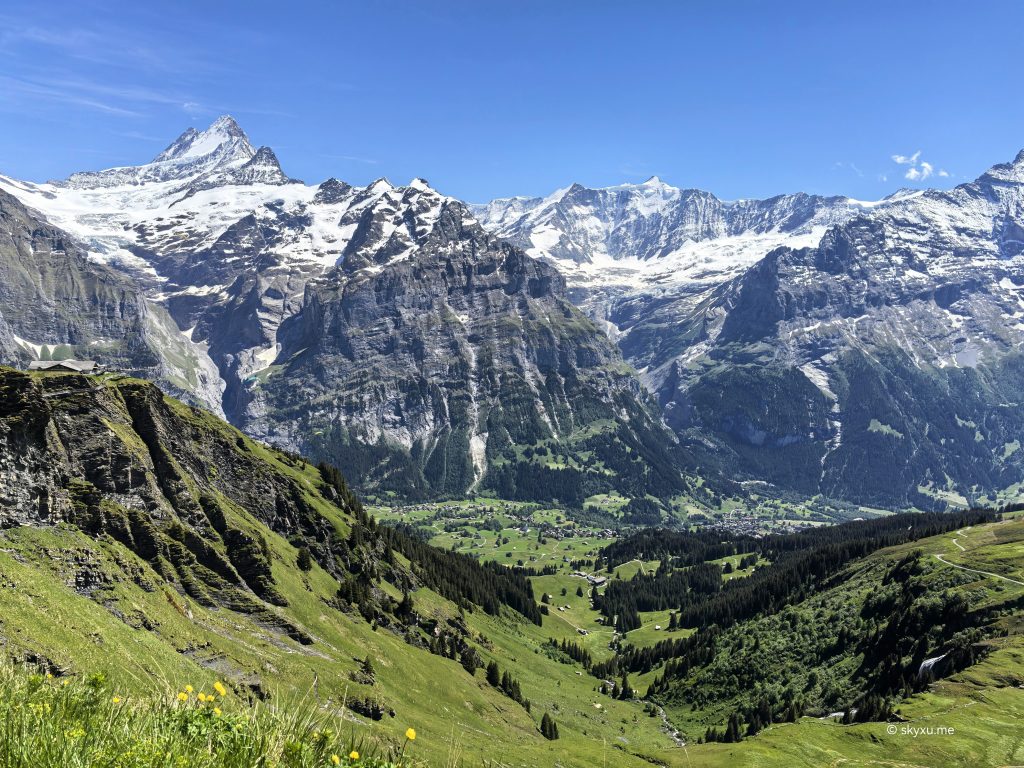
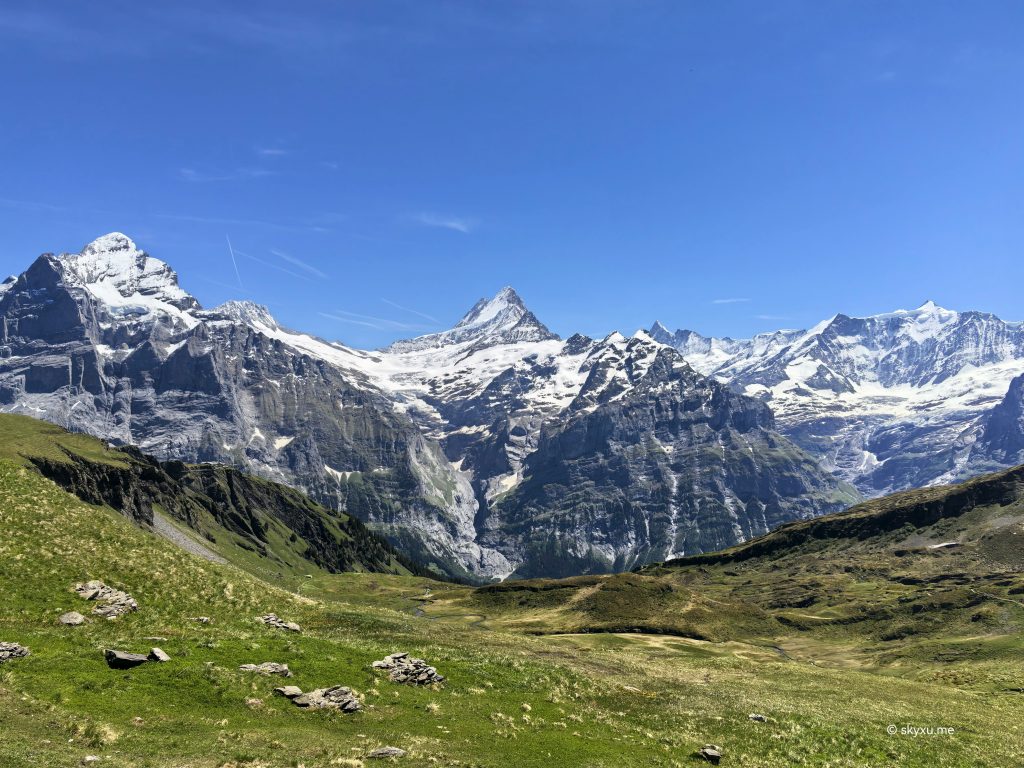
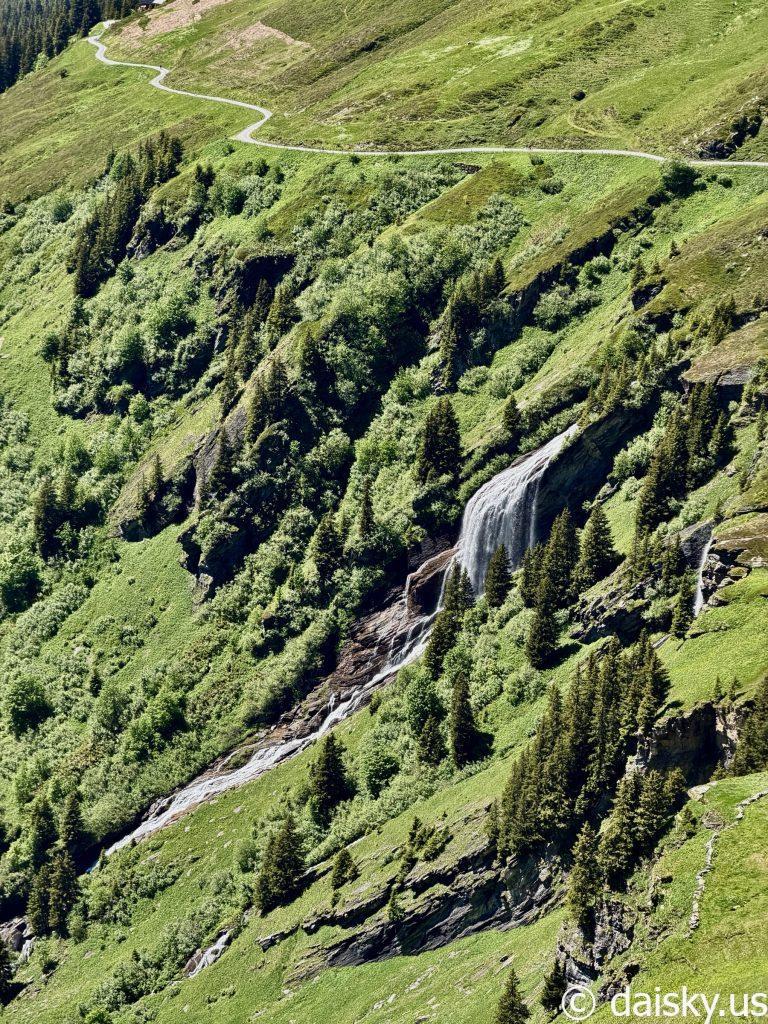
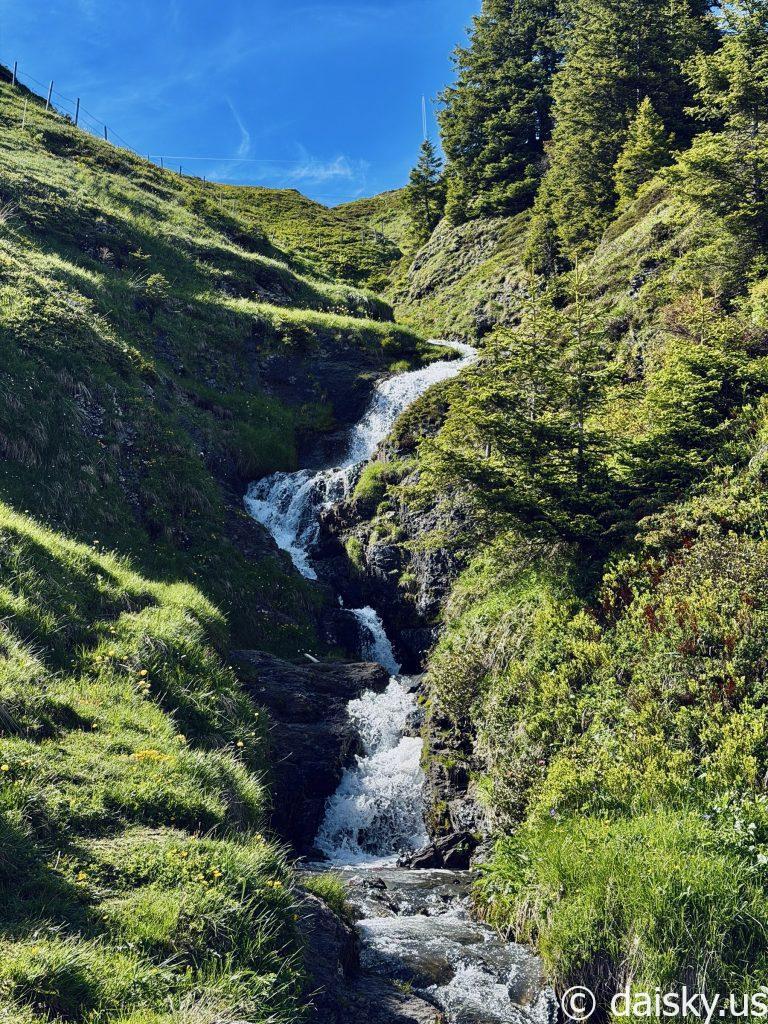
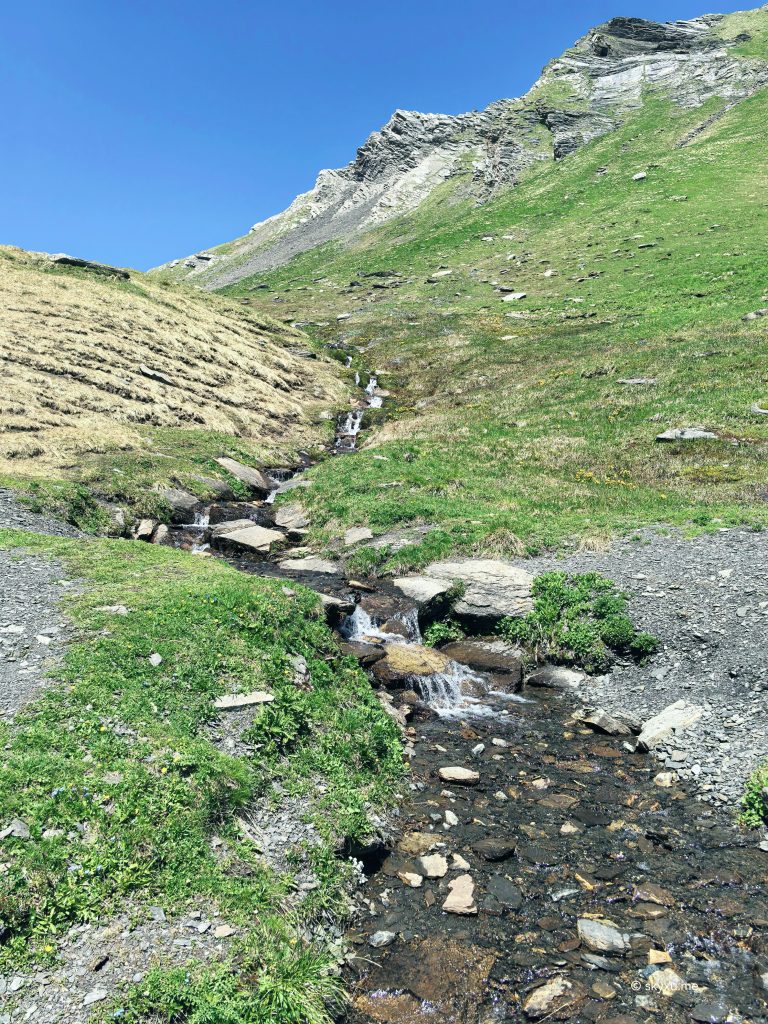
去 Bachalpsee 的路总体不算特别陡,难点是长。山谷、雪峰、绿色山脊、小溪、瀑布和冰川线一直在分散注意力,所以累不是一下子来的,而是慢慢积上来。瑞士的清澈不是滤镜,是整座山在排水、风化,被冰川和溪流慢慢切开。
The trail to Bachalpsee was not extremely steep; the challenge was distance. Valleys, snow peaks, green ridges, streams, waterfalls, and glacier lines kept distracting the eye, so fatigue arrived gradually. Swiss clarity is not a filter; it is mountains draining, weathering, and being carved by ice and water.
瑞士尺度错觉:童话只是表层 / The Swiss scale illusion
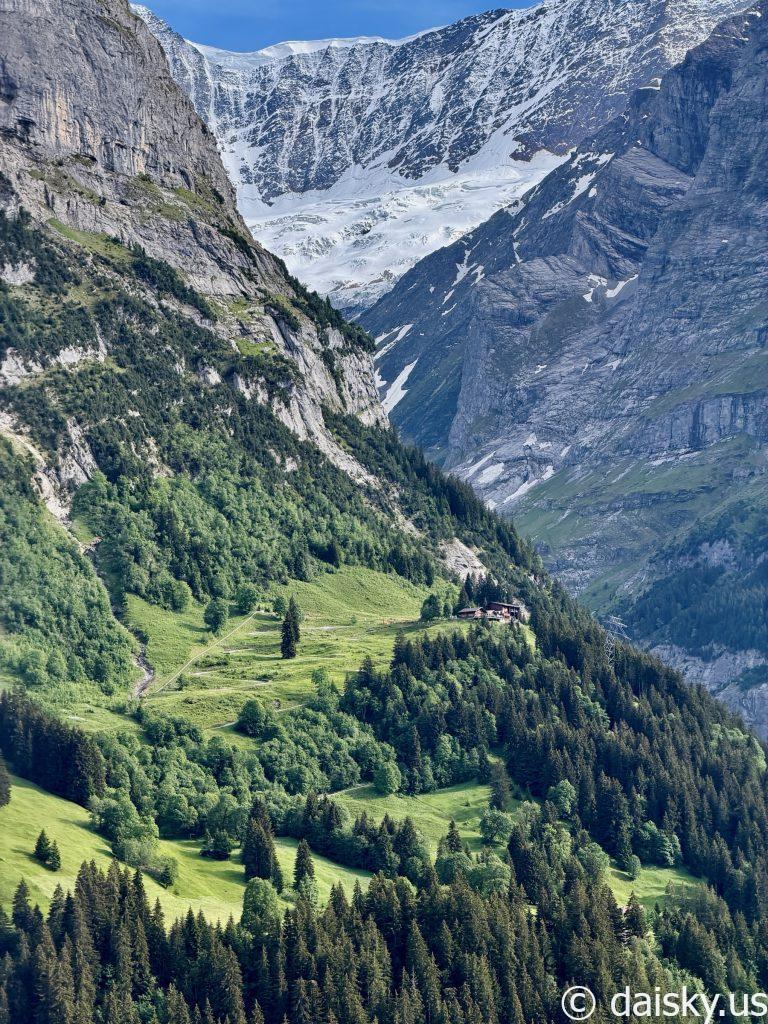
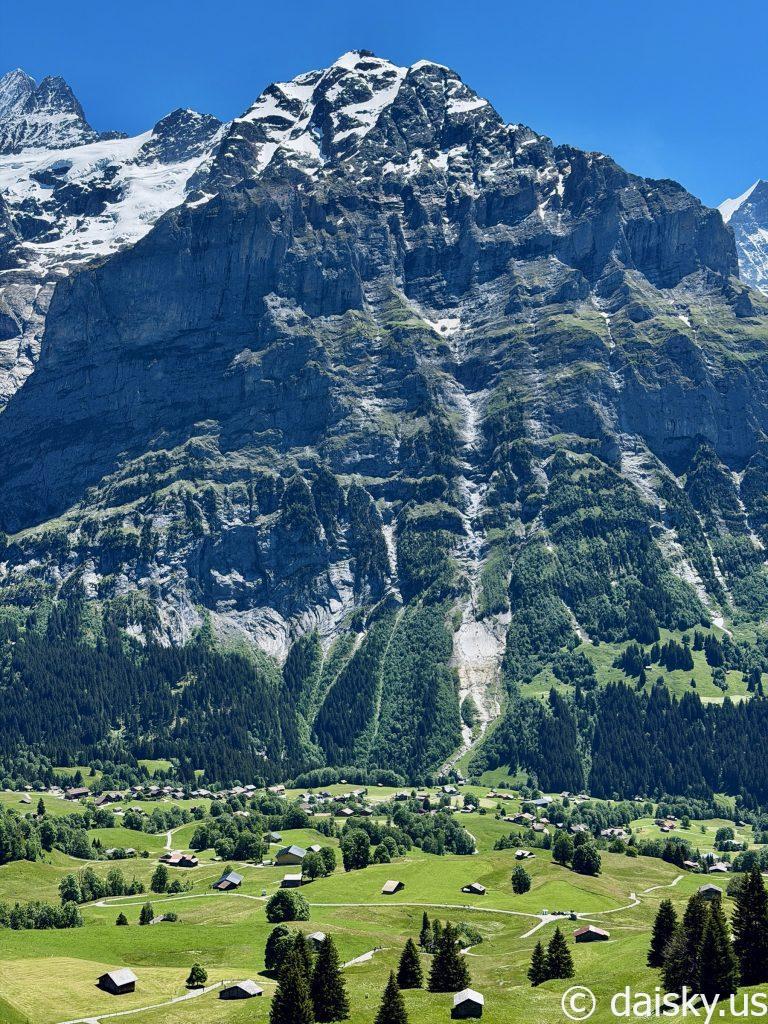
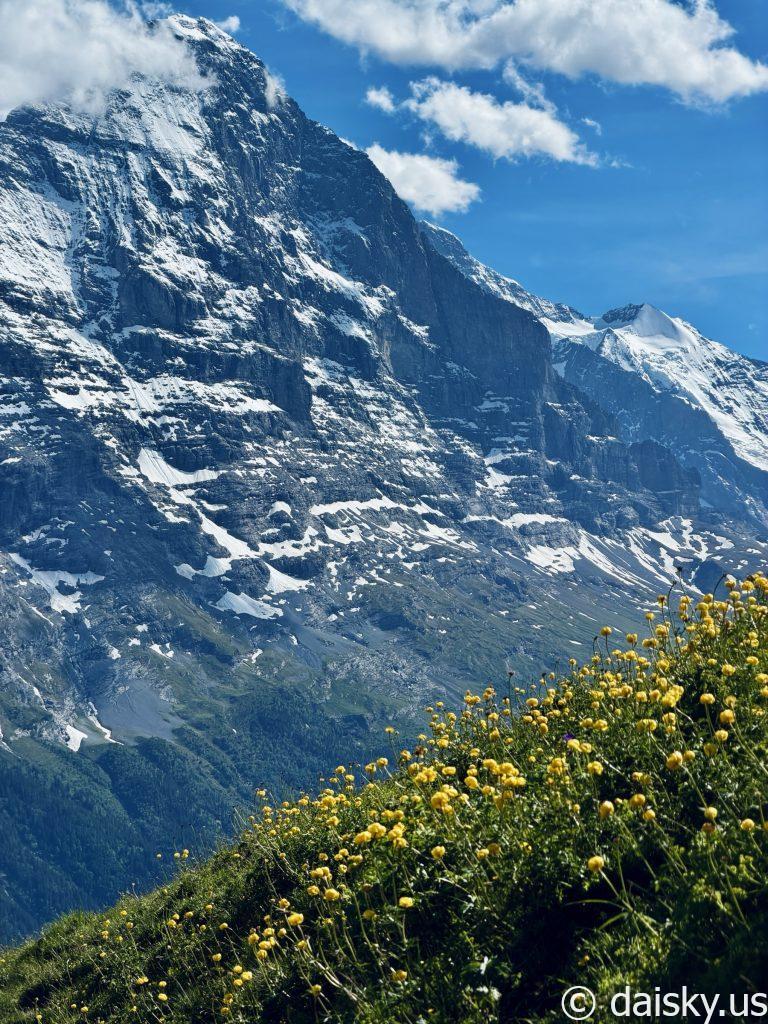
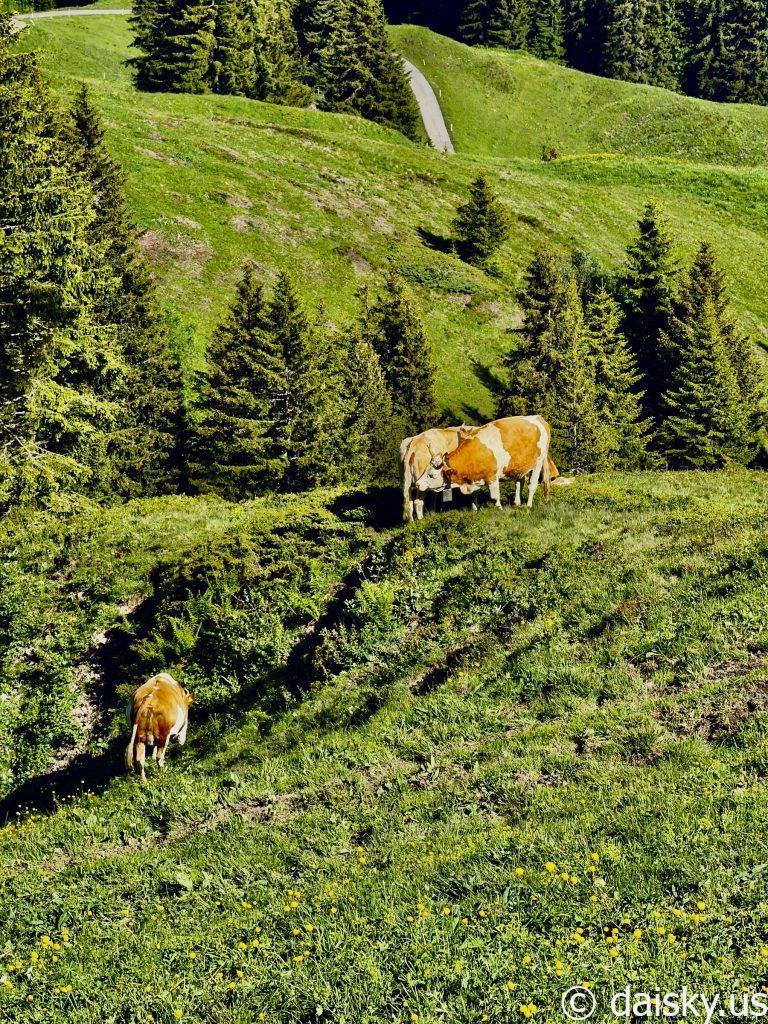
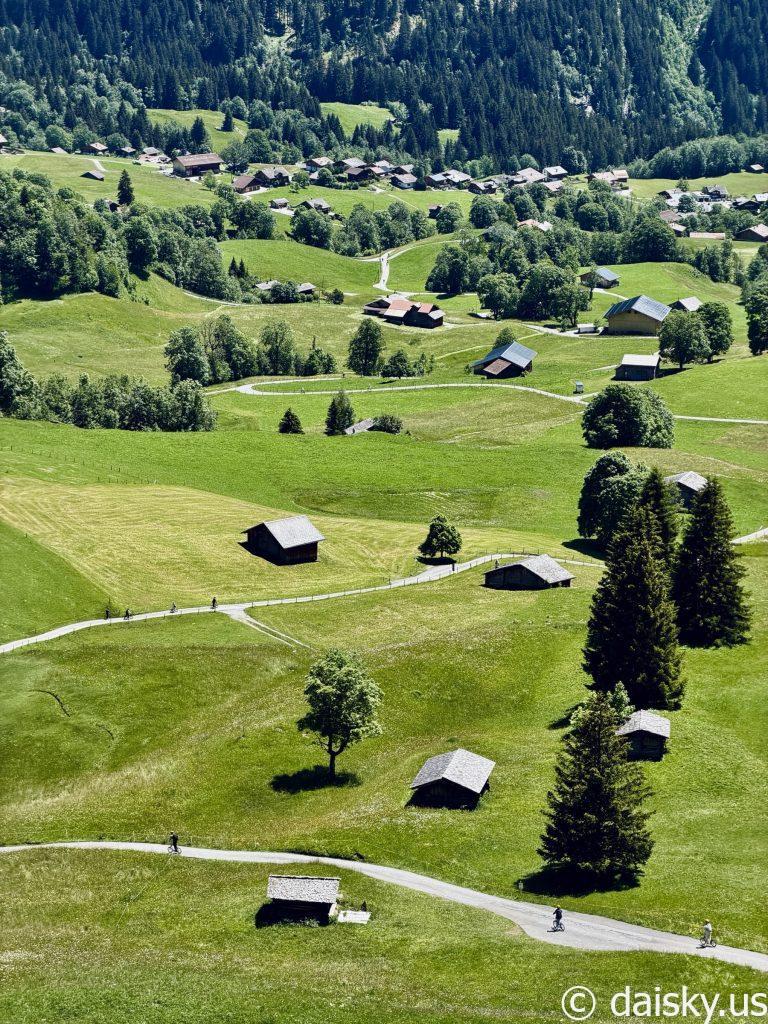
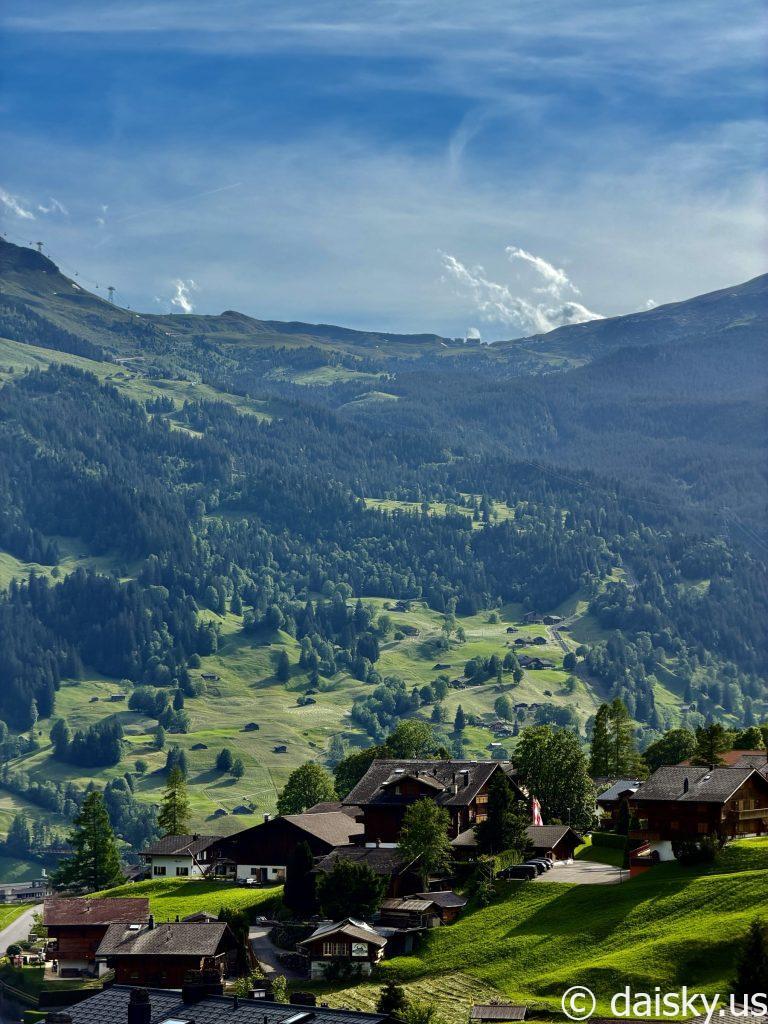
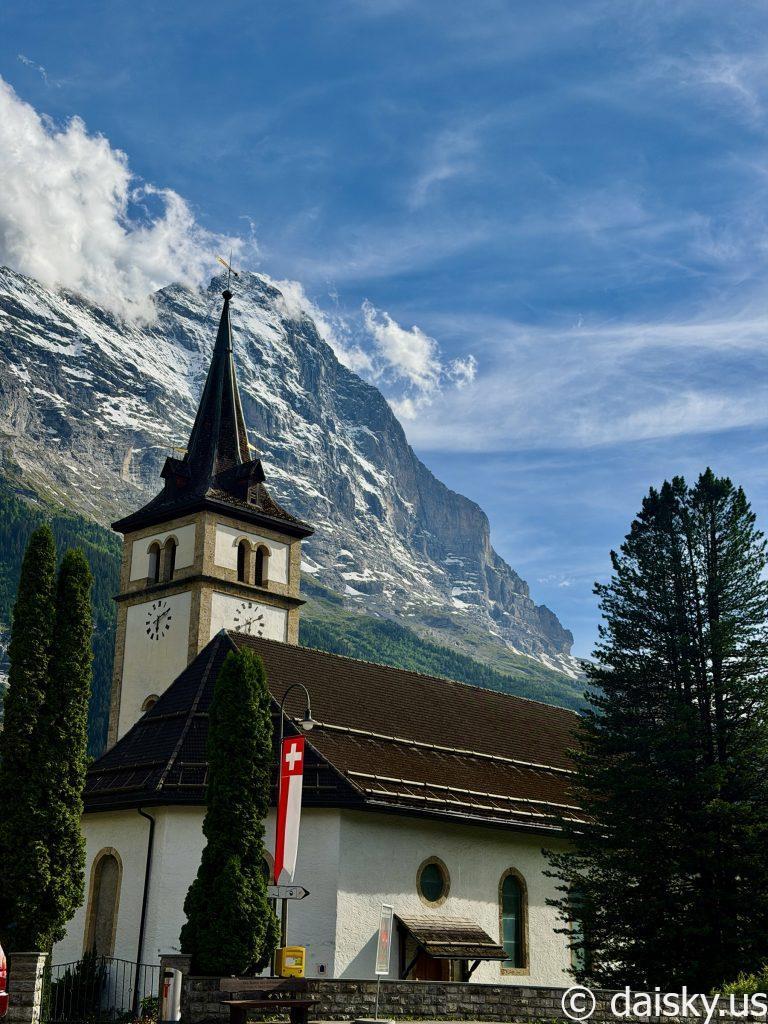
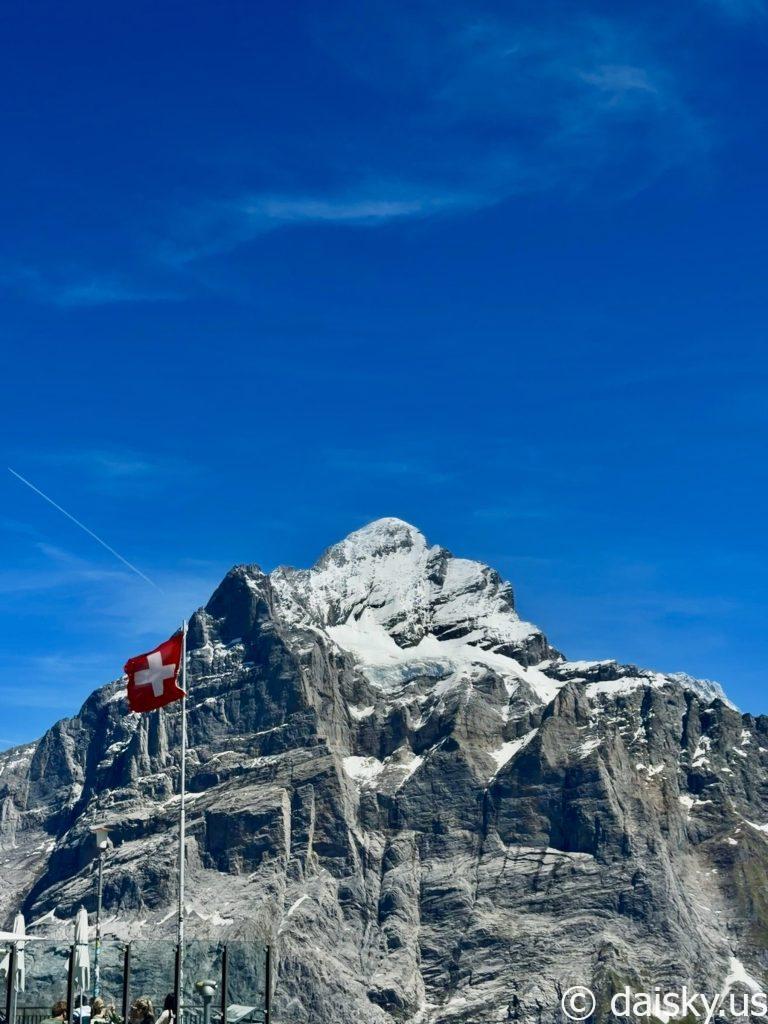
瑞士最容易让人产生尺度错觉的地方,是前景总显得太童话:牧场、奶牛、木屋、教堂、瑞士国旗和高山花,单独看都像明信片里的安静小元素。但视线一抬,背后立刻是巨大的岩壁、雪线和深谷,刚刚还显得完整的小镇突然变成山脚下的一小层生活。这里的漂亮不只是“好看”,而是小尺度的人类日常和大尺度的地质背景叠在一起:越精致、越可爱,越显出后面那片山有多宏大。
Switzerland is especially good at creating a scale illusion because the foreground can look almost too storybook: meadows, cows, chalets, a church, a Swiss flag, and alpine flowers, each small and tidy enough to feel like a postcard detail. Then the eye lifts, and behind them are enormous rock walls, snowlines, and deep valleys; the village that seemed complete a moment ago becomes just a thin layer of life at the foot of the mountains. The beauty here is not only prettiness. It is the contrast between small human routines and vast geology: the more delicate and charming the foreground feels, the larger the mountains behind it become.
Bachalpsee:湖把山倒过来 / Bachalpsee: the lake turns the mountains over
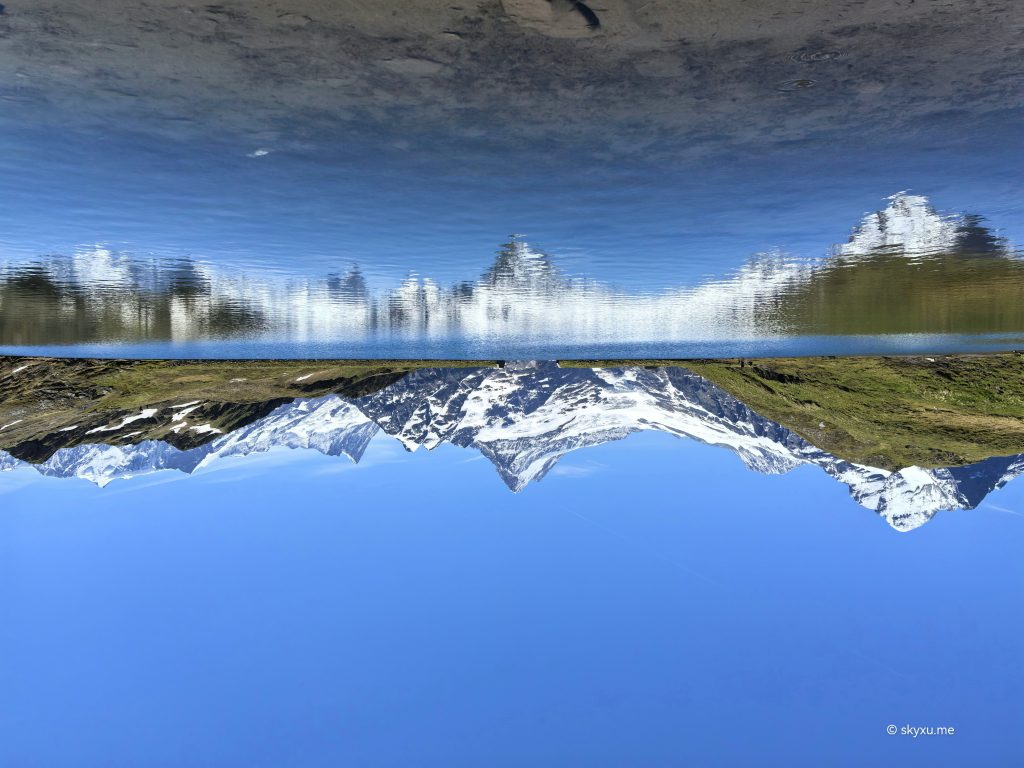
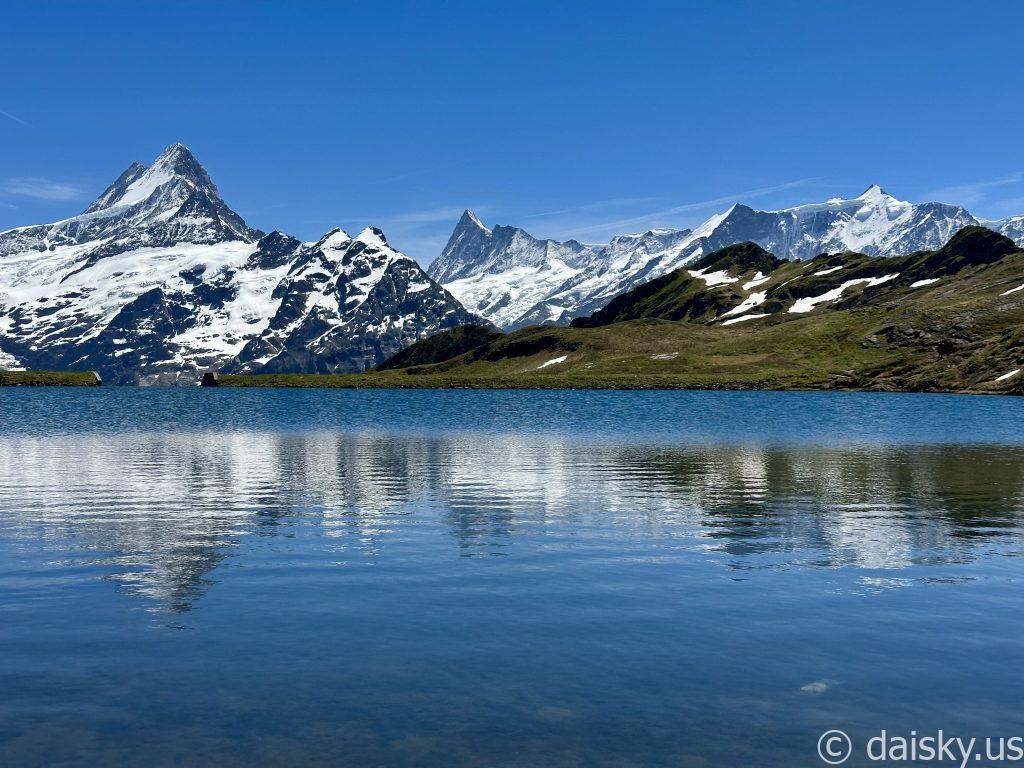
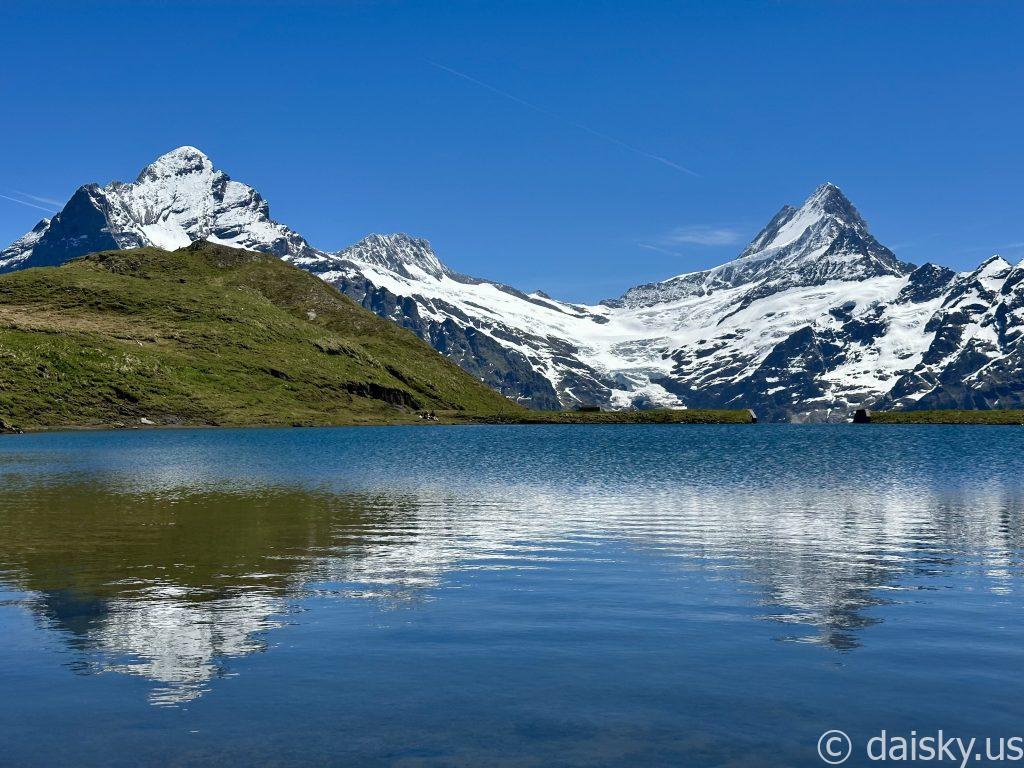
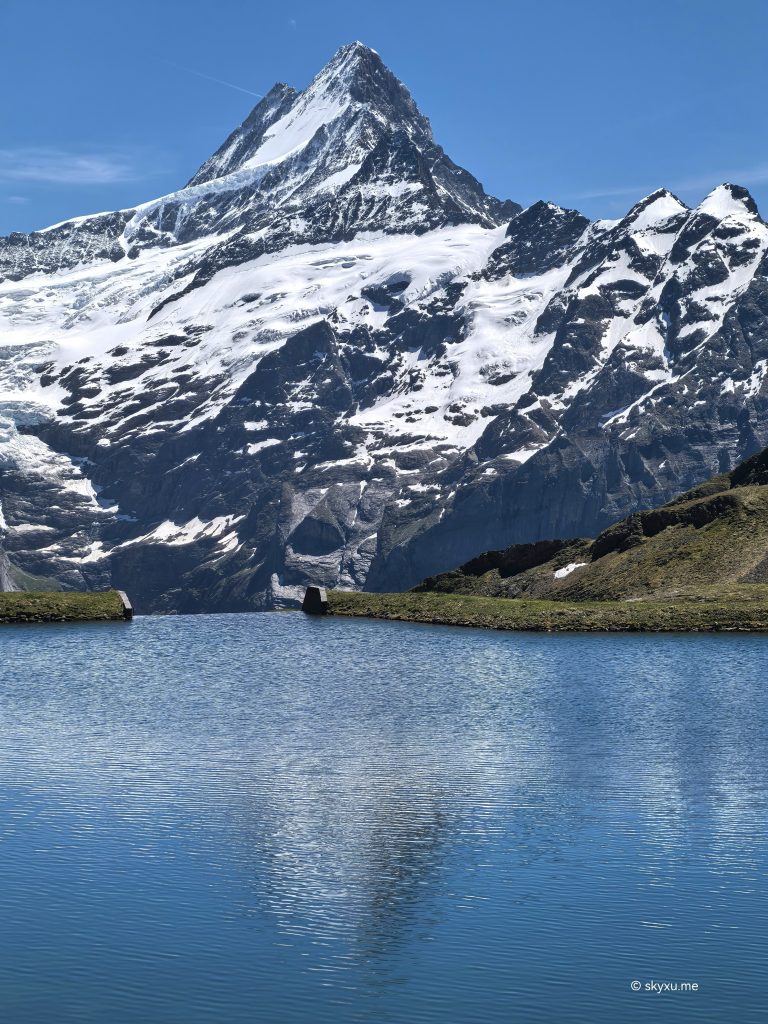
Bachalpsee 是这天真正的高潮。走到湖边的时候,前面那一路的缆车、栈道、草坡和小溪,像是慢慢收拢到了同一个地方。湖面静下来以后,山被完整地倒进水里,雪线、岩壁和天空一起翻转,像阿尔卑斯给自己留了一张反面的肖像。古诗里说“潭影空人心”,放在这里很贴切:倒影不只是把风景复制一遍,而是让一路的脚步声、日晒和疲惫都跟着安静下来。走了那么久,最后看到这样一面湖,会觉得前面的路没有白走。
Bachalpsee is the real high point of the day. By the time you reach the shore, the cable cars, cliff walk, grassy slopes, and streams from earlier all seem to gather into this one place. When the lake goes still, the mountains fall completely into the water: snowlines, rock walls, and sky turn upside down, as if the Alps have kept a reverse portrait of themselves. An old Chinese poem says, “pond reflections empty the human heart,” and it fits here. The reflection does more than copy the scenery; it quiets the footsteps, sun, and fatigue of the whole walk. After coming all that way, seeing a lake like this makes the trail feel worth it.
徒步后的回血 / Food after the hike
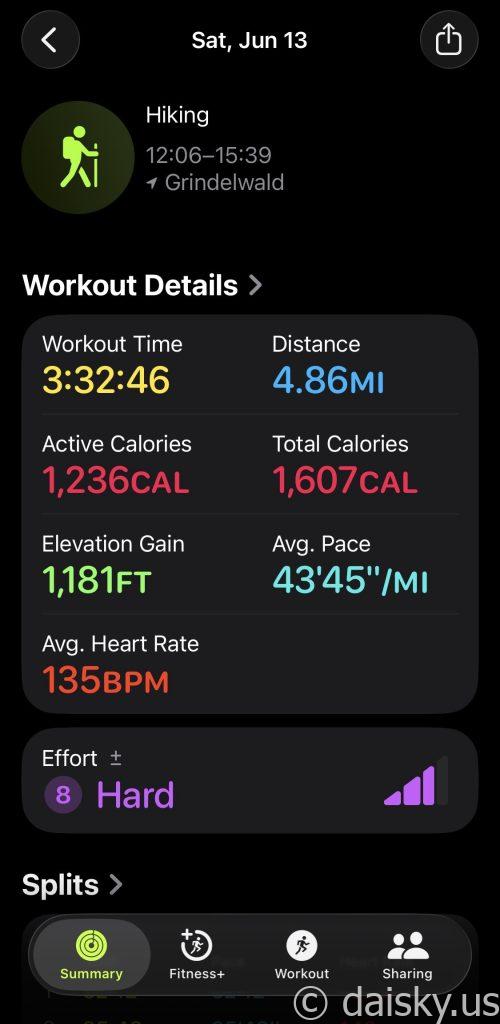
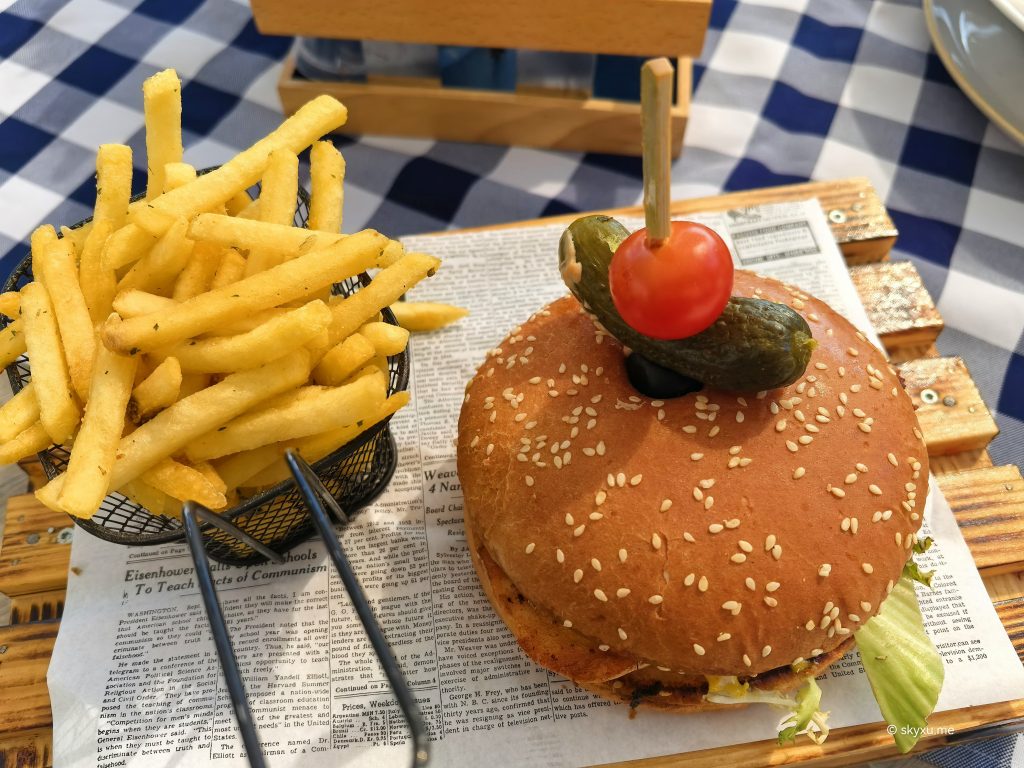
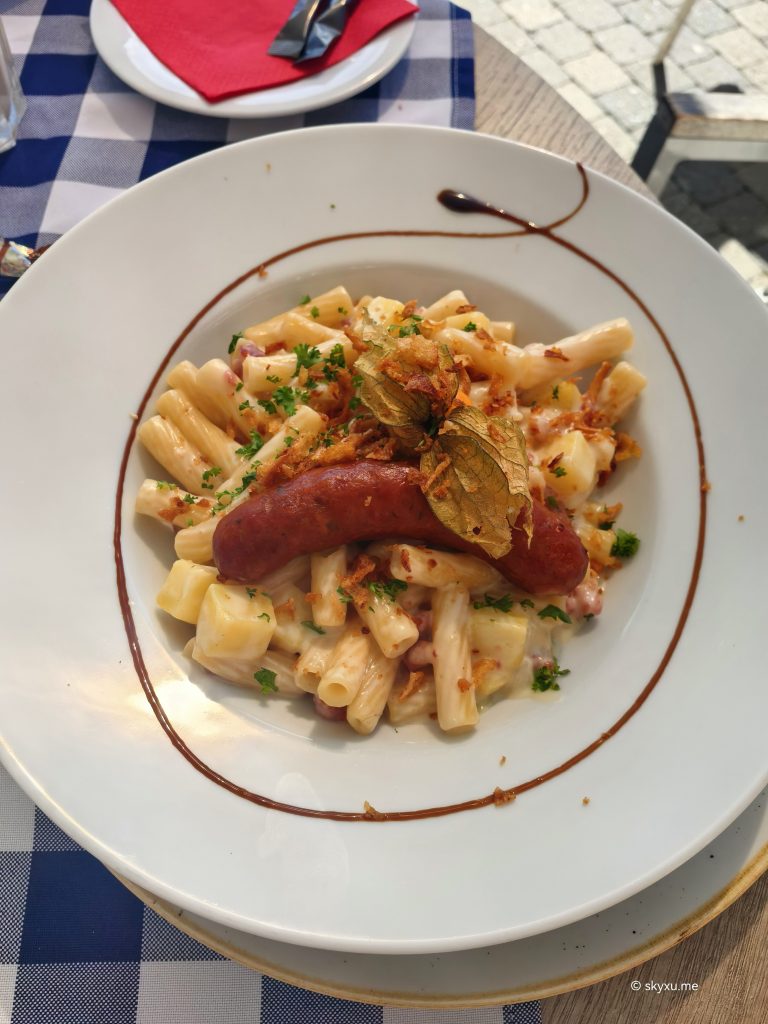
徒步后第一件事是回血。汉堡、薯条、Swiss alpine macaroni 和香肠,看起来比任何精致摆盘都合理。Apple Watch 则替腿作证:3 小时 32 分,4.86 英里,爬升 1181 英尺,难度 Hard。照片证明风景,手表证明这不是轻松散步。
After the hike, food came first: burger, fries, Swiss alpine macaroni, and sausage looked more reasonable than any fine dining plate. The Apple Watch testified for the legs: 3h32m, 4.86 miles, 1,181 ft elevation gain, Hard effort. The photos prove the view; the watch proves it was not just an easy walk.
傍晚雪峰:山日的安静结尾 / Evening peak: a quiet ending
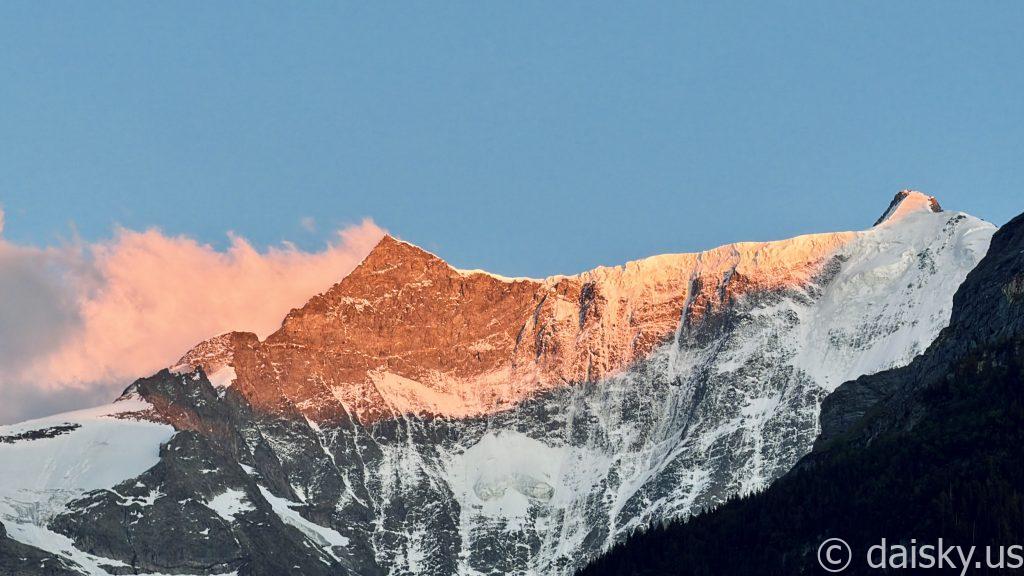
金色雪峰给漫长的这一天收尾。远处的雪线被夕光轻轻照亮一下,像山把这天最后一页合上。
The day ends with an evening snowy peak. The distant snowline catches the last light for a moment, as if the mountains are quietly closing the final page of the day.
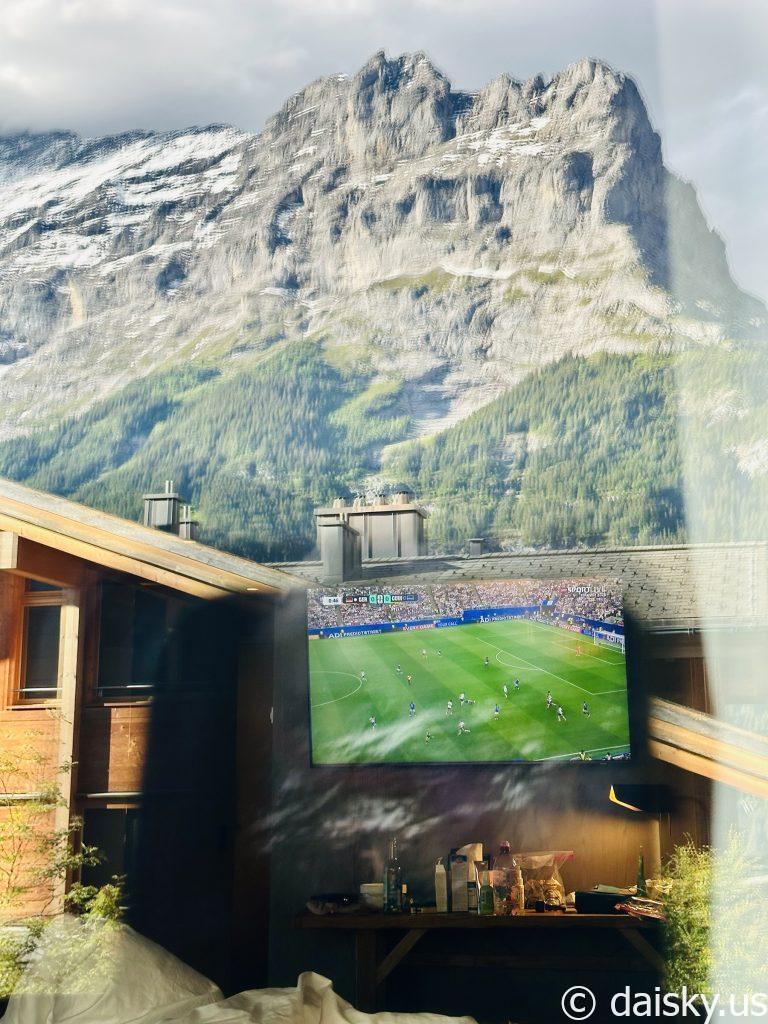
我在阳台吃着晚餐看球,
山也在看着格林德瓦的人。
球场上有人激烈地争夺胜负,
窗外只有阿尔卑斯安静的黄昏。
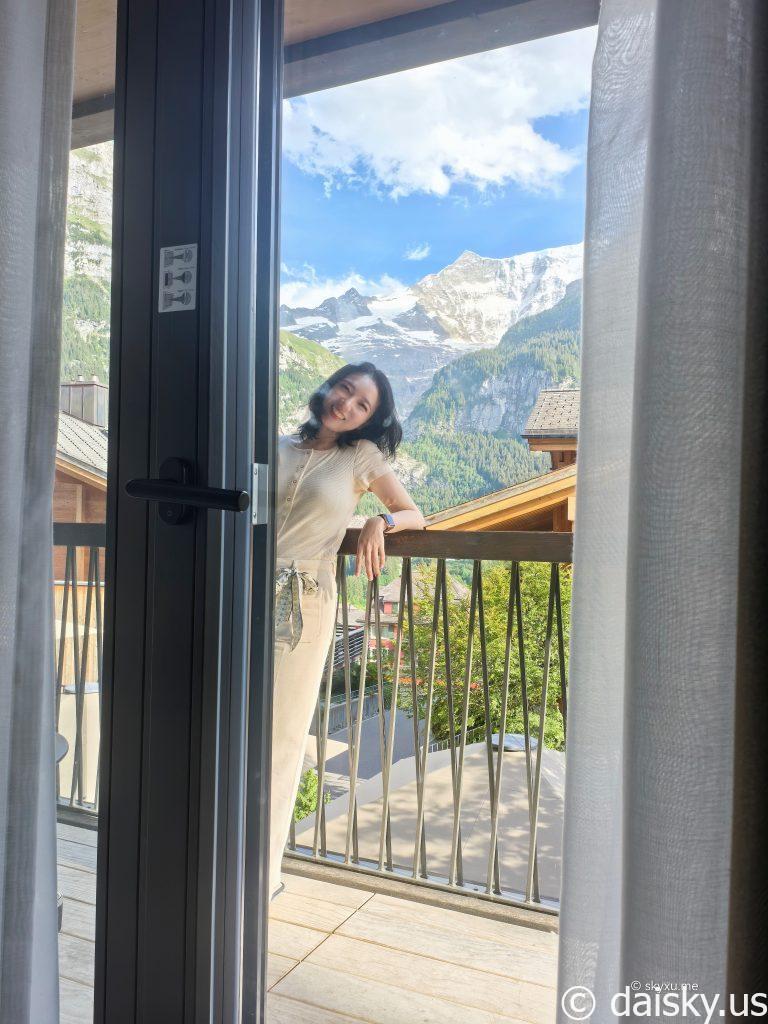
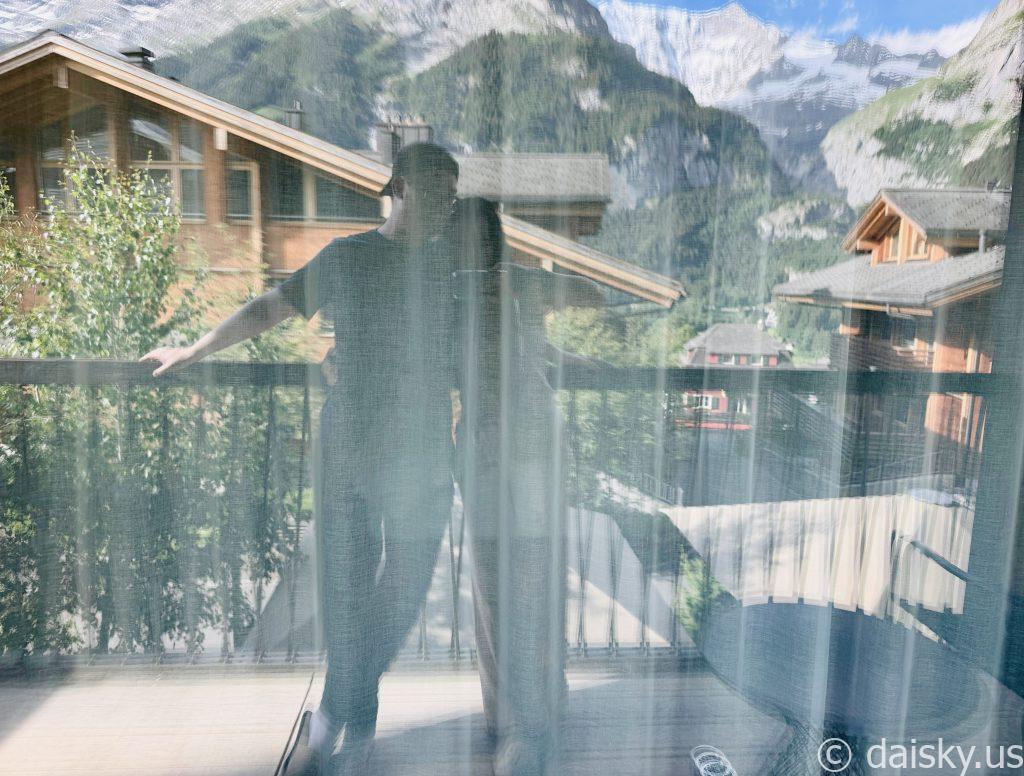
休息日的分屏 / Rest day split screen
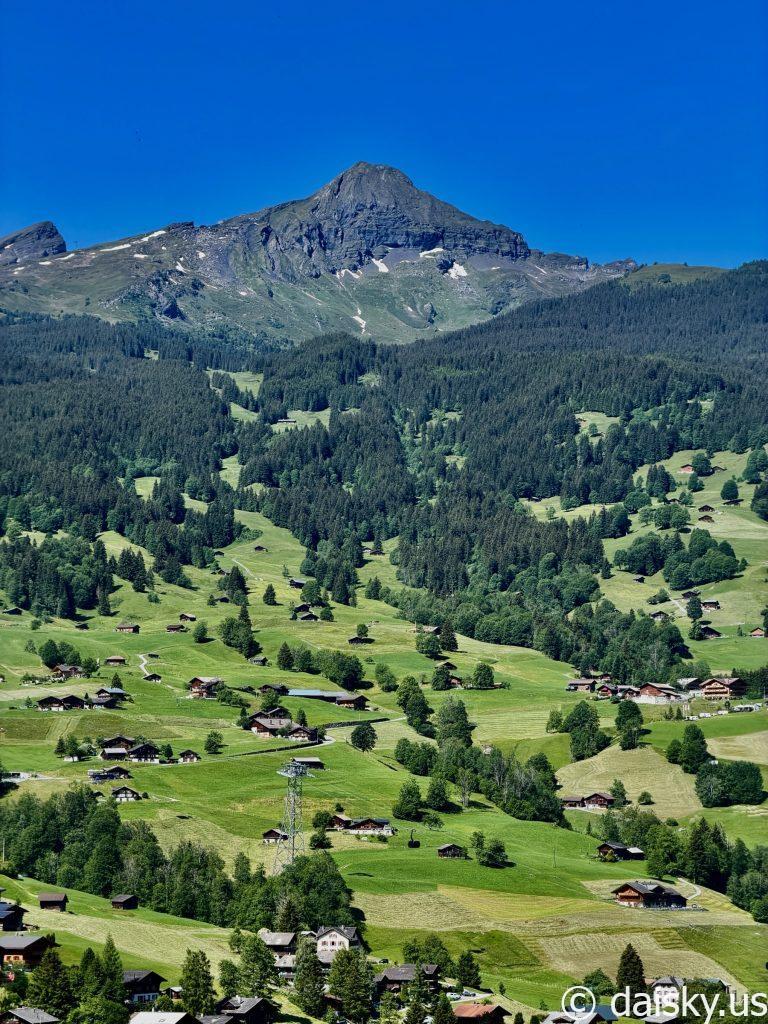
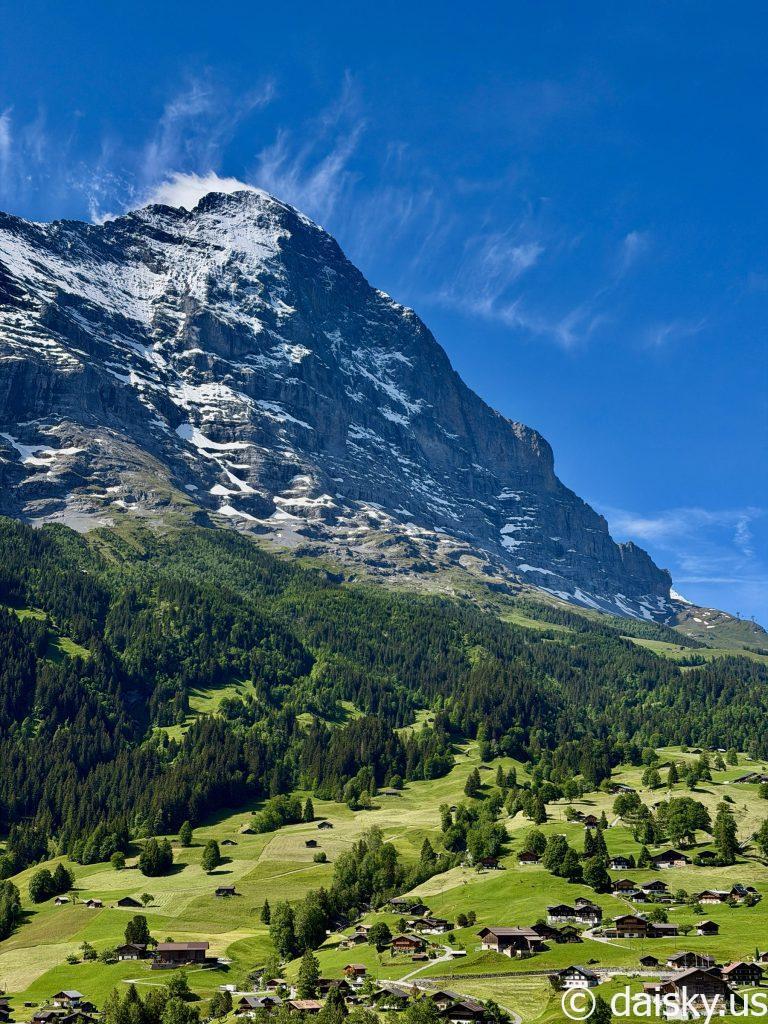
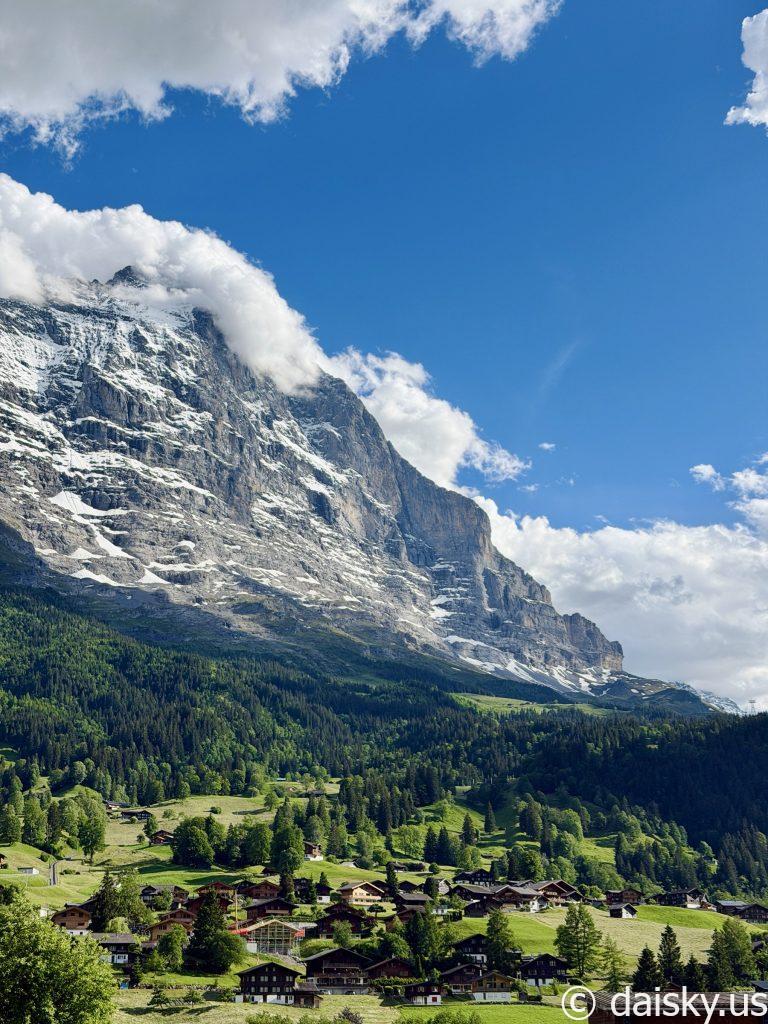
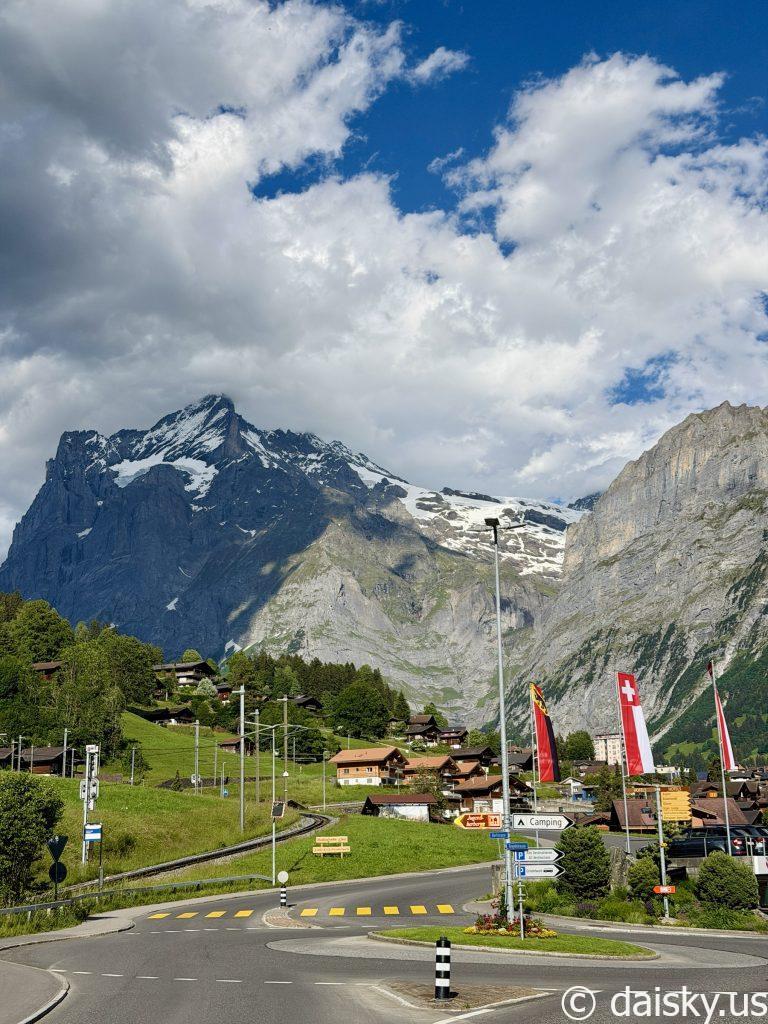
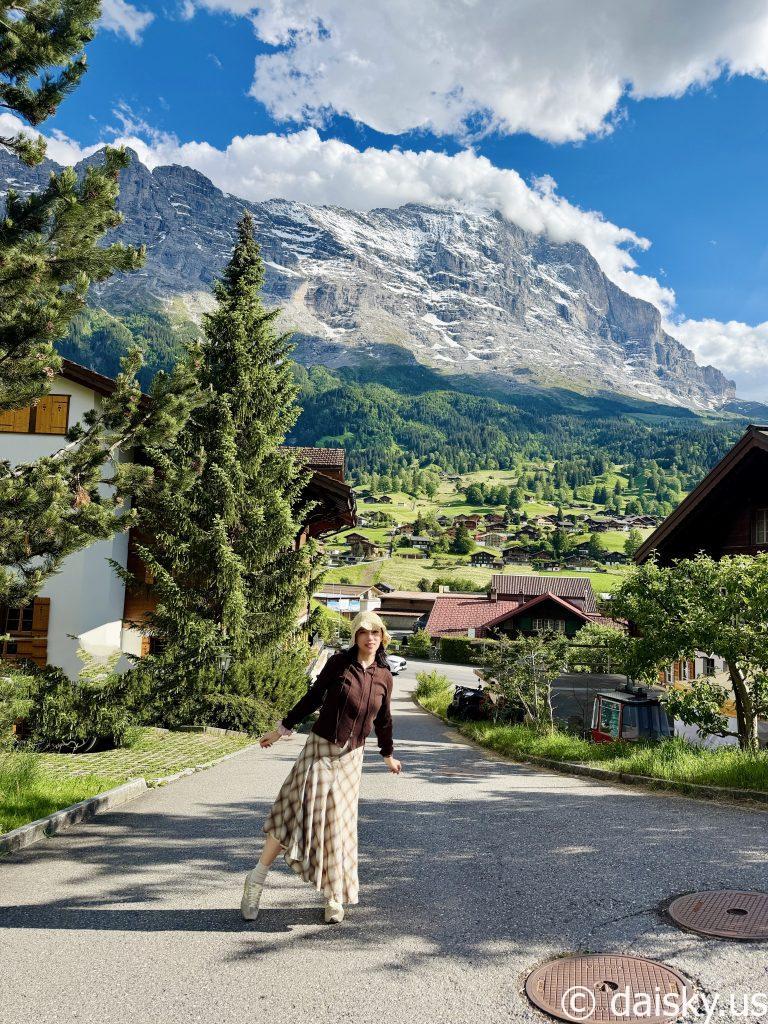
前一天 First 和 Bachalpsee 的徒步消耗太大,Sky 被困在酒店回血,Daisy 则接过这一天的单线探索任务,继续往外走。Grindelwald 的梦幻山坡、Eiger 山墙和小镇路上的旗帜、木屋、绿坡,都从她的镜头里接着出现。旅行在同一天里分成了两条线:一条停下来恢复体力,另一条继续把伯尔尼高地往前翻。
After the heavy First and Bachalpsee hike the day before, Sky was effectively pinned to the hotel to recover, while Daisy took over the day’s solo exploration and kept moving. Grindelwald’s dreamy hillside, the Eiger wall, and the flags, chalets, and green slopes along the village roads continued through her camera. It is a day when the trip separated into two tracks: one paused to recover, while the other kept turning the pages of the Bernese Oberland.
Interlaken 的水 / Interlaken water
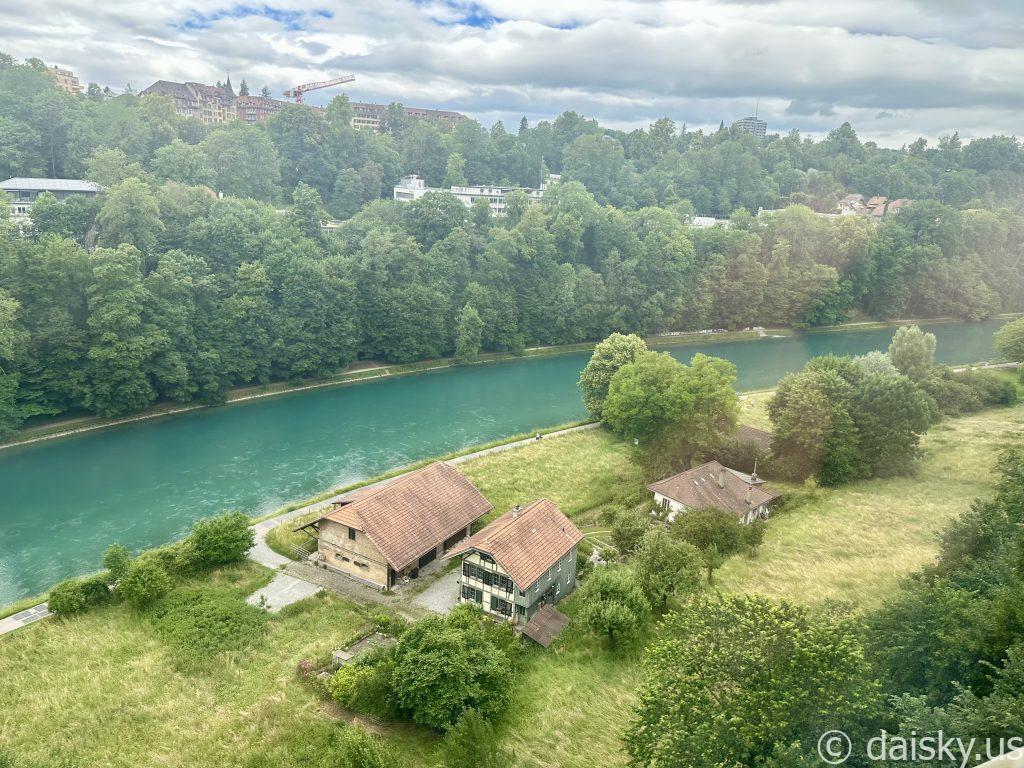
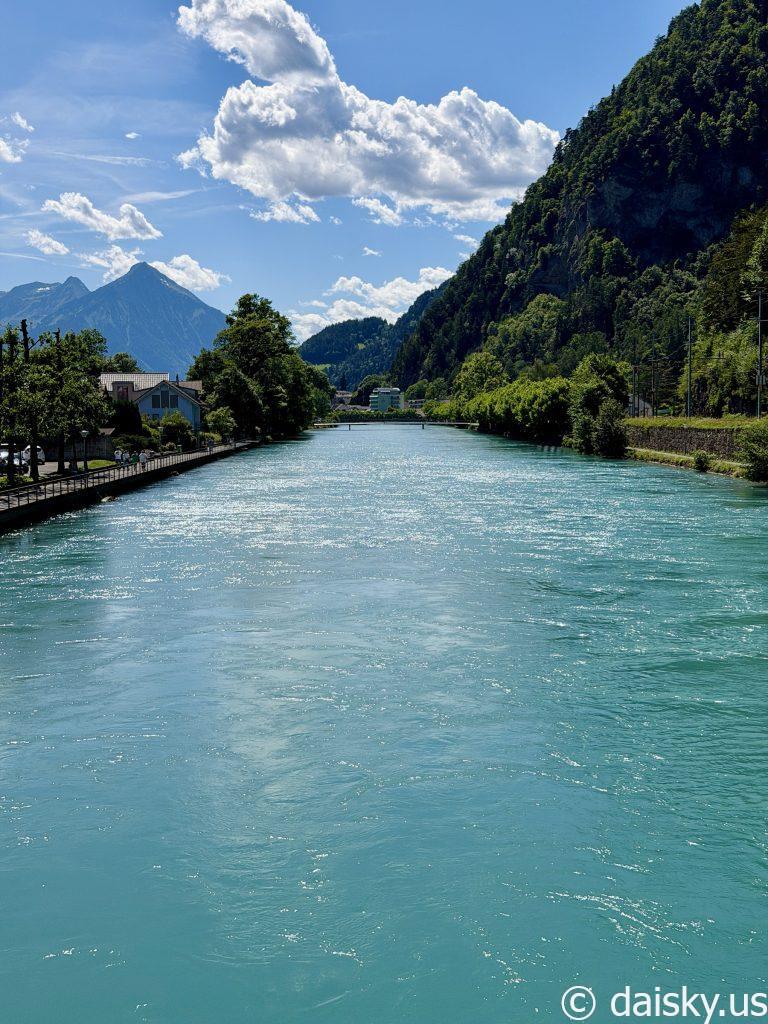
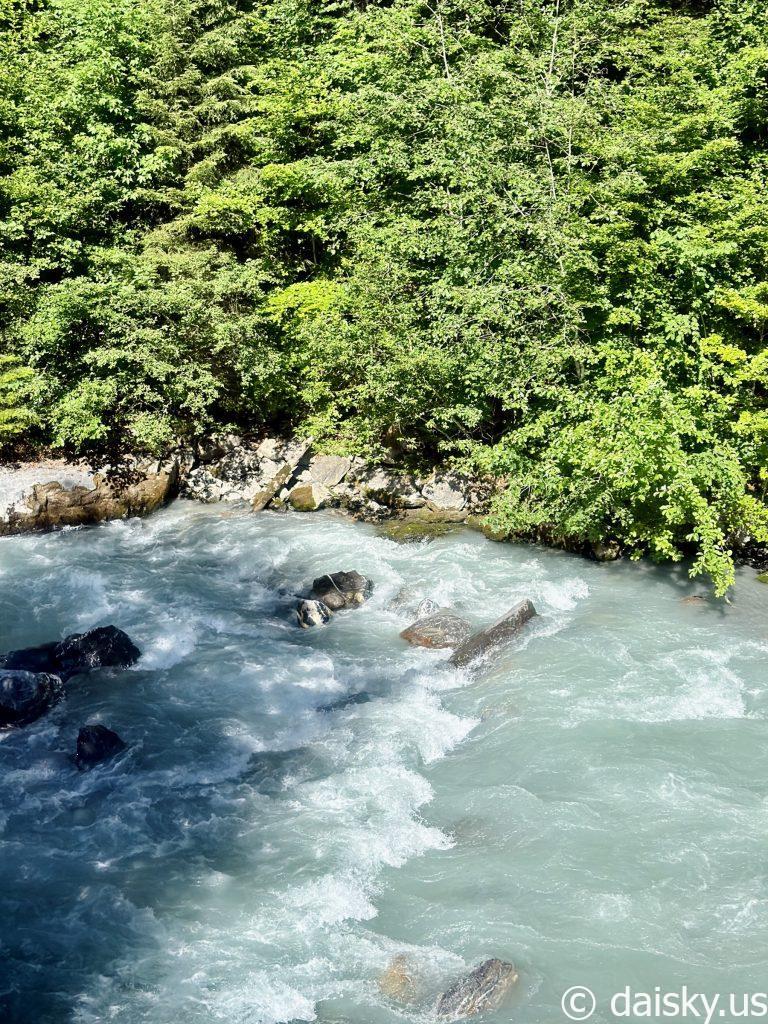
Interlaken 最先抓住人的,是 Aare 河/运河那种绿蓝色。到了这里,伯尔尼高地不再只是山:冰川、河流、湖和小镇其实是连在一起的一套景观。
The Interlaken photo is about the water color. The turquoise Aare brings the Bernese Oberland beyond mountains: glaciers, rivers, lakes, and towns belong to one landscape system.
劳特布龙嫩:瀑布和 U 型谷 / Lauterbrunnen: waterfalls and a glacial valley
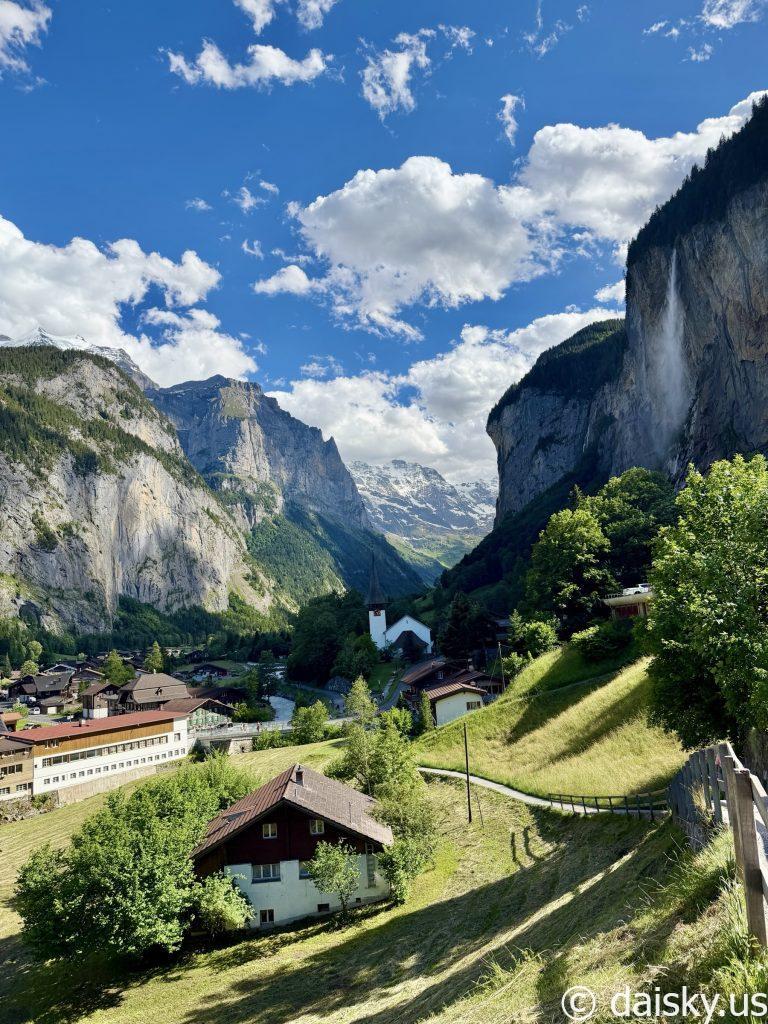
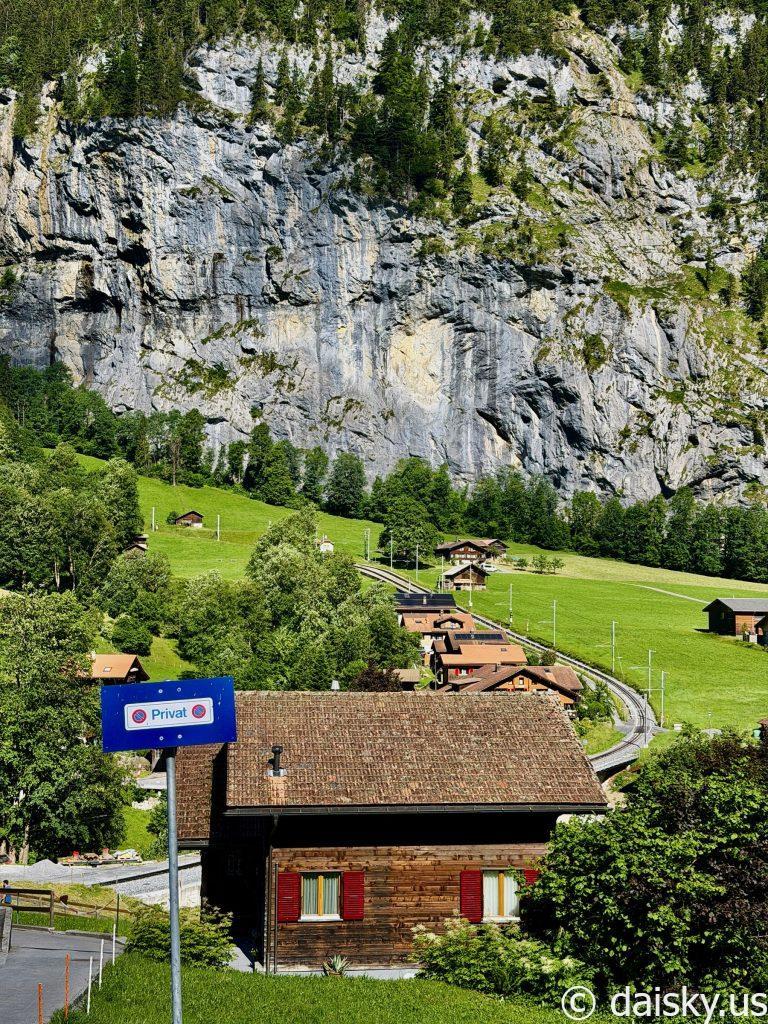
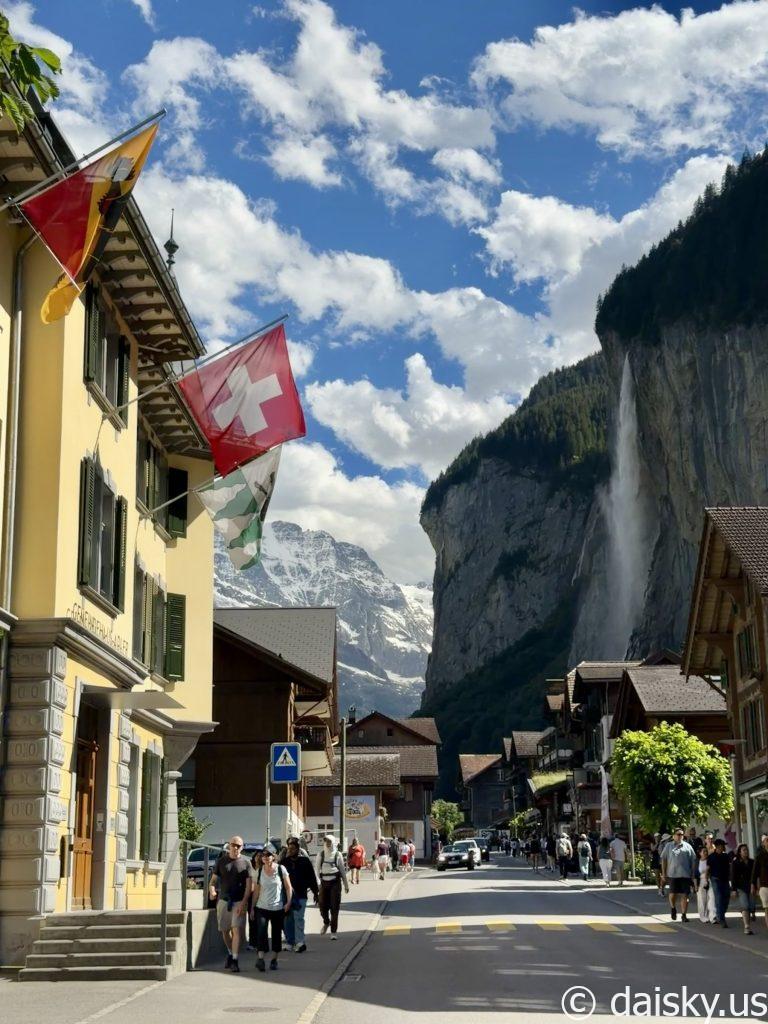
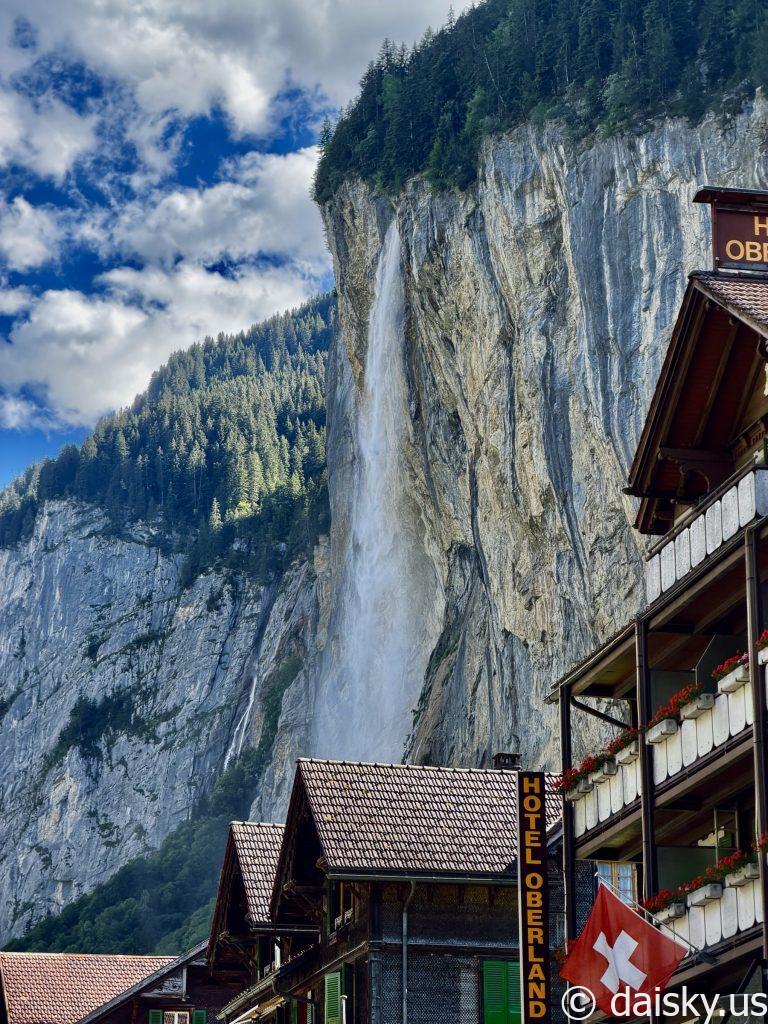
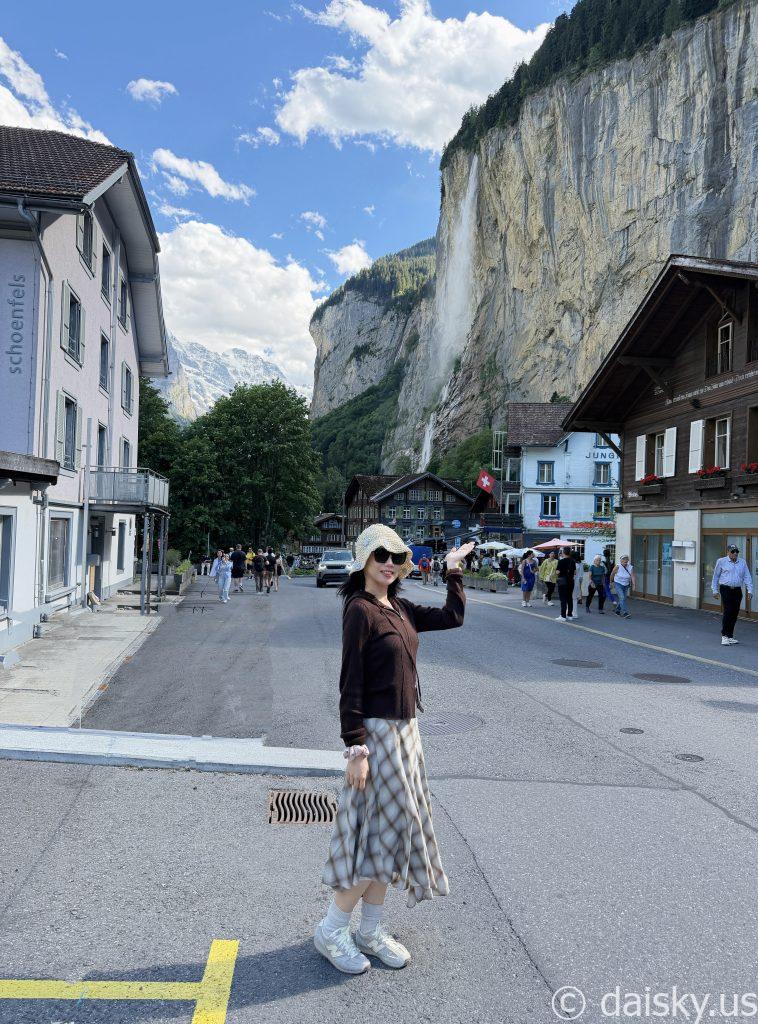
到了 Lauterbrunnen,视线又转向瀑布和峡谷。Staubbach 瀑布从高崖落下,小镇、酒店、教堂和铁路线都在谷底。这种宽阔谷地和高崖瀑布,与冰川长期侵蚀塑造出的 U 型谷有关。好看的不是巧合,是冰、水和时间一起施工。
The Lauterbrunnen photos move the second viewpoint into waterfall and valley. Staubbach falls from a high cliff while town, hotel, church, and railway sit below. A short geography note fits: this broad valley and its high waterfalls are tied to long glacial carving of a U-shaped valley. The beauty is built by ice, water, and time.
去采尔马特的路和第一印象 / To Zermatt and first look at town
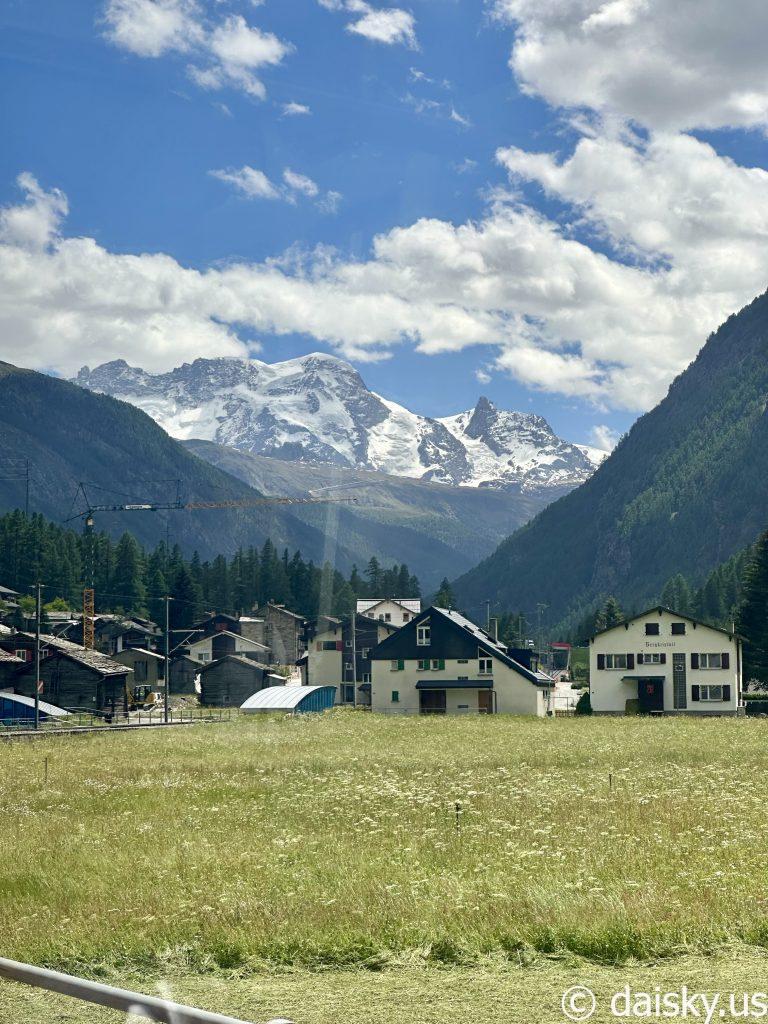
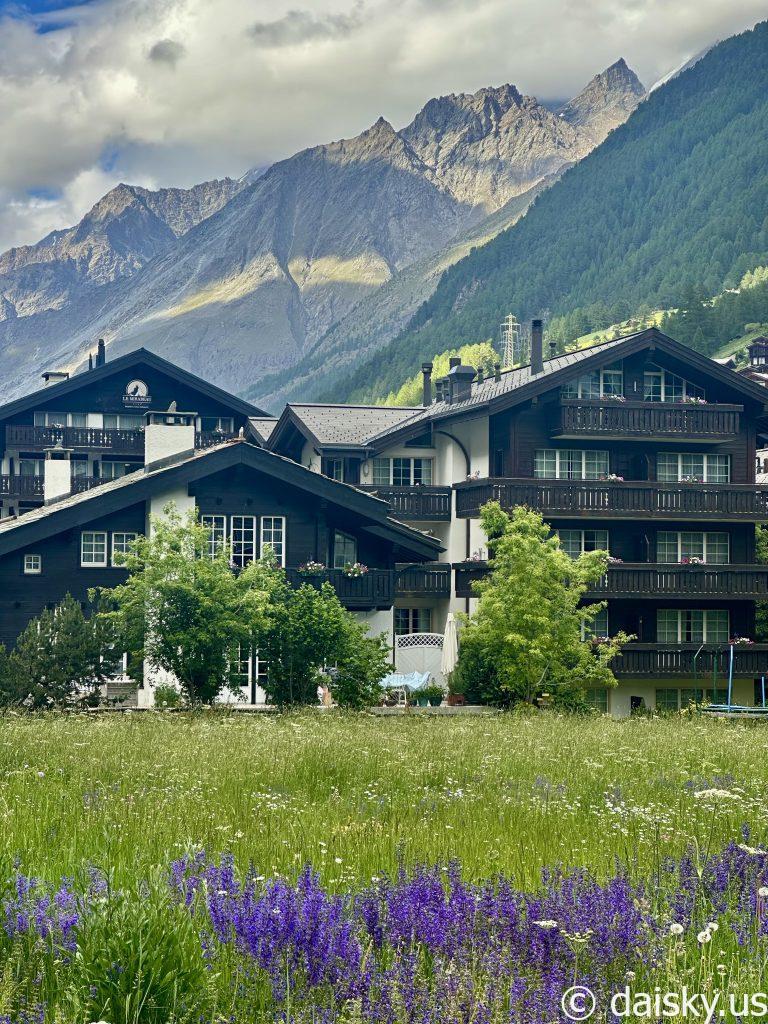
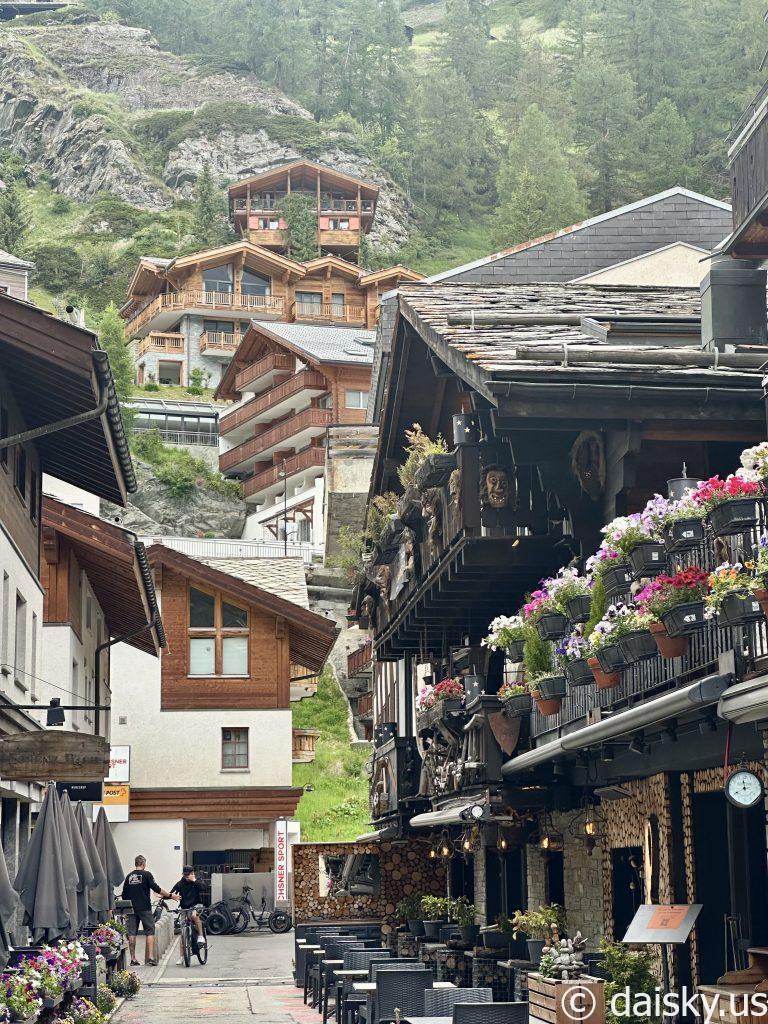
转场日,从 格林德瓦 到 采尔马特。先是火车窗外的山村和雪峰,然后是采尔马特的木屋窄街、阳台、鲜花和山坡。和 Grindelwald 相比,Zermatt更像一座围着马特洪峰慢慢转的小镇。
Transportation day from Grindelwald to Zermatt: alpine village and snow peaks through the train window, then Zermatt’s wooden streets, balconies, flowers, and slopes. Compared with Grindelwald, Zermatt feels like a town orbiting the Matterhorn.
亚洲味和气泡柠檬水实验 / Asian comfort food and sparkling lemonade experiment
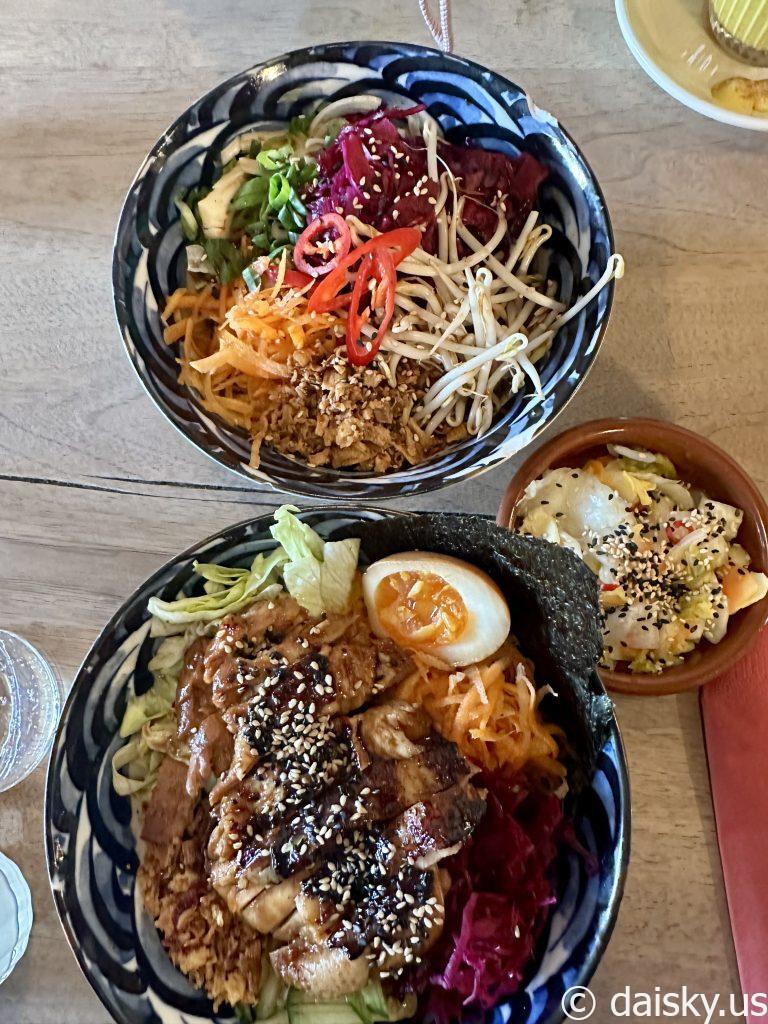
到 Zermatt 后终于找到一点接近亚洲味的东西(虽然是西化了的版本),胃先松了一口气。
In Zermatt, finding something closer to Asian flavors gave the stomach relief.
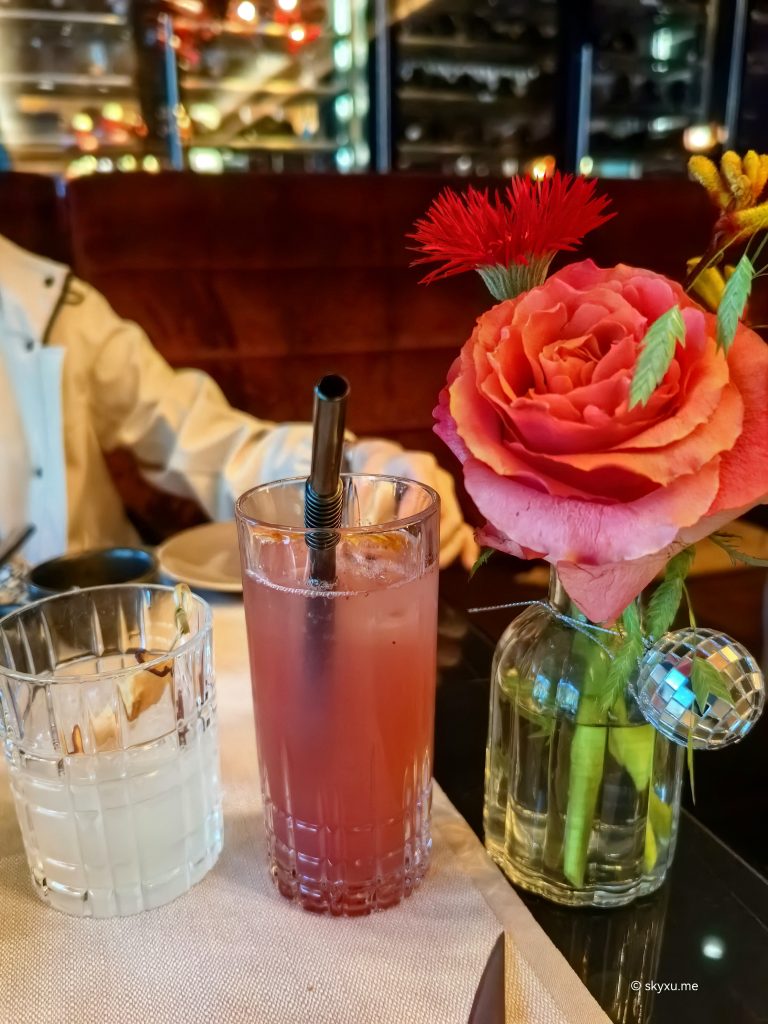
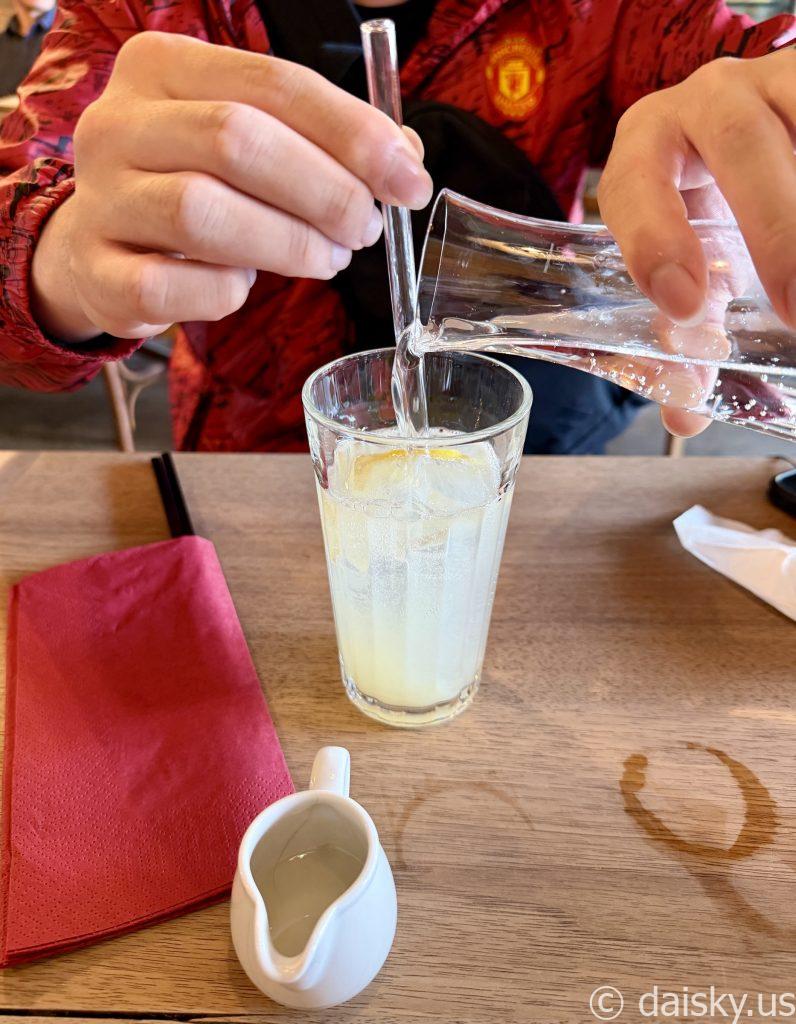
如图为某同学在餐厅进行 “气泡柠檬水的制备及性质探究” 的操作示意图。已知该实验在非标准实验室条件下进行,请问图中共有____处不规范操作。
Murini Viewpoint 蓝调和 Toblerone / Murini Viewpoint blue hour and Toblerone
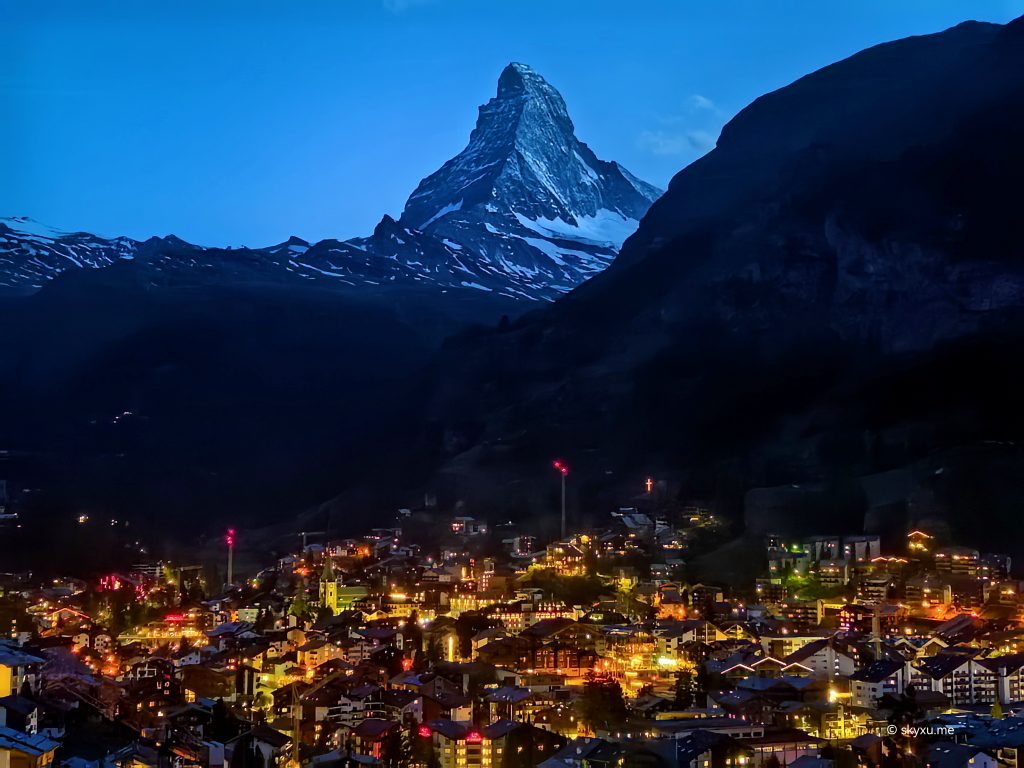
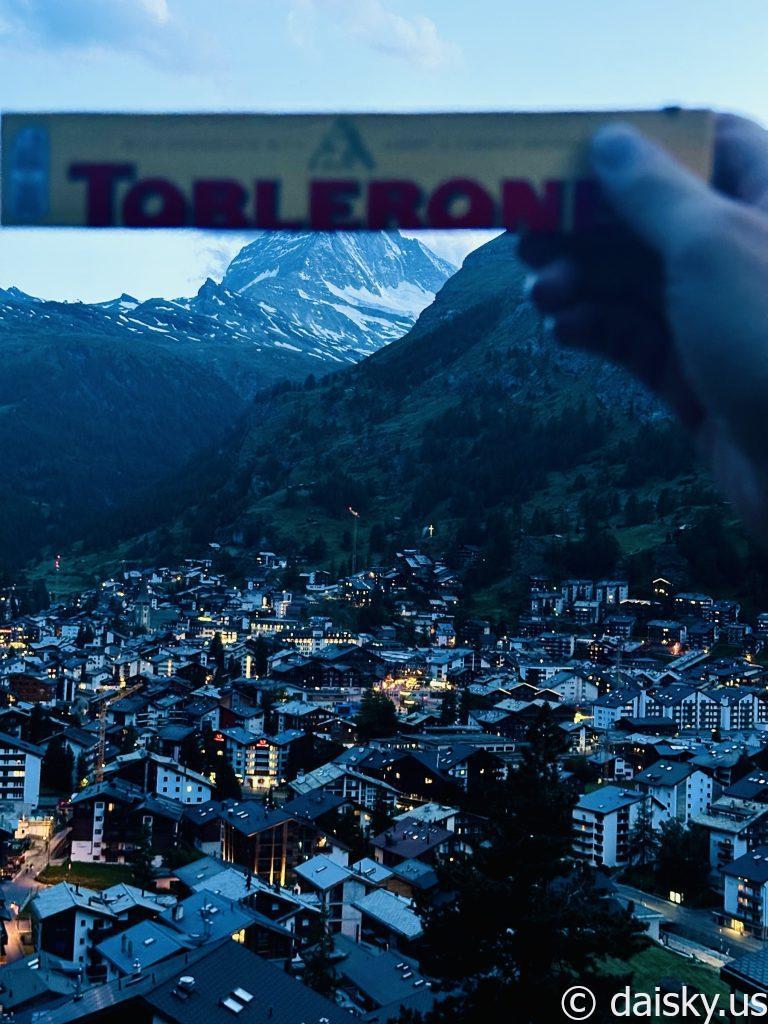
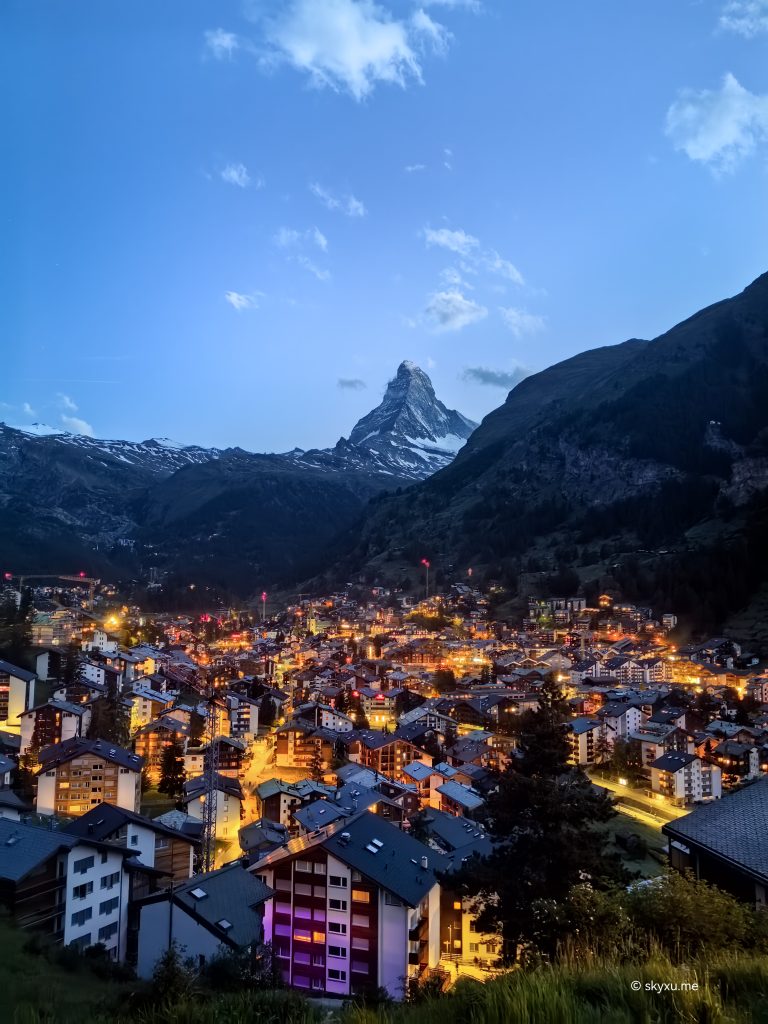
Murini Viewpoint 的蓝调时刻,才像是 Zermatt 真正把马特洪峰交到你面前。观景点已经站了不少人,大家安静地等同一个画面:天色一点点暗下去,山还在,但从白天的实体变成冷蓝色的剪影;山脚下的小镇灯光则一盏一盏亮起来。最后把 Toblerone 对准山尖,当然是必要的游客仪式。认真一点说,这是 Zermatt 最经典的两种符号同框;不认真地说,就是地理和糖分终于完成会师。
Blue hour at Murini Viewpoint is when Zermatt really hands you the Matterhorn. The viewpoint was already busy, with everyone quietly waiting for the same image: the sky dimming, the mountain still there but no longer a daytime object, turning instead into a cold-blue silhouette; below it, the town lights came on one by one. Aligning Toblerone with the peak is, of course, a required tourist ritual. More seriously, it puts two of Zermatt’s most familiar symbols into the same frame. Less seriously: geography and sugar finally meeting.
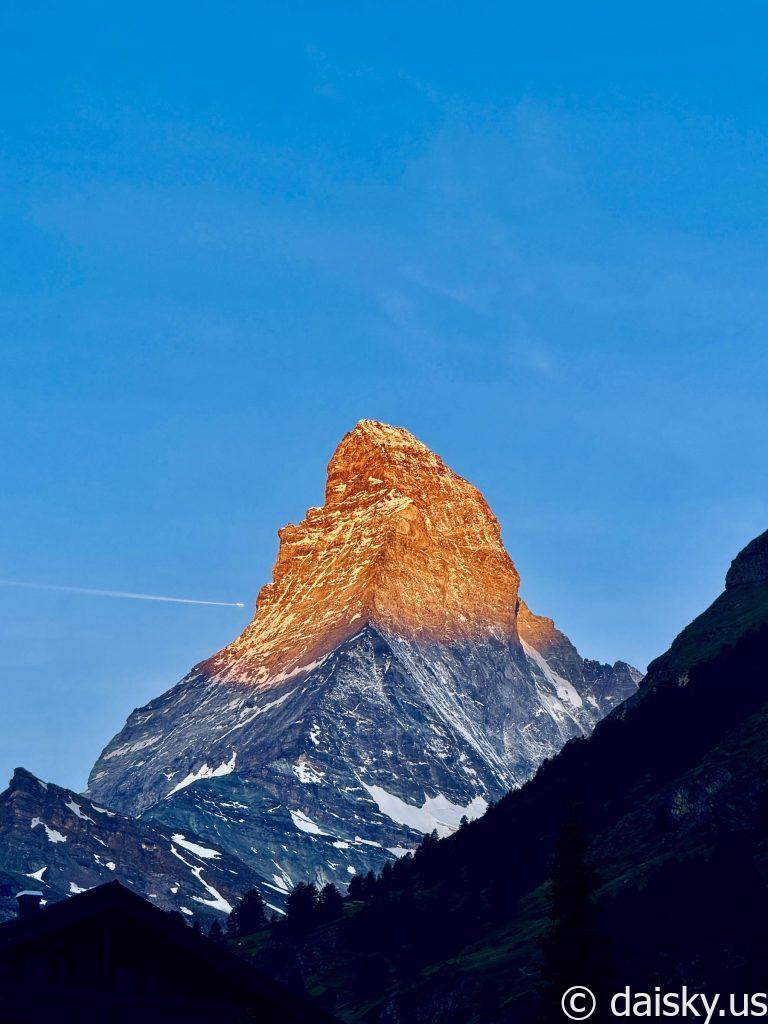
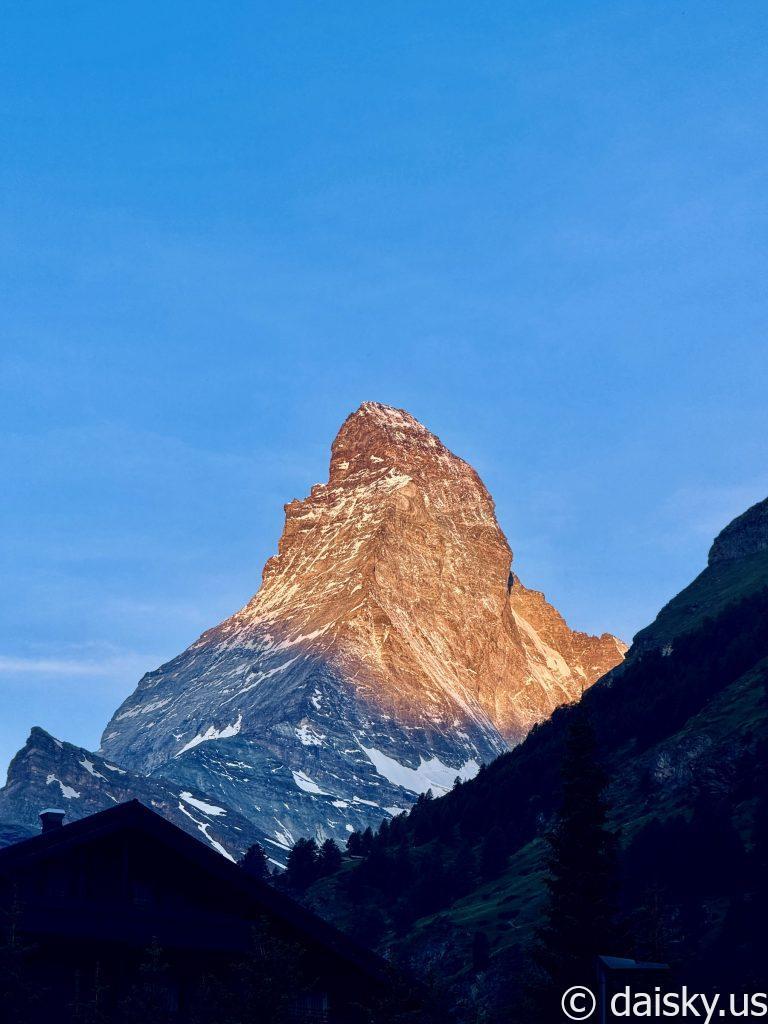
马特洪峰日照金山 / Matterhorn alpenglow
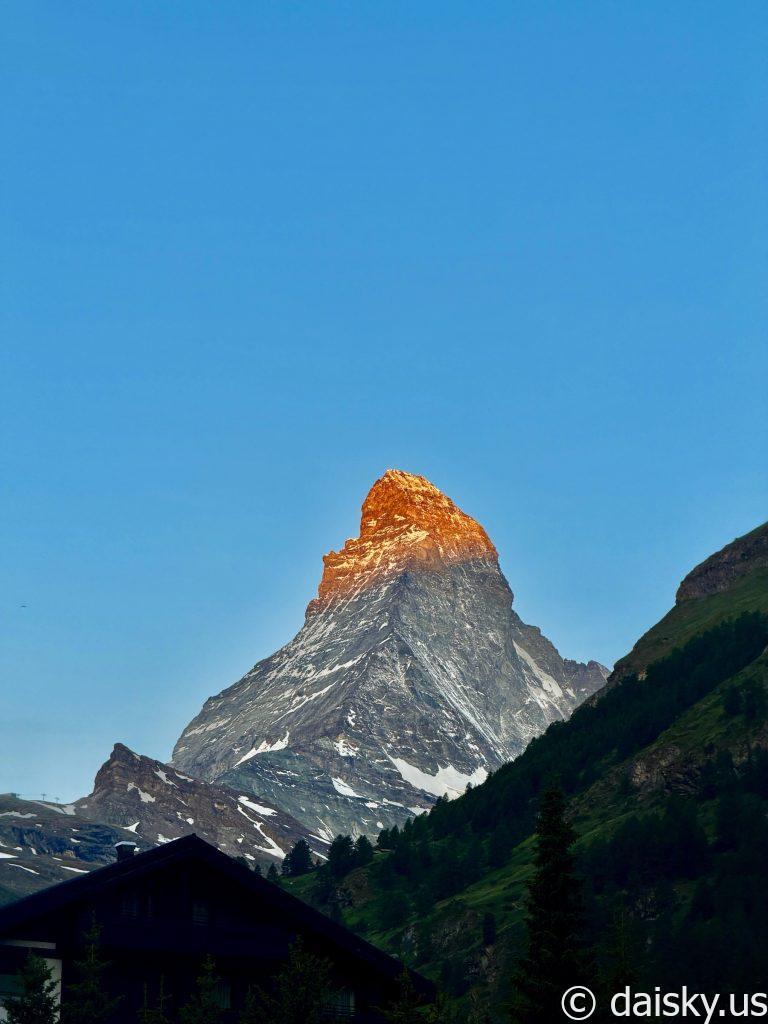
昨晚在蓝调里看马特洪峰一点点沉进夜色,第二天早上,它又是最先被光叫醒的那一个。太阳还没有照到山脚,金色已经先落在峰顶,下面的山体仍然留在冷色阴影里,于是整座山像被分成了两个时间:上面已经开始新的一天,下面还停在清晨之前。日照金山这种画面不需要太多的解释解释,真正看到的时候,人会很自然地安静下来。
The previous evening, the Matterhorn had slowly sunk into blue; the next morning, it was the first thing the light woke up. The sun had not reached the foot of the mountain yet, but gold was already touching the summit, while the lower slopes remained in cool shadow. For a moment, the mountain seemed to hold two times at once: the top had entered a new day, and the bottom was still waiting in early morning. Alpenglow does not need much explanation. When you actually see it, you naturally go quiet for a while.
戈尔内格拉特:云雨里的山 / Gornergrat in cloud and rain
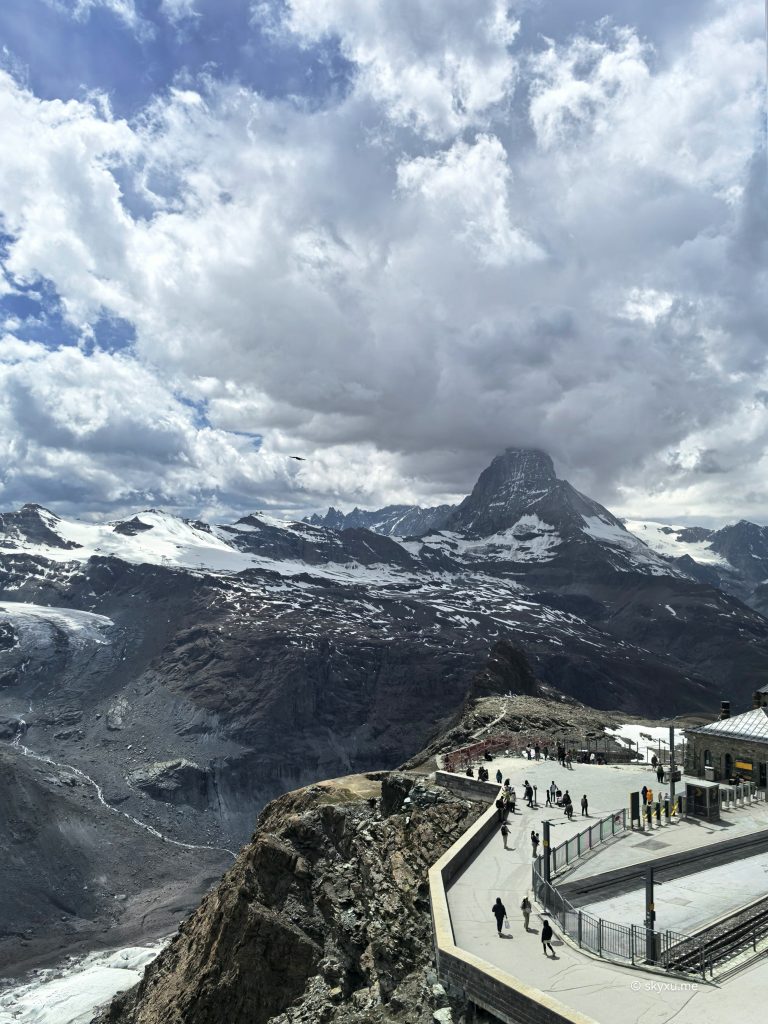
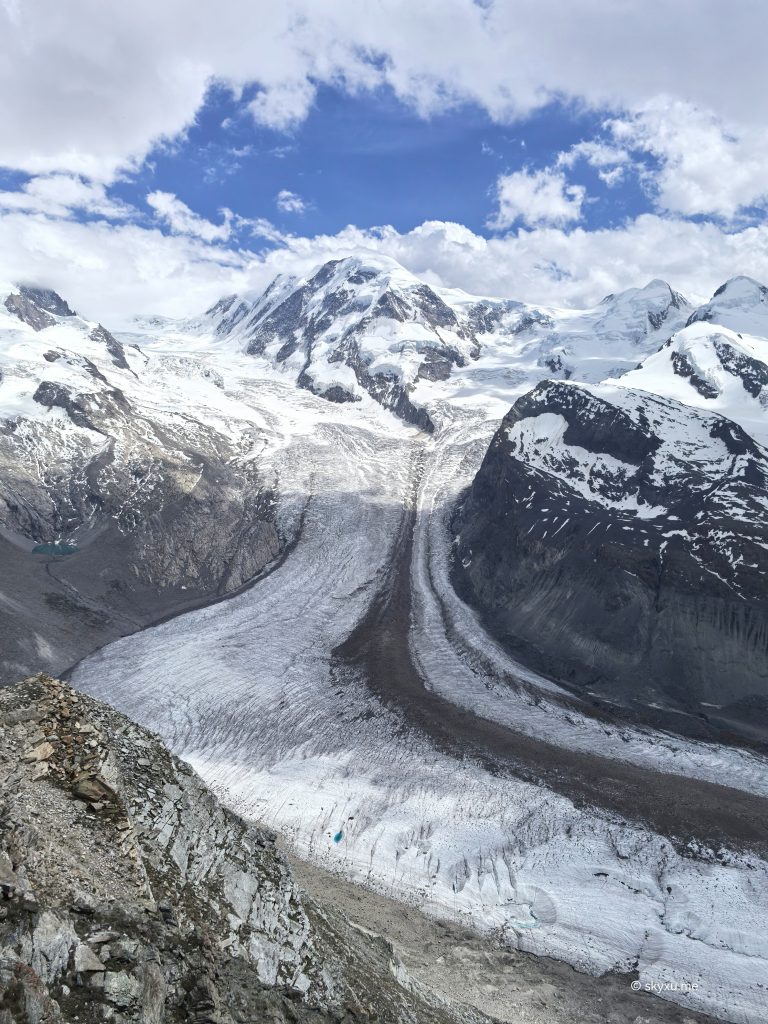
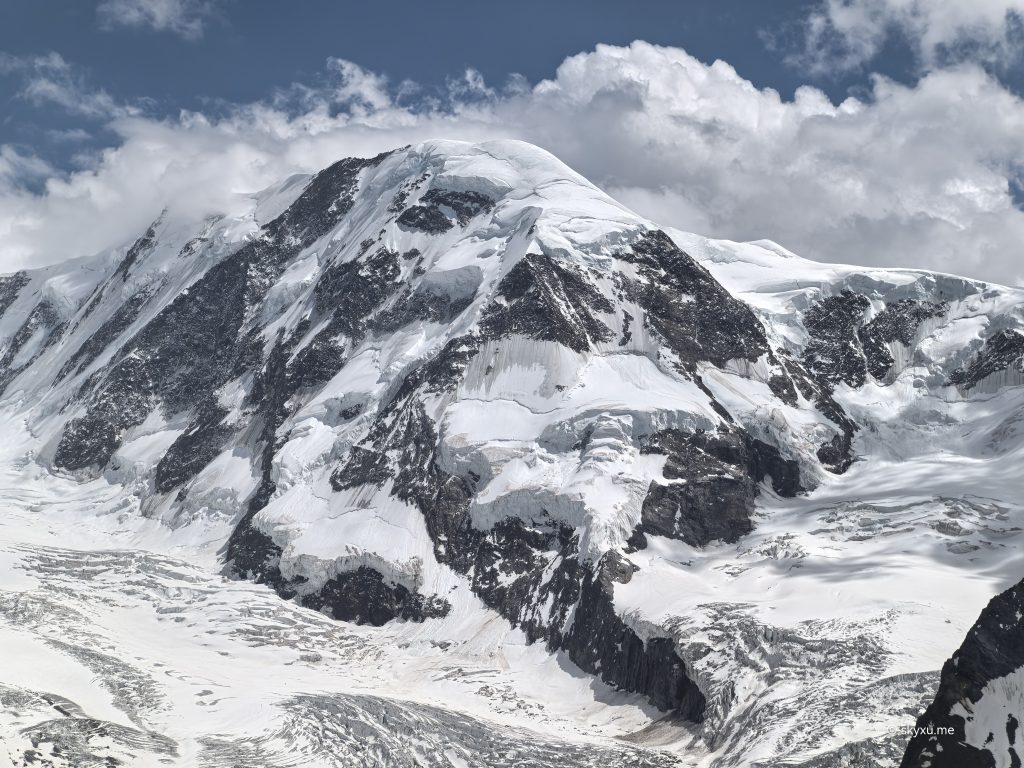
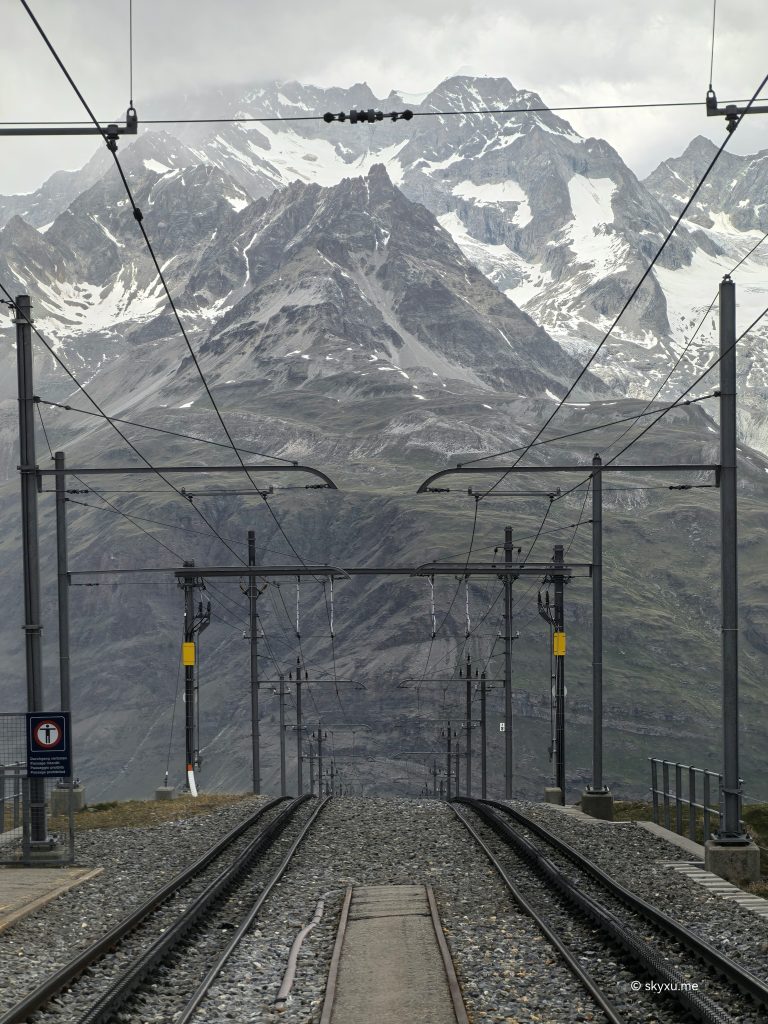
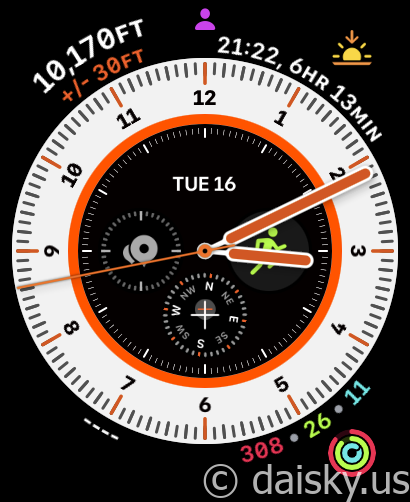
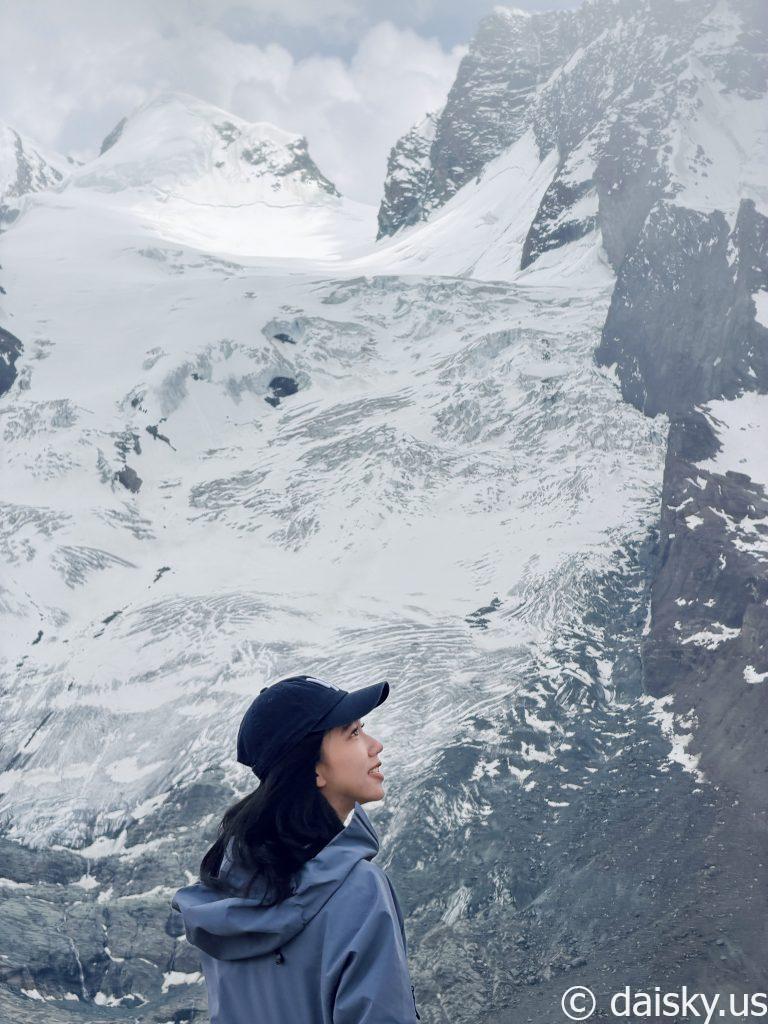
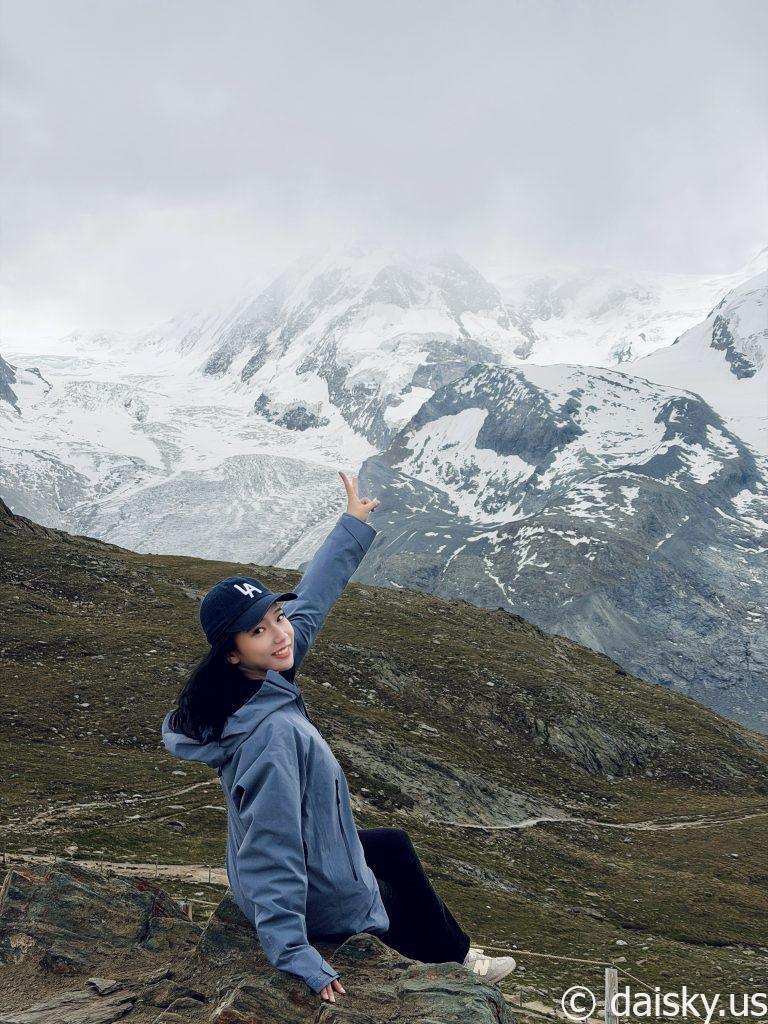
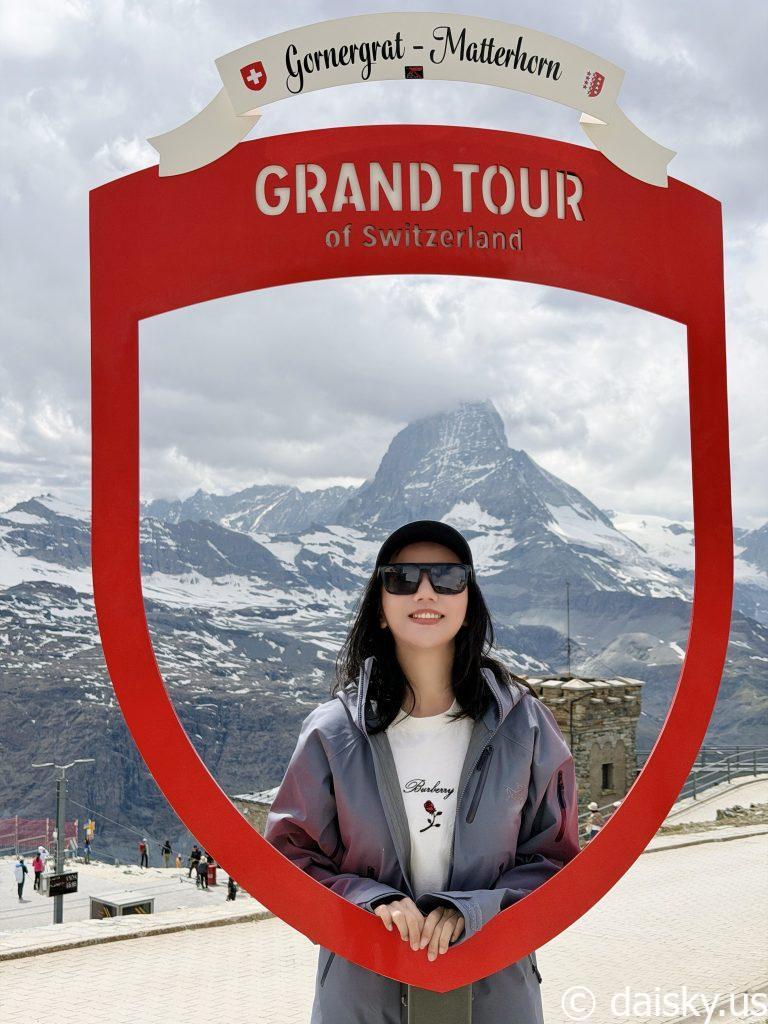
上 Gornergrat 这天,天气从多云慢慢转成雨。好在前一天已经看过蓝调和日照金山里的马特洪峰,所以这一天不需要再执着于“完整露出”。云把一部分山藏起来,反而让冰川、雪面和海拔感更明显:远处不是清清楚楚的明信片,而是一层一层被云雾切开的高山现场。Apple Watch 显示 10,170 ft,约 3100 米,也算是给身体一个很直观的高度提醒。最后看到 Gornergrat Bahn 的齿轨铁路线,又一次感到瑞士的工程感:轨道、架空线和雪山挤在同一处——瑞士不绕开高山,而是把交通一路修进高山里。
The day at Gornergrat slowly shifted from cloudy to rainy. Fortunately, the Matterhorn had already appeared in blue hour and alpenglow the day before, so this was not a day that needed a perfect, fully revealed peak. The clouds hid parts of the mountains, but they also made the glaciers, snowfields, and altitude feel more present. This was not a clean postcard view; it was a high-mountain scene cut into layers by cloud and mist. The Apple Watch showed 10,170 ft, about 3,100 m — a very direct reminder for the body. The final track photo is the Gornergrat Bahn, a cog railway. Switzerland does not go around the mountains; it builds transport directly into them.
跟半个马特洪峰告别 / Farewell to half a Matterhorn
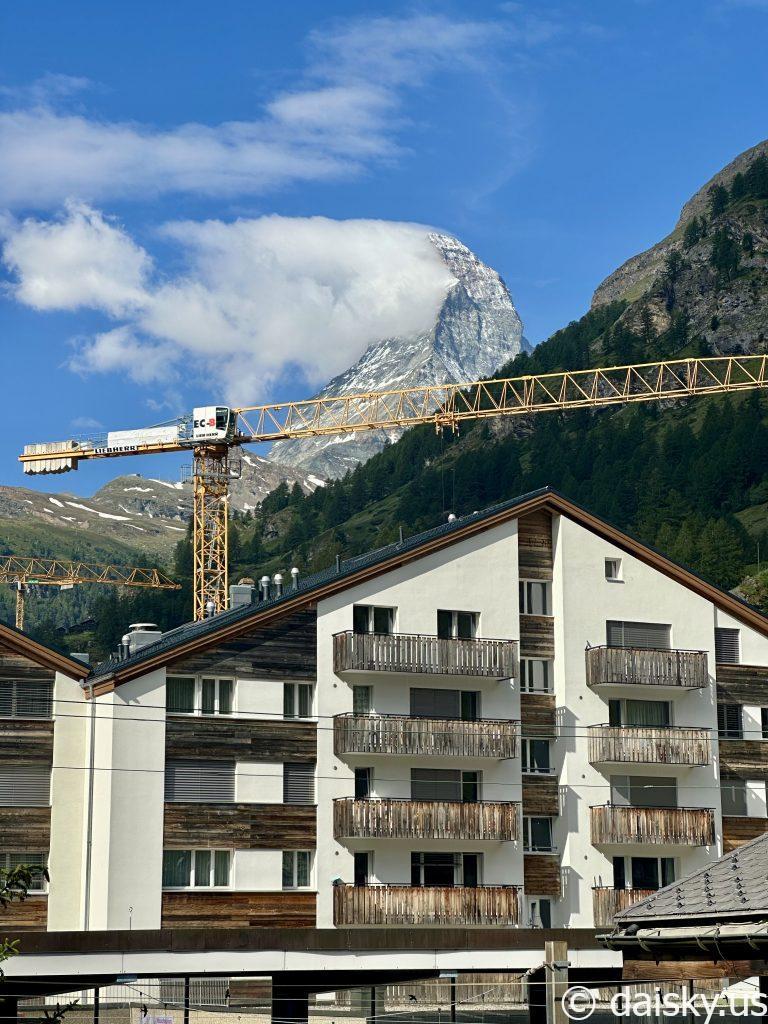
离开 Zermatt 前,马特洪峰只露了一半。下面还有小镇建筑和施工吊臂,画面并不完美,但很真实。看过它蓝调、金色和完整的样子之后,最后一眼不必再追求满分。
Before leaving Zermatt, the Matterhorn showed only half of itself. Buildings and construction cranes sat below. It was not a perfect image, but it felt real. After seeing the mountain blue, gold, and whole, the final glance did not need to be flawless.
瑞士的火车也会晚点 / Panoramic carriage, delayed anyway
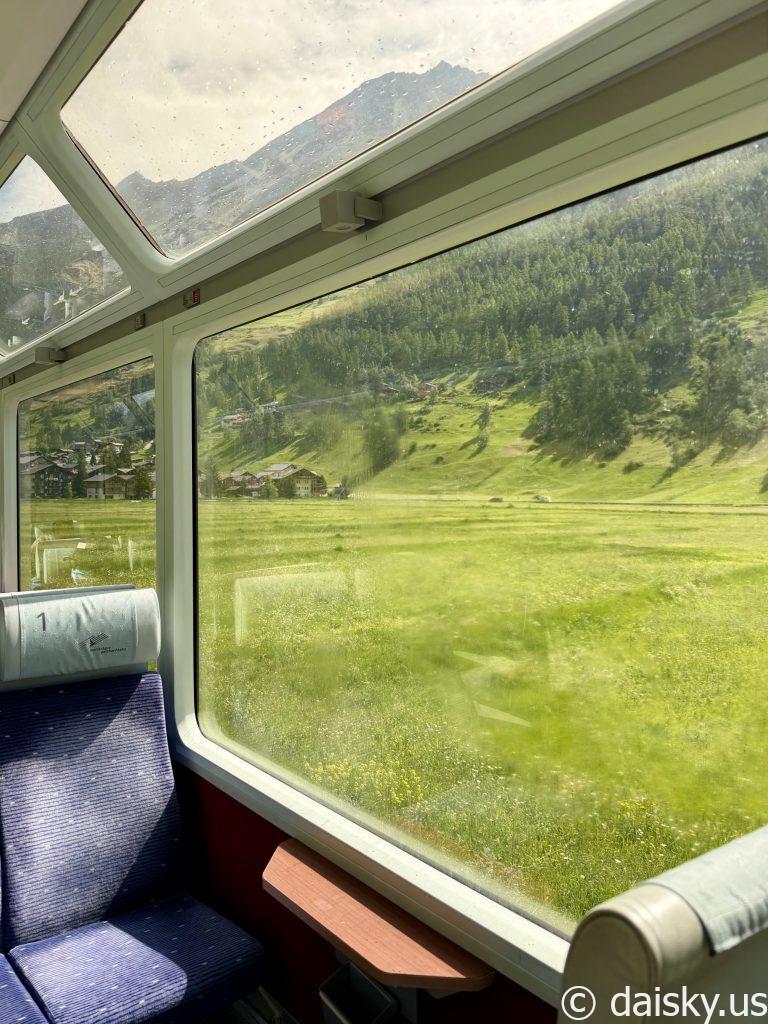
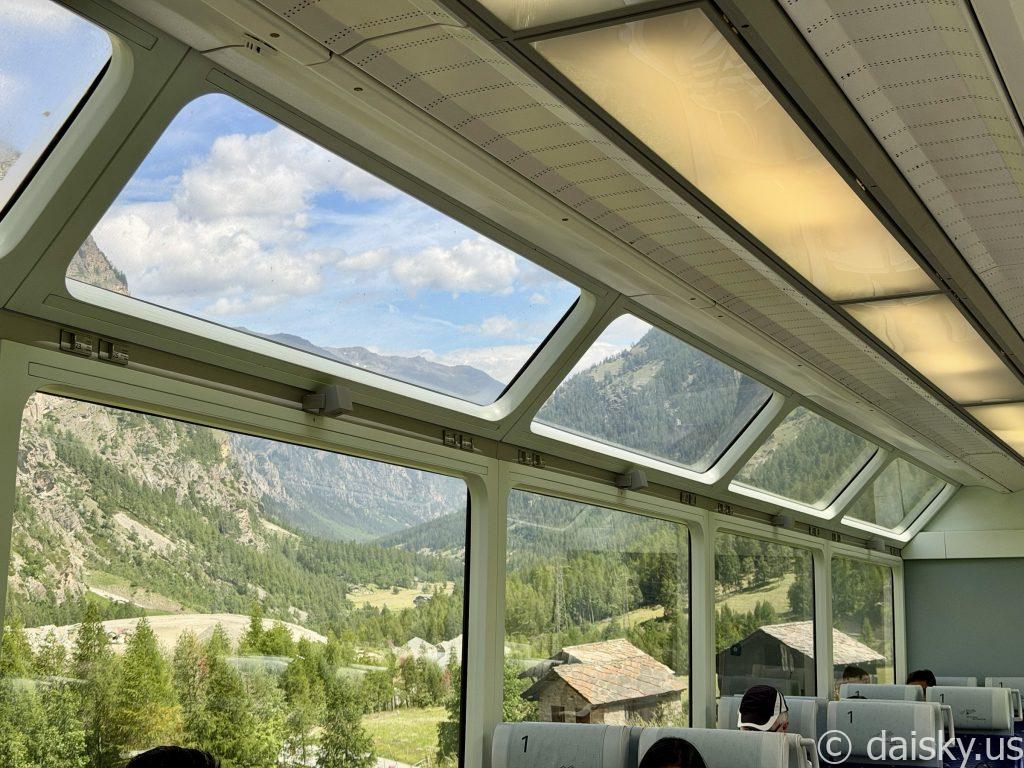
回巴黎的路从全景车厢开始。大窗外是山谷、草甸和小村庄;但这段也贡献了少见的瑞士铁路晚点,让不少乘客为了换乘开始狂奔。瑞士依旧很美,只是精准神话在这天掉线了一站。
The return to Paris began in a Swiss panoramic carriage. The windows framed valleys, meadows, and villages, perfect for slow looking. But this segment also delivered an unusually delayed Swiss rail leg, sending many passengers sprinting for connections. Switzerland stayed beautiful; the punctuality myth missed one stop.
回到卢浮宫边 / Back beside the Louvre
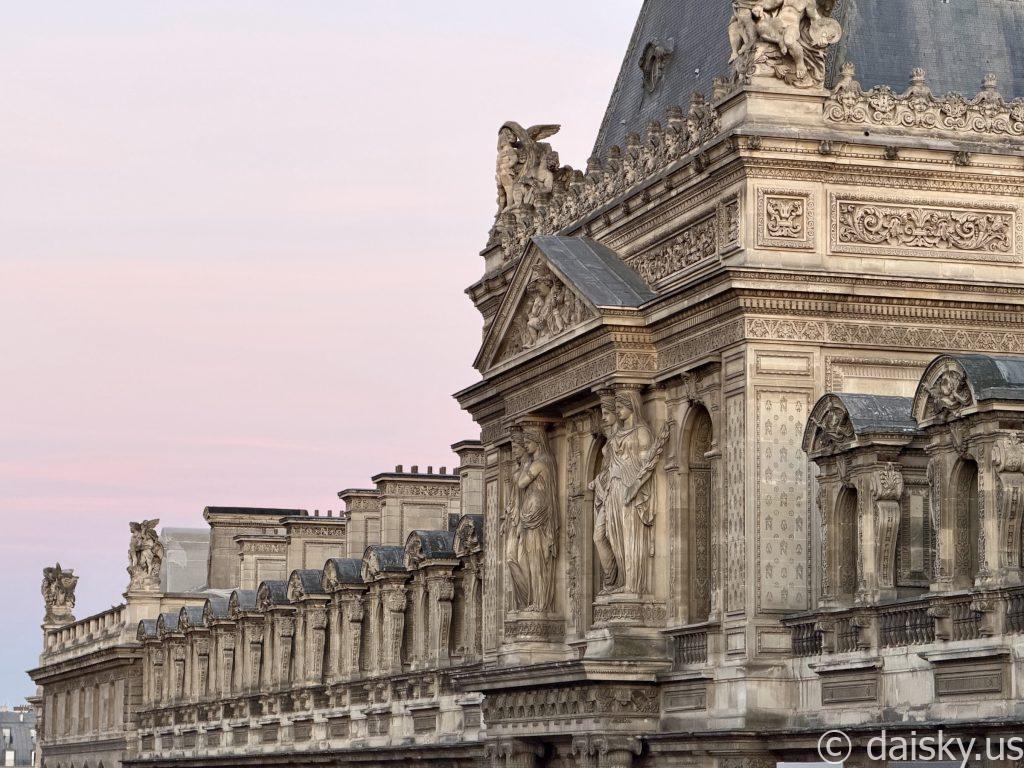
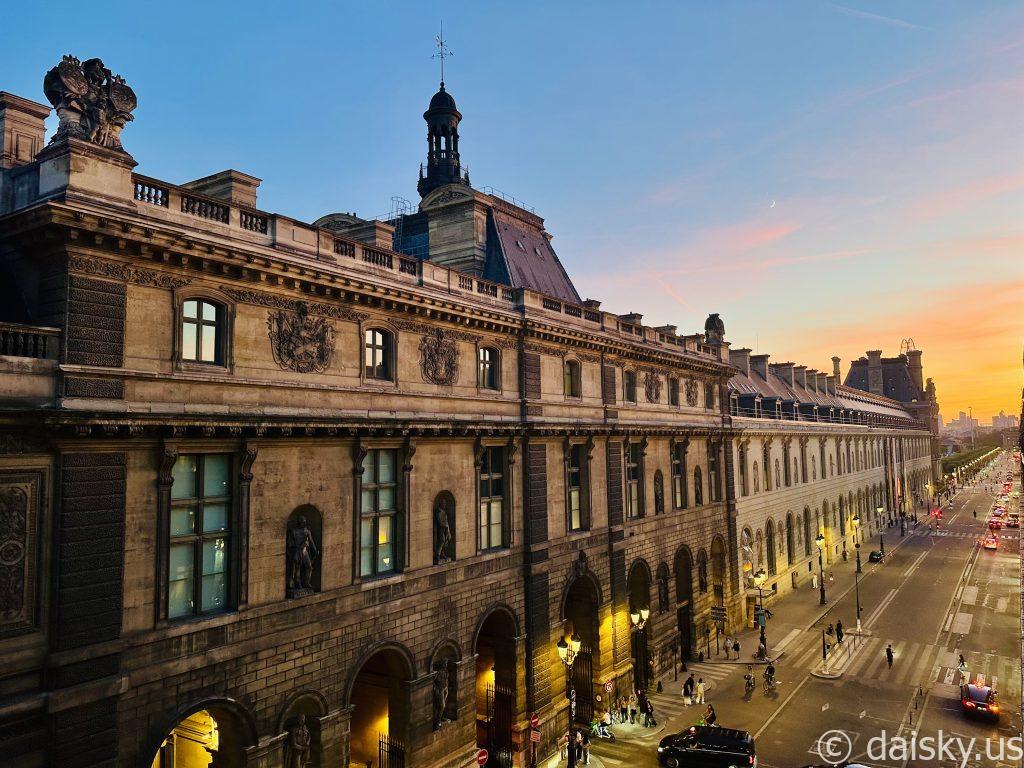
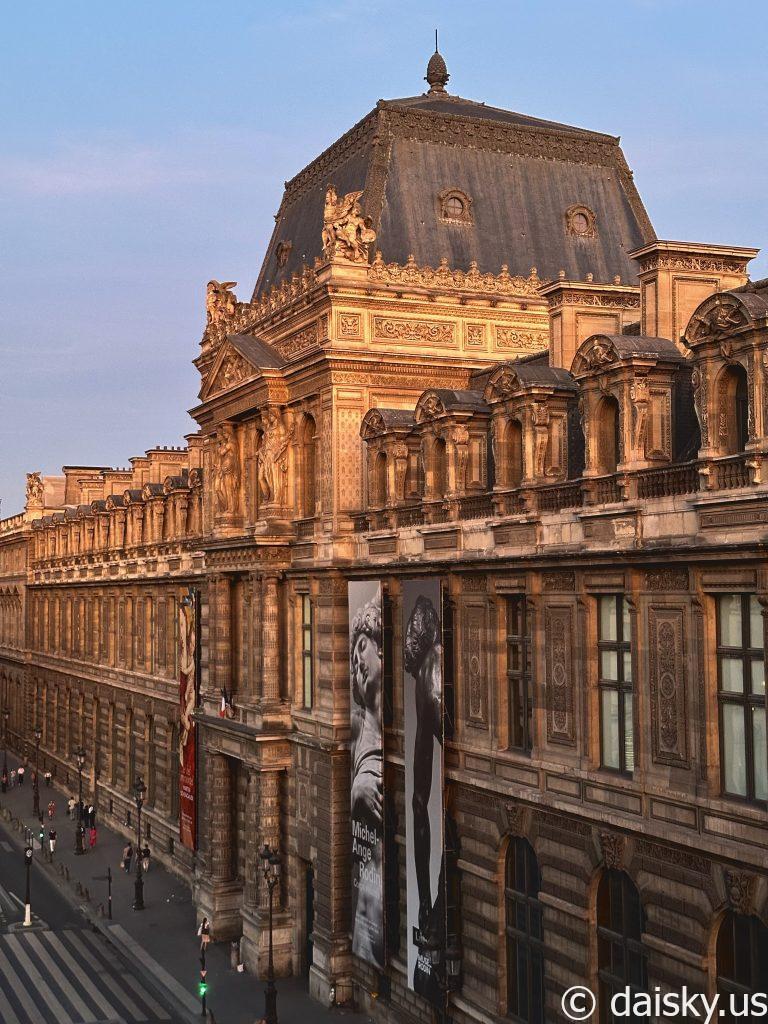
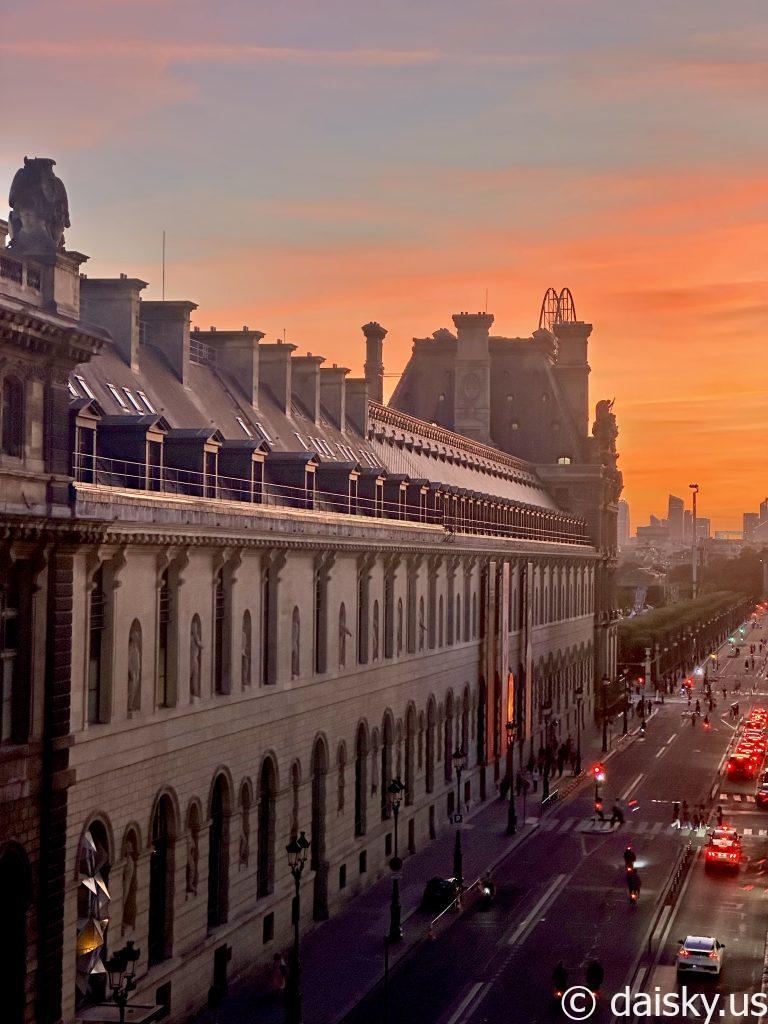
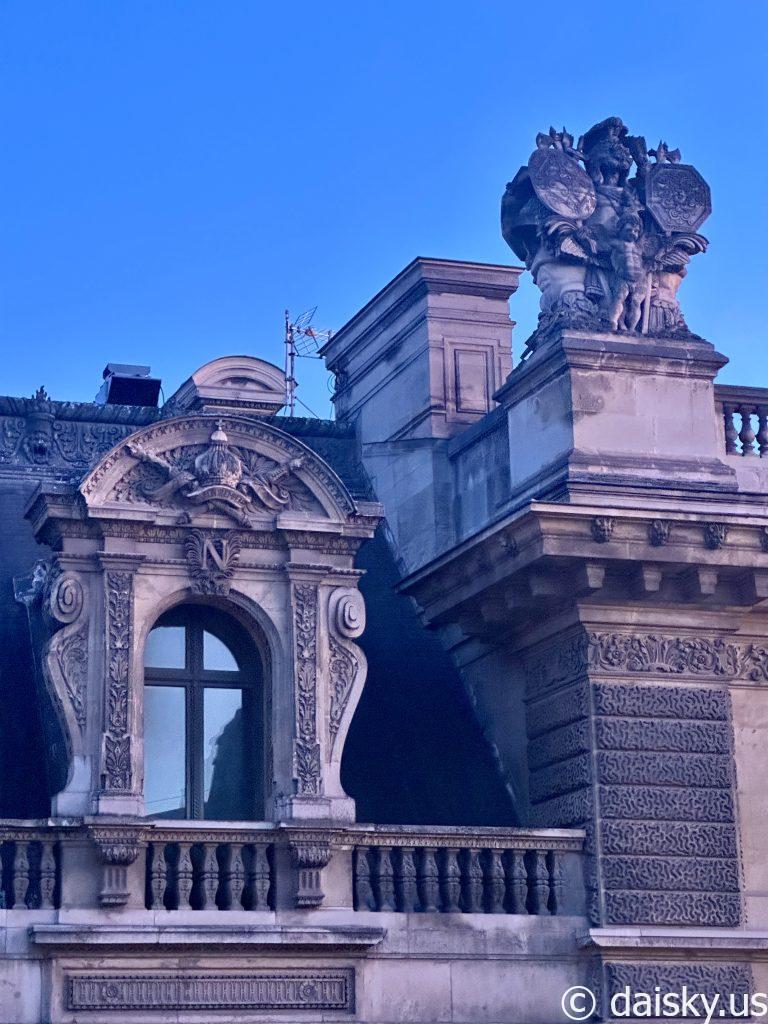
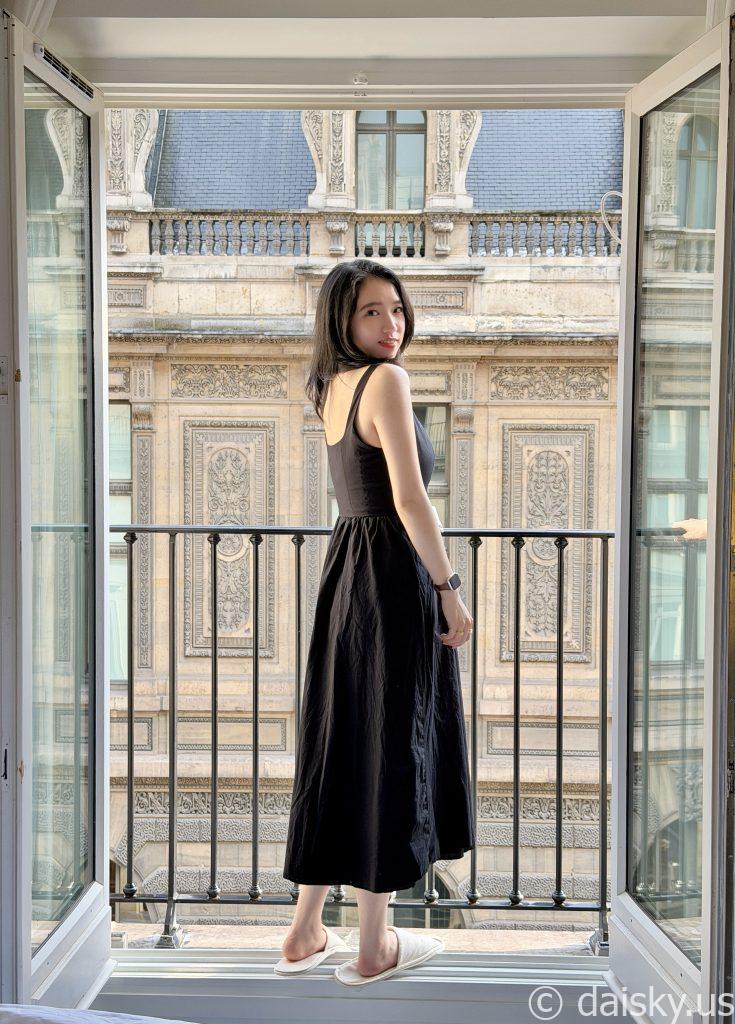
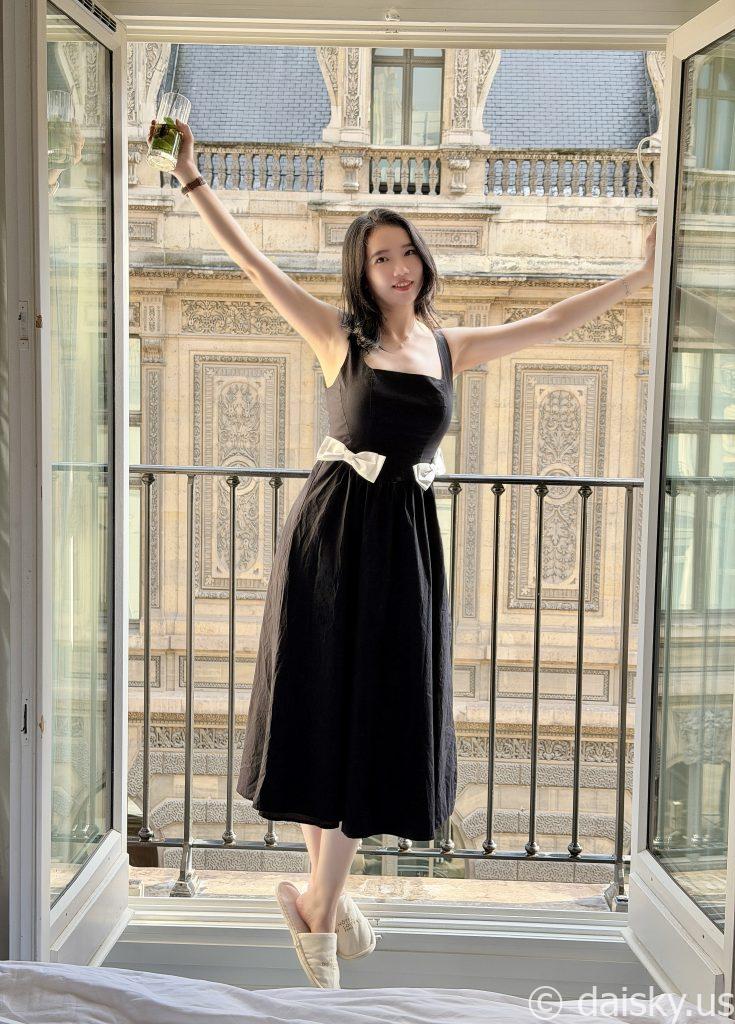
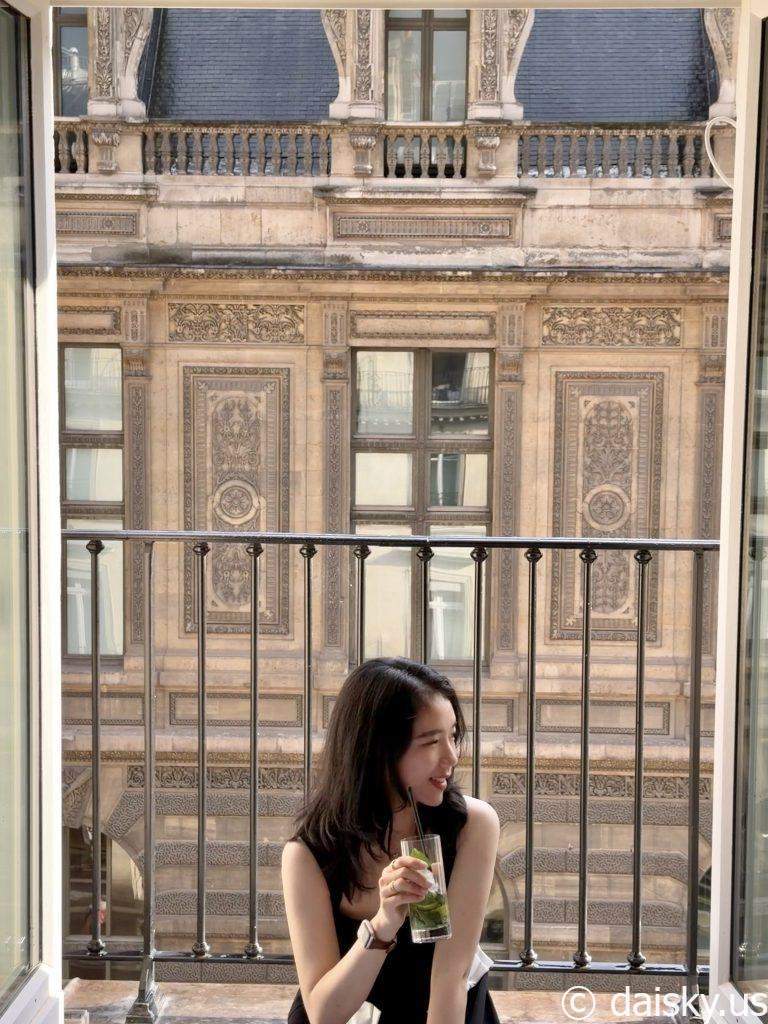
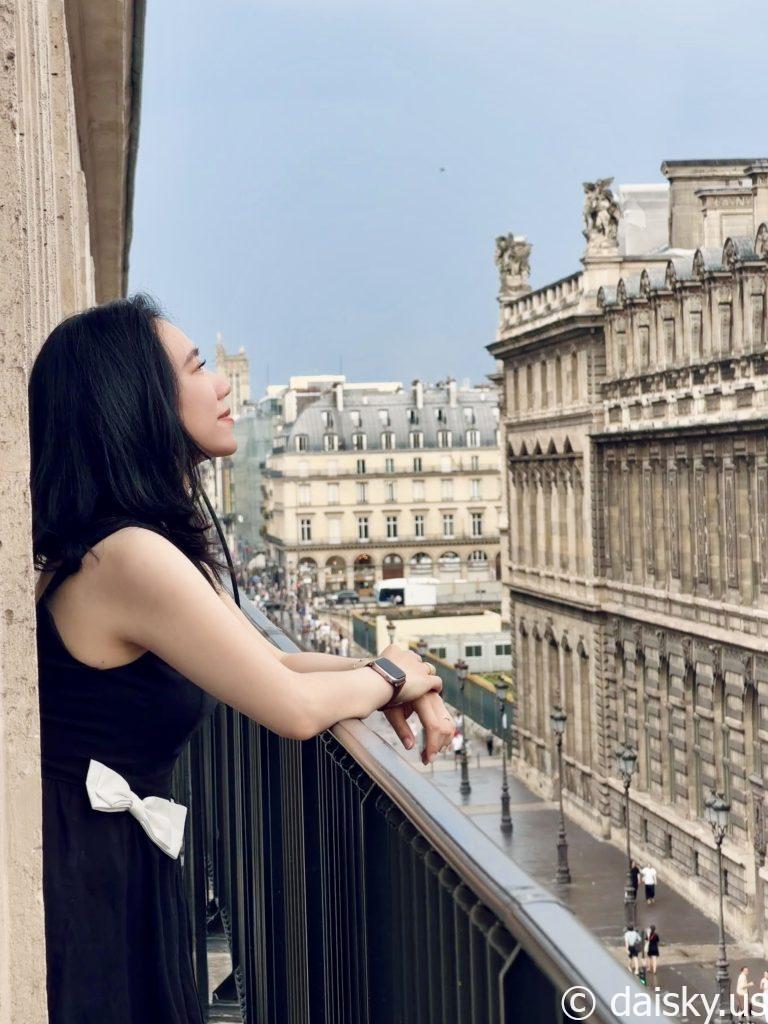
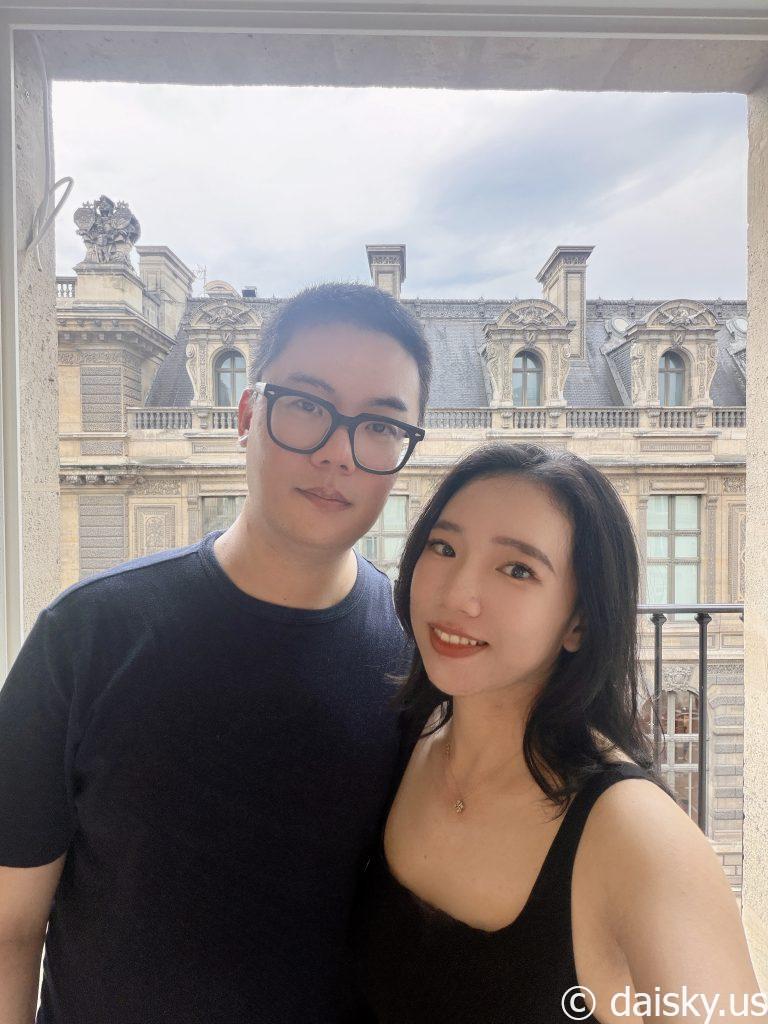
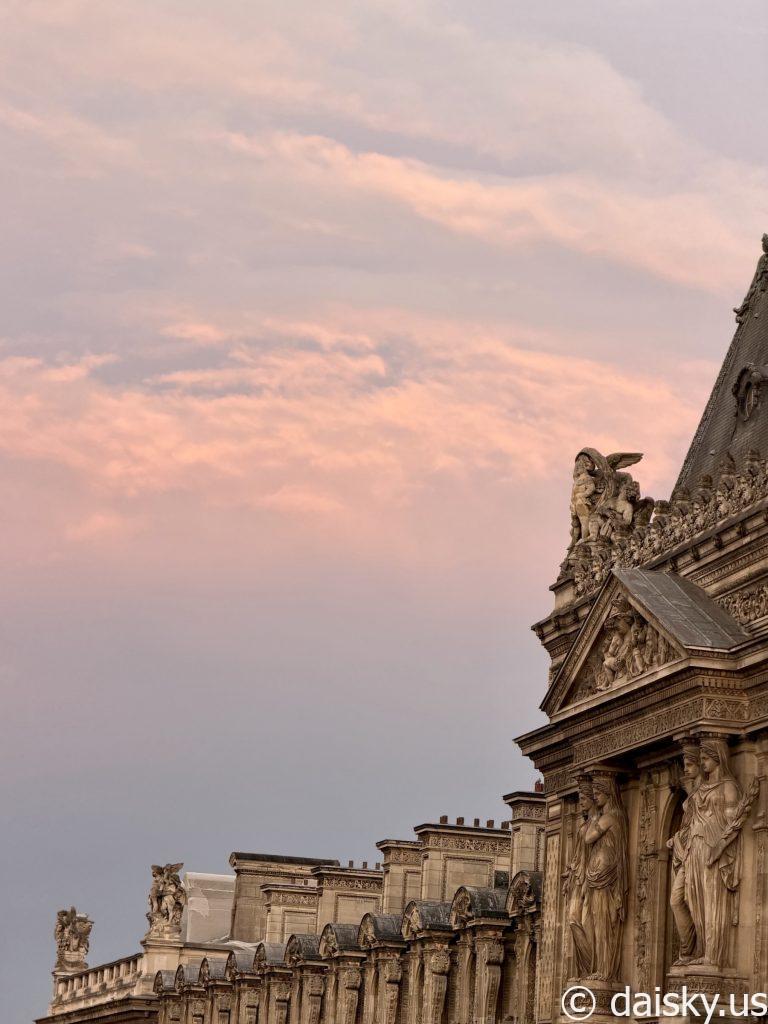
晚上回到巴黎,酒店就在卢浮宫旁边。窗外不再是雪山,而是卢浮宫长长的屋顶线:粉色天空、金色立面、橙色车流、蓝调时刻和屋顶雕塑。第一章从卢浮宫开始,瑞士段之后又回到它旁边,这个闭环很漂亮。
That evening, back in Paris, the hotel was beside the Louvre. The view was no longer snow peaks but the Louvre roofline: pink sky, golden façade, orange traffic, blue hour, and rooftop sculpture. The trip began at the Louvre, left for Switzerland, and returned to its edge — a neat loop.
塞纳河游船:最后一天的城市片尾 / Seine cruise: closing credits for Paris
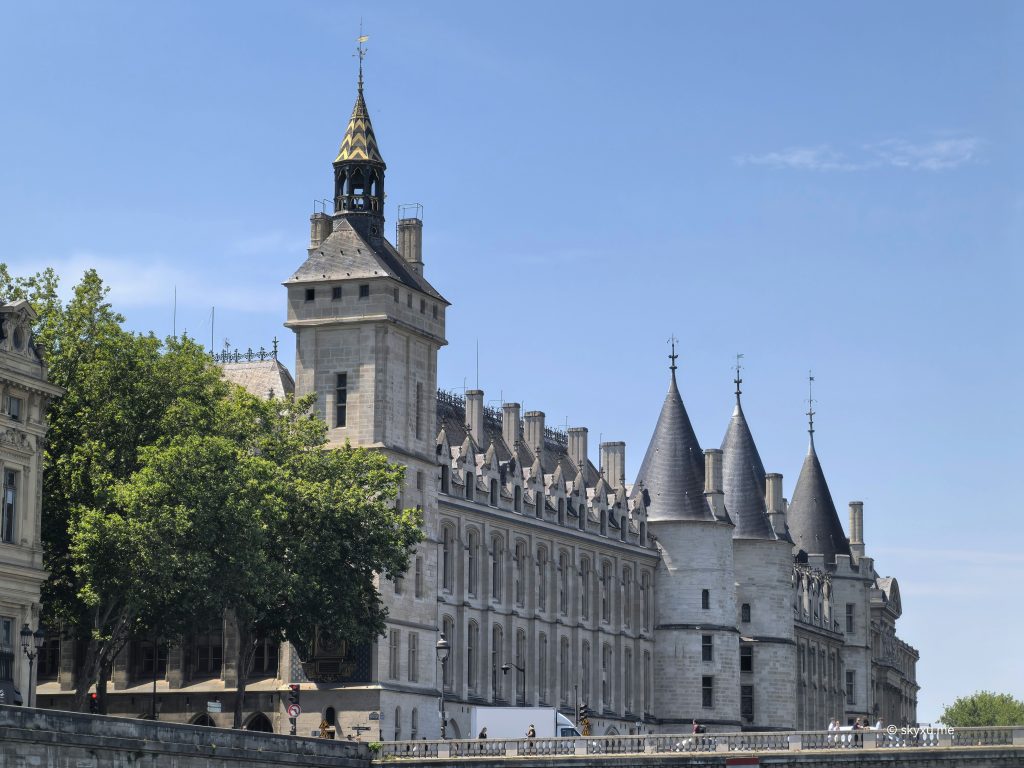
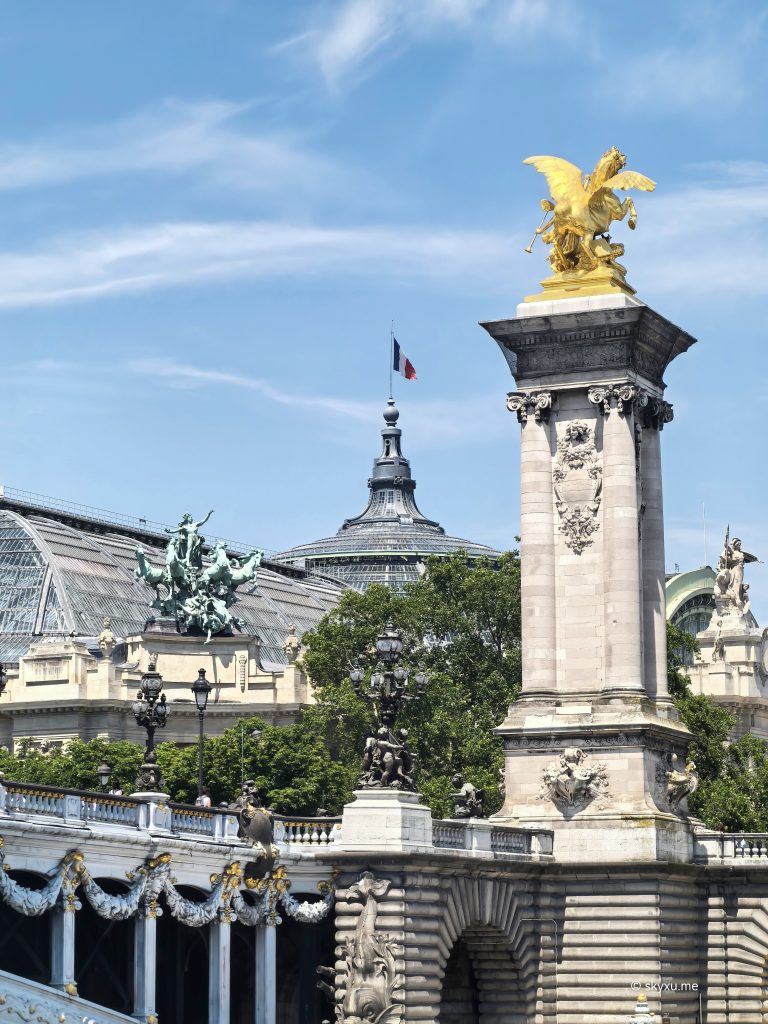
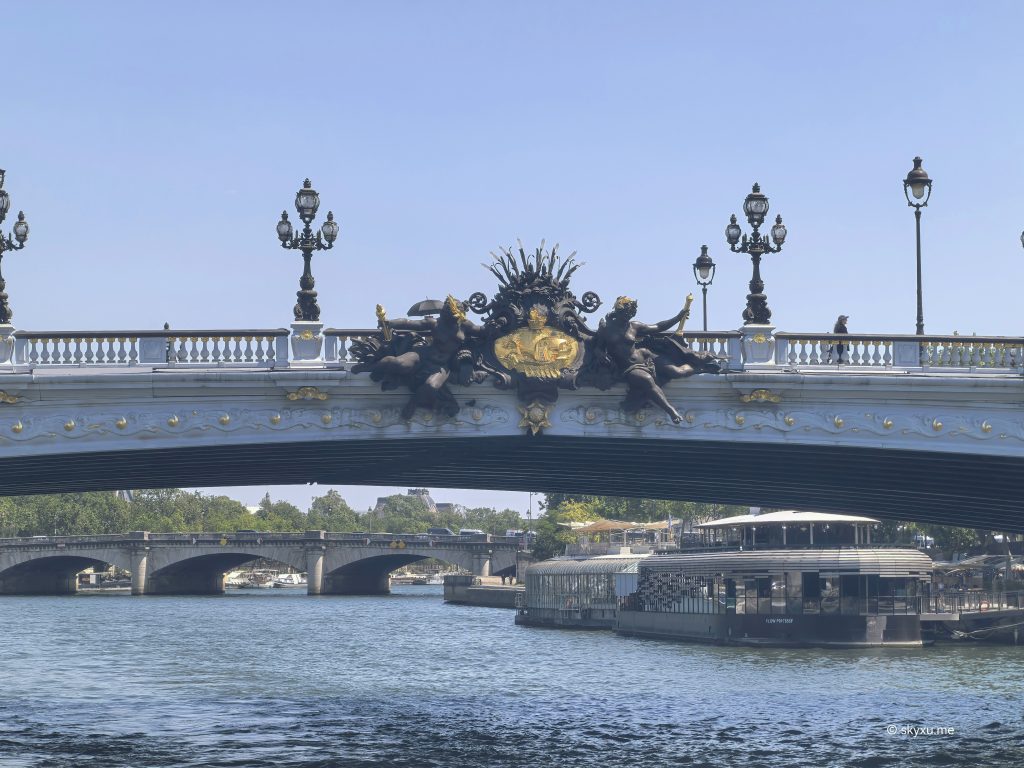
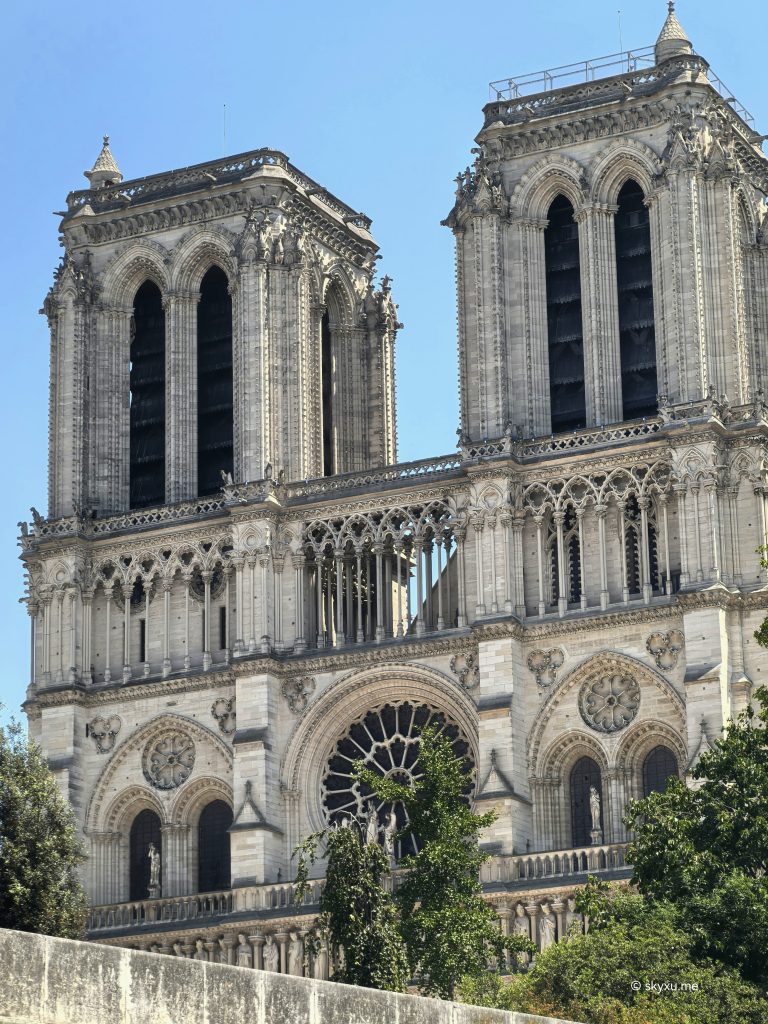
最后一天天气很热,但还是坐上了塞纳河游船。前面几天在巴黎大多是在街上走、在博物馆里看、在教堂和宫殿之间切换;到了这一天,城市终于换成从水面上慢慢经过。铁塔、法兰西学院、巴黎古监狱、亚历山大三世桥、新桥上的 JR 洞穴装置、卢浮宫沿河立面、圣母院、圣礼拜堂、国民议会,还有一座座桥、河岸、游船和夏天的光,都不是作为“打卡清单”出现,而是像片尾字幕一样从眼前滑过去。最后一天的巴黎不需要再用力参观,只要坐在船上,看它把这一趟的城市部分慢慢放完。
The final day was hot, but still included a Seine cruise. Earlier in Paris, the trip had mostly moved through streets, museums, churches, and palaces; on this last day, the city finally shifted into a slow view from the water. The Eiffel Tower, Institut de France, Conciergerie, Pont Alexandre III, Pont Neuf with JR’s cave installation, the Louvre’s river façade, Notre-Dame, Sainte-Chapelle, Palais Bourbon, bridges, quays, boats, and summer light were not a checklist of places visited. They moved past like closing credits. On the final day, Paris did not need to be explored with effort anymore; it was enough to sit on the boat and let the city play itself out.
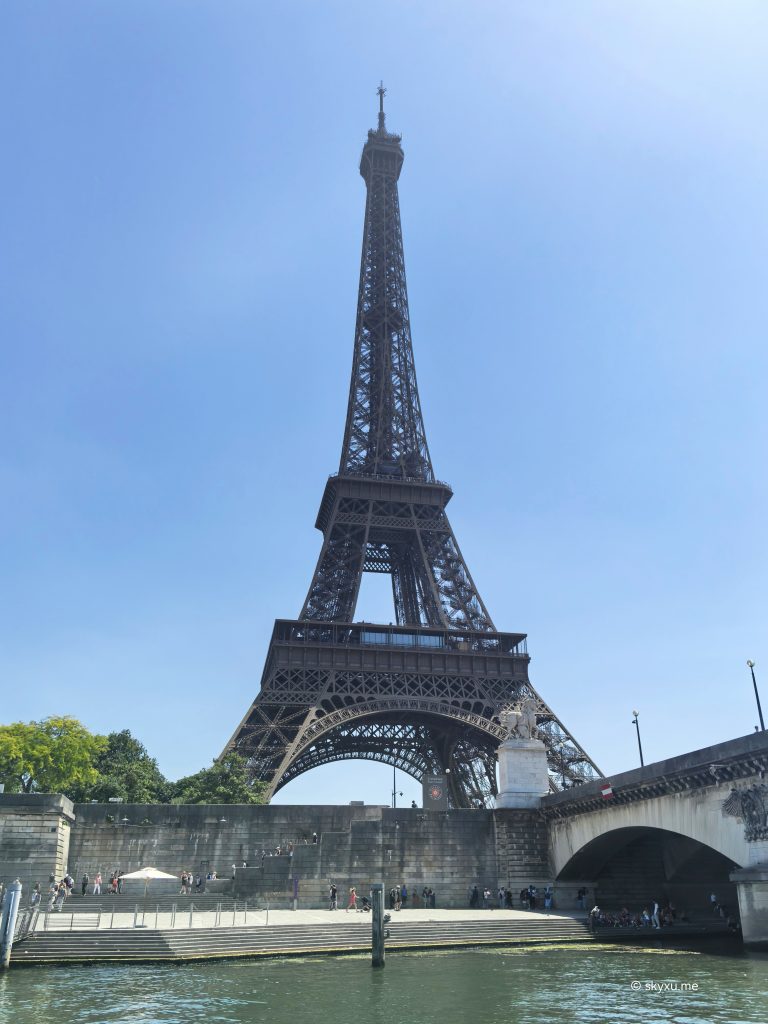
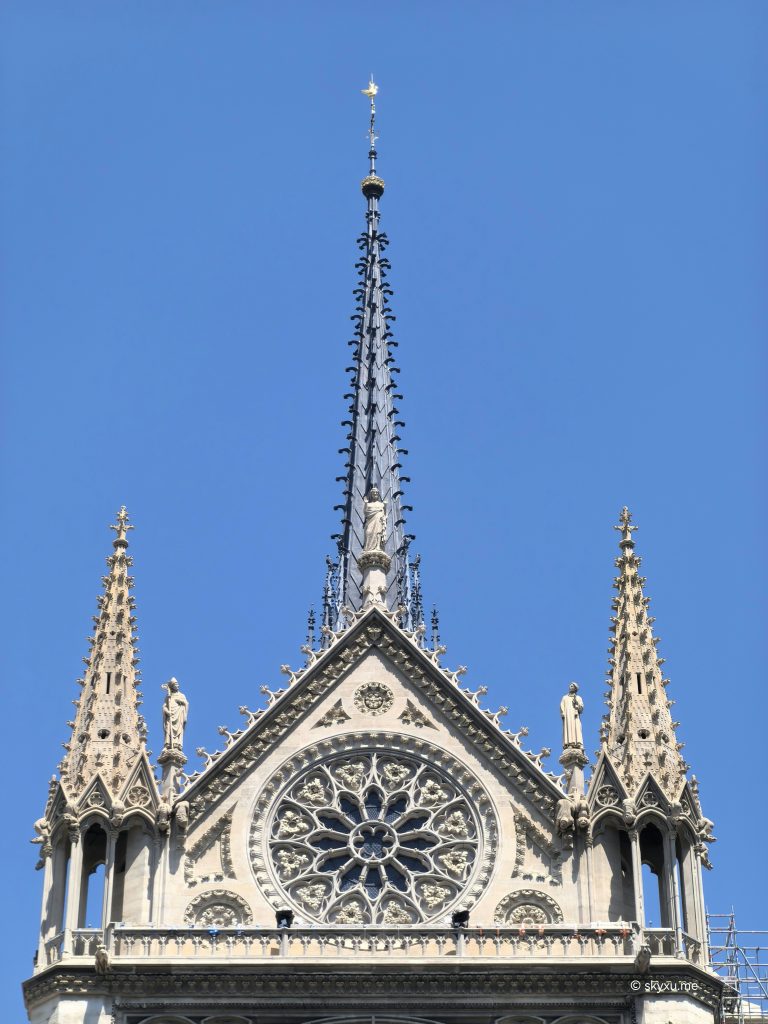
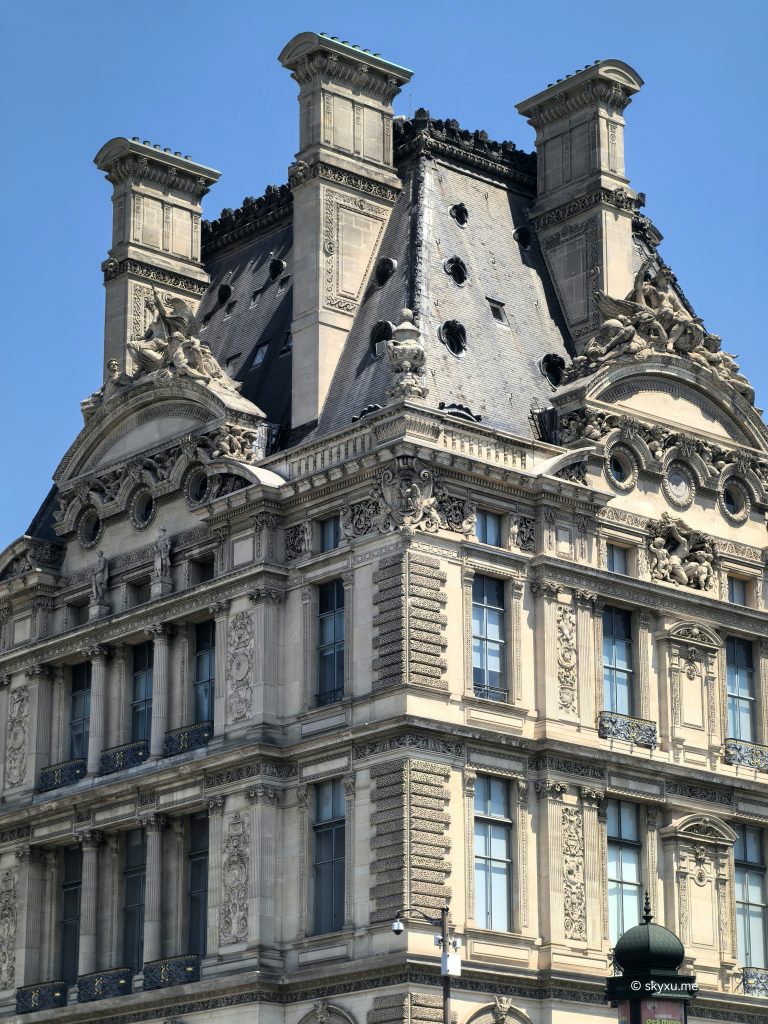
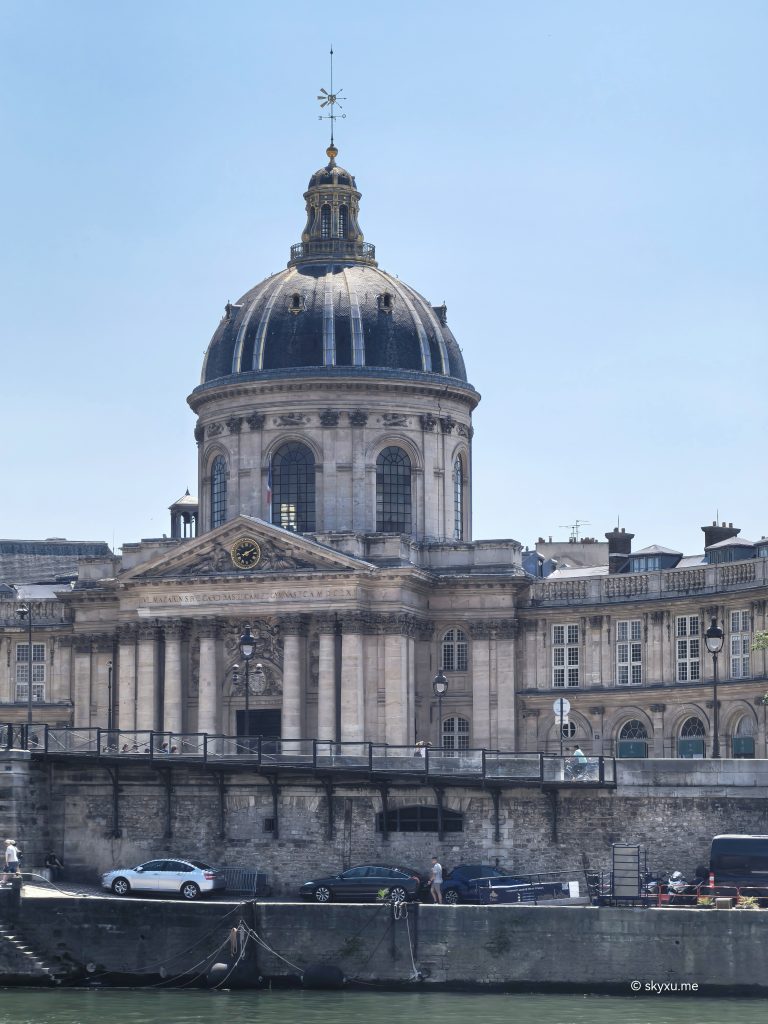
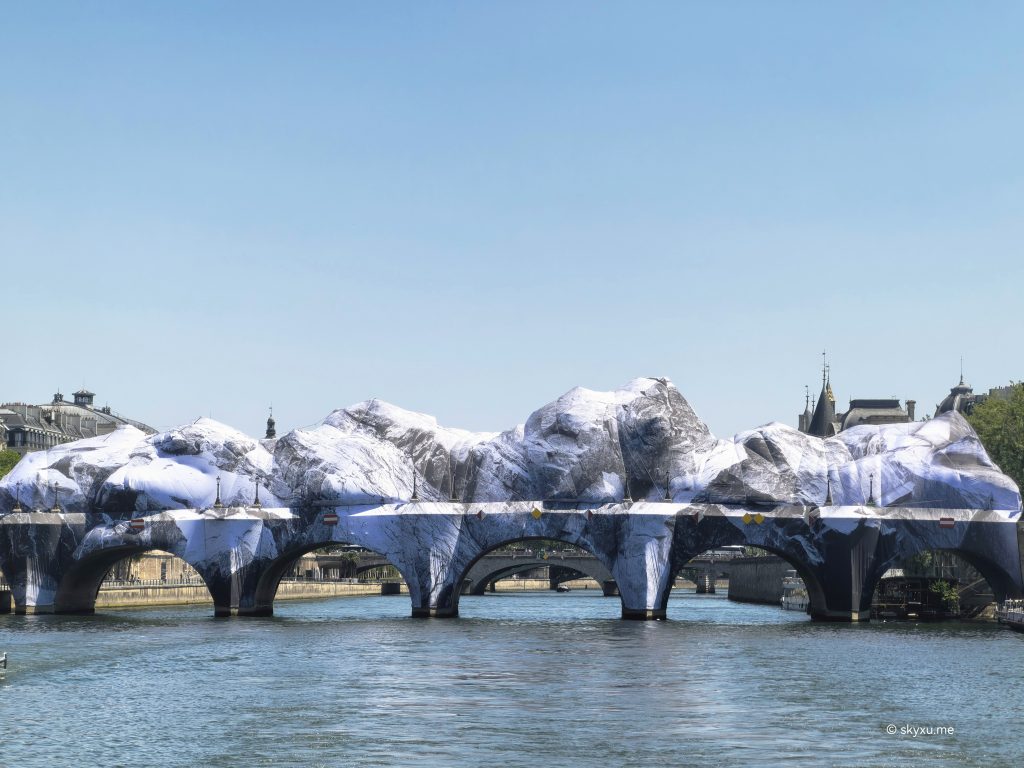
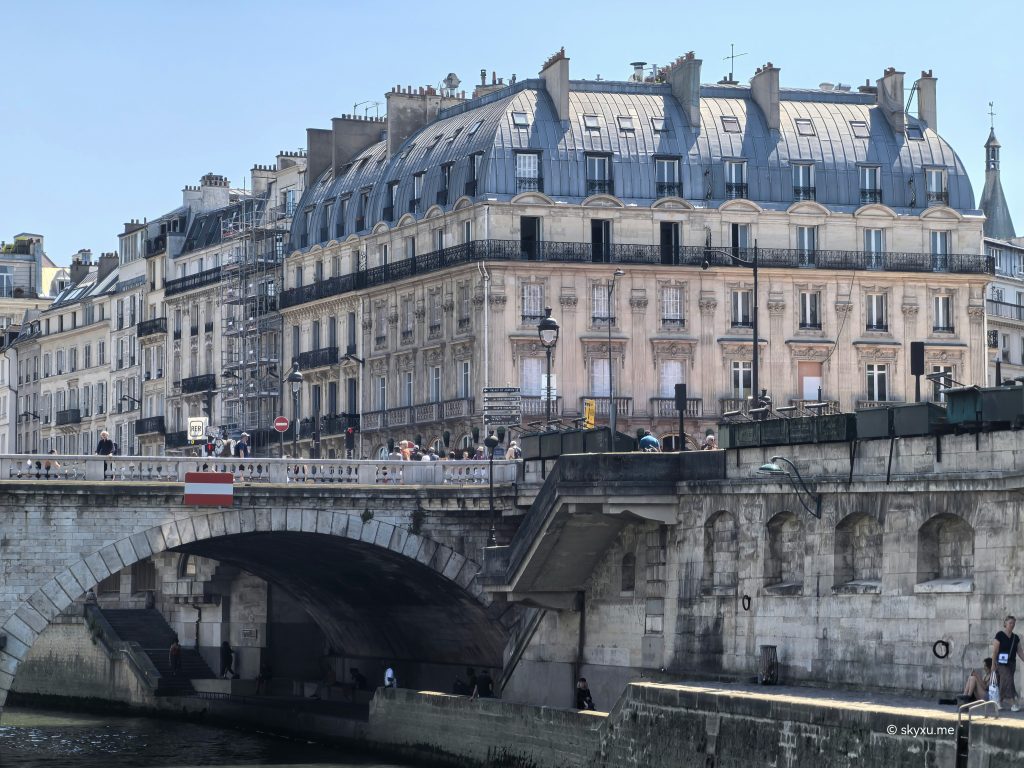
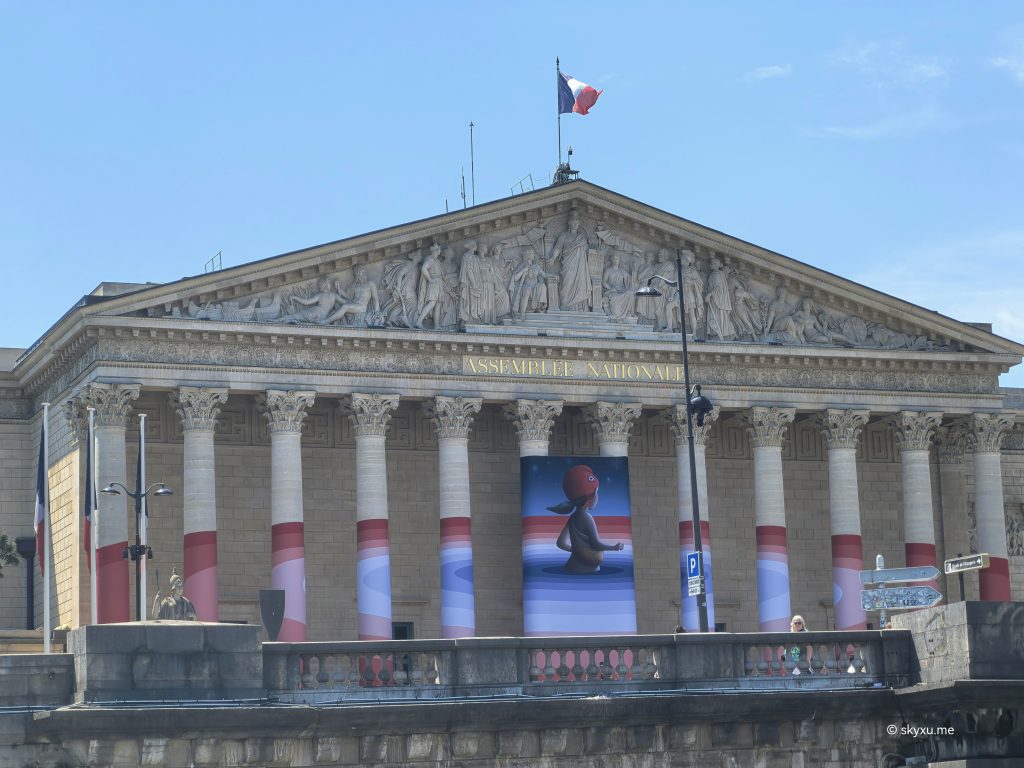
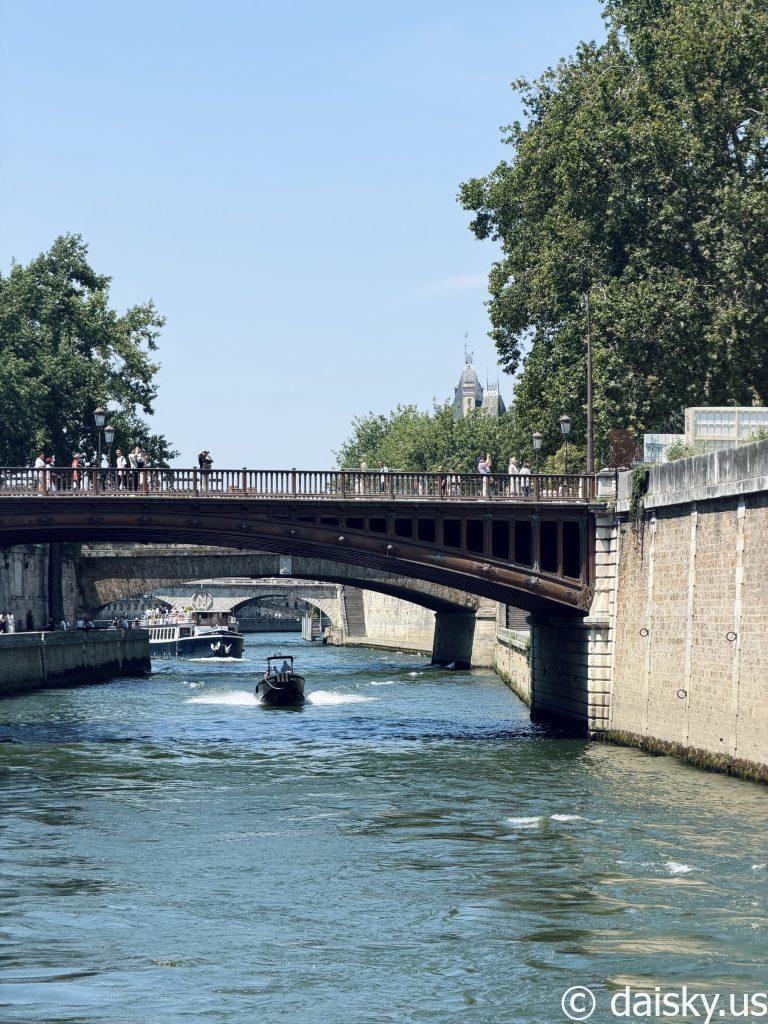
第一晚塞纳河在大风大雨里收走了一顶 Seahawks 超级碗帽子,最后一天我们又回到这条河上,看巴黎从两岸慢慢退后。如果借陈粒《奇妙能力歌》那种排比句式,写给那顶帽子,大概可以是:
我看过铁塔入云霄,
看过卢浮宫映晚潮,
看过金桥把暮色烧,
却没看住你。
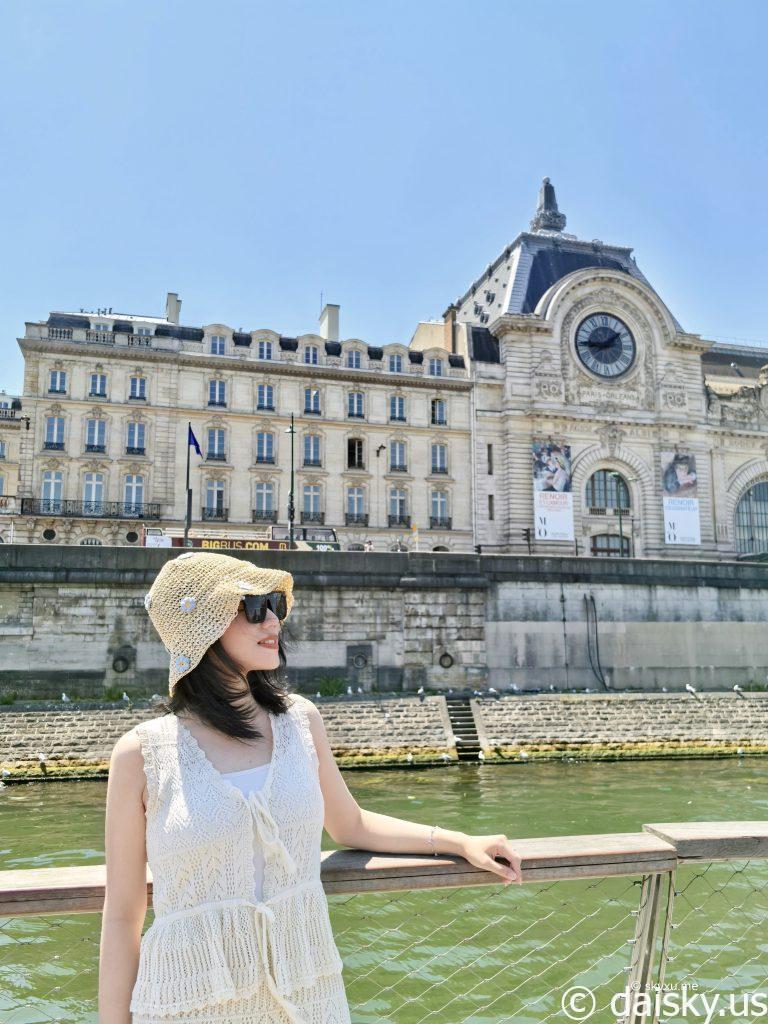
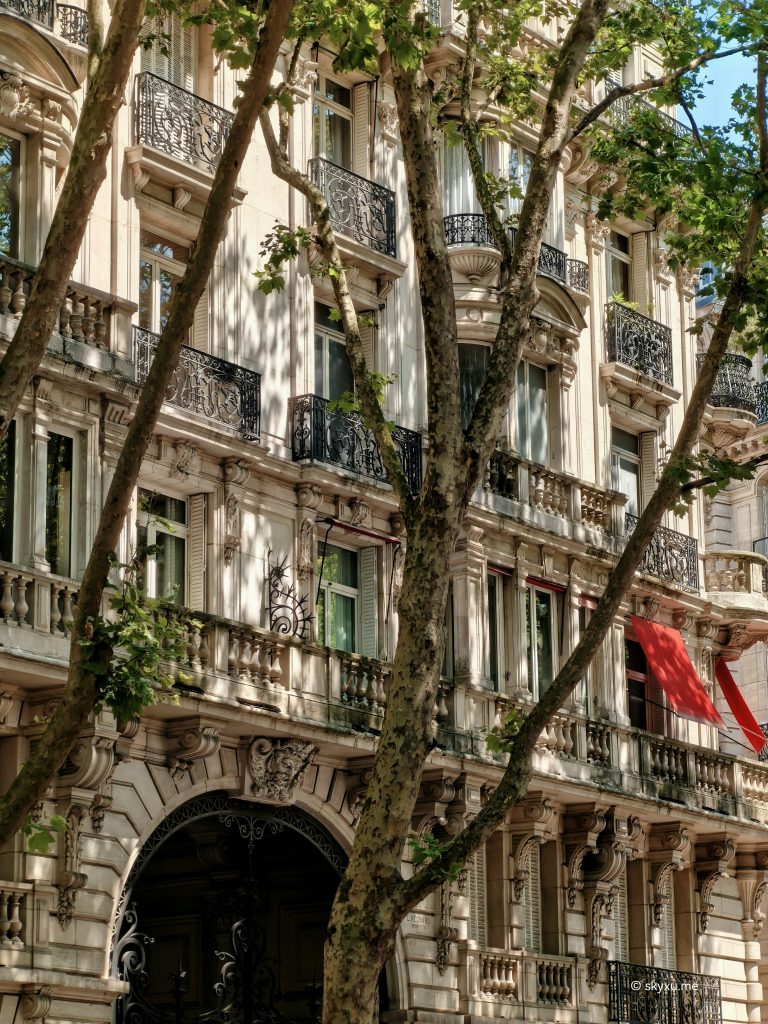
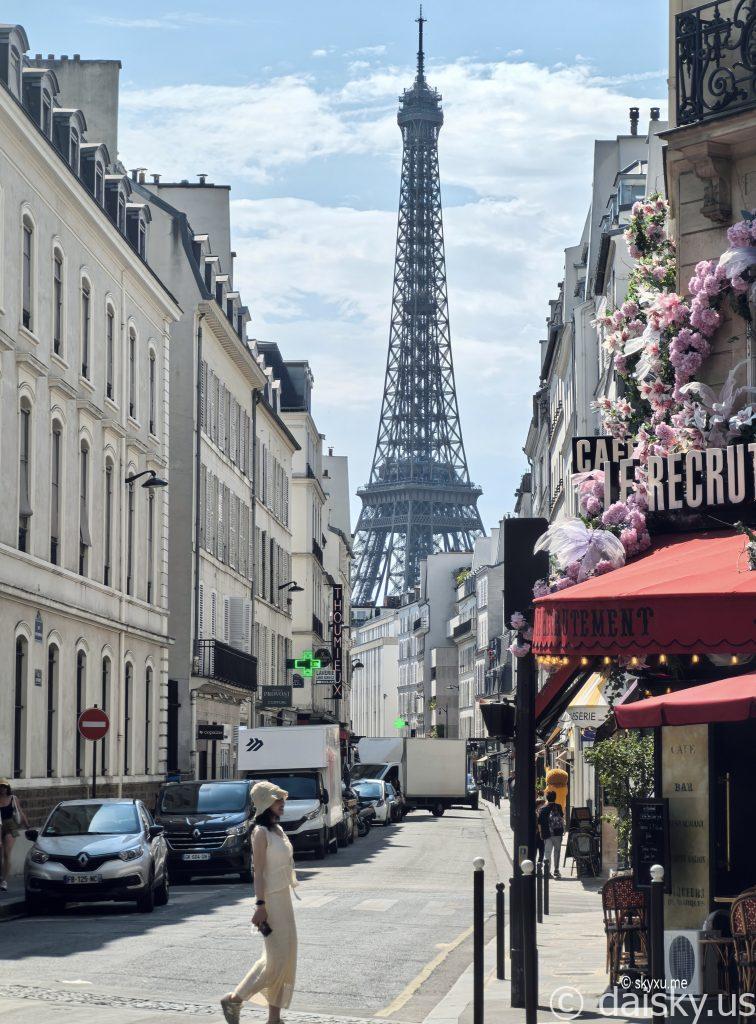
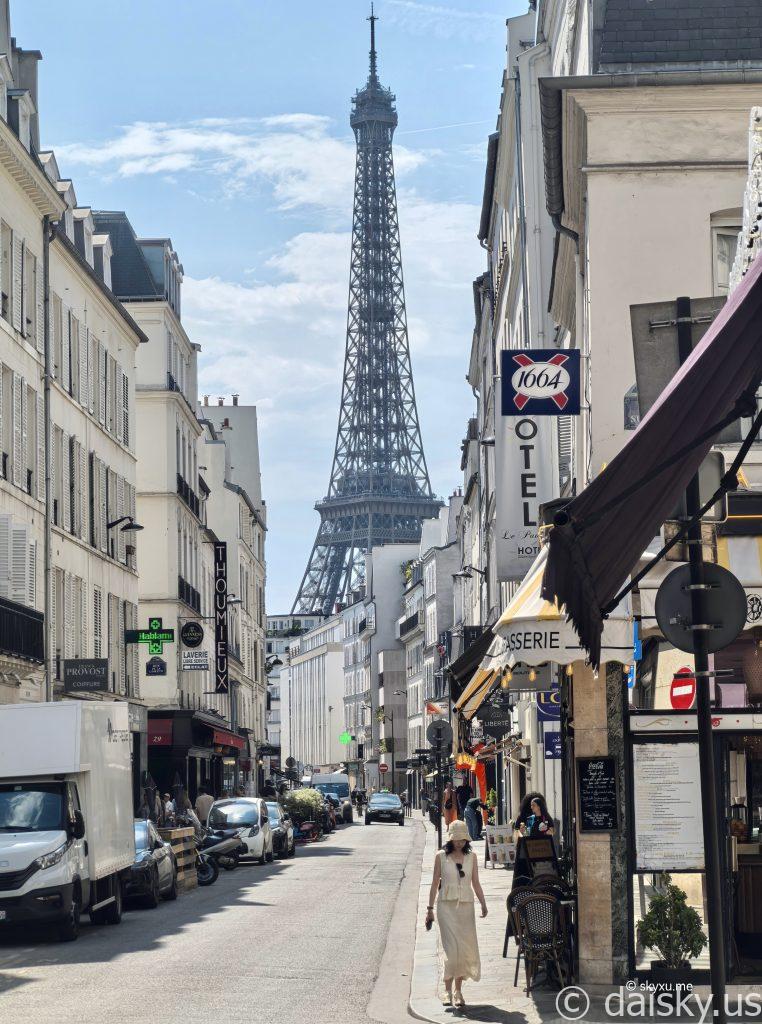
铁塔附近街道:一瞬间的淮海路 / Near the Eiffel Tower: a hint of Huaihai Road
在埃菲尔铁塔附近下船后,旁边街道忽然安静下来。梧桐树影、奶油色石墙、铁艺阳台、木百叶窗、红色遮阳篷,有一瞬间像上海淮海路。不是建筑完全一样,而是那种树荫、老房子、夏天和城市体面生活的气质相通。
After getting off near the Eiffel Tower, the nearby street suddenly felt quieter. Plane-tree shade, cream stone walls, iron balconies, shutters, and red awnings briefly recalled Shanghai’s Huaihai Road — not because the architecture is identical, but because both share a mood of trees, older buildings, summer, and urban ease.
雨后卢浮宫:最后一天慢慢收束 / Louvre after rain: a quiet ending
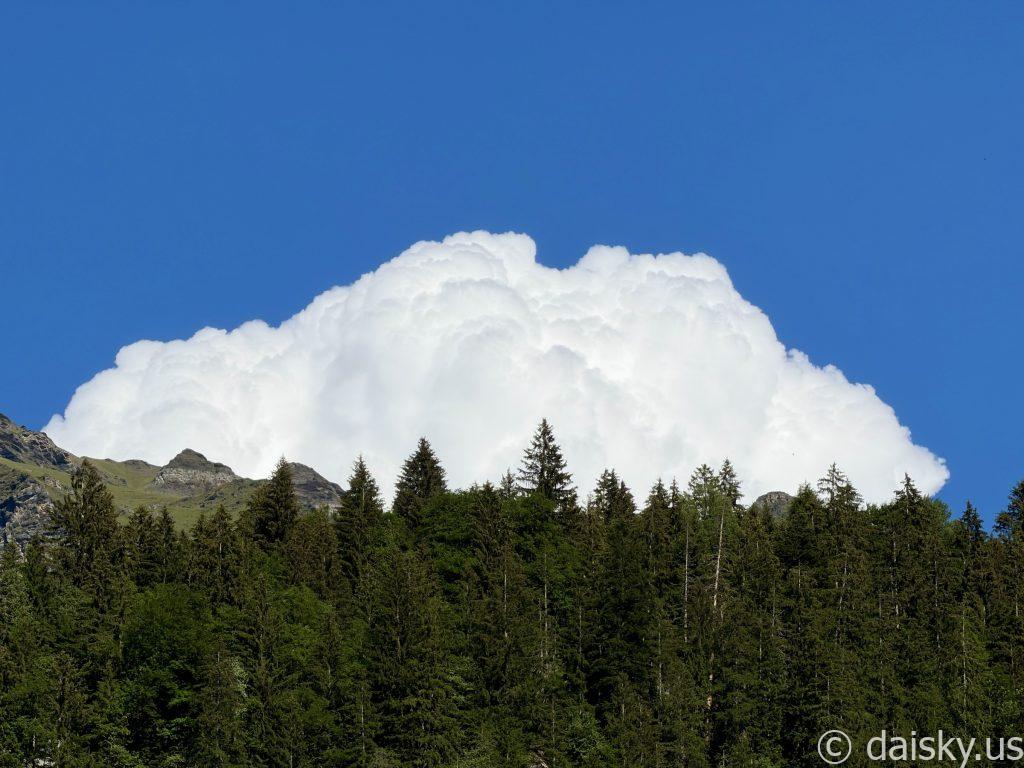
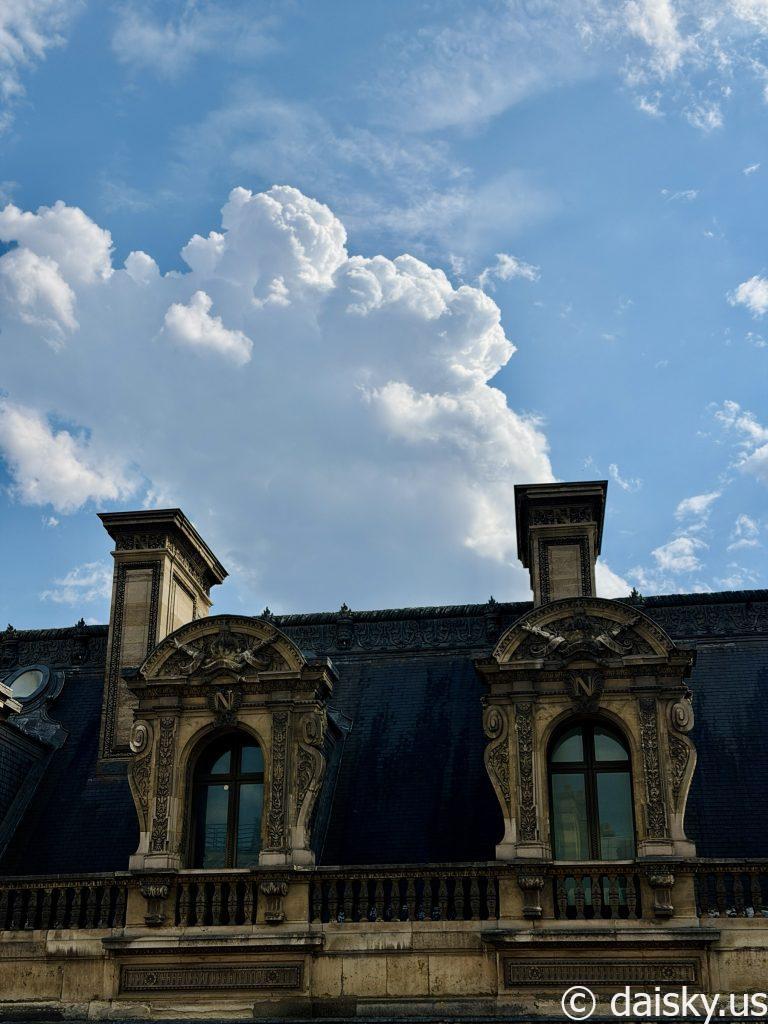
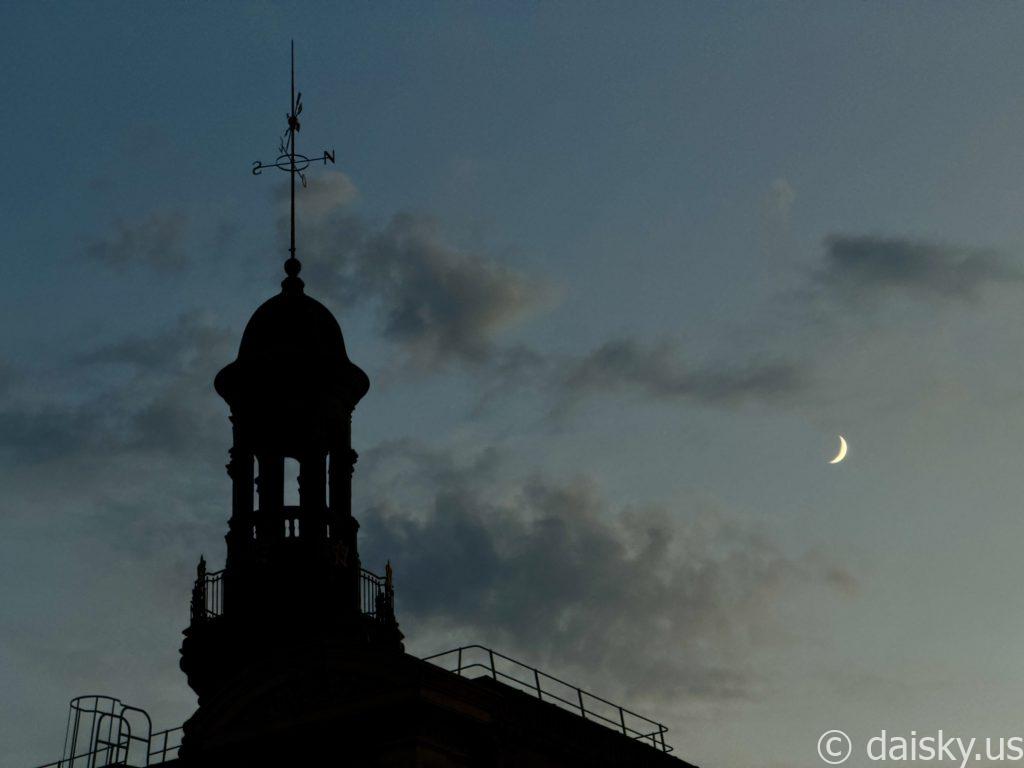
傍晚回到酒店,又下一场阵雨。雨停后,卢浮宫屋顶、雕塑和天色像被重新洗过:先是蓝天里隆起的白云,然后云被夕阳染成粉色,最后只剩屋顶剪影和一弯月亮。巴黎没有用特别盛大的结尾送别,而是用雨后的黄昏慢慢收束。
Back at the hotel in the evening, another shower passed through. After the rain, the Louvre roofline, sculptures, and sky looked freshly washed: white clouds against blue, then pink dusk, then rooftop silhouettes and a crescent moon. Paris did not end with a grand finale, but with a slow post-rain evening.
最后两晚的中餐 / Chinese dinners at the end
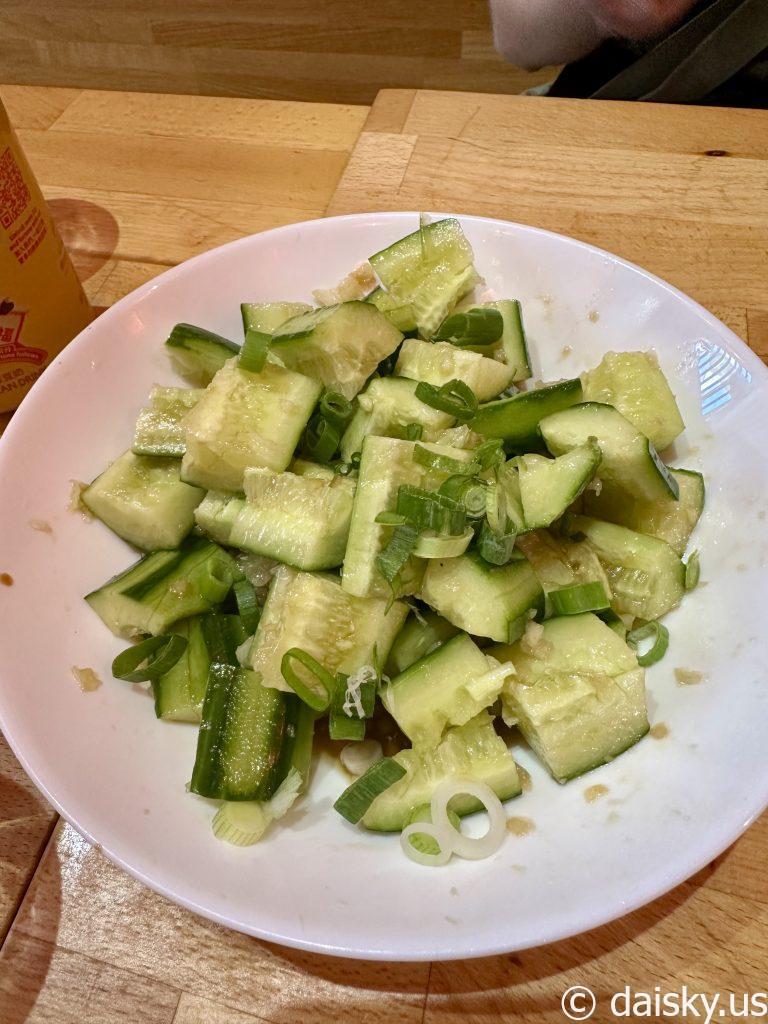
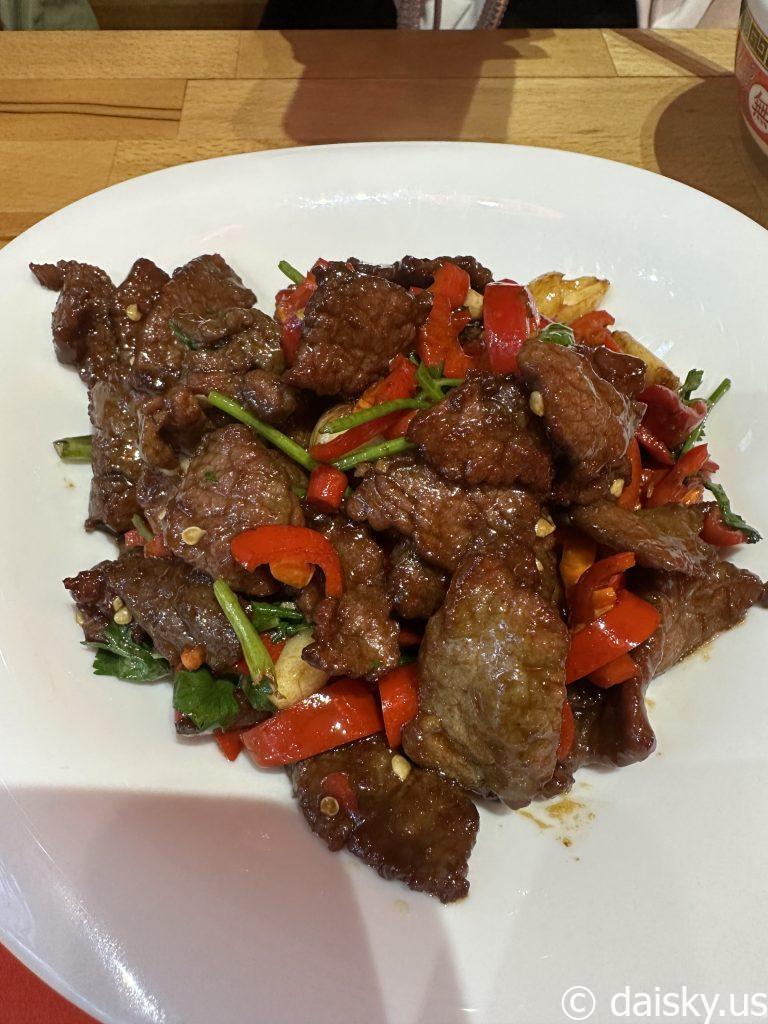
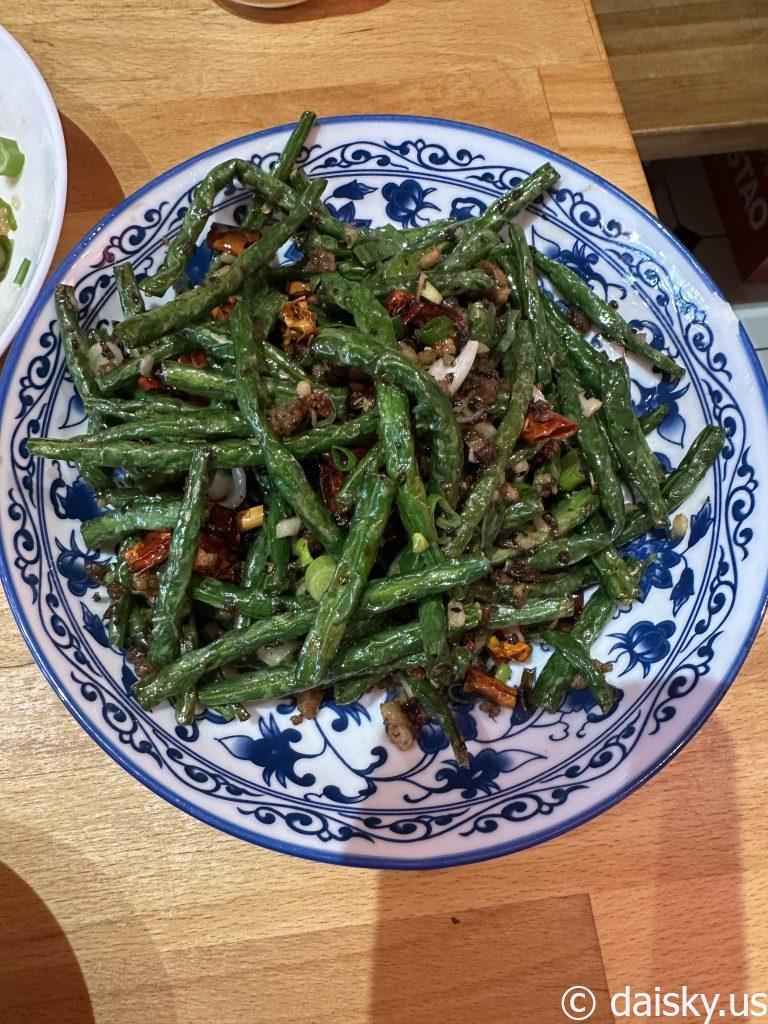
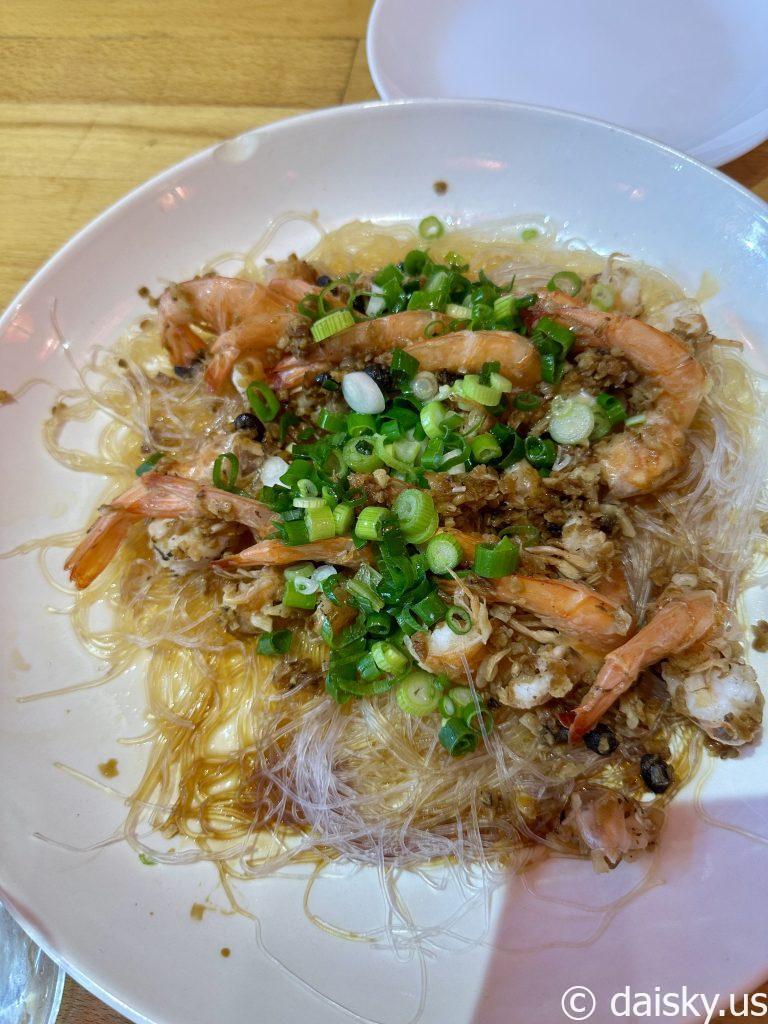
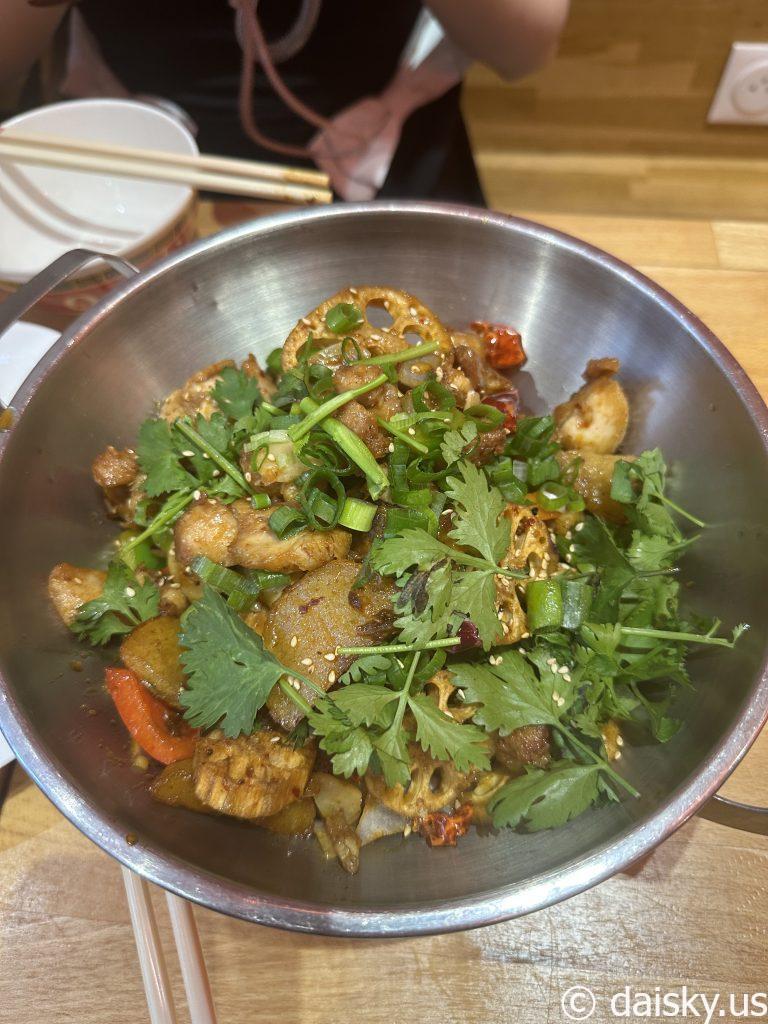
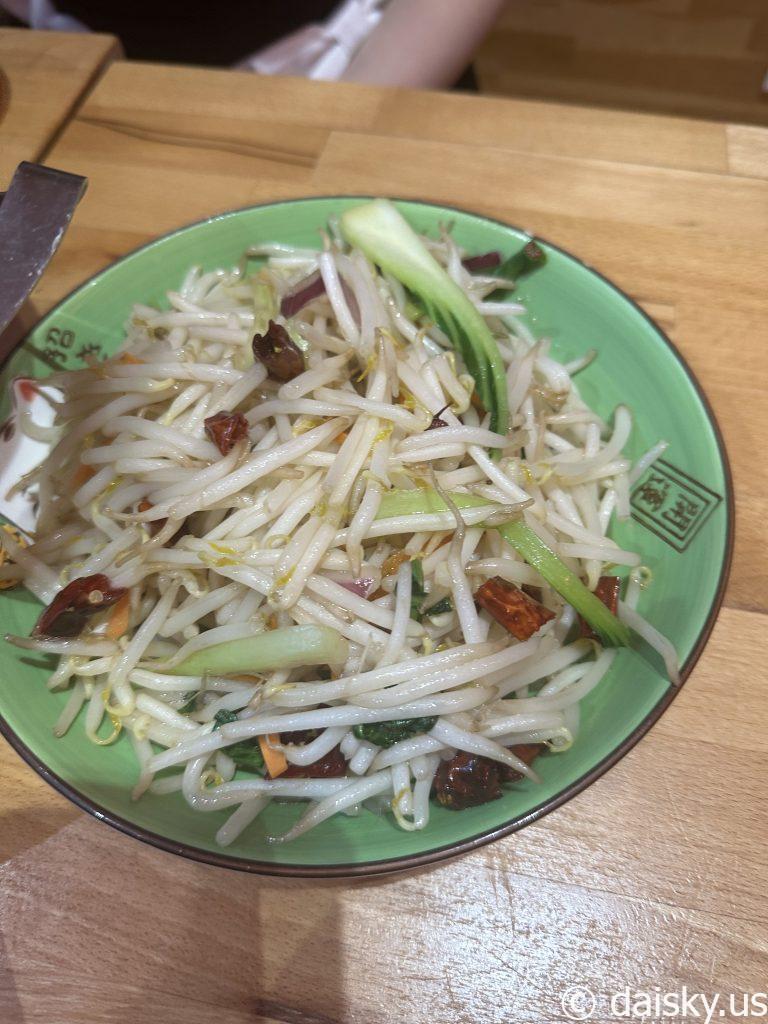
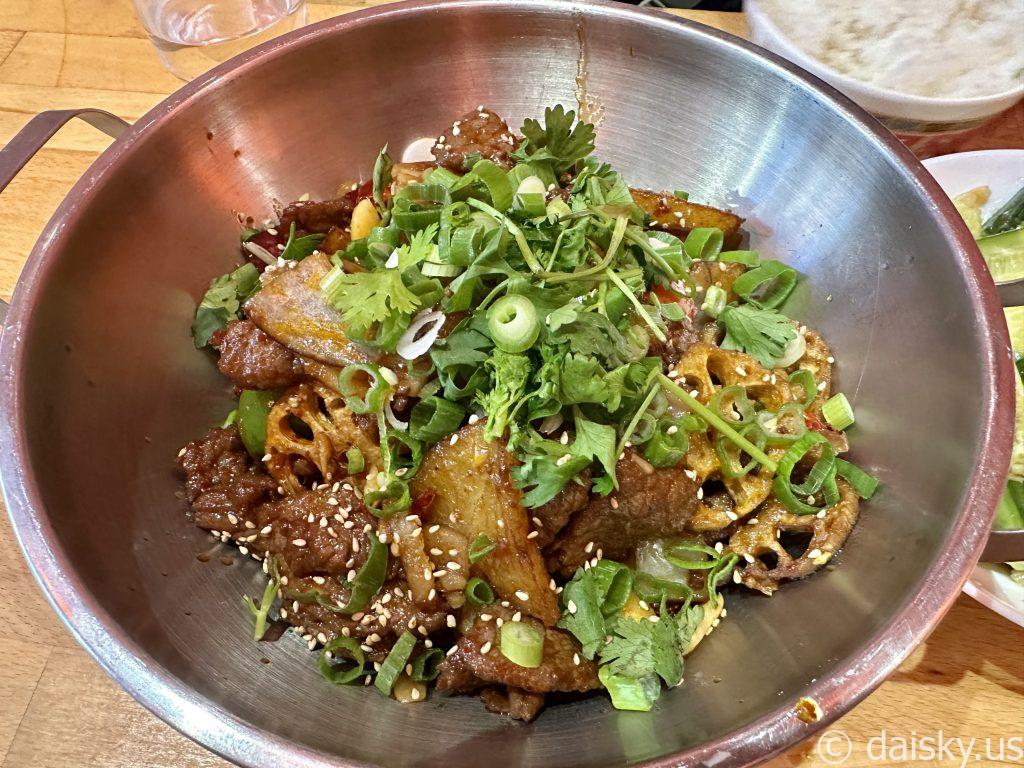
最后两天晚餐都回到同一家中餐馆。拍黄瓜、干锅、干煸四季豆、小炒牛肉、豆芽、干锅五花肉、蒜蓉粉丝虾,都是旅行后半段很需要的味道。看了这么多教堂、雪山、博物馆和桥,最后让胃放松下来的,还是这一桌熟悉的菜。
The final two dinners returned to the same Chinese restaurant: smashed cucumber, dry pot, green beans, stir-fried beef, bean sprouts, pork belly, garlic shrimp with glass noodles. After churches, mountains, museums, and bridges, the meal that relaxed the stomach was still familiar Chinese food.
回西雅图:欧洲之后,雷尼尔在等我 / Returning to Seattle: Rainier after Europe
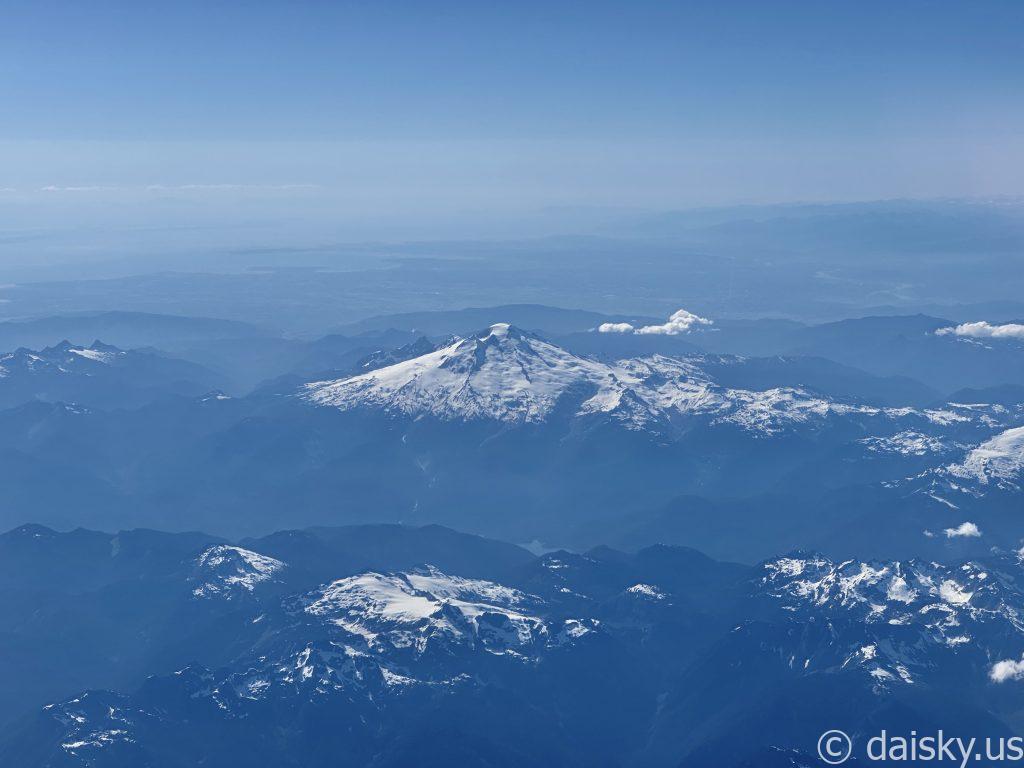
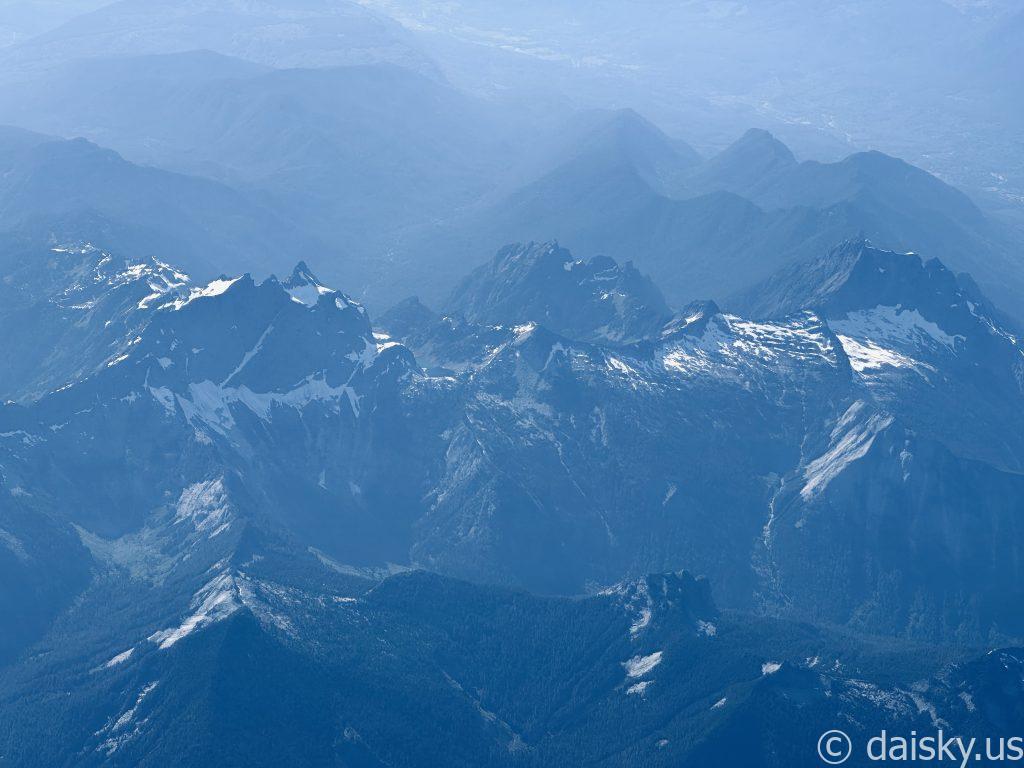
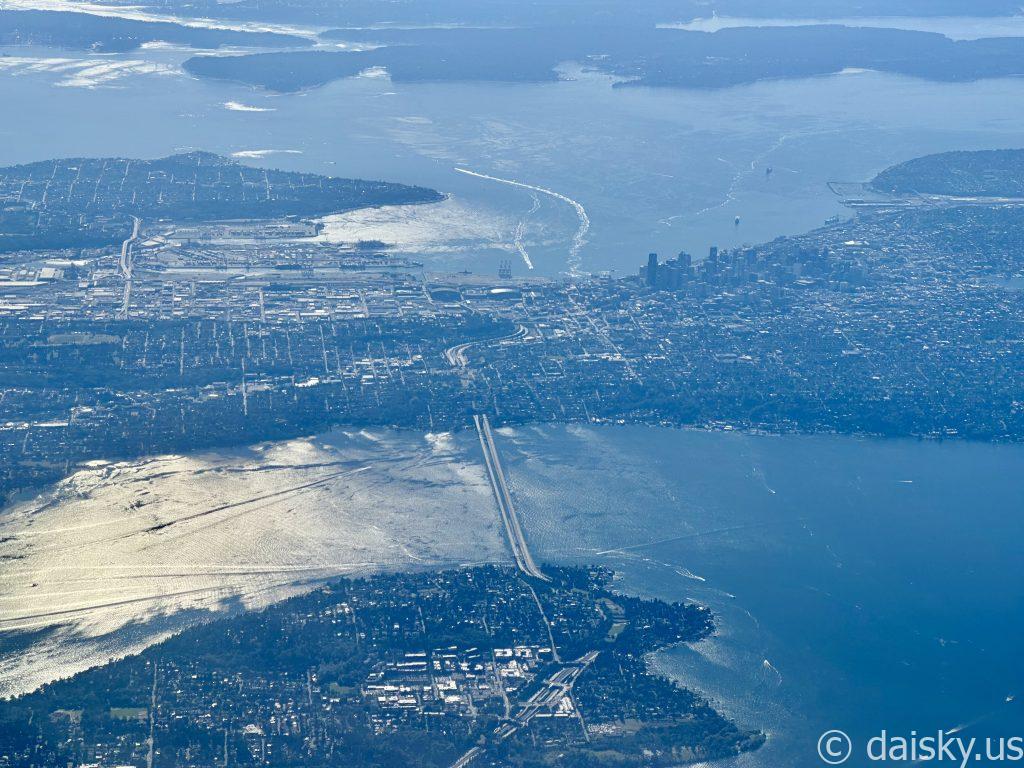
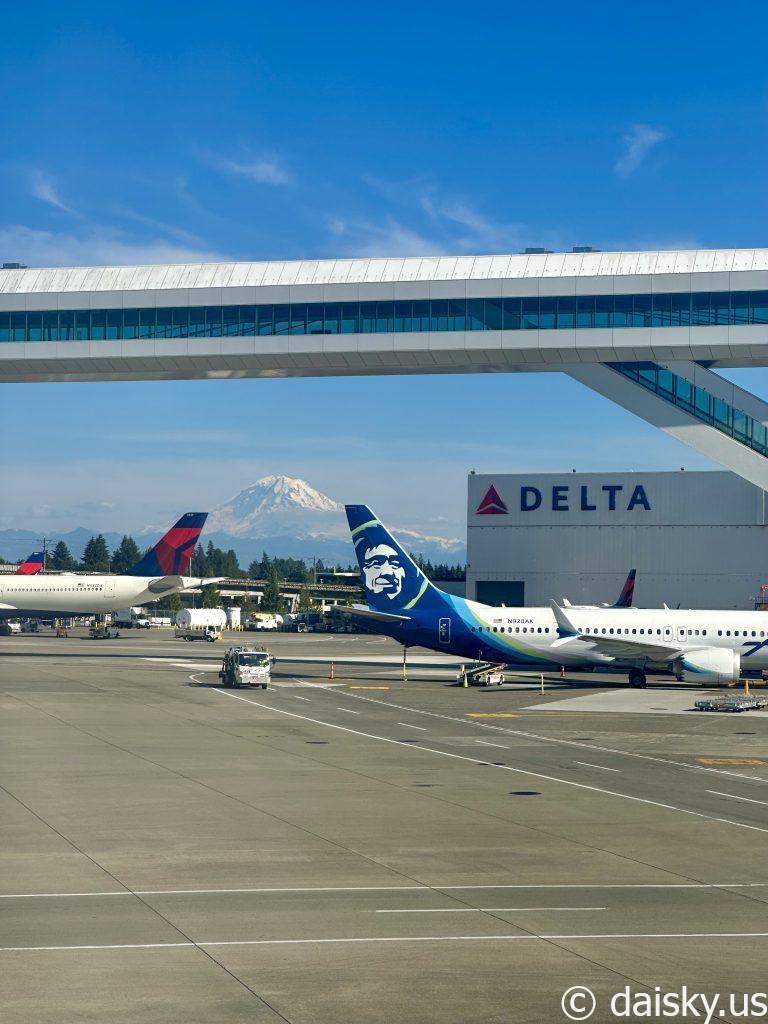
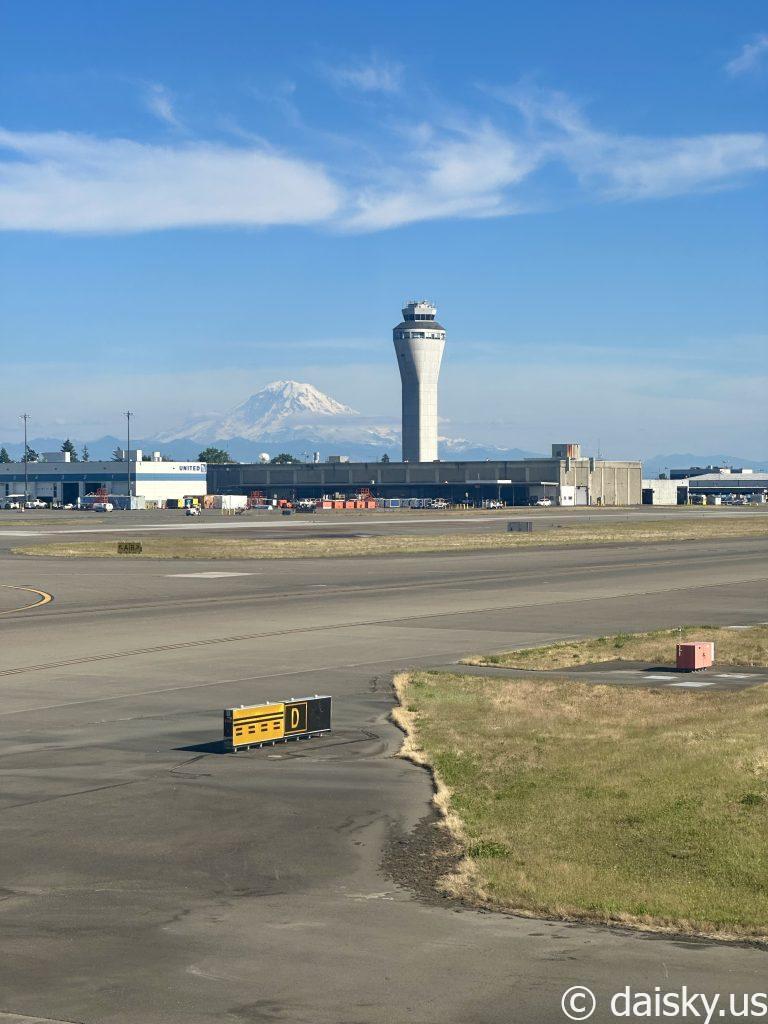
10个半小时是回程飞机把人从欧洲慢慢拉回西雅图。窗外先是雪线和山脊,接着是北喀斯喀特的皱褶、Elliott Bay 的水面、SEA 机场塔台、Delta 和 Alaska 的机身,最后 Mount Rainier 又站回熟悉的位置。前面十几天都在看阿尔卑斯,落地前,华盛顿州用自己的雪山和海湾把这一趟接回来了。
巴黎把几百年的艺术、建筑和城市密度压到眼前;瑞士把几千米海拔的岩石、雪线和冰川推到窗外。回到 Seattle,Rainier 不再是需要专门奔赴的风景,而是“到家了”的背景。它没有抢走前面那些山的记忆,只是安静地提醒:旅行真正结束的时候,熟悉的地平线会重新出现。
The final return-flight photos slowly pull the story back from Europe to Seattle. Outside the window came snowlines and ridges first, then the folds of the North Cascades, the water of Elliott Bay, the SEA control tower, Delta and Alaska aircraft, and finally Mount Rainier returning to its familiar place. After days of looking at the Alps, Washington received the trip with its own mountains and bay.
Paris compressed centuries of art, architecture, and urban density into view; Switzerland pushed thousands of meters of rock, snowline, and glacier up against the windows. Back in Seattle, Rainier was no longer a destination to chase. It was the background that said home. It did not overwrite the mountains before it; it simply reminded us that a trip is really over when the familiar horizon appears again.
结尾:不是完成计划,是留下自己的版本 / Closing: not the planned version, the personal one
巴黎不是“把所有名胜都走完”,而是卢浮宫、奥赛、圣母院、歌剧院、车窗、游船、街角、几顿亚洲菜,和一顶被塞纳河收编的帽子。瑞士也不只是“雪山很美”,而是 Grindelwald 的尺度错觉、Bachalpsee 的倒影、Zermatt 的蓝调和日照金山、Gornergrat 的云雨,以及离开前最后那半个马特洪峰。
真正完整的路线,是从艺术史走到地质尺度,再从阿尔卑斯回到巴黎,最后落回西雅图。中间有晴天,也有雨;有名作,也有赶路;有精致午餐,也有救命中餐;有一条河、一座湖、几座山,还有一顶已经成为塞纳河非官方传说的帽子。旅行最后带回来的,往往不是最标准的那版行程,而是这些具体、偶然、甚至有点离谱的细节。它们把“去过”变成了“记得”。
What remains is not the completion rate of the plan, but the version of the trip that actually happened. Paris was not “every landmark checked off,” but the Louvre, Orsay, Notre-Dame, the opera house, bus windows, river cruise, street corners, several Asian meals, and one hat conscripted by the Seine. Switzerland was not simply “beautiful mountains,” but Grindelwald’s scale illusion, Bachalpsee reflections, Zermatt blue hour and alpenglow, Gornergrat clouds and rain, and one last half-hidden Matterhorn before leaving.
The full route moved from art history to geological scale, from the Alps back to Paris, and finally home to Seattle. There was sun and rain, masterpieces and transit, refined lunches and lifesaving Chinese dinners, a river, a lake, several mountains, and a hat that now belongs to the Seine’s unofficial mythology. What a trip brings home is rarely the cleanest version of the itinerary. It is the specific, accidental, slightly absurd details that turn “we went” into “we remember.”


